
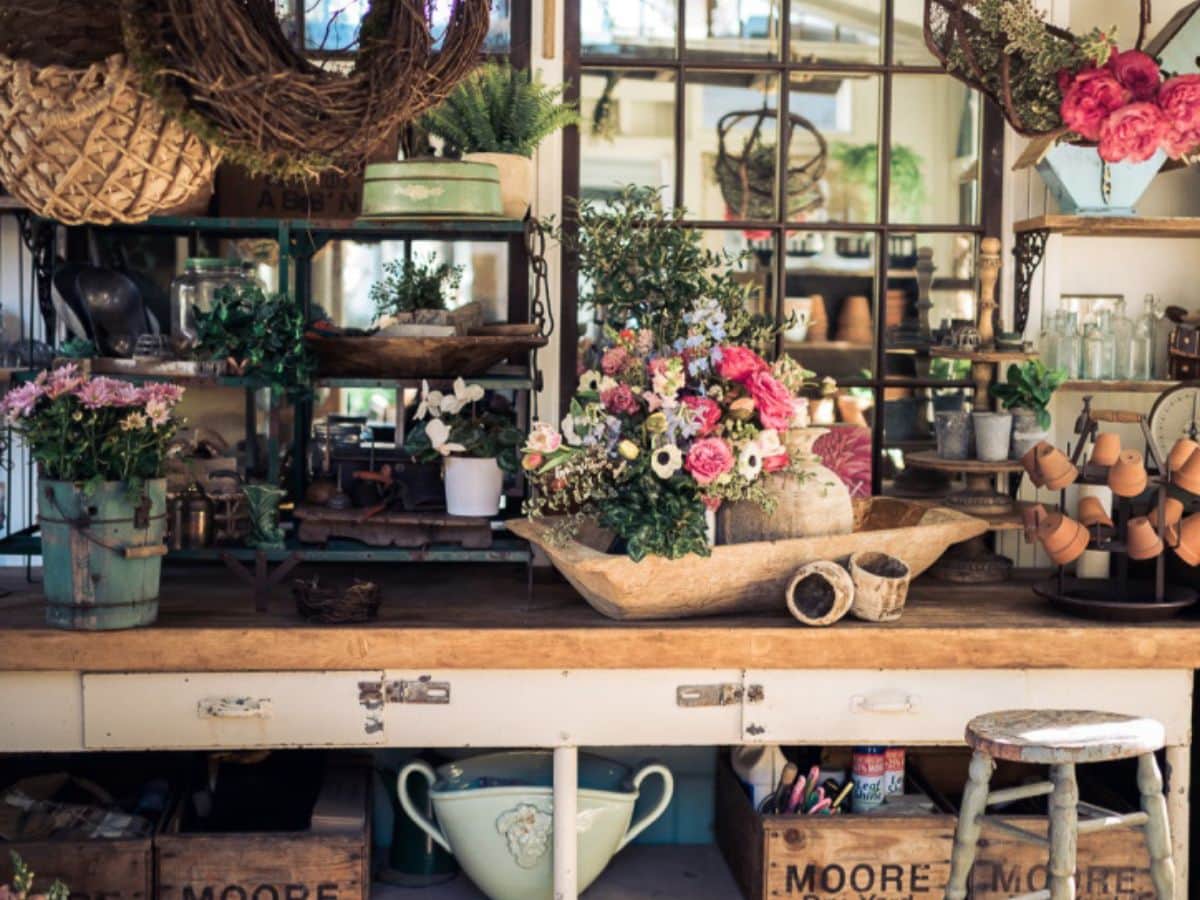
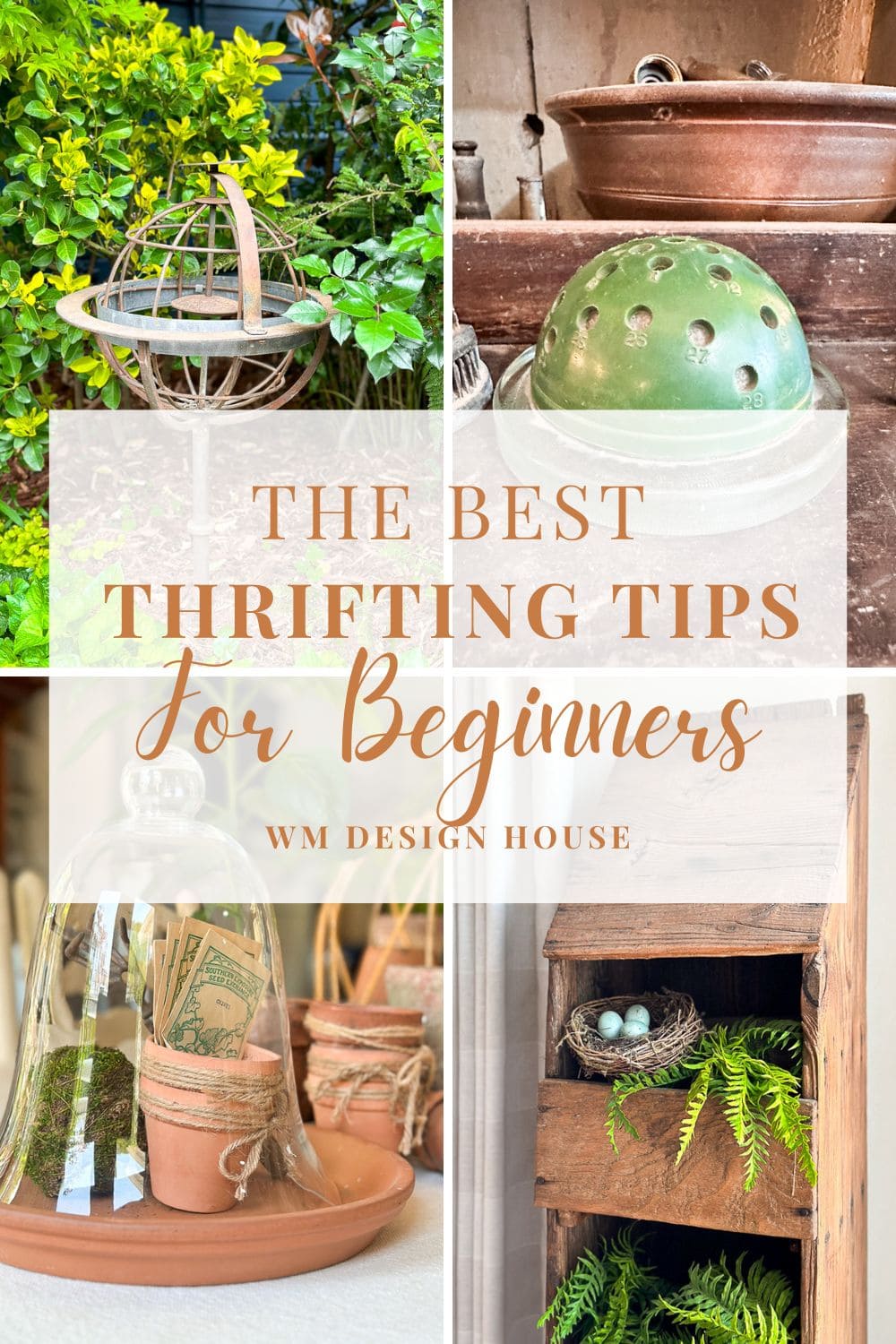
New to thrifting? These thrifting tips for beginners cover what to know before you go, including what’s worth buying, what to avoid, and how to thrift shop with confidence.
On my blog WM Design House, I may sometimes use affiliate links, which means a small commission is earned if you purchase via the link. The price will be the same whether you use the affiliate link or go directly to the vendor’s website using a non-affiliate link. Read my full disclosure policy here.
Thrifting Tips for Beginners: What to Know Before You Go
If you’re new to thrifting and not sure where to start, you’re not alone. Walking into a thrift store for the first time can feel overwhelming, especially when you don’t know what to look for or what to skip. These thrifting tips for beginners will walk you through exactly what to know before you go, so you can shop with confidence, avoid common mistakes, and actually enjoy the hunt.
Whether you’re hoping to find unique home decor, vintage pieces, or budget,-friendly finds, thrift shopping is a skill you can learn. With a few simple tips and a little practice, you’ll start spotting quality pieces quickly, and leave the store feeling confident instead of frustrated.
So join me as I share all my best thrifting tips and showcase some of my favorite thrift store treasures.
What is Thrifting and Why is it so Popular?
So what is thrifting? The term thrifting refers to shopping at second-hand stores, consignment shops, flea markets, or online resale platforms to find affordable, unique items.
And, it just so happens to be one of my favorite pastimes!

Shopping at thrift stores instead of at big box retail stores has numerous benefits. For starters, thrifting is a sustainable way to shop. Not only does it reduce waste by giving new life to pre-loved items, but it also helps minimize our environmental footprint.
Thrifting also provides significant cost savings, allowing you to find high-quality pieces in great condition at great deals. The thrill of discovering unique, one-of-a-kind items adds a personal touch to your home and wardrobe that you can’t find in mainstream stores.
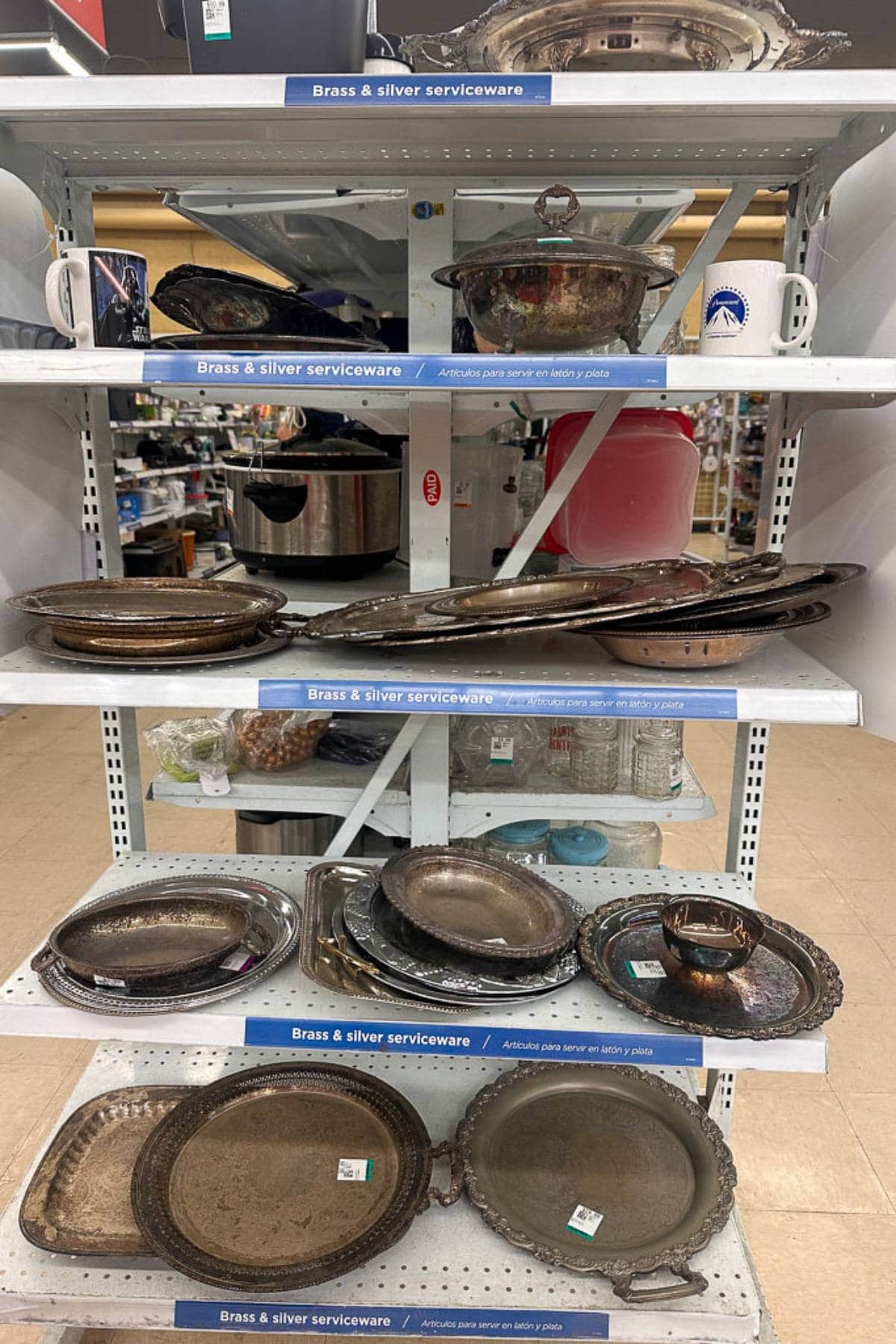
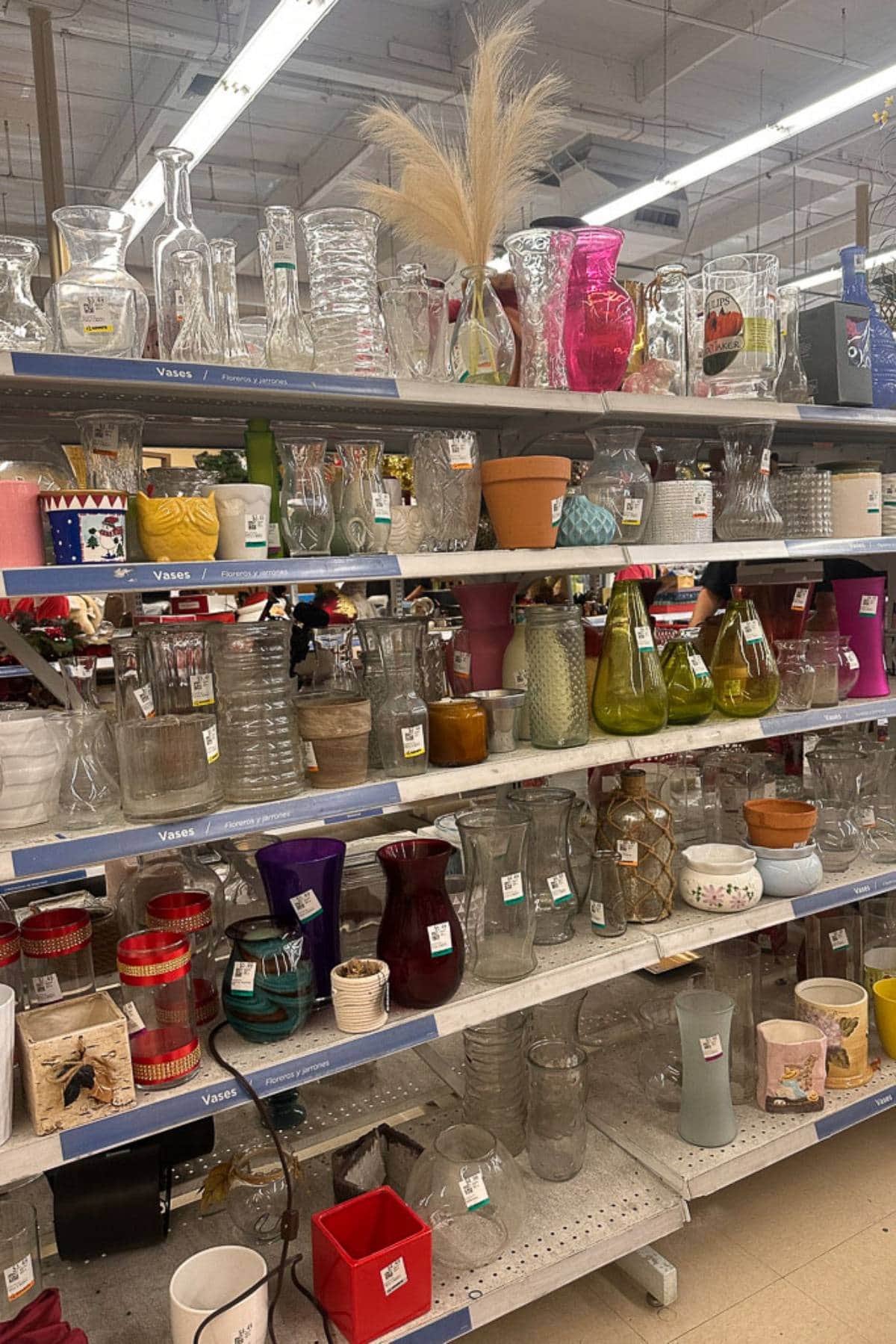
Besides the cost savings and environmental benefits, there’s nothing quite like the excitement of hunting for treasures. I always have a great time, and you can find some of the best stuff!
Now that you know what kinds of items you can find while thrifting, let’s dive into more of my tips for beginners to help you have a fun (and successful!) thrift store shopping experience.

Understanding the Thrift Store Landscape
If you’re new to thrifting, it’s important to understand the different types of thrift stores and how to find the best ones to explore.
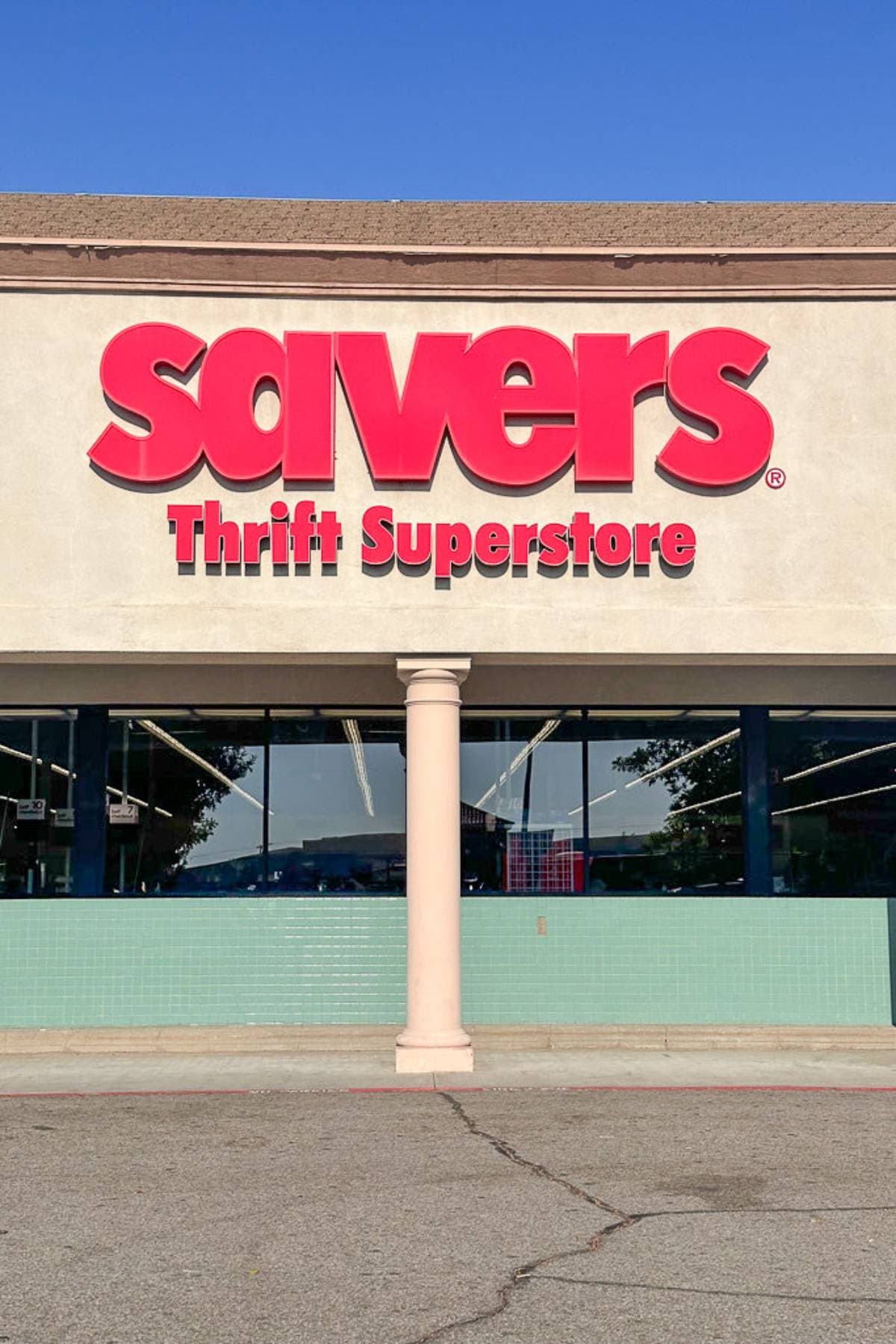
Thrift stores come in various forms, each offering a unique shopping experience and great finds to uncover:
Different Kinds of Thrift Stores
Charity Shops: These stores are often run by non-profit organizations, and their proceeds support a specific cause or community program. Donated items like clothing, furniture, and household goods are sold at affordable prices. Examples include your local Goodwills and The Salvation Army.
Consignment Stores: Consignment shops sell items on behalf of the original owner, who receives a portion of the sale price once the item is sold. These stores often feature higher-end or brand-name items, as the inventory is carefully curated to ensure quality items are in good condition.
Flea Markets: Flea markets are typically outdoor or semi-permanent setups where multiple vendors sell various goods, from vintage items and antiques to handmade crafts and collectibles. Prices are often negotiable, and the variety can be vast, making them exciting places for bargain hunters.
Antique Stores: While only sometimes considered traditional thrift stores, antique shops offer a curated selection of older items, often with historical or collectible value. Prices can be higher, but these stores are a great place to find unique, vintage, and often one-of-a-kind pieces.
Vintage Stores: Similar to consignment stores, vintage shops focus on items from past decades, particularly fashion, accessories, and decor. These stores specialize in well-preserved, high-quality pieces often considered timeless or iconic.
Each type of thrift store offers a distinct experience, catering to different tastes and budgets, making thrifting an adventure with something for everyone.
Some of my favorite nationally well-known thrift stores are Savers, Goodwill stores, and the Salvation Army. For my Southern California friends, the Rose Bowl Flea Market is a must-visit, and I’m always on the lookout for any pop-up vintage markets I can find.
How To Thrift Shop for Beginners (Step By Step)
If you’re wondering how to thrift without feeling overwhelmed, this simple step-by-step approach makes it much easier to get started.
Here are a few basic things to keep in mind before each thrifting trip:
Knowing When to Shop Your Local Thrift Stores for the Best Finds
Timing can make a big difference when thrift shopping, especially if you want first pick of the best items.
To improve your chances of finding the best items, you can visit right after weekends or holidays when donations are more likely to be plentiful. It’s also helpful to ask store clerks about their restocking schedule.
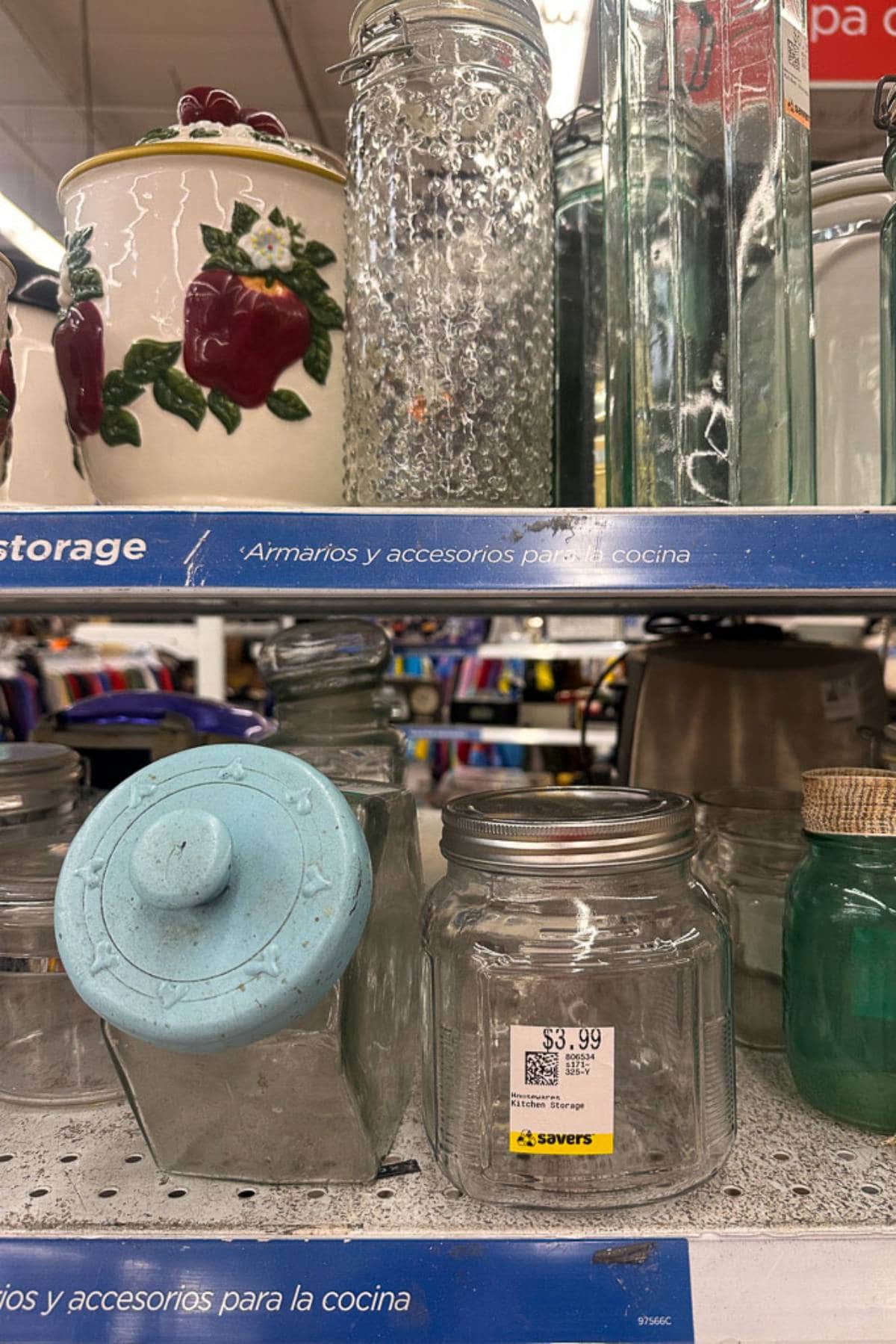
Knowing when new merchandise will be put out, along with the best time and day to shop, will be beneficial. Early mornings are ideal for getting first dibs, as many stores restock with new products before opening.
Additionally, watch for a special sale day or promotions for even more significant discounts. Seasonal items are typically more abundant after holidays when people clean out their decorations.
Preparing for Your Thrift Store Visit
A little preparation goes a long way when thrift shopping, especially for beginners.
Dress Comfortably
Wear comfortable clothes and shoes, especially if you plan to spend a few hours browsing. Thrift shopping often means walking, bending, and digging through racks, so comfort matters more than style. If you’re shopping for clothing, wear easy-to-change layers to make trying things on quicker.
Bring the Essentials
Having a few simple essentials on hand can make thrift shopping easier and more successful. These small tools help you stay organized, focused, and confident while you shop.
Set a Budget
Determine how much you want to spend, especially for specific projects. Stick to your budget to avoid overspending.
Do Your Research
Gather inspiration from social media platforms like Instagram or from a Pinterest board. You can also look for ideas on how to use thrifted items in DIY projects or home decor in books and magazines.
Over the years, I’ve also shared lots of creative projects using upcycled and thrifted finds.
Plan Your Route
Before you head out the door, map out the thrift shops you want to visit. Prioritize stores that are known for affordable items.
Check Store Policies
Understand the return or exchange policies if an item doesn’t work out. Many thrift stores have a strict no-return policy.
Bring a Friend
Bringing a friend along can make thrifting even more fun and less overwhelming. A second set of eyes can help you spot potential, give honest opinions, and keep you from making impulse purchases. Plus, thrifting together turns the experience into a fun outing instead of a solo task.
Stay Hydrated and Energized
Bring a water bottle and a small snack to keep your energy up while shopping. Thrifting often turns into a longer adventure than planned, and a quick break can help you stay focused and enjoy the experience.
wendy’s thrifting tip:
Keep a small bag in your car with the essentials like a measuring tape, a list of sizes for your family, reusable shopping bags, and a quick snack.
What to Look for When Thrift Shopping
When you’re new to thrifting, focusing on quality over quantity makes all the difference. These are my best tips for beginners when making a list of things to be on the lookout for while thrifting
What to Skip at the Thrift Store
Some items are best left behind, especially when you’re just starting out.
Negotiation and Pricing Tips
Understanding thrift store pricing and etiquette can help you shop smarter and avoid surprises at checkout, while also scoring the best deals
Thrift Store Pricing and Etiquette for Beginners
Thrift store pricing is typically based on an item’s condition, brand, and demand, but prices vary widely from store to store. Always be polite when asking questions, respect store policies, and remember that many thrift stores do not offer returns.
General Thrift STore Pricing
Many thrift stores also have color-coded tags or specific discount days when certain items are marked down.
It’s a good idea to ask about their pricing structure and upcoming sales. Knowing when to expect discounts allows you to plan your visits strategically, maximizing your savings while still finding great items.
Thrifting haggling tips for beginners
Negotiating for a better price is often expected, especially at flea markets or consignment shops. The best way to approach negotiating is to do it politely and respectfully.
Start by expressing genuine interest in the item, then ask if the seller is open to negotiating. Offering a reasonable price based on the item’s condition or market value can lead to a successful deal.
Timing can also play a role—sellers may be more willing to negotiate near the end of the day or if the item has been in the shop for a while.
Always be prepared to walk away if the price doesn’t meet your budget, but remain friendly and courteous.
Discount Days
Many local shops in my area have great discount days. Check all your local businesses and see what days they offer an additional discount.
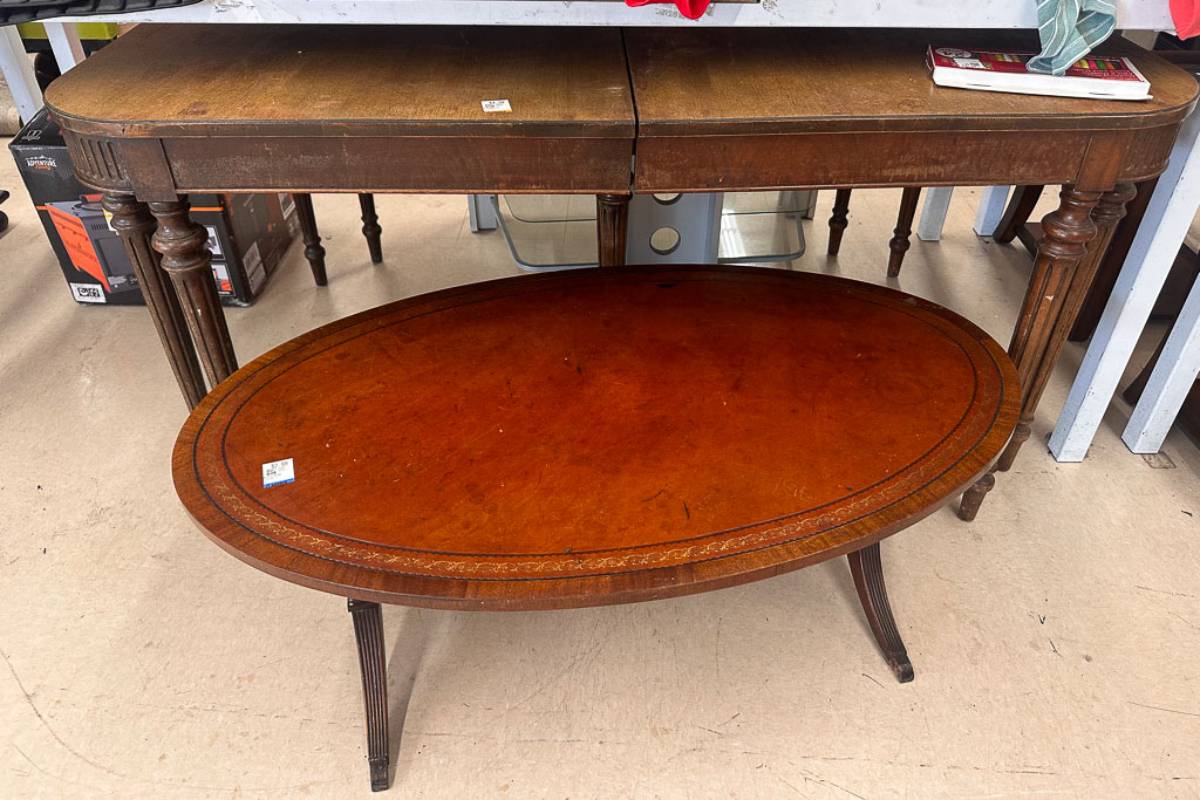
Thrift Shopping Tips for Beginners that Actually Work
Having thrifted for years, I’ve picked up a few tips and tricks that can help any beginner navigate the world of thrifting. Here are some key things to keep in mind.
Know What You Are Looking For
Knowing what particular item you are looking for is a great way to stay focused while thrifting. You may find other unique items that will work for you along the way, and that is a big plus. This will also ensure you feel safe from the sheer volume of items in your local stores.
Take Your Time
Thrifting adventures take time. Plan on spending an entire afternoon or a full day on your thrifting journey so you have enough time to shop at several different stores.
When thrifting, it’s important to take your time and explore every nook and cranny of the store. Look carefully through all the shelves and notice hidden corners or lower racks where unique finds might be tucked away.
The best finds are often the ones that aren’t immediately visible, so a thorough search can lead to discovering truly special items. Patience and a keen eye are your best tools for unearthing those hidden gems.
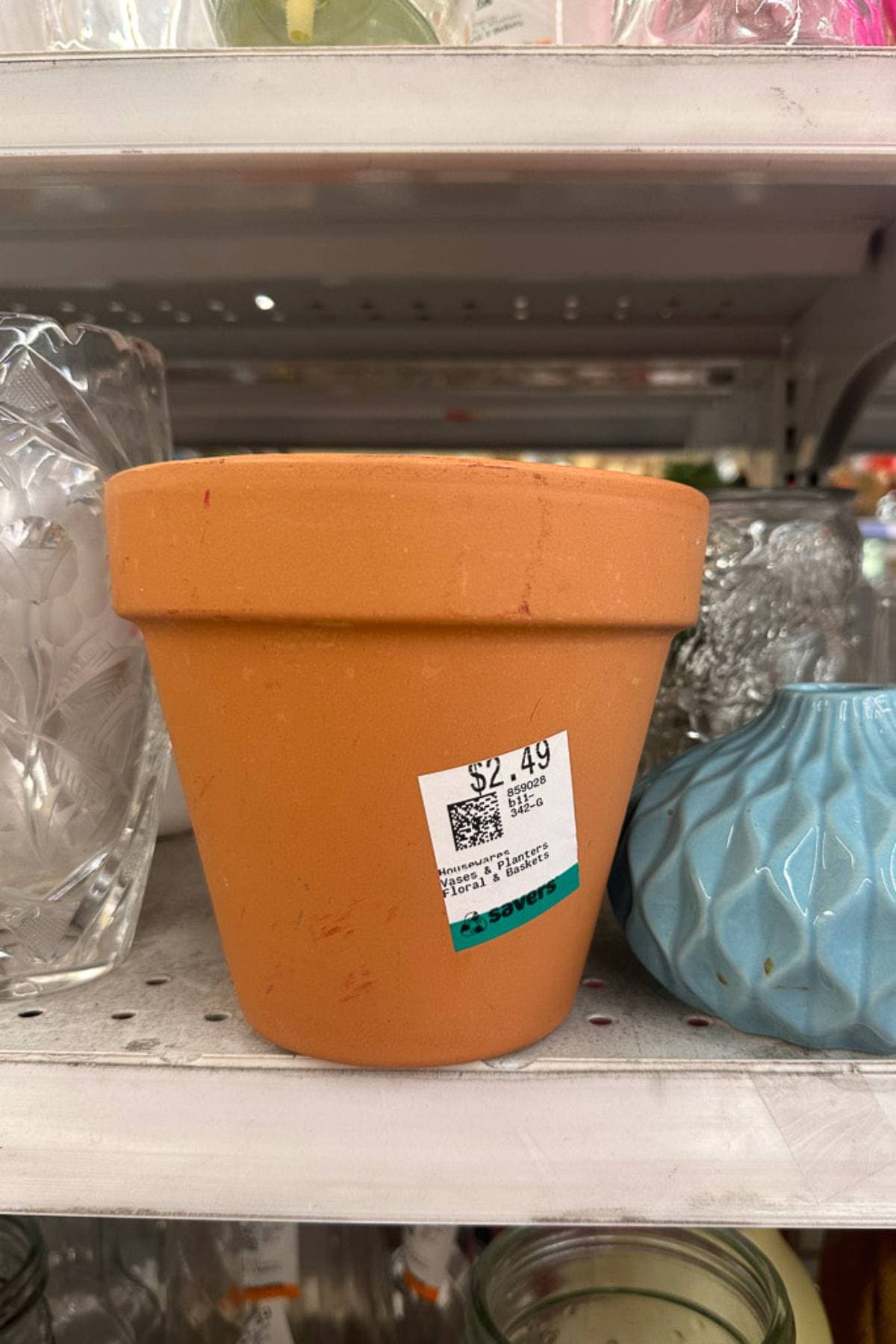
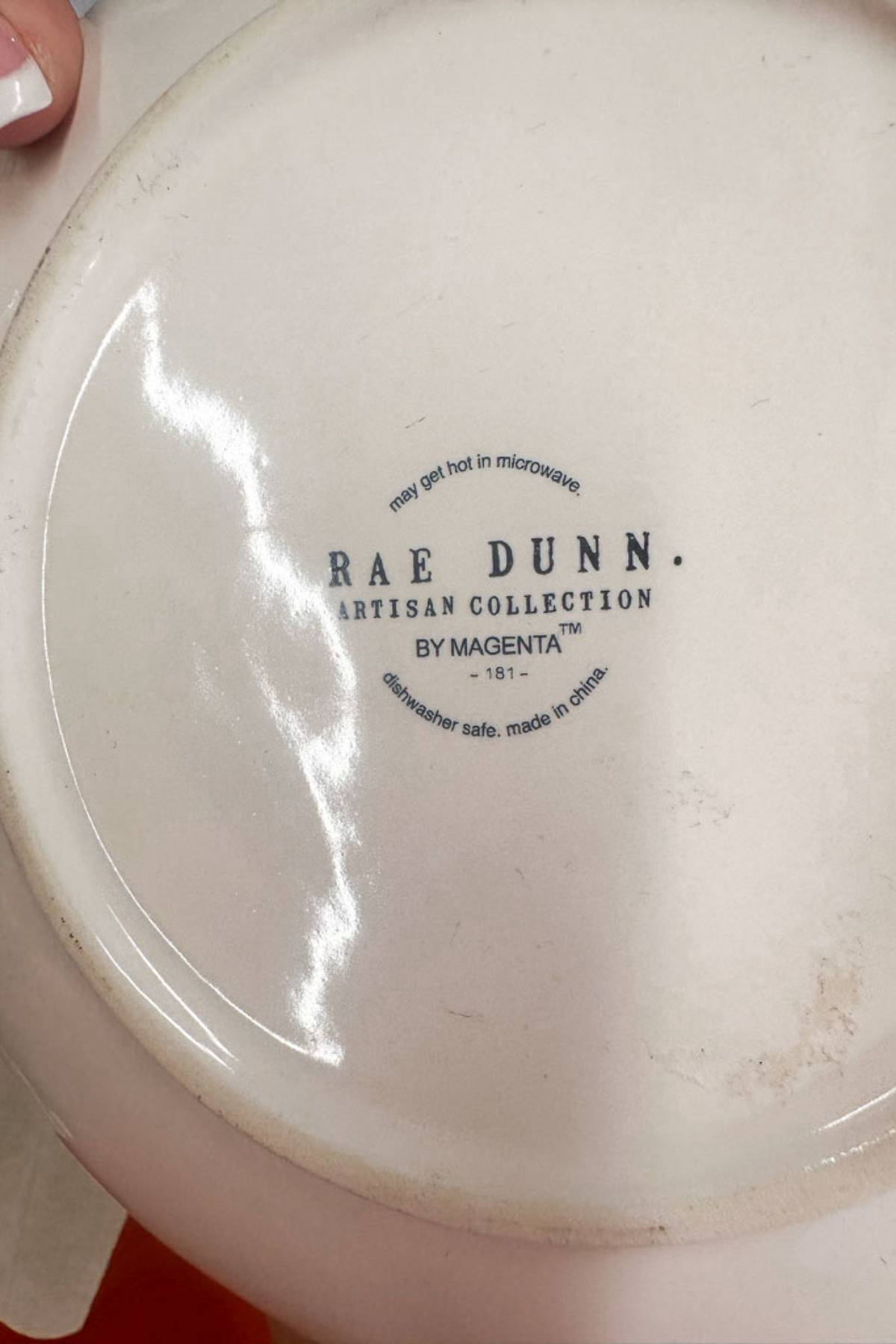
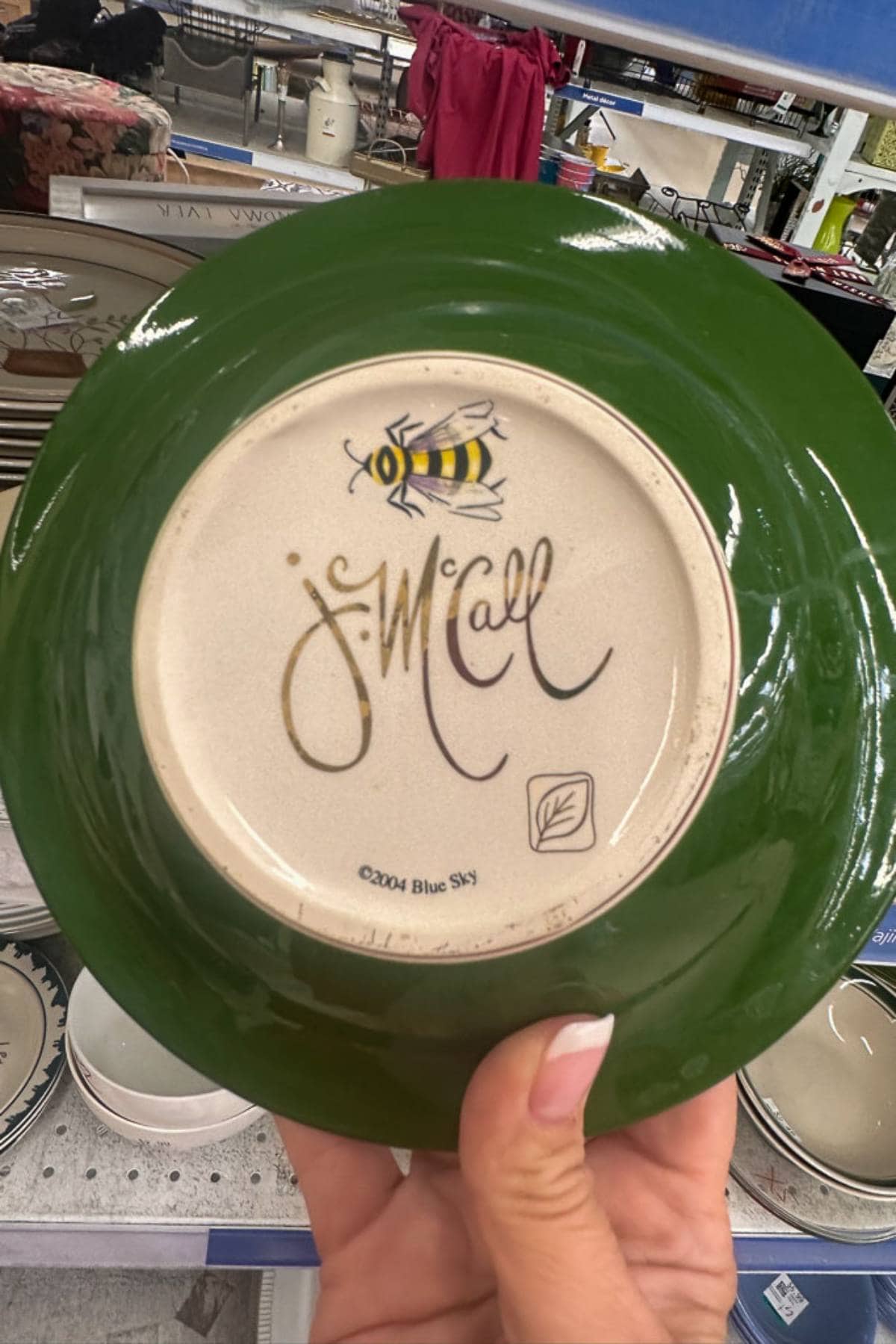
Know the Brands
Familiarizing yourself with name brands before you go thrifting can make a big difference in your shopping experience. Knowing which brands are high-quality or in demand helps you quickly identify valuable items among the racks. This knowledge can also guide your decision-making, ensuring you invest in durable and stylish pieces.
Whether you’re looking for designer clothing, sturdy furniture, or unique home decor, being brand-savvy can help you spot the best deals and make the most of your thrift store visits. So be sure to do a little research before heading out to the second-hand stores.
Look Beyond the Surface
Don’t shy away from items needing a little TLC when thrifting. Sometimes, a thrifted find needs a fresh coat of paint, new hardware, or minor repairs to reveal its full potential.
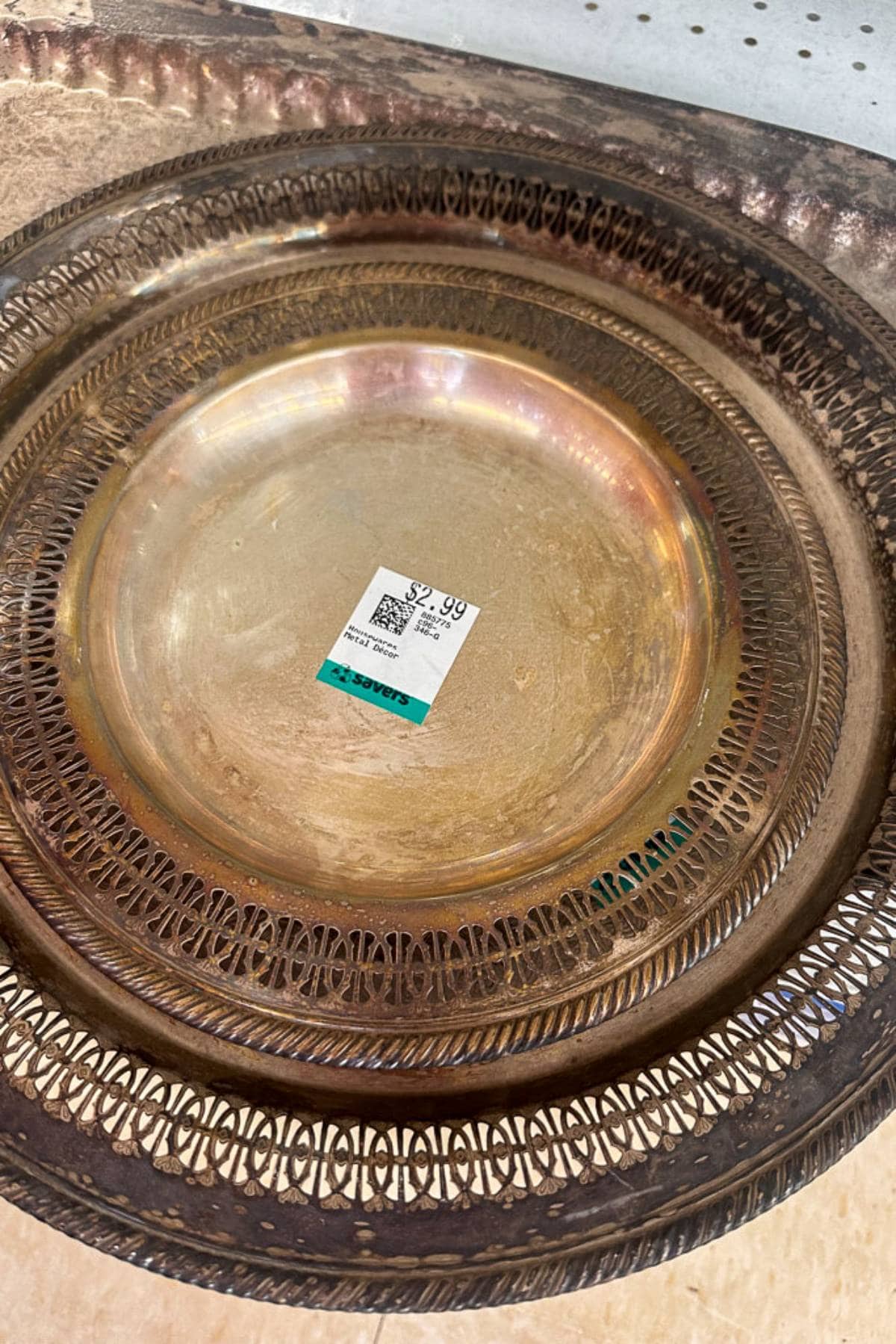
As you browse, imagine how a piece could be transformed with some creativity and effort. A dated chair might become a statement piece with new upholstery, or a scratched dining table like this one for $4.99 could shine again with some sanding and stain.
Seeing the potential in these items can lead to unique, personalized treasures that add character to your home.
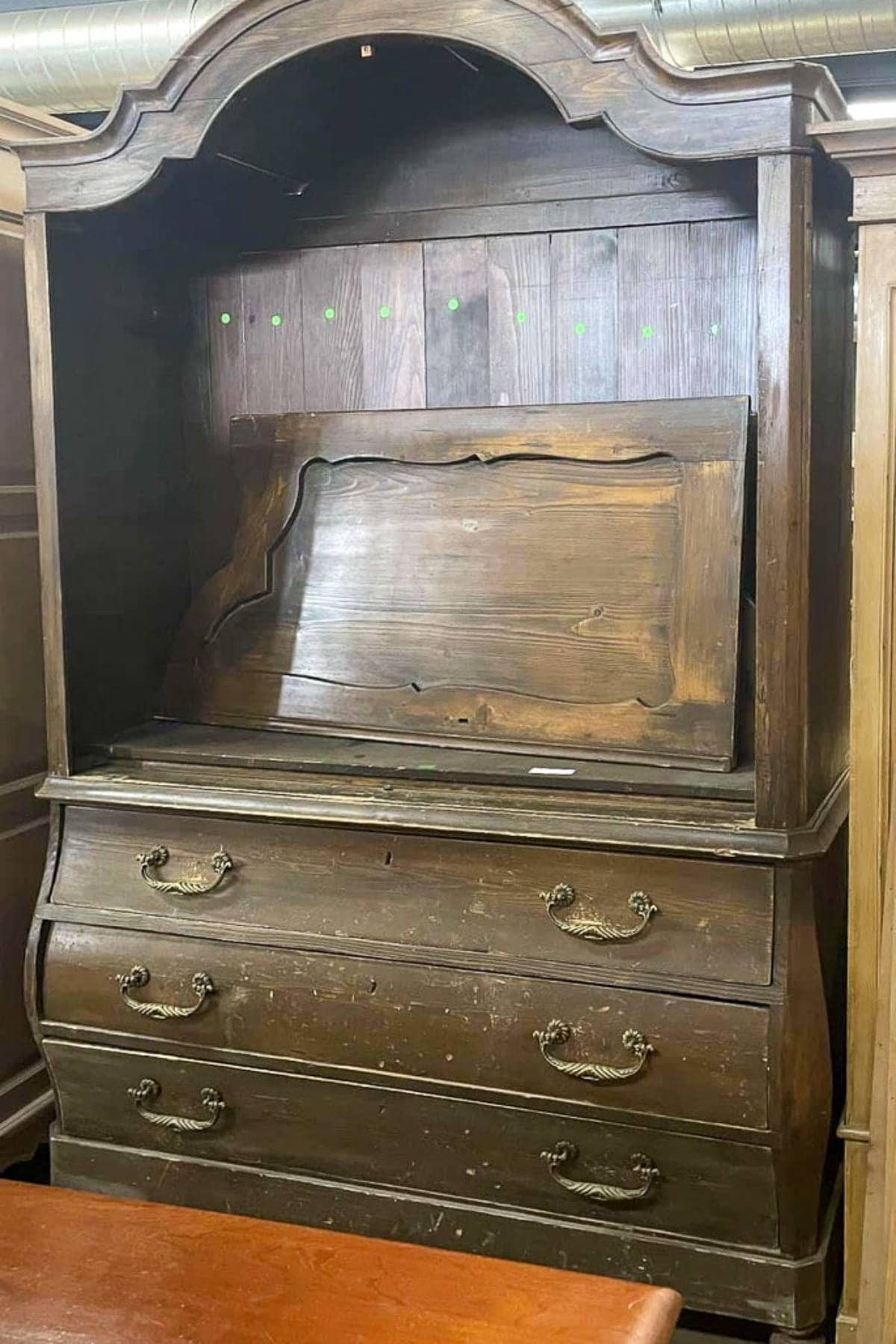
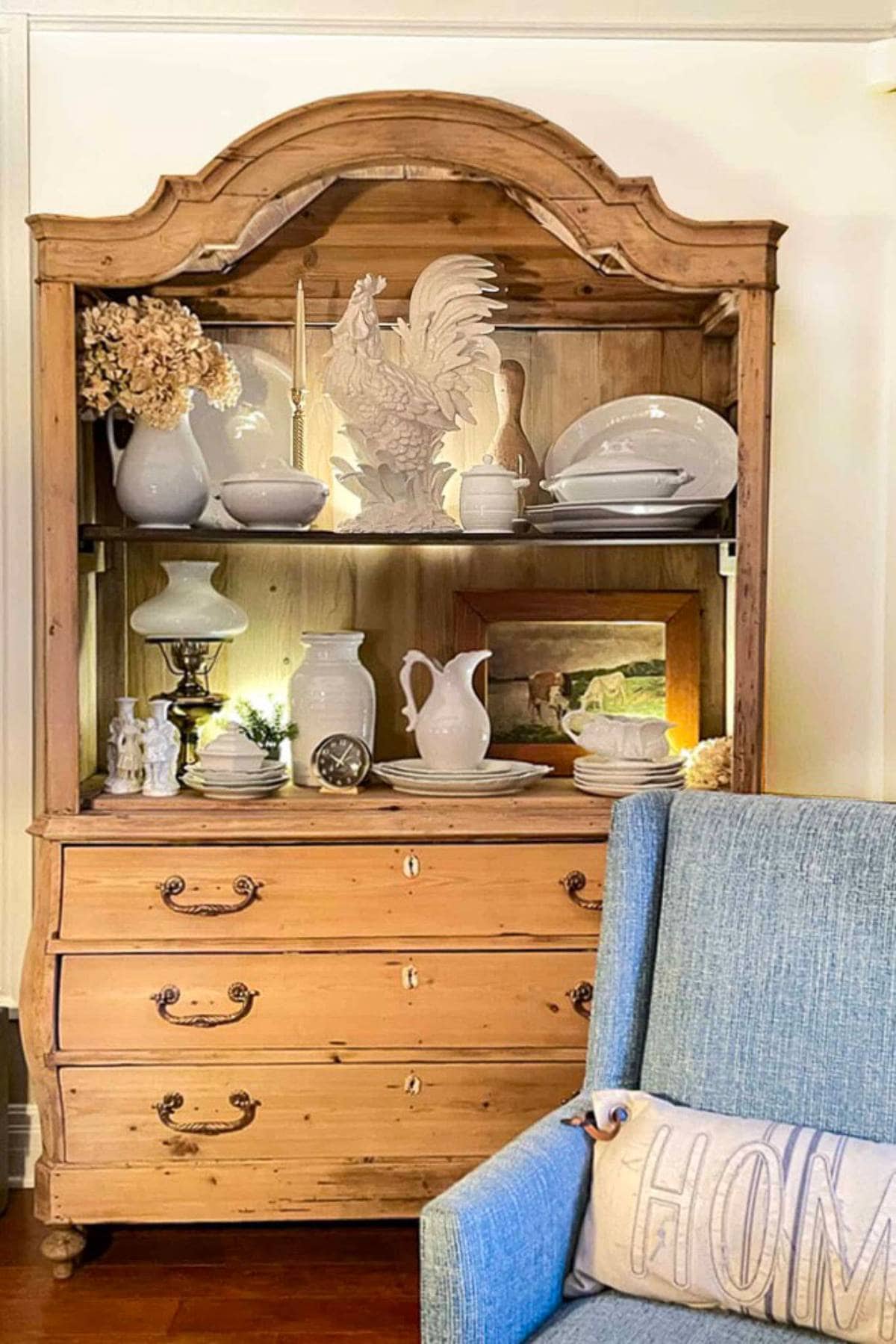
On one thrifting adventure, I came across a large dark colored cabinet. While it was a great piece, the wood was much darker than the light-colored piece of furniture I had my heart set on for my family room. That’s when inspiration struck—I decided to strip it down to its natural wood.
The transformation is truly stunning, and if I had to purchase this piece new, I would have spent thousands of dollars.
But, for under $300, I took this beautiful piece of old furniture I bought at the Salvation Army and refurbished it to look like new.
Think Outside the Box
When thrifting, think beyond how an item was originally intended to be used. Table linens, clothing, and even bedding can be repurposed as fabric for DIY projects, home decor, or crafts.
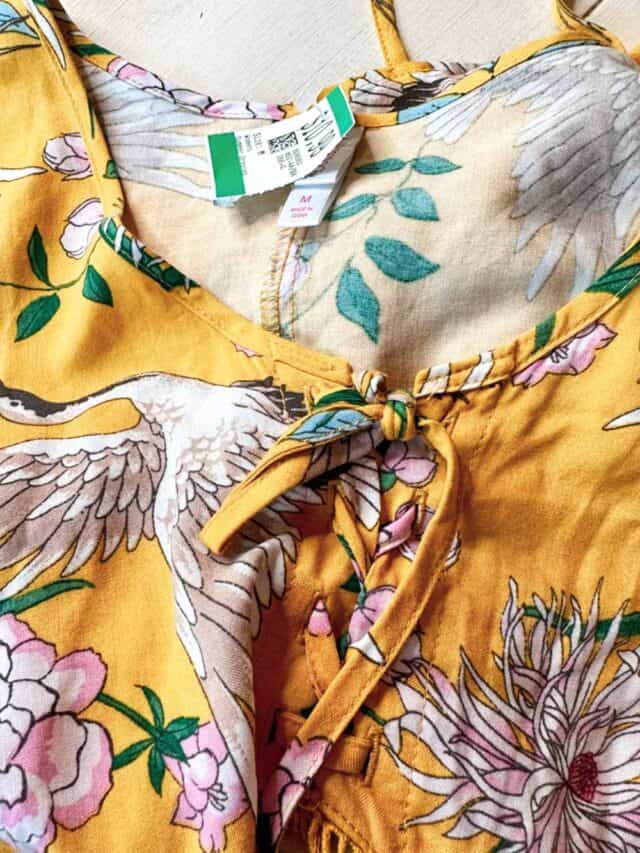
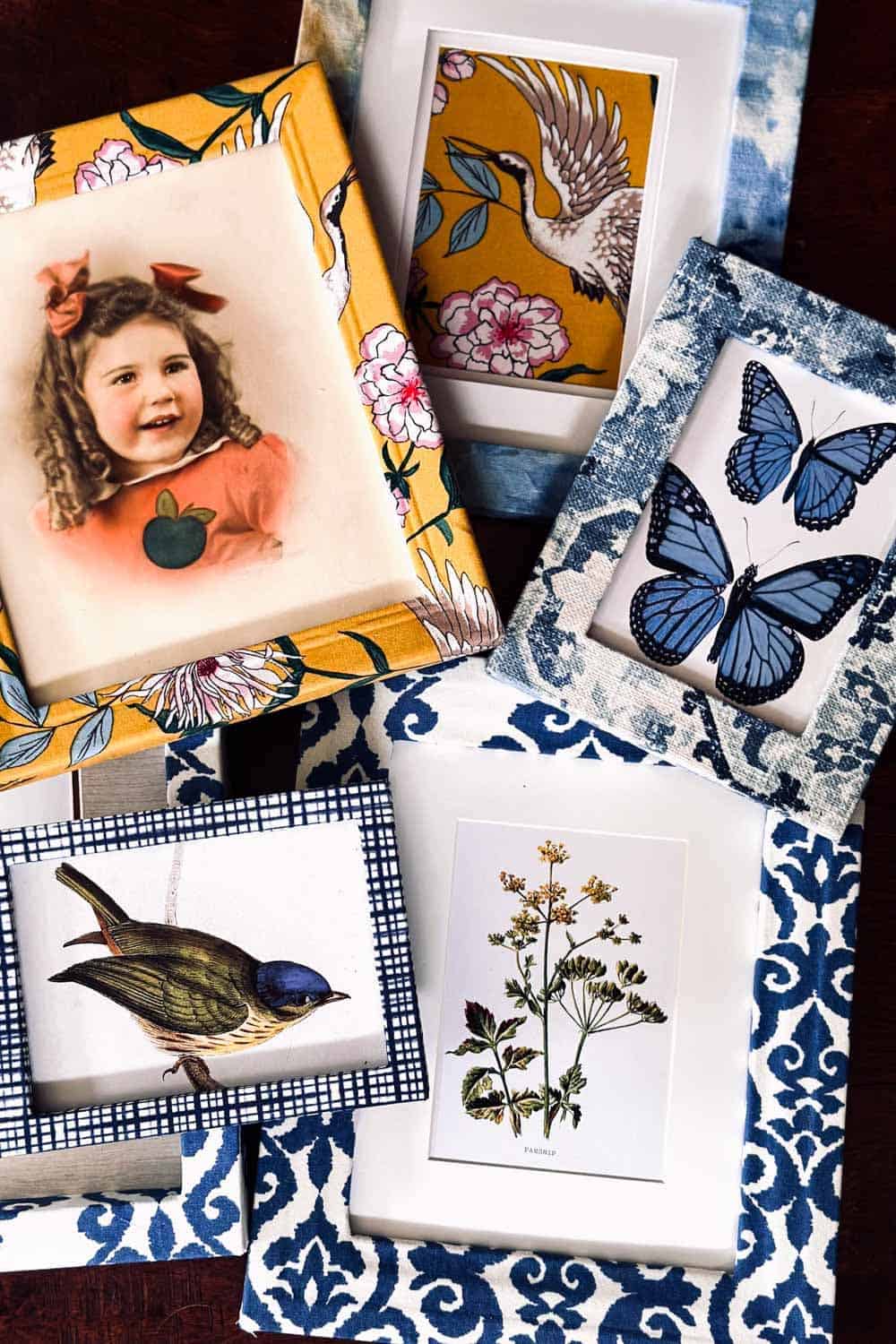
Looking at items through a creative lens opens up endless possibilities for transforming secondhand finds into something unique.
Inspect Items Carefully for Damage
While thrifting, it’s essential to carefully inspect each item for any signs of damage before making a purchase. Check for cracks, stains, missing parts, or other imperfections that might be difficult or costly to repair.
For furniture, ensure it’s sturdy and free from woodworm or structural issues. Look for stains, tears, broken zippers, or missing buttons with clothing. A thorough inspection helps you make informed decisions, ensuring you’re bringing home items in good condition worth the effort to restore.
wendy’s thrifting tip:
Be sure to double-check for all damages, broken zippers and any missing parts before you purchase your goods as most thrift stores do not take returns.
Common Mistakes to Avoid
Thrifting is fun, but it’s easy to get caught up in the moment. Being aware of a few common mistakes can help you make better choices and enjoy the experience even more.
Impulse Buying
Impulse buying can be tempting, especially when items are affordable at thrift stores. However, resisting the urge to purchase something just because it’s cheap is important.
Before you buy, ask yourself if the item is something you truly need, love, or have a specific use for. Consider how it will fit into your home or wardrobe and whether it aligns with your style or current projects.
By pausing to reflect, you can avoid cluttering your space with unnecessary items and ensure that each purchase brings value and joy.
Overlooking Flaws
As I explained earlier in my post, it is important to inspect your items before purchasing them to ensure that there are no major issues, especially ones that are not repairable.
Ignoring Sizing or Dimensions
Ignoring sizing or dimensions can lead to disappointing purchases, so always double-check before buying.
If you’re considering clothing, make sure the dress will fit by trying it on in a fitting room.
For furniture, confirm that the piece will fit in your space by taking accurate measurements.
Being thorough with sizing and dimensions helps ensure your thrift store finds work perfectly in your home or wardrobe.
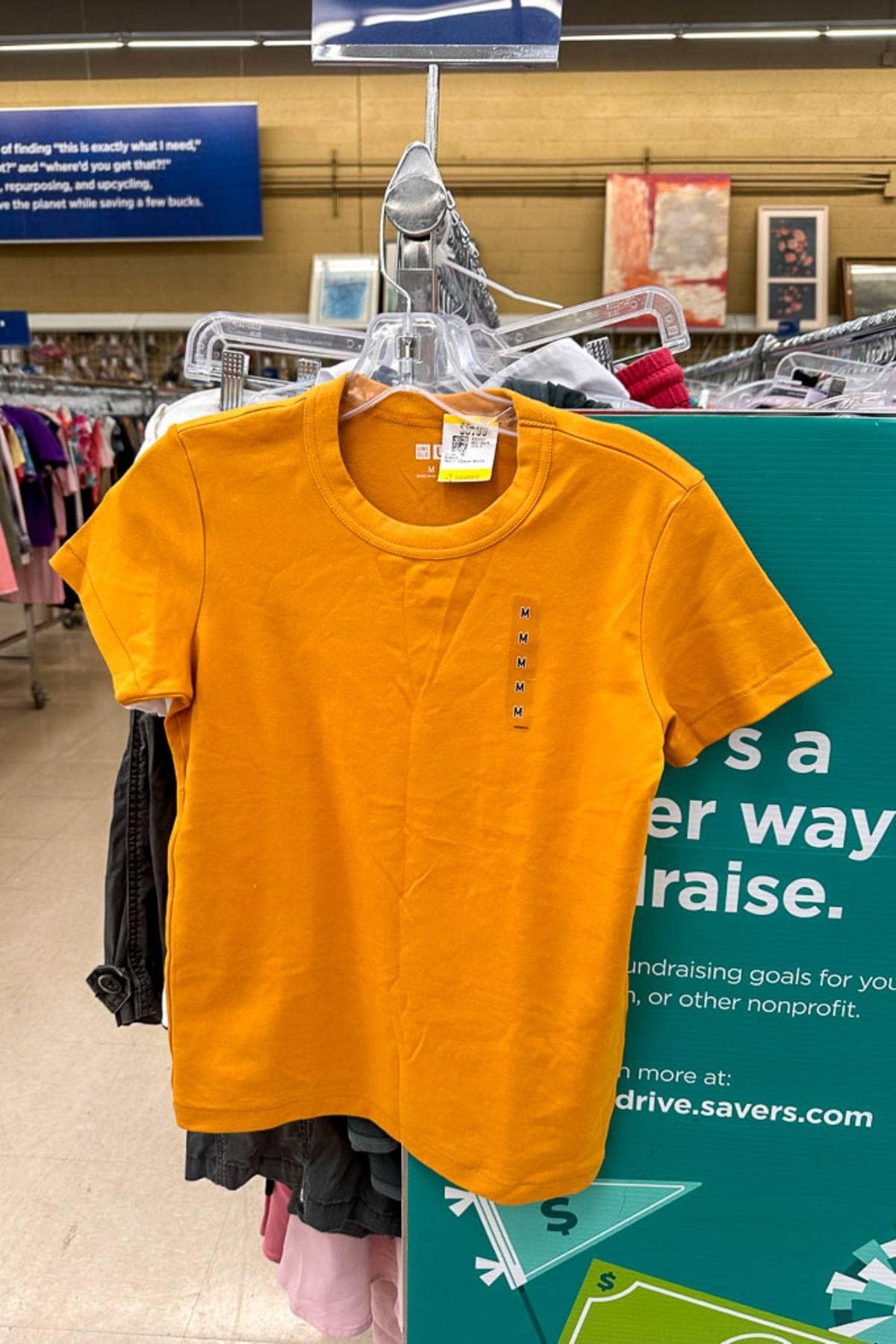
Thrifting Online Stores
Yes, you can even shop at online thrift stores. If you love thrifting, but can’t always shop in person, online thrift stores make it easy to find secondhand treasures from home.
Here is a list of a few of my favorites and what they have to offer.
Depop
A social shopping app, Depop has globalized Gen Z fashion culture and become a major platform for promoting young designers and upcycled clothing.
Users can list items they’re selling or buy unique garments from others, making it a hub for creative and sustainable fashion.
Poshmark
A community-focused peer-to-peer social shopping app, Poshmark, is where you can buy and sell used or new clothes. It’s more modern or classic, and although Gen Z uses it, it’s more popular among Millennial shoppers.
ThredUp
ThredUp s an online consignment and thrift store that operates differently from platforms like Depop and Poshmark. As a seller, you’ll receive a bag with a prepaid shipping label from ThredUp. You fill it with your gently used clothes, accessories, and shoes that meet their accepted brands list, and send it back.
ThredUp will then review your items, select what they will sell, and present you with an offer. You have 10 days to accept or decline the offer. Accepted items are listed online, and you’ll earn a percentage of the sale when they are purchased. Items that are not accepted can be either donated or recycled by ThredUp.
Ebay
Launched in 1995, most everyone is familiar with eBay, where you can find literally anything!
Etsy
Etsy is an online marketplace that connects buyers with independent sellers offering unique, handmade, vintage, and new items.
It’s a platform known for its diverse range of products, from one-of-a-kind jewelry and home decor to custom clothing and art, making it a go-to destination for all types of items, from handcrafted to secondhand finds.
My Thrifting Projects
One of the best parts of thrifting is turning secondhand finds into meaningful, creative projects that tell a story.
Here are several projects that I have created using thrifted treasures that I have found in second-hand stores.
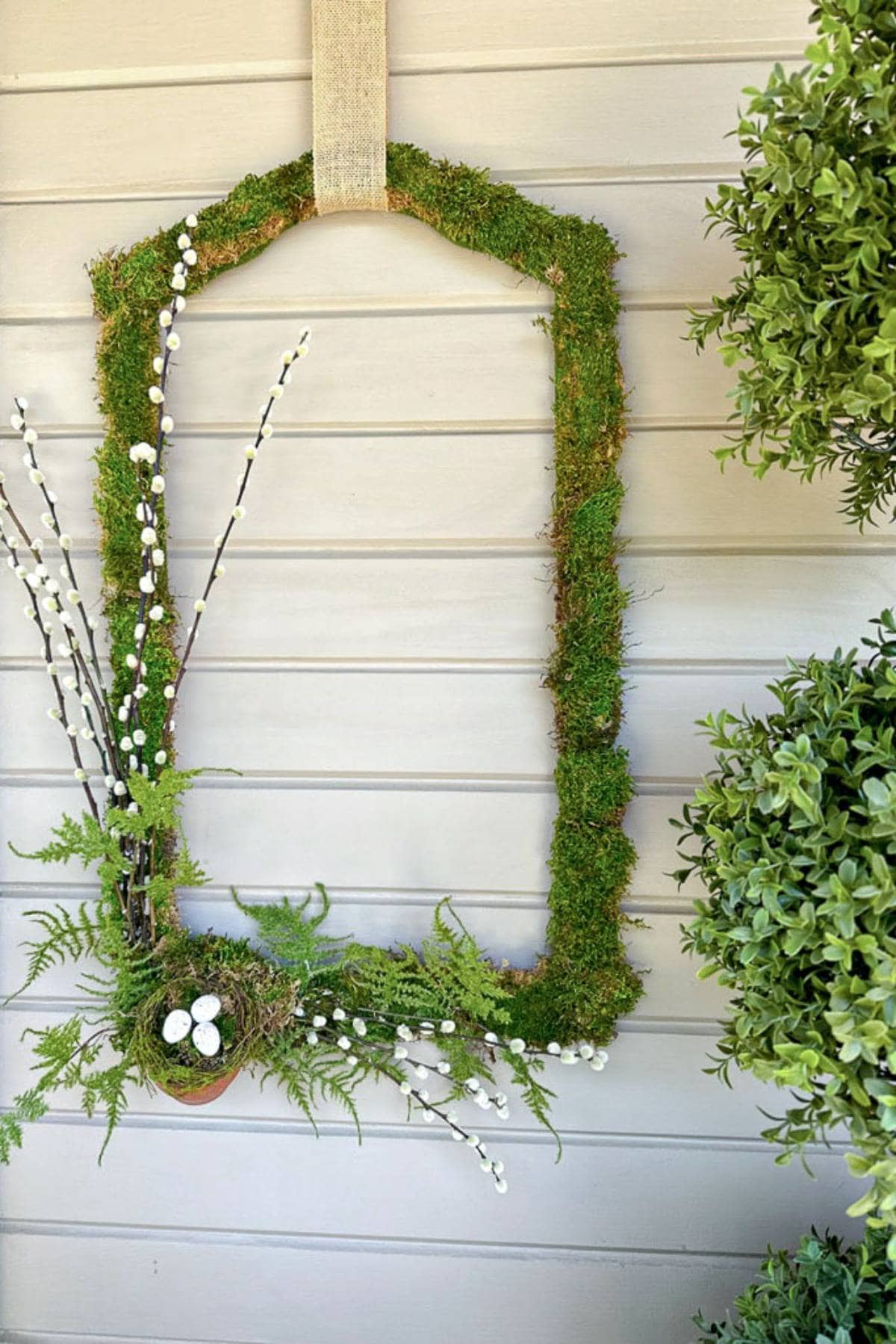
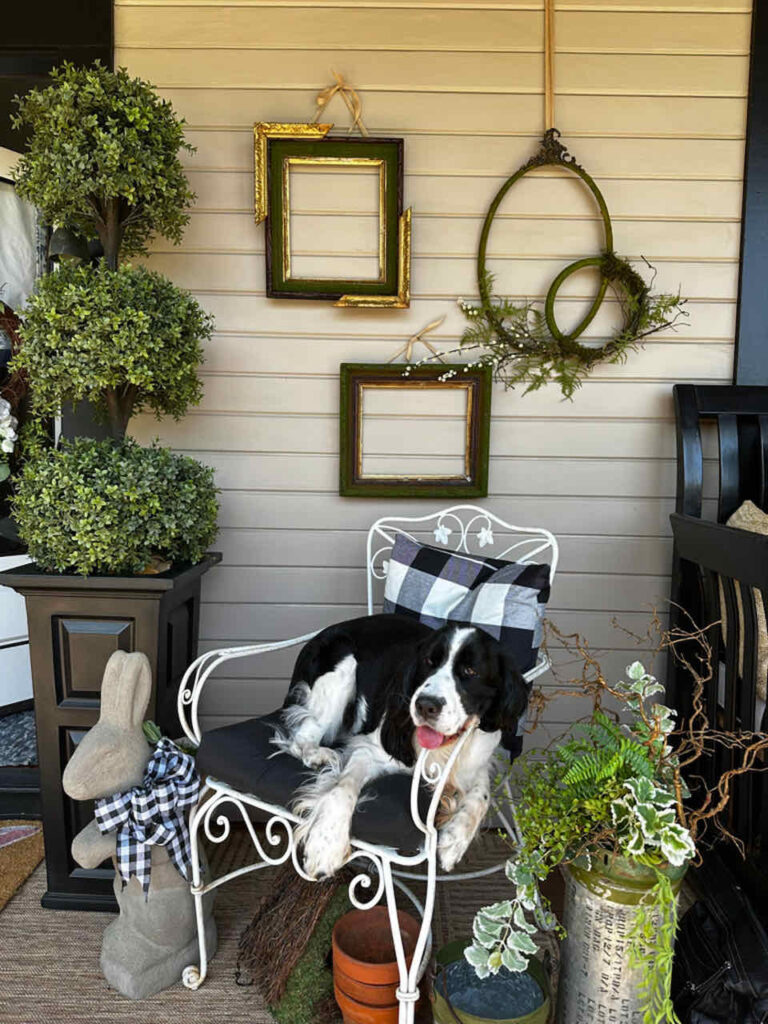
DIY Moss Frames
01
This was such a fun project that transformed my porch with a stunning feature wall. I found some old, vintage-style frames and added moss for a fresh springtime look.

DIY Fabric-Covered Frames
02
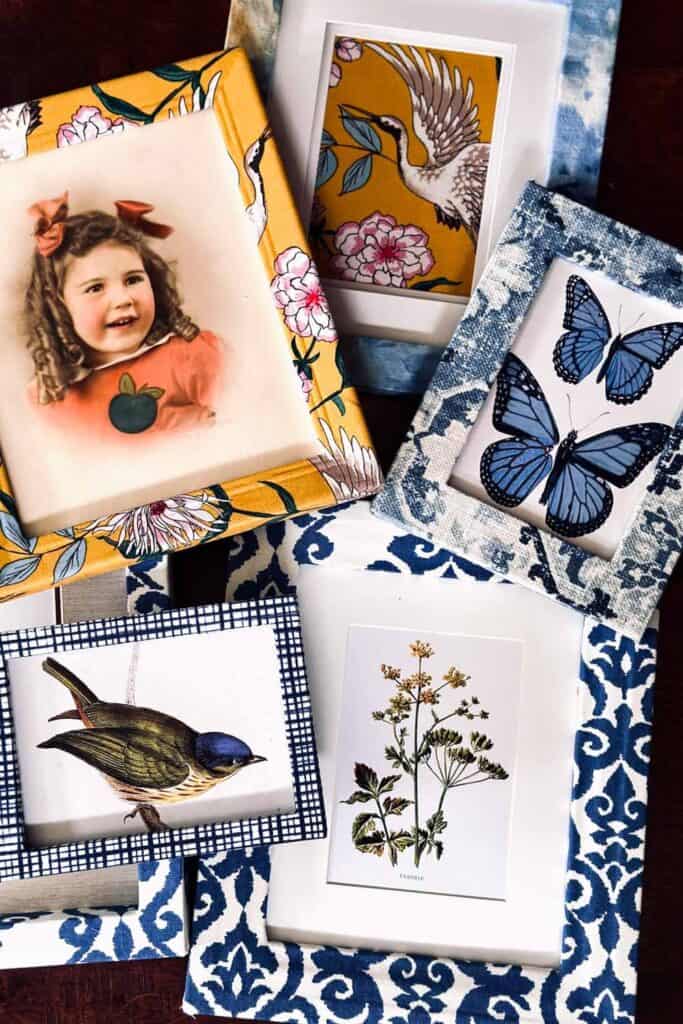
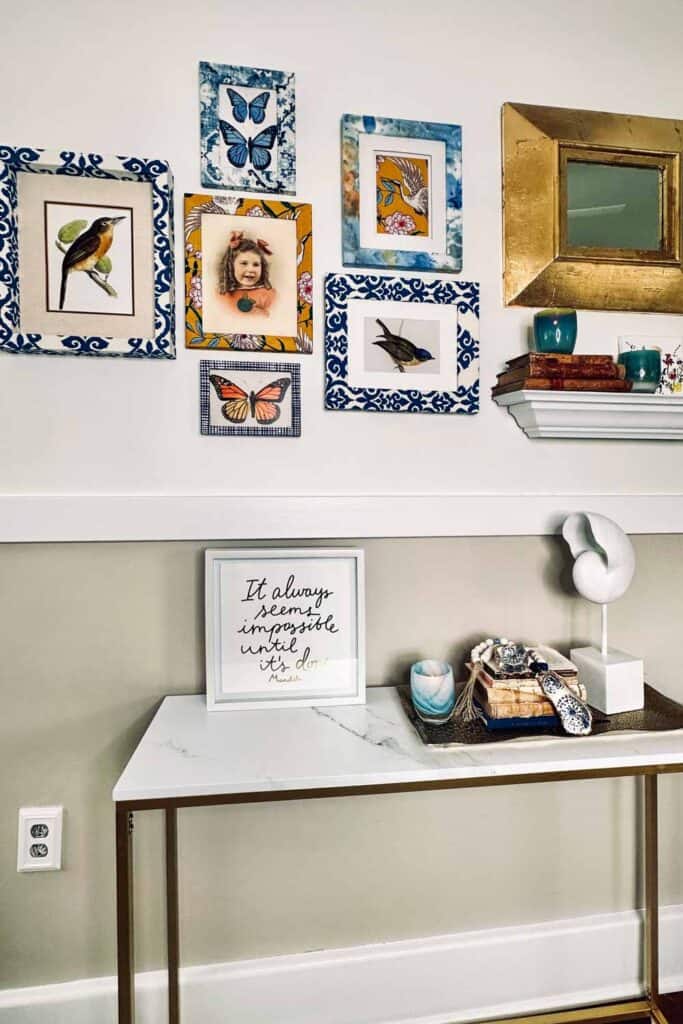
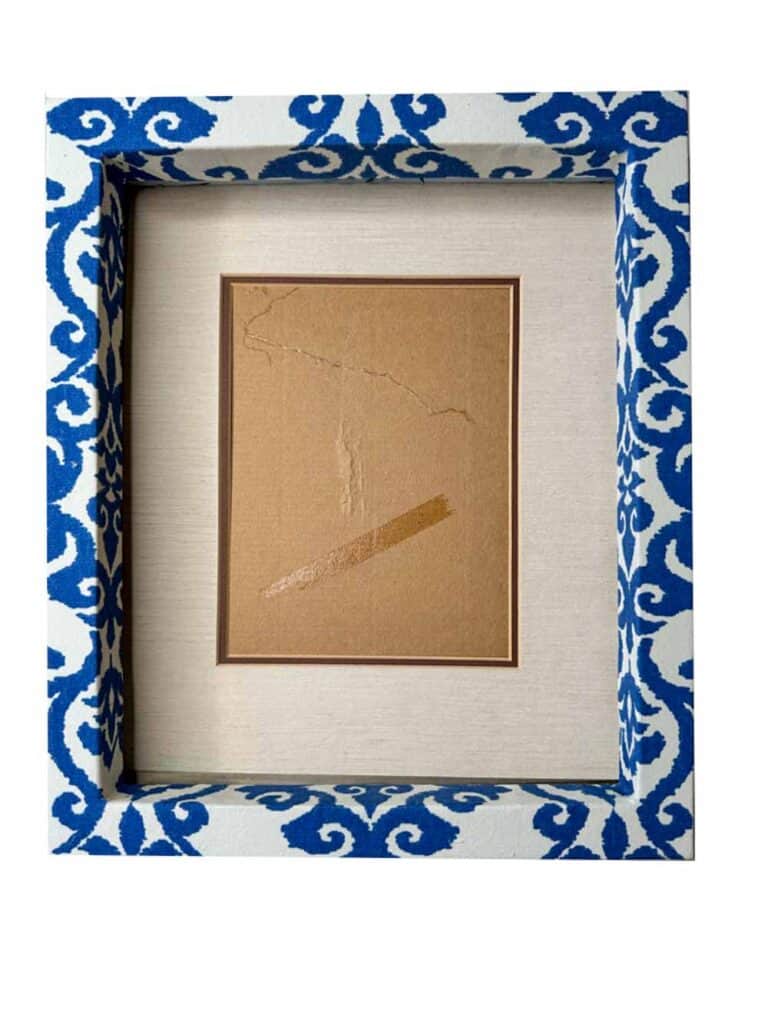
Using old fabric scraps and a dress I found at some of my favorite secondhand shops, I created a beautiful feature wall in my office with these unique picture frames.
DIY Planted Chairs
03
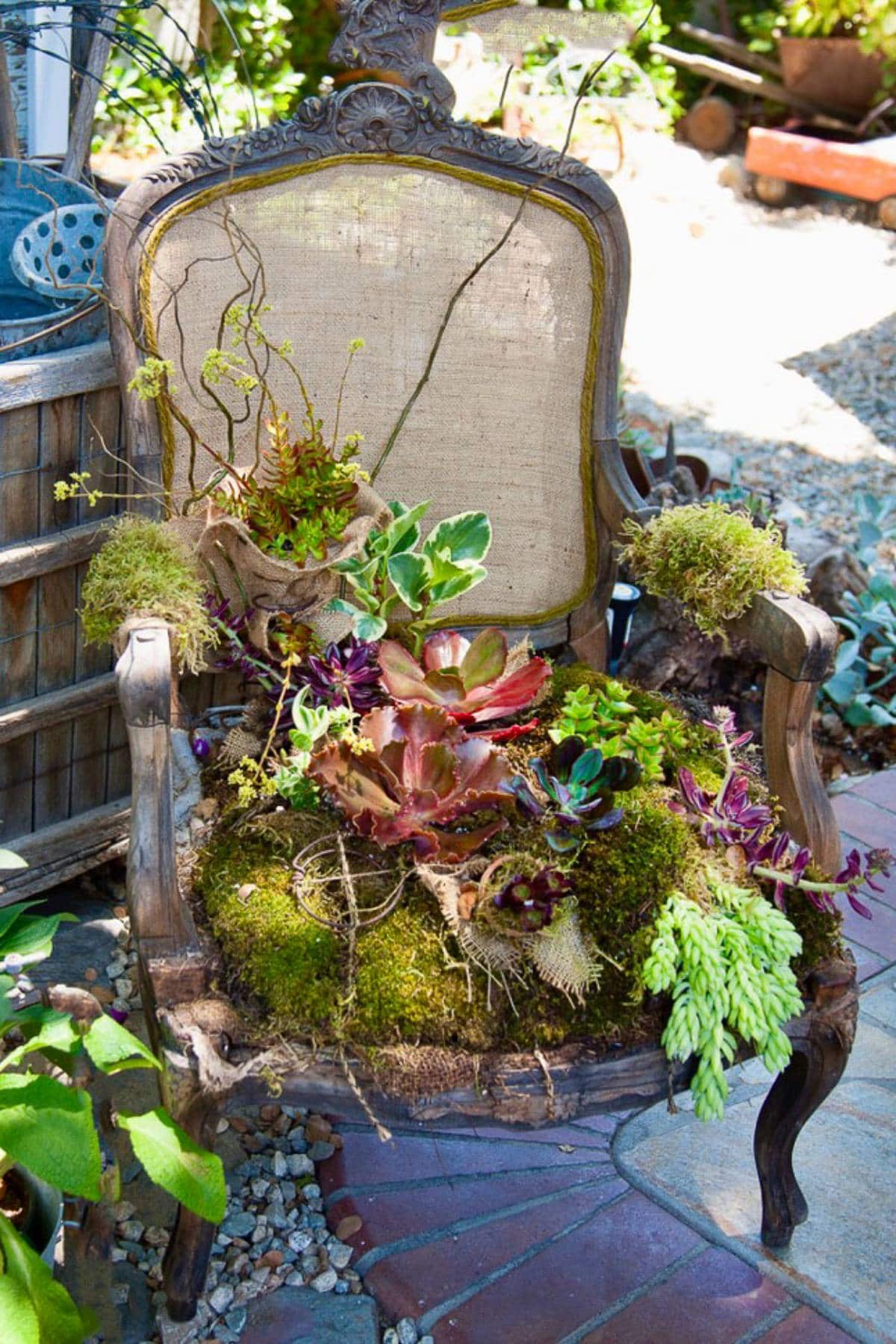
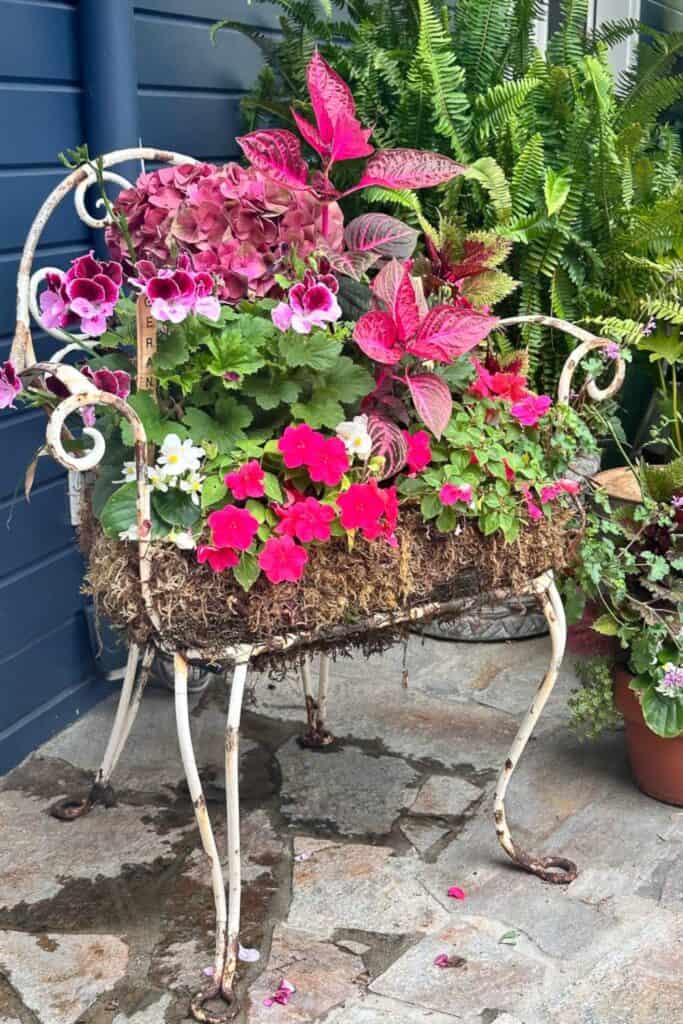
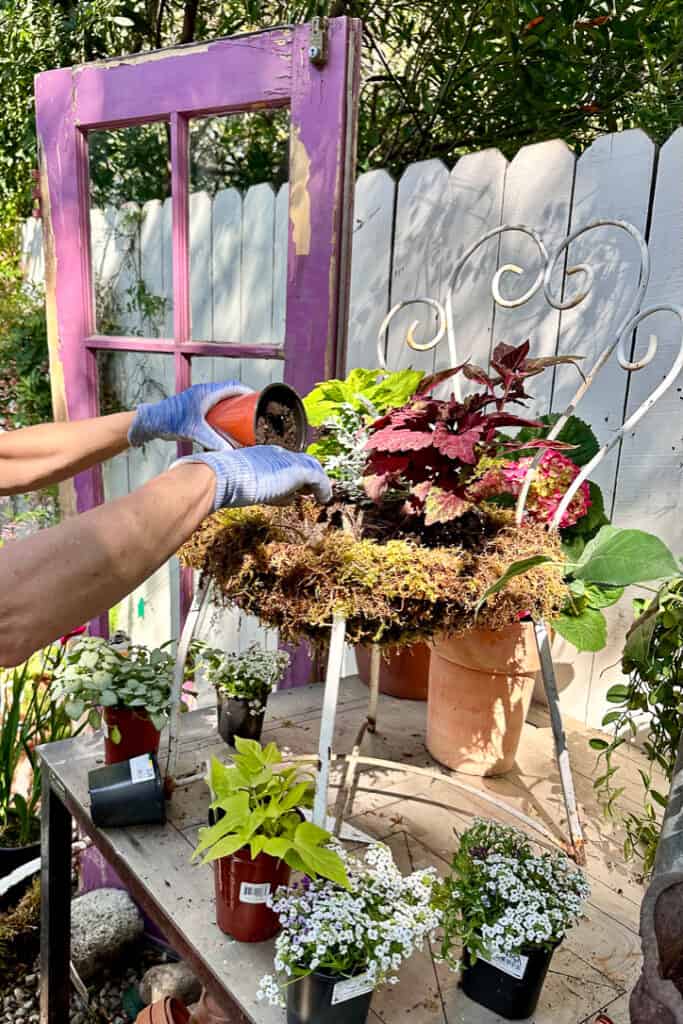
I love incorporating old chairs into my garden. Whether they’re metal or wood, I’ve used them all. Find an old chair, create a planting base, and watch it become a charming garden feature.
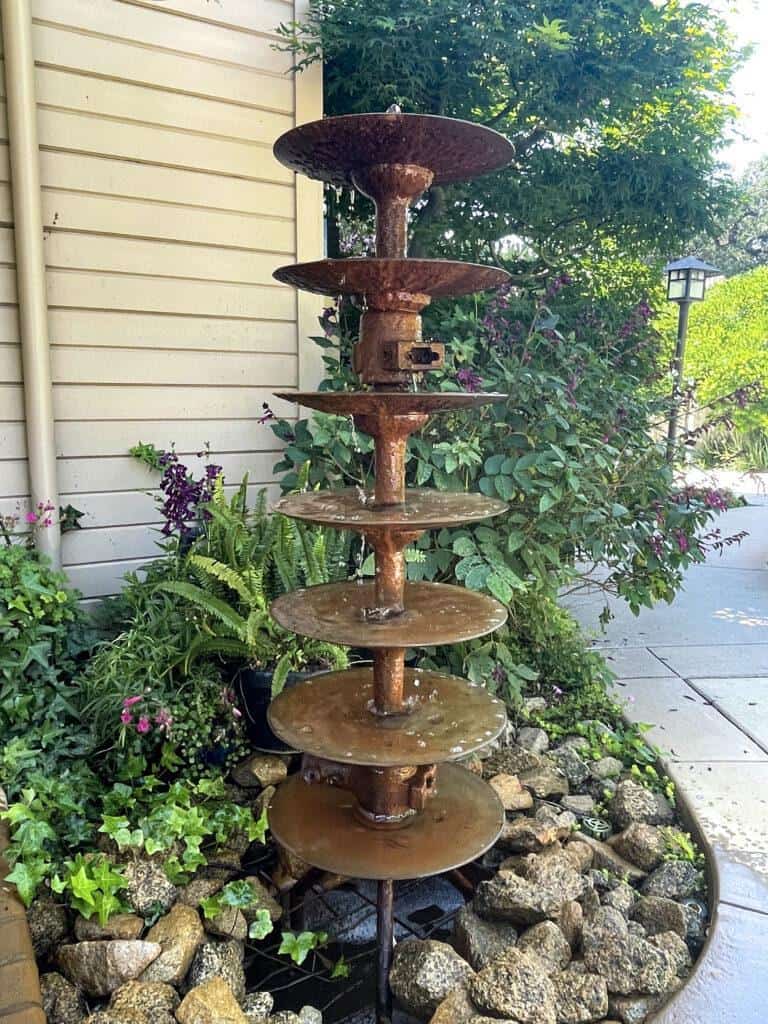
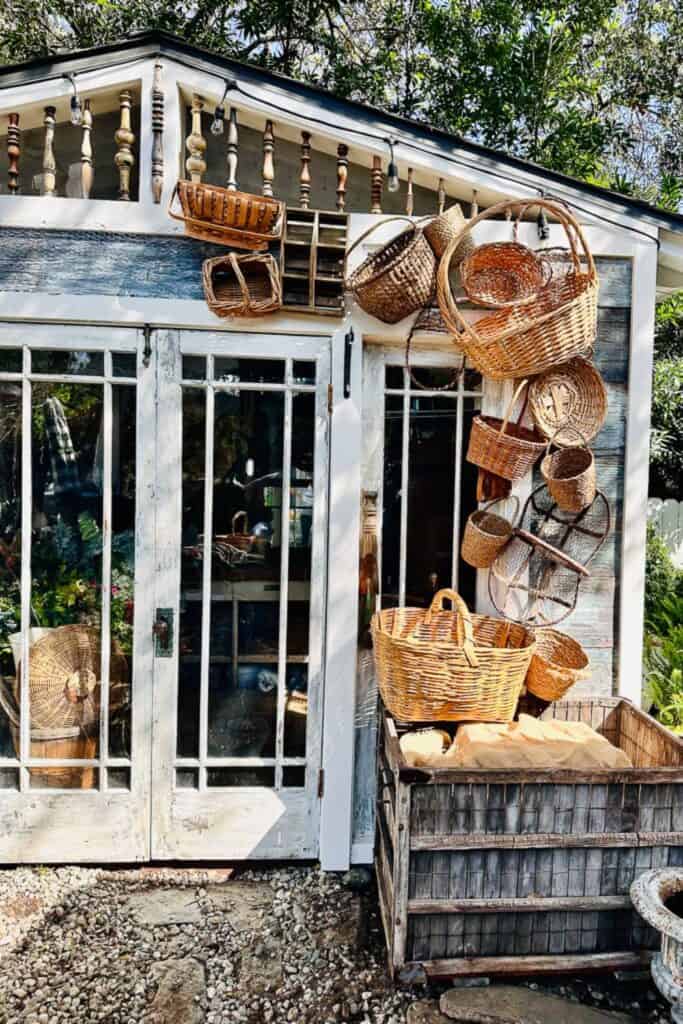
Thrifted Baskets
05
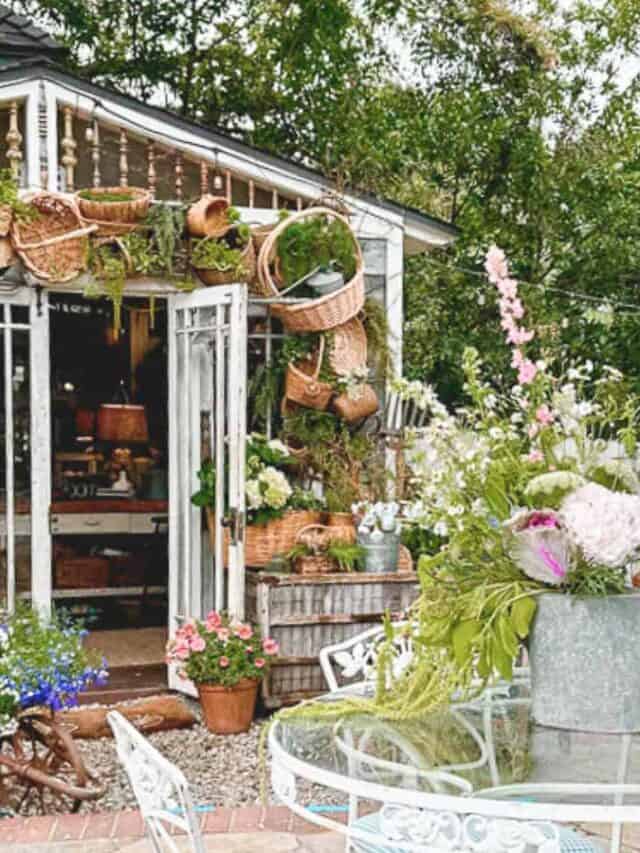
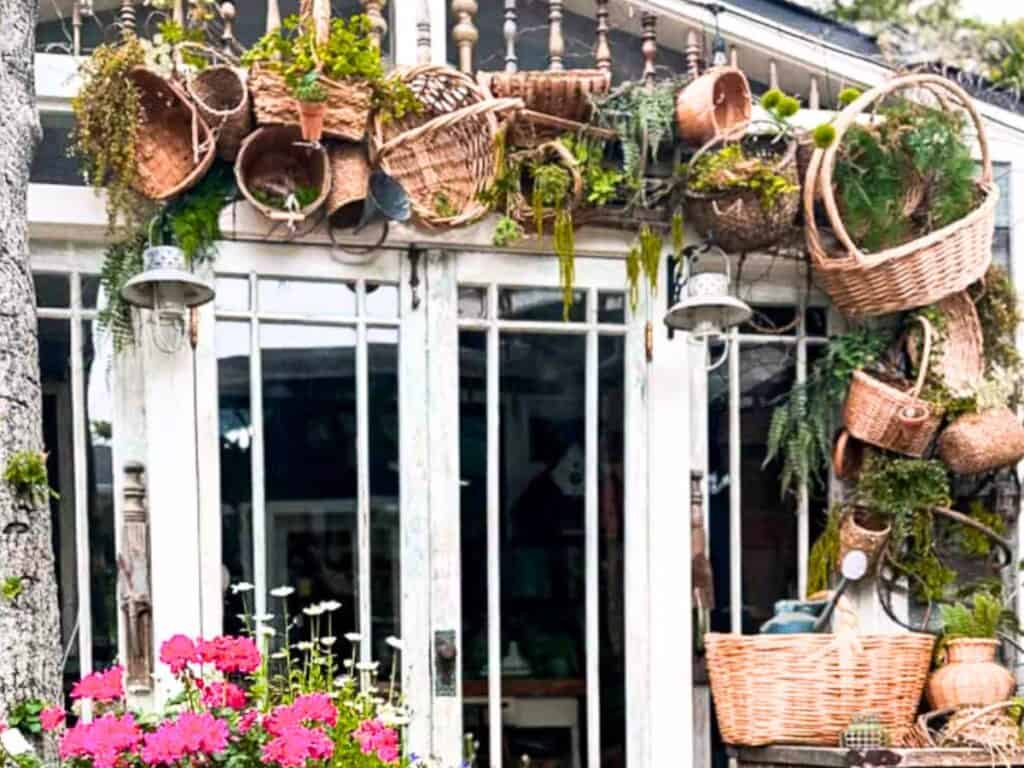
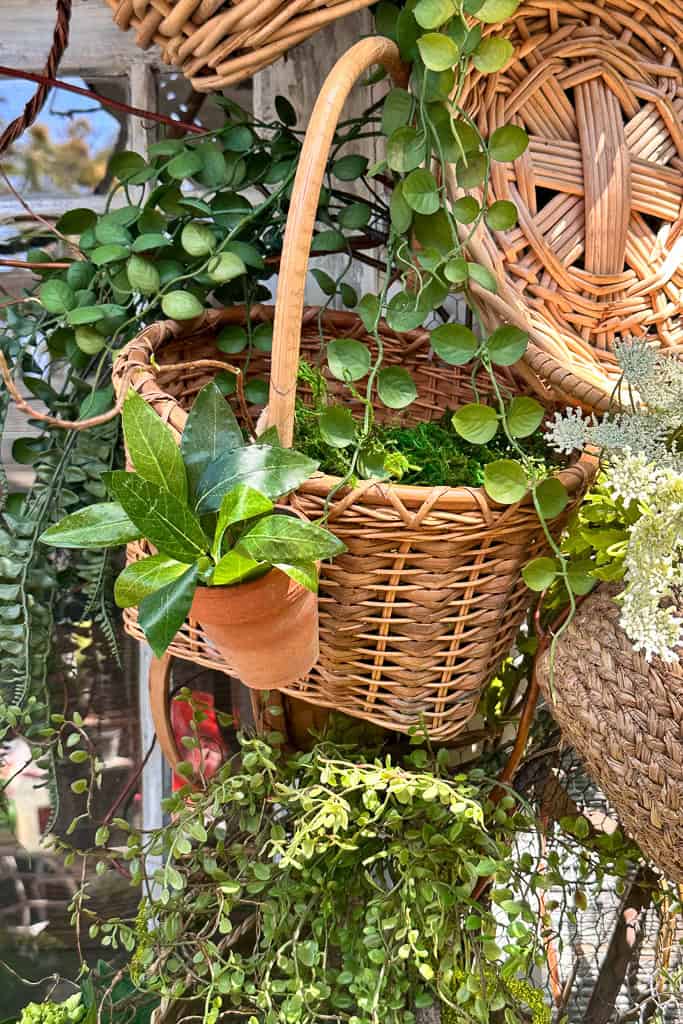
Over the course of a year, I collected baskets and used them to create a charming archway over the doors of my she shed. Since I found them at such low prices, I wasn’t concerned about exposing them to the outdoor elements.
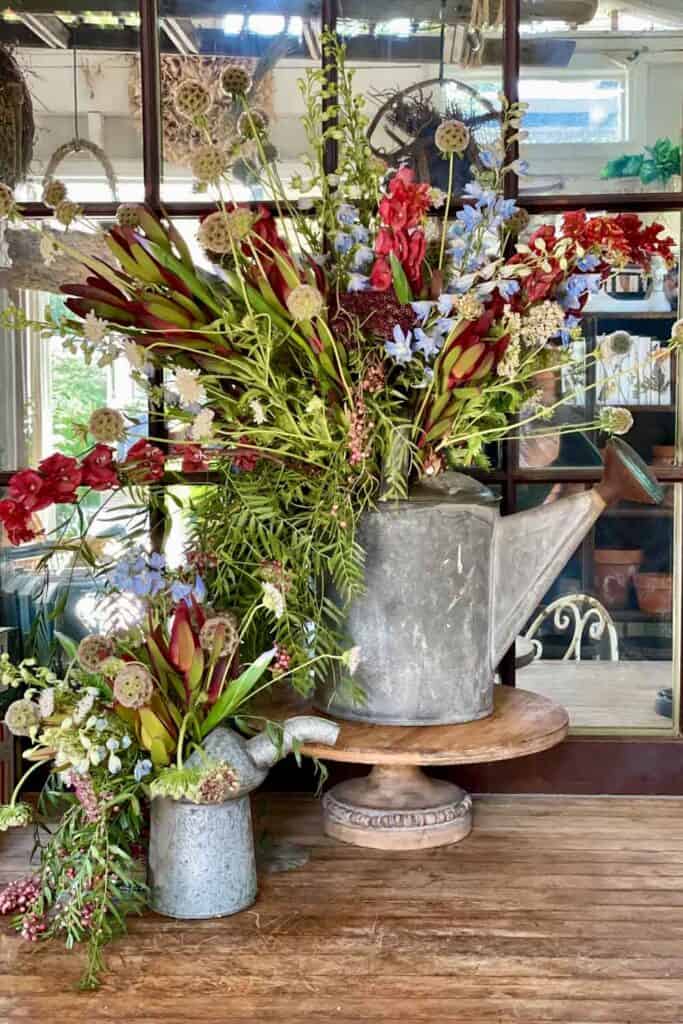
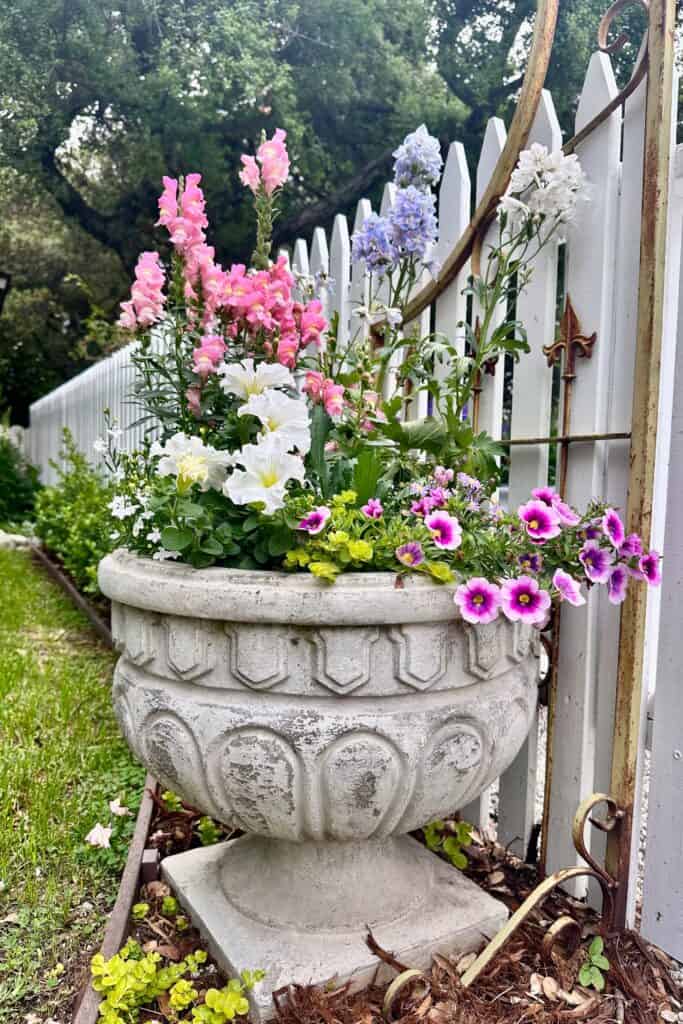
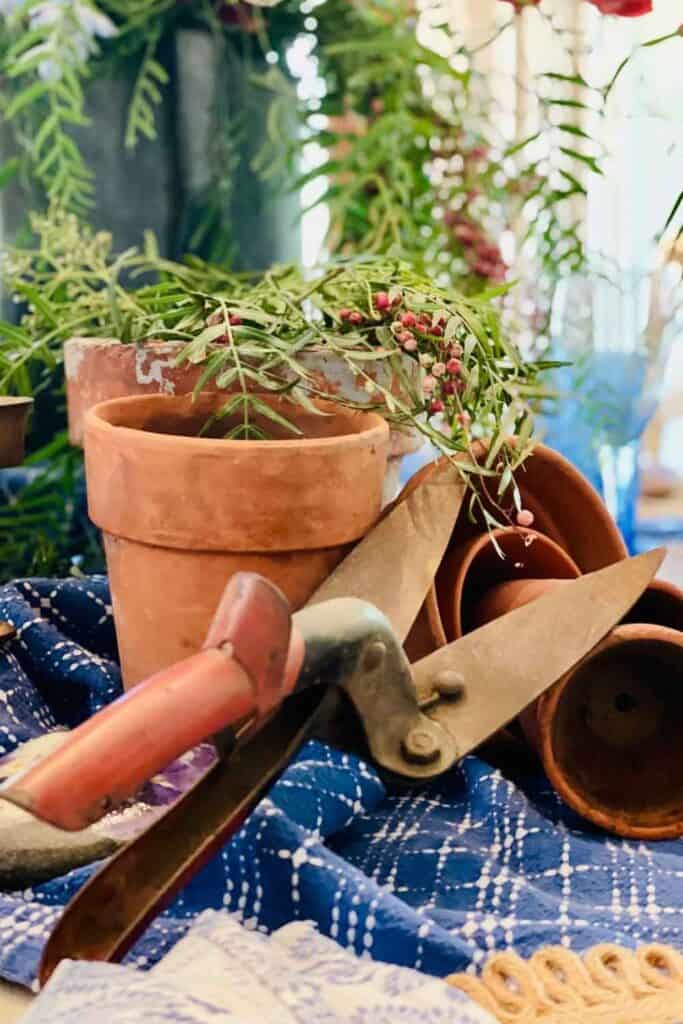
Vintage Flower Containers and Clay Pots
06
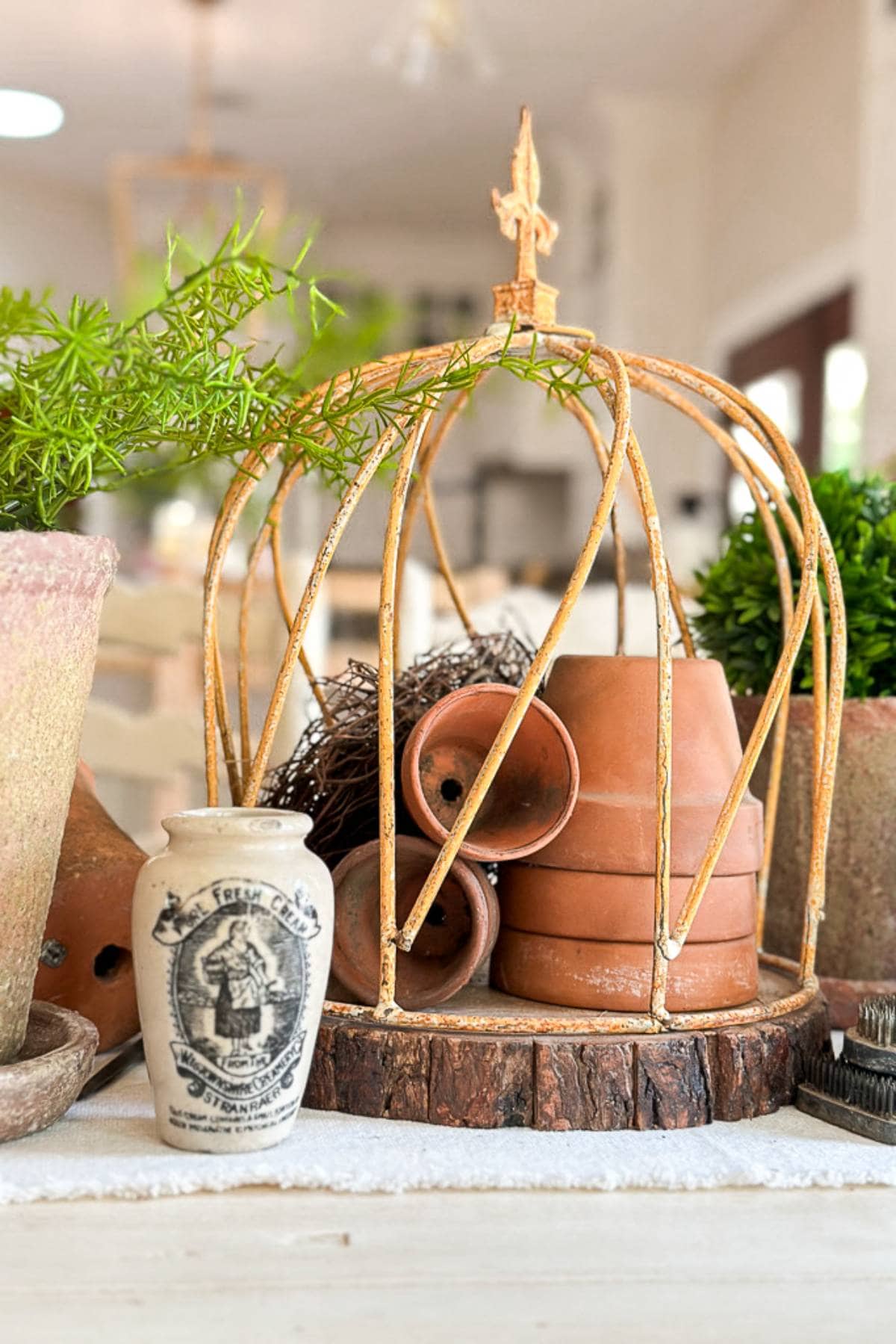
I have a passion for flowers and am always looking for trendy pieces to use as vases or flower containers. I’m also a fan of clay pots and enjoy collecting them to display under my garden bench.
DIY Fabric Pumpkins
07
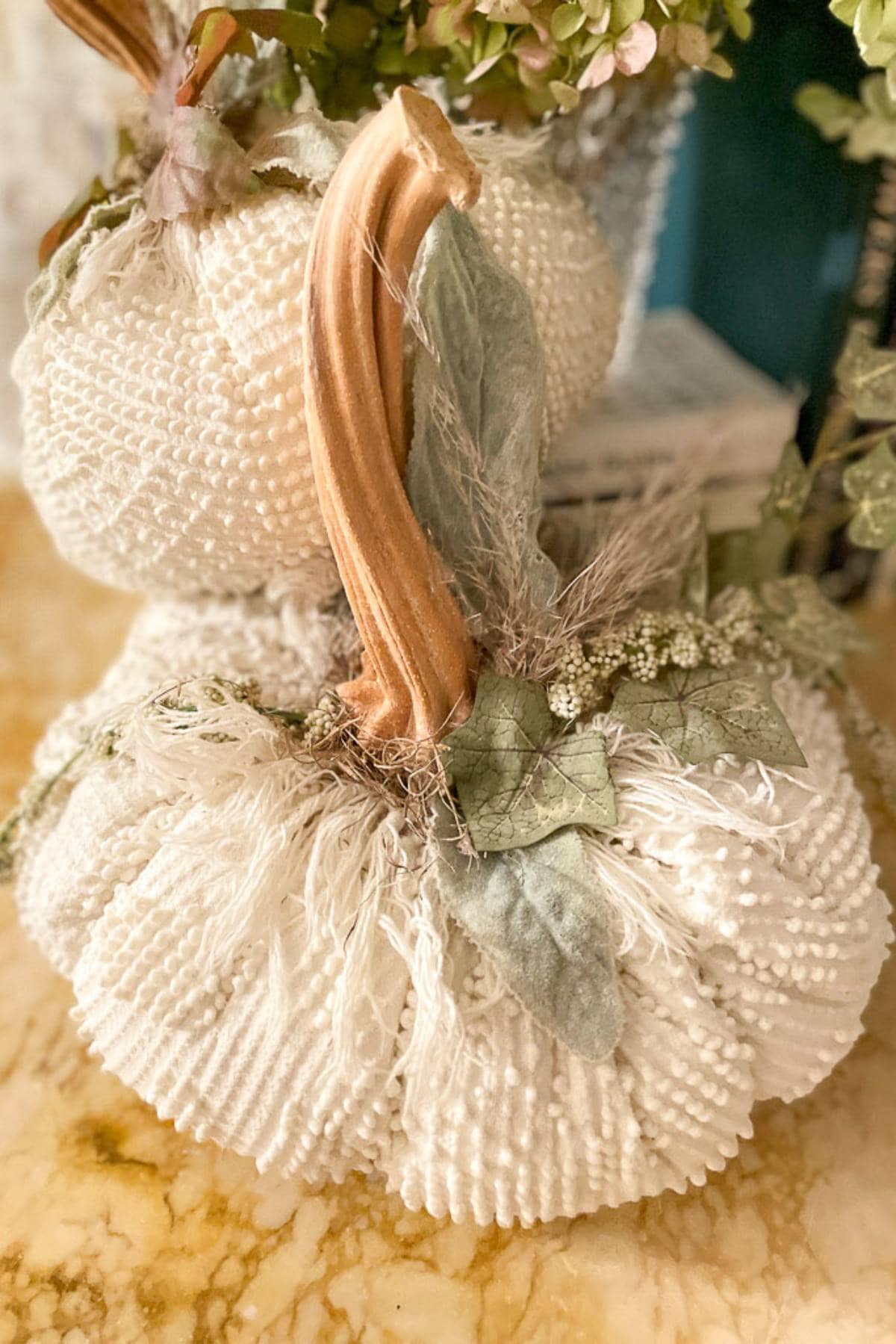
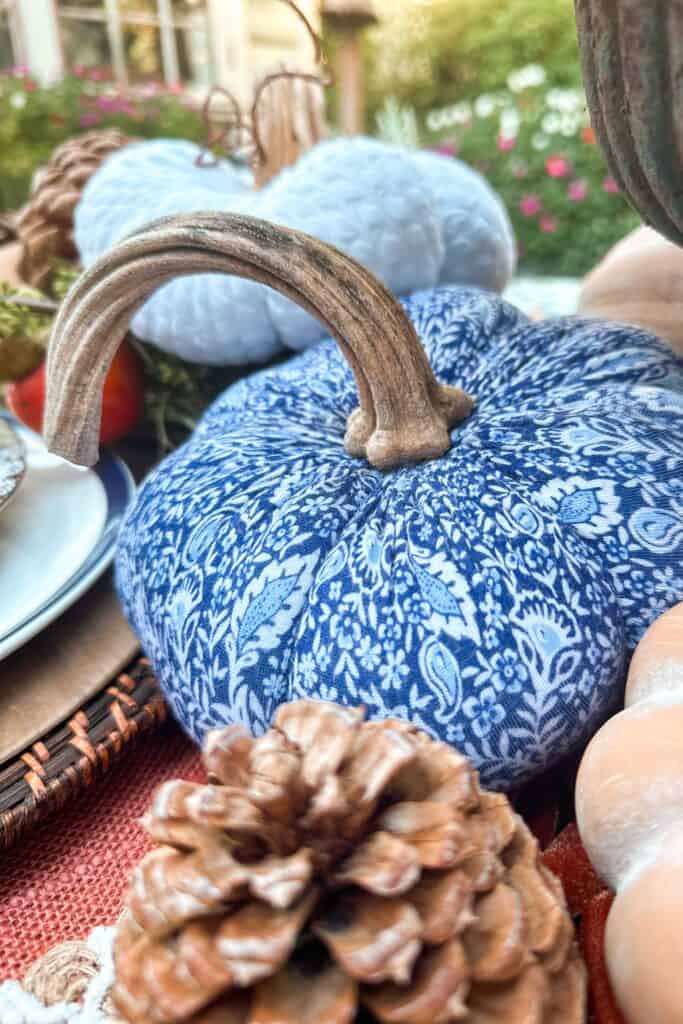
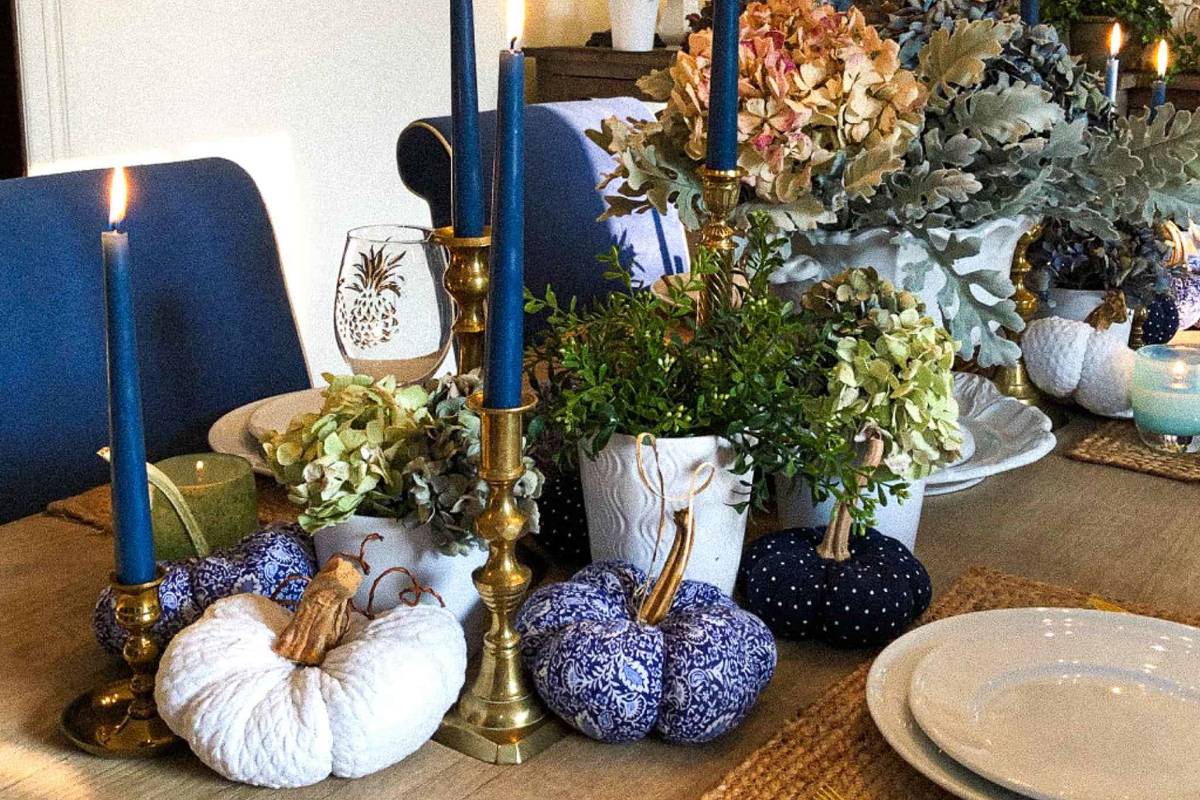
I found an old chenille bedspread, a robe, and a few nightgowns at great thrift store prices and transformed them into these charming pumpkins.
More Thrifting Ideas and Inspiration from My Friends
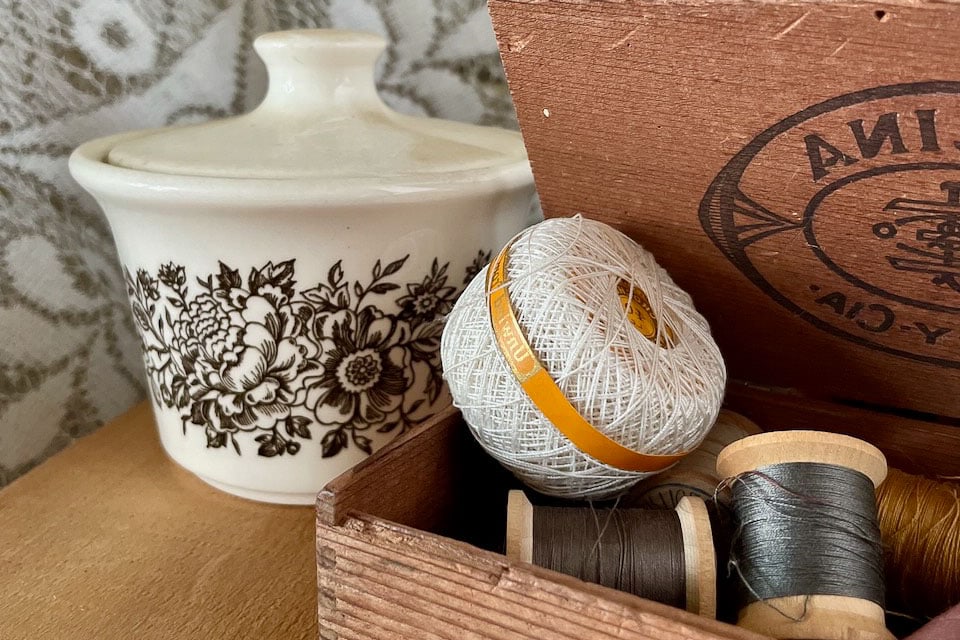
Looking for more thrifting tips for beginners? Be sure to check out my two friends, Mary Jo and Rachel. They are thrifting pros, so be sure to see what they have discovered on their thrifting adventures! Visit their blogs and social channels to explore all the exciting treasures they’ve found.

Final Thoughts
I hope these thrifting tips for beginners inspire you to shop with confidence, enjoy the hunt, and create something truly special from secondhand finds.

More about me!

Hello, I’m Wendy – a dedicated homemaker with a deep passion for decorating, gardening, cooking, and crafting. I find joy in harmonizing beautiful elements to fashion a space that is both comfortable and inspiring. I will help you create a beautiful home, one project at a time.
This was a great post for beginning thrifters. I was pleased to see that I had already incorporated a lot of your ideas into my thrifting! I love DIY-ing, silk flower/wreathe arrangements, making raffle baskets and Christmas ornaments for our church fair, and make dollhouse accessories so thrifting cloth, linens, baskets, silk flowers, craft items,etc. is essential to help my retiree budget. I love the thrill of the hunt and would rather thrift than go to Wal-Mart!
Love this Wendy! And the pic from Round Top — now that’s a treasure!!!
I love thrifting! There are so many wonderfully interesting things you can find. It’s a cool experience to see a glimpse into the previous owner’s life. Especially when the items are vintage. I have a very eclectic decor personality and I love all things pretty and unique. #HappyNow
I agree. There are always so many fun treasures!
I have zero experience thrifting, so this was very interesting to read! You’ve come up with some great items! Visiting from the Love Your Creativity linkup.
Great post Wendy! So many fabulous tips. Loved all your up-cycles at the end too. Great sharing with you today. XO- MaryJo
Such a well-done and informative post, Wendy!!
I am so happy you joined us this month to share your thrifting expertise with us all!
Your up-cycled projects are all just amazing and super creative.
Continued prayers for you and your fam!
Great tips! Thrifting is one of my favorite things!!
So many great tips!
I love thrifting, there are always so many interesting things that you can use as is or update to suit your style.
Have a great week Wendy.