

If you have a bowl of lemons on the counter and half of them are starting to look questionable, do not throw them out yet. A soft lemon is almost never a lost lemon.
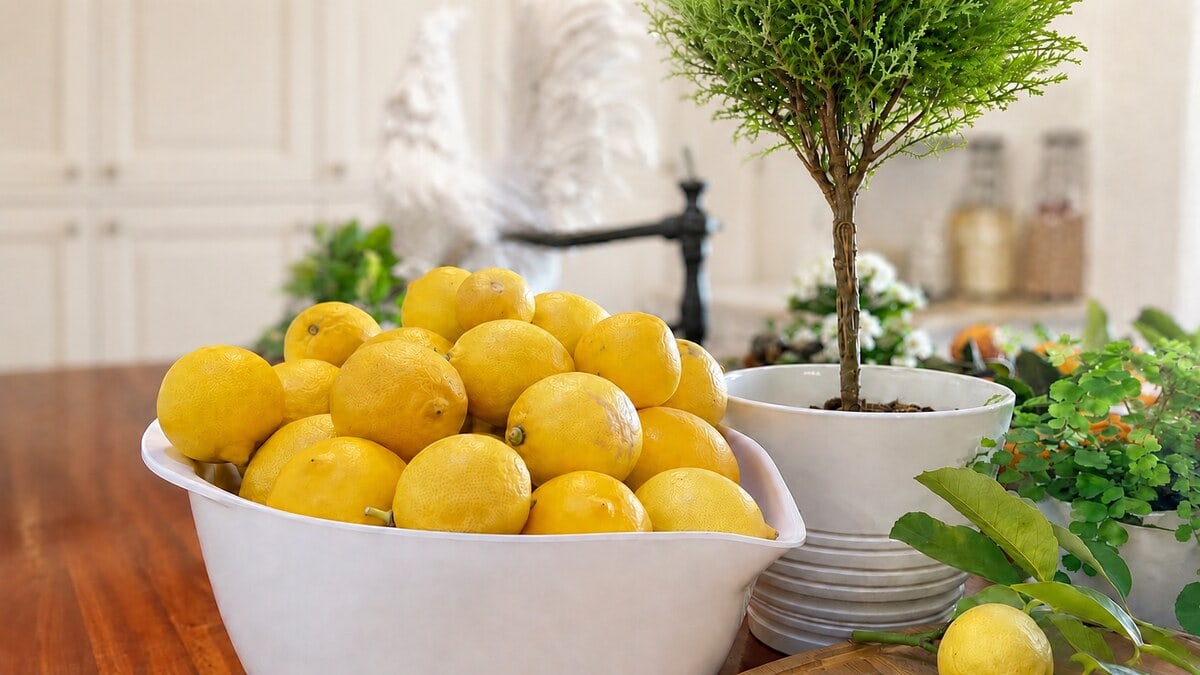
I live in Southern California with a tree that does not know when to quit. Some years I am giving lemons away by the bagful, and some years I am staring at a bowl of them wondering what on earth I am going to do before they turn. So this post is really two answers in one. First, how to tell whether a lemon has actually gone bad. Then 29 things to do with the ones that are still perfectly good, whether you have three or thirty.
Everything here is something I actually do, from the she-shed to the kitchen sink.
On my blog WM Design House, I may sometimes use affiliate links, which means a small commission is earned if you purchase via the link. The price will be the same whether you use the affiliate link or go directly to the vendor’s website using a non-affiliate link. Read my full disclosure policy here.
Table of contents
- How to tell if a lemon is bad
- What to do with a lot of lemons
- Make lemon juice ice cubes
- What to do with squeezed lemon halves
- Make a household cleaner out of lemon rinds
- My grandmother’s lemon sponges
- Can you put lemons in the compost?
- My Top Tips for Repurposing Old Lemons
- Frequently asked questions
- Wrapping it up
- Shop the Post for Supplies
- Other Posts for your Enjoyment
How to tell if a lemon is bad
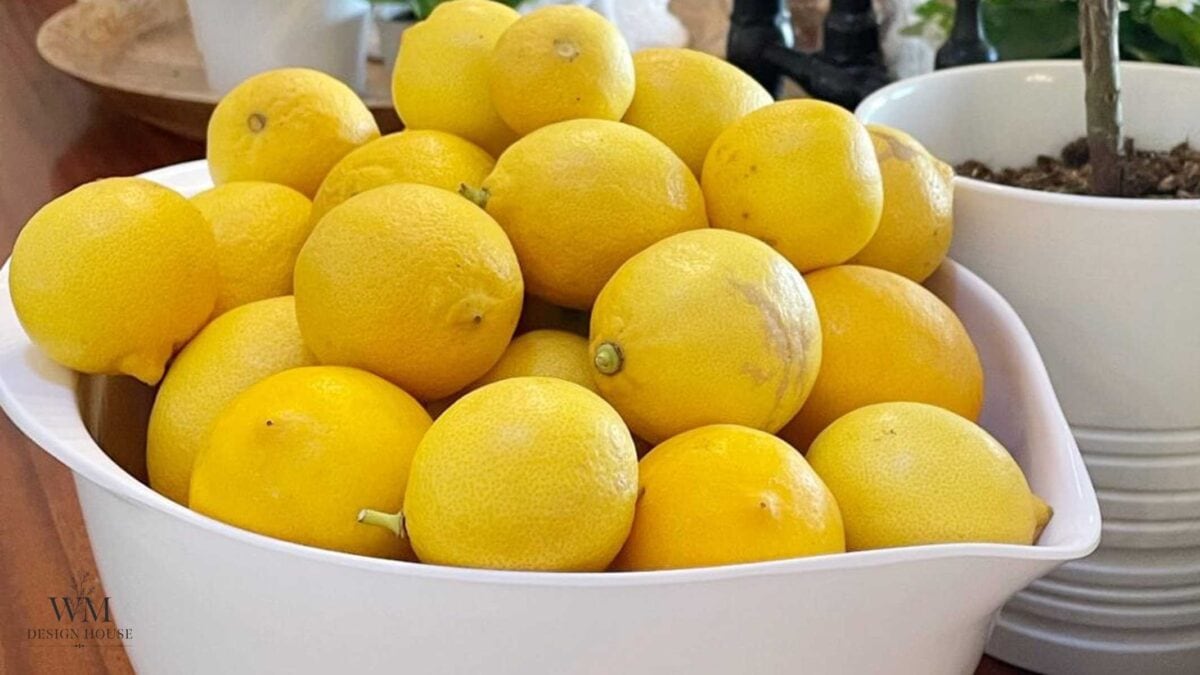
Check for a soft and mushy texture to determine if a lemon has spoiled.
Spoiled citrus often has a slimy exterior rather than a vibrant yellow peel. Additionally, they might look shriveled and crinkly or display a powdery, dusty coating in shades of gray, white, blue, or green.
Are soft lemons still good?
Usually, yes. A lemon that gives a little when you squeeze it is just a lemon that has lost some water. The juice inside is fine. In fact a softer lemon often juices more easily than a rock-hard one. Cut it open and look. If the flesh is pale yellow and smells like lemon, use it.
Are hard lemons still good?
A hard, dry, lightweight lemon has gone the other direction and lost most of its juice. It will not give you much in the way of liquid, but the peel is still good. Zest it, or use it for cleaning and for the vinegar cleaner below.
When to actually throw a lemon out
Toss it if you see fuzzy mold in any color, if the skin is slimy or weeping, or if it smells fermented or sour rather than bright. One moldy lemon in the bowl will take the others with it, so pull it out the moment you spot it.
What to do with a lot of lemons
When the tree goes wild or the neighbor drops off a bag, here is the whole list. Work down it and you will get through a bowl fast.
In the freezer and the pantry
- Squeeze the lemons and freeze the juice in ice cube trays
- Zest them before you juice them and freeze the zest in a jar
- Make a pitcher of real lemonade
- Make lemon simple syrup for drinks and iced tea
- Make lemon sugar for baking and for rimming glasses
- Dry the zest and stir it into kosher salt for lemon salt
- Preserve whole lemons in salt
- Candy the peel
- Steep peels in vodka for limoncello or homemade lemon extract
Baking
- Bake my grandmother’s lemon sponges (recipe below)
- Bake lemon ricotta cookies
- Bake a lemon bundt cake
- Make Meyer lemon curd with salted honey
- Make a lemon meringue tart



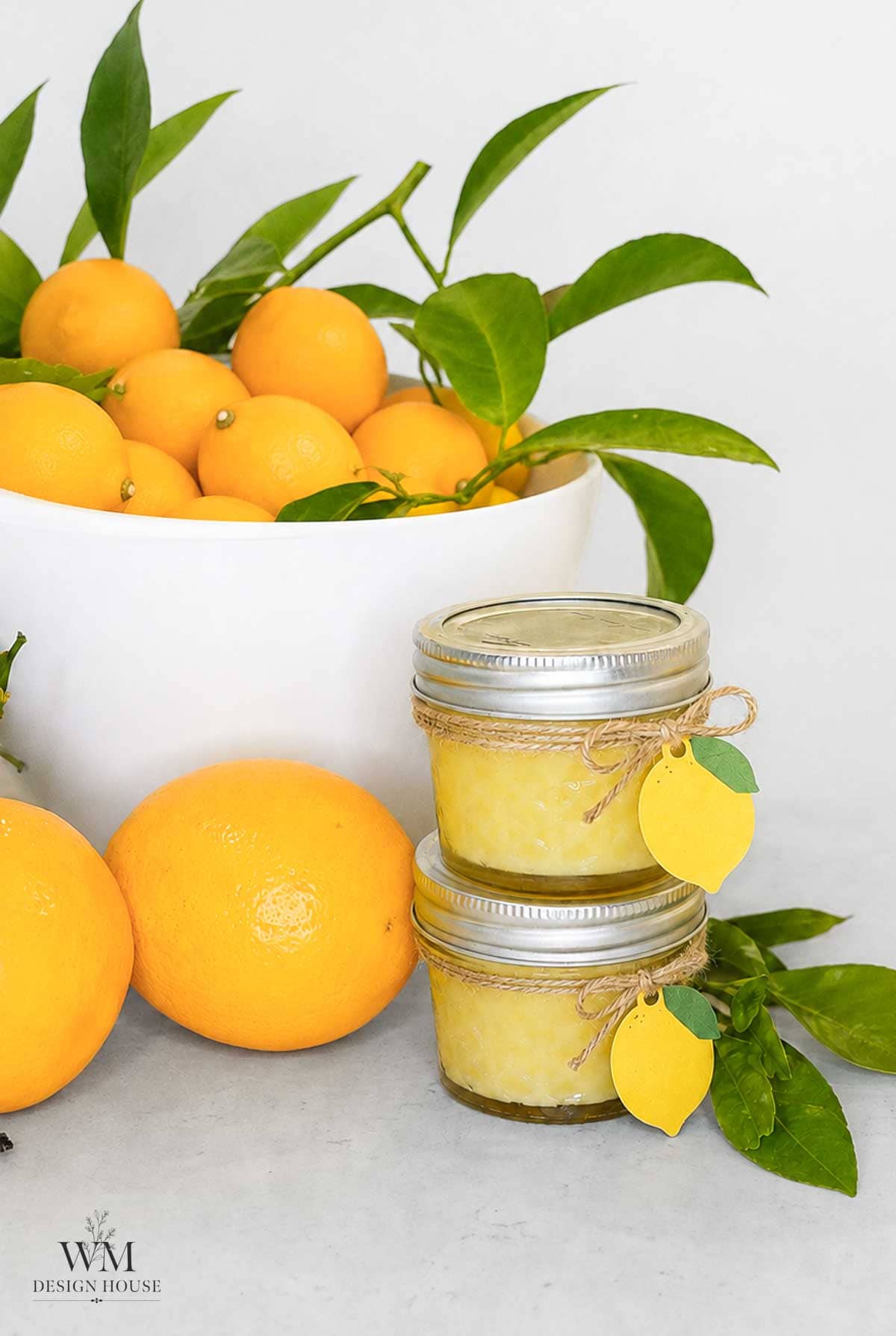
Cleaning
- Scrub a wood cutting board with a cut half and coarse salt
- Clear a cloudy blender with half a lemon, a drop of dish soap, baking soda and a little water
- Freshen the garbage disposal with peels and ice
- Steam clean the microwave with a halved lemon in a bowl of water
- Polish the kitchen sink until it shines
- Descale the kettle or coffee maker by simmering peels in water
- Make the vinegar and lemon rind all purpose cleaner (full instructions below)
- Make a lemon sugar scrub for the shower
- Rub a spent half on your hands to get rid of onion and garlic smell
- Simmer peels on the stove with rosemary and a cinnamon stick
- Chop the peels into the compost
Decorating
- Make a fresh lemon wreath
- Build a lemon centerpiece
- Make a vase lined with citrus slices
- Set a summer table with lemons


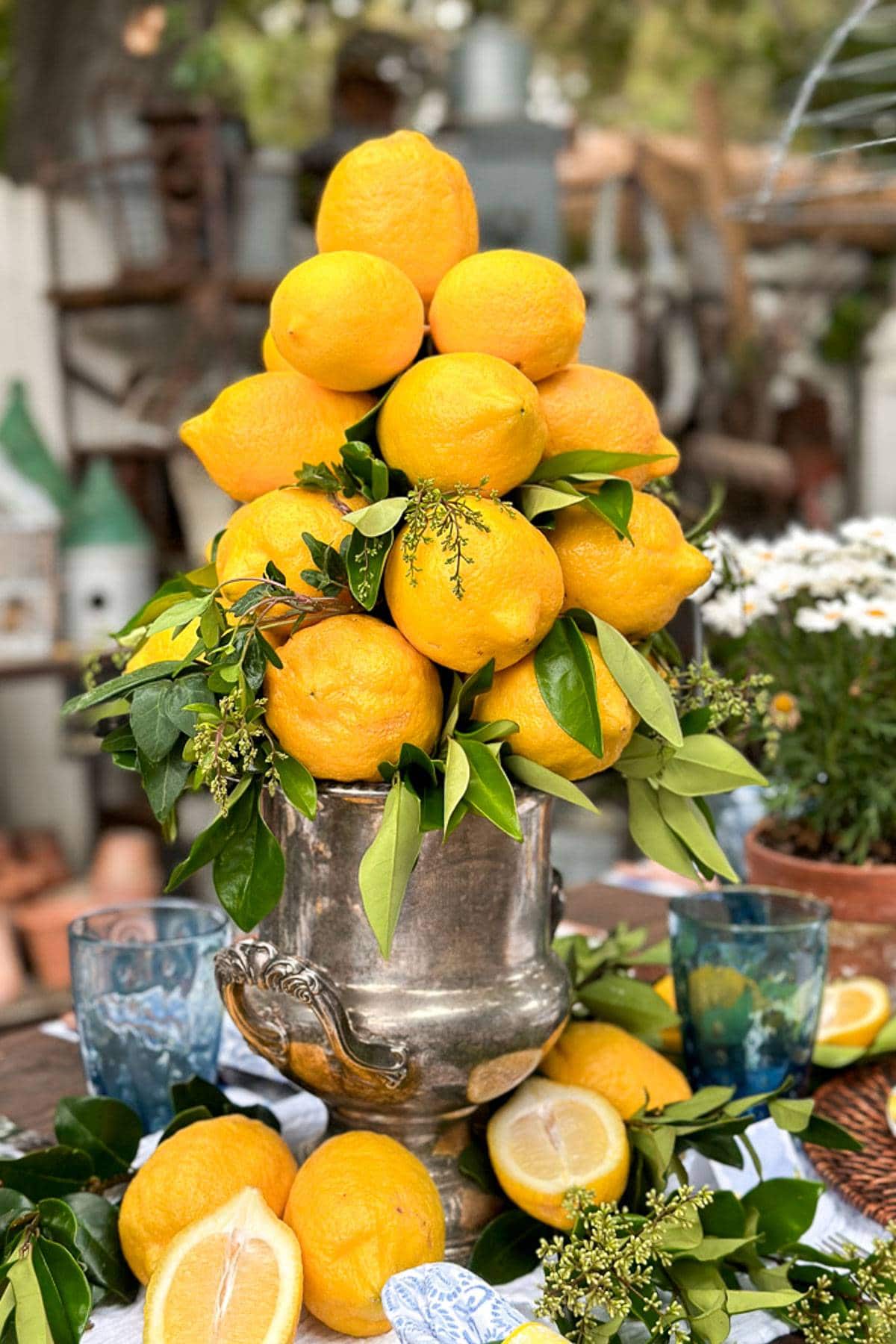

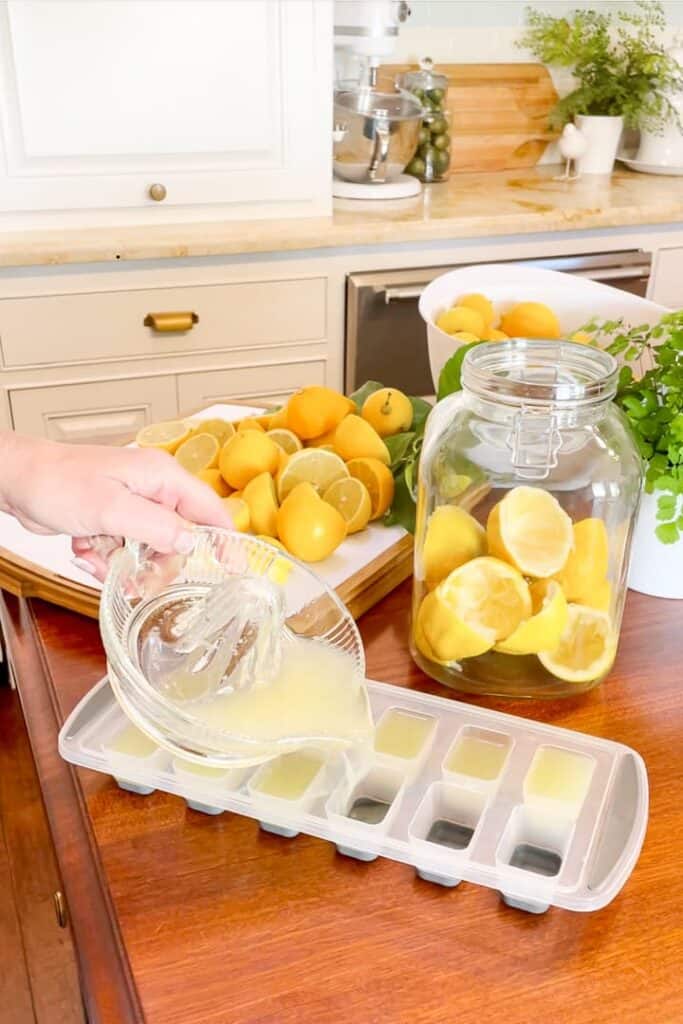
Make lemon juice ice cubes
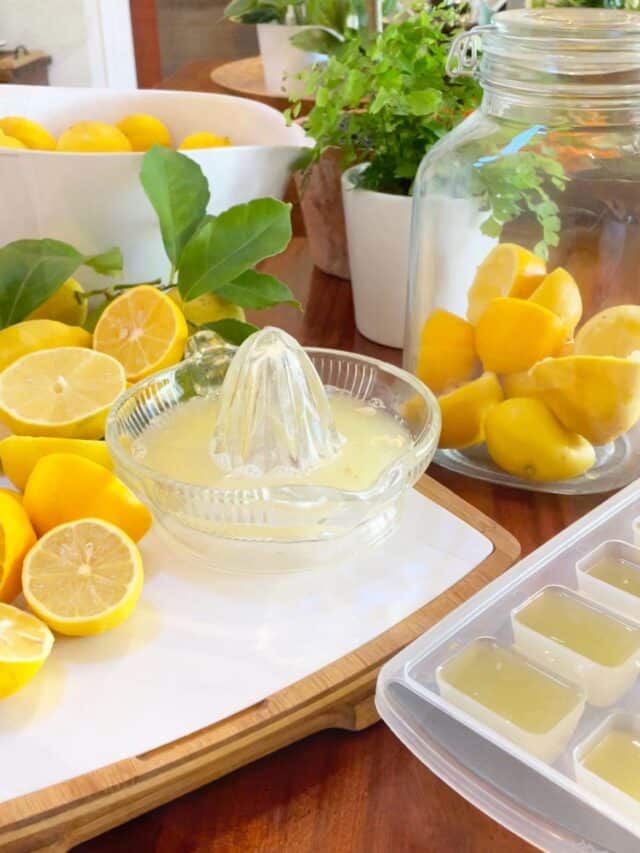
- Cut all of your lemons in half
- Squeeze them with a juicer
- Strain the juice to get rid of the seeds
- Pour the liquid into an ice cube tray and freeze
- Once frozen, put the frozen juice cubes into a baggie to store
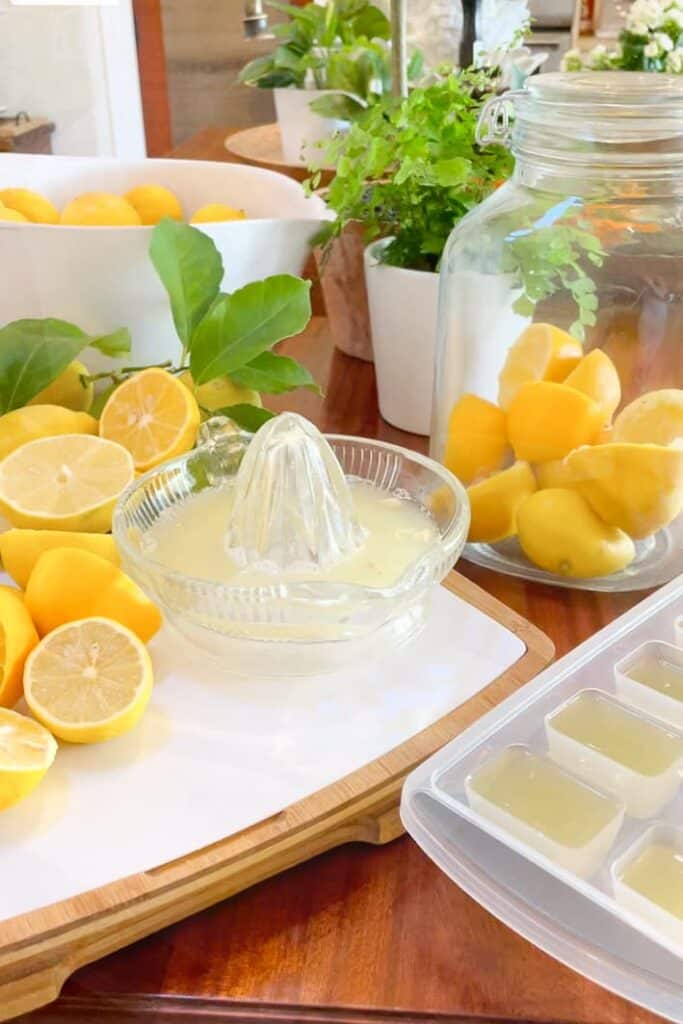
Tip from wendy:
Be sure not to cut the lemons on a marble surface, as the citrus juice will etch the marble.
What to do with squeezed lemon halves
Do not throw the halves away once you have juiced them. There is still a lot of work left in that peel.
- Pack them into a jar with vinegar for the cleaner below
- Rub one over the kitchen sink, then rinse, for an easy shine
- Drop a half in a bowl of water and microwave for three minutes to loosen everything inside
- Scrub the cutting board with the cut side dipped in coarse salt
- Rub one over your hands after chopping onions or garlic
- Freeze them for the garbage disposal
- Toss the last of them in the compost
Tip from wendy:
Keep a small bowl by the sink and drop your spent halves into it as you cook. When it fills up, you have enough to start a jar of cleaner.
Make a household cleaner out of lemon rinds
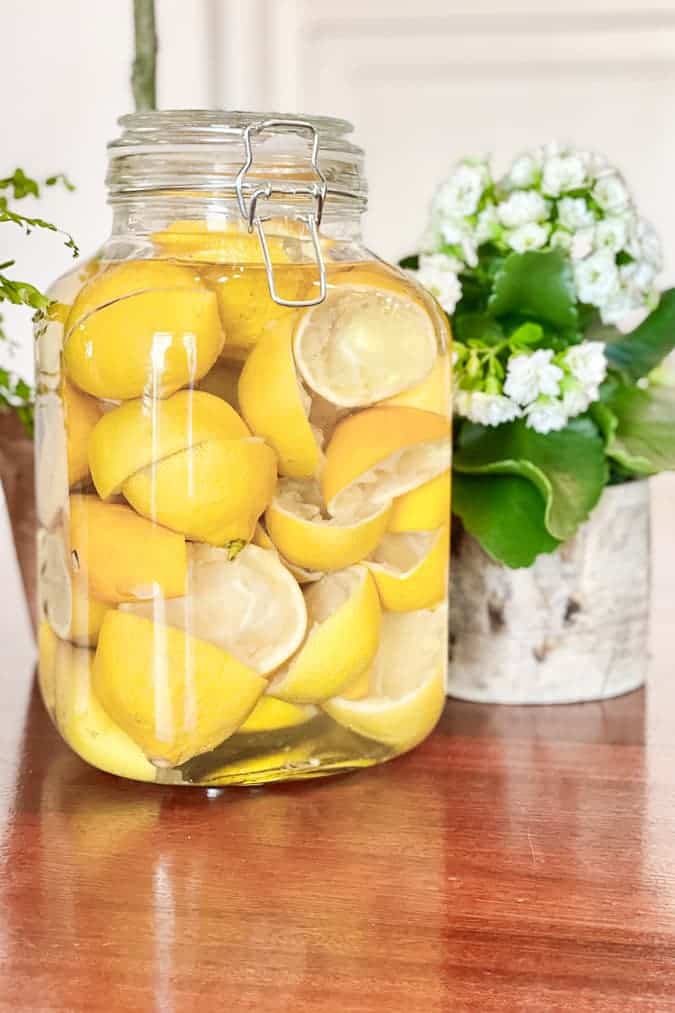
Supplies needed
- One one-gallon glass jar
- a few dozen rinds ( I used the rinds of the lemons I had used to make my juice cubes)
- White distilled Vinegar, enough to cover all of the rinds in the jar
- Liquid Castile Soap (unscented)
- Citrus Essential Oil
- Water
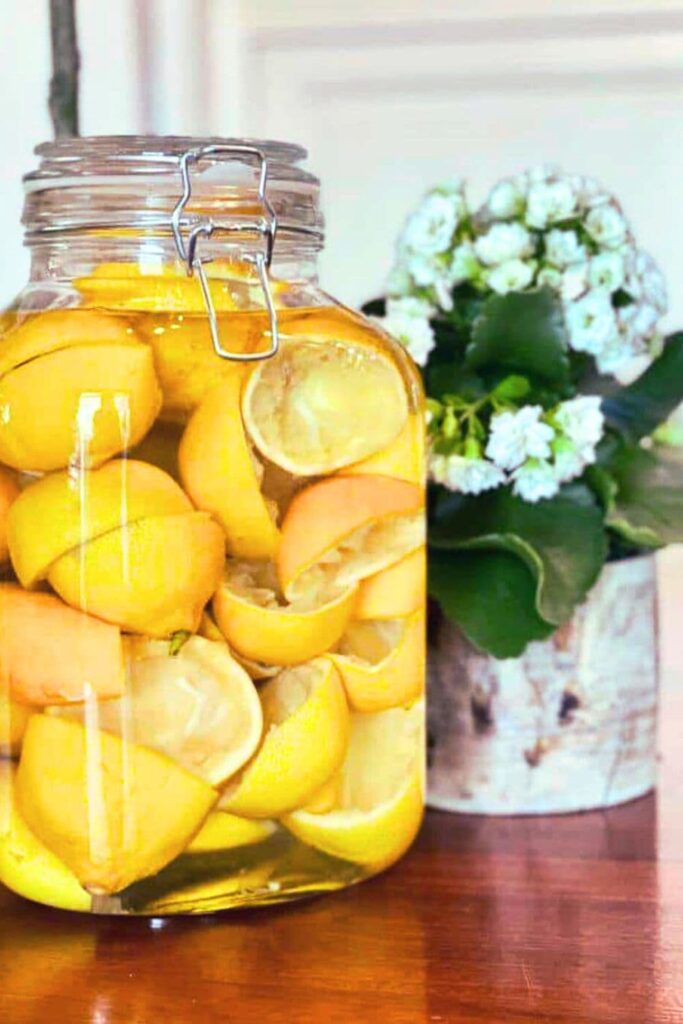
Pack the lemon half rinds into the jar and cover with white vinegar. Set in a sunny spot for two to three weeks. They look so pretty in the jar, so I left mine in a sunny spot on the kitchen counter.
Making a DIY lemon cleaner
- Strain the vinegar, and discard the peels.
- Pour 1/2 cup of the vinegar mixture into a spray bottle. Add in two cups of water, one teaspoon of Castile soap, and 15 drops of lemon essential oil (this is optional).
- Shake the mixture well, spray onto the surface and wipe clean with a dry cloth.
Do NOT use this cleaner on natural marble, stone countertops, or stone tile.
My grandmother’s lemon sponges
This is an old family recipe. When my grandmother passed away, my sister gathered all of her recipes and put them together into a book for the family. I was in my teens and I do not think I understood what she had done. I cherish that book now. Her handwriting has faded, and it is a little hard to read in places, but it is one of my favorite things in the house.
These are the reason I never let a bowl of lemons go to waste. As they bake the batter separates on its own, so you get a light sponge on top and a lemon custard underneath. They look beautiful coming to the table and they are far easier than they appear.


Lemon Sponges
Equipment
- 6 3-4" ceramic ramekins
- 1 Set measuring spoons
- 1 measuring cup
- 1 Mixer
- 2 Mixing bowls
Ingredients
- 1 tablespoon butter
- 1 cup sugar
- 2 tablespoons cornstarch
- 3 medium eggs separated
- 1 1/2 lemons, juice and zest juiced and zested
- 1 1/2 cups milk

Instructions
- Preheat the oven to 350 degrees and butter six 4-inch ramekins.
- Cream the butter and sugar together, then stir in the cornstarch.
- Beat the egg yolks and add them to the butter and sugar mixture.
- Add the juice and the finely grated zest of 1 1/2 lemons.
- Stir in the milk. The batter will look thin. That is correct.
- Beat the egg whites until stiff and fold them gently into the mixture.
- Fill the ramekins about halfway.
- Set the ramekins in a deep pan and pour hot water around them, halfway up the sides.
- Bake about 30 minutes, until the tops are light brown and spring back when touched.
- Remove from the water bath and cool completely, then chill for a few hours before serving.
Can you put lemons in the compost?
Yes, in moderation. Chop the peels up small so they break down faster, and keep citrus to a small share of the pile so you do not throw off the acidity. Skip it entirely if you are running a worm bin, since worms will not touch citrus.
Whole peels are also useful straight in the garden. Tuck them along a bed to discourage cats and ants, or rub a cut half over garden shears to lift sap and surface rust.
Have you ever had those ‘aha’ moments mid-project and thought, “I wish I knew that before I started”?
Me too!
Below are a few tips and tricks that worked for me while repurposing my lemons.
My Top Tips for Repurposing Old Lemons
TIP 1: Maximize the Lemon’s Potential Across Your Home
Utilize every part of the lemon. Juice the fruit for use in recipes, ice cubes, or cleaners, zest the peel for baking and cooking, and use the leftover peels for air fresheners or decorative elements. This approach ensures you’re extracting every bit of value from the citrus, minimizing waste and maximizing utility.
TIP 2: Embrace Lemons as a Creative Element in Home Decor
Lemons can bring a fresh and vibrant touch to home decor, not just through their scent but also through their visual appeal. Incorporating slices into flower arrangements or creating a fresh lemon wreath can add a burst of color and a touch of nature-inspired freshness to any space. These decorative uses also serve a dual purpose by subtly scenting the room with a citrus aroma, enhancing the ambiance with both visual and aromatic elements. This approach encourages looking at old citrus not as waste, but as an opportunity to add beauty and freshness to your living environment.
Frequently asked questions
A lemon that is simply soft or shriveled will not hurt you. Mold is the real concern. Because citrus has a thin, porous skin, mold spreads deeper than what you can see, so do not cut around it the way you might with a hard cheese. Throw the whole lemon out.
About a week on the counter and three to four weeks in the refrigerator. Store them in a sealed bag in the crisper and they will hold even longer. Cut lemons should be wrapped and used within three or four days.
You can. Freeze them whole in a bag and they will keep for months. The texture will not survive, so do not plan to slice them for a drink, but they grate beautifully straight from frozen and are wonderful for zest and juice.
Bottled juice is shelf stable and unopened bottles are generally fine past the date. Once opened, use within a few weeks and keep it refrigerated. One exception matters: if you are canning, always use bottled lemon juice within date, because canning depends on a guaranteed acidity level that fresh lemons do not reliably provide.
Yes. A green or partly green lemon is usually just underripe rather than bad. It will be more tart and slightly less juicy. Leave it on the counter for a few days and it will yellow up.
Wrapping it up
So when life gives you lemons, do not just make lemonade. Use them to create something new and wonderful that you would never have thought of before. Be creative and resourceful with your spent fruit. Thanks for reading, and I hope this post inspired you somehow. If so, please follow my blog for more daily inspiration.



Shop the Post for Supplies

Other Posts for your Enjoyment
-
Pumpkin Shaped Bundt Cake with Pumpkin Spice Latte Flavor
This pumpkin shaped bundt cake is two pumpkin spice bundt cakes stacked together and covered in a sweet glaze. It looks like it came from a bakery. It is surprisingly easy to make.
-
How to Make the Easiest Outdoor Pumpkin Topiary
Make an outdoor pumpkin topiary with painted buckets, a dowel, and cinnamon. Easy step by step DIY for a stack of pumpkins on the porch.
-
No Sew Fabric Pumpkins: Easy Neutral Pumpkin Decor Made with Fabric Squares
45 shares Facebook Pinterest Save Threads Learn how to make no sew fabric pumpkins with a foam pumpkin, a pile of fabric squares, and a knitting needle. There is no thread, no stitching, and no sewing machine. You simply poke each square into the pumpkin until it is covered in soft, ruffled fabric. This is…


I had no idea there were so many ideas for old lemons! Love every one. Thank you for sharing your amazing brain with us at Farmhouse Friday. I’m featuring it this weekend. pinned
Thank you Cindy. We are lucky to access to so much fresh citrus here in California. I love finding creative ways to use it!
Great ideas Wendy. Lemons are so yummy, whether it’s ice cubes or lemonade. Thanks for the tips. I am featuring your lemons at Love Your Creativity.
Thank you Linda. I agree with you. We love our lemons! Thank you for the feature. I sincerely appreciate it.
Oh my goodness, what great ideas to repurpose lemons. I’ve used lemons in cleaning before. You’ve got so many other uses for lemons.
Visiting today from SSPS 302 #54,55&56
Thank you, Paula. It’s truly amazing how many ways there are to use old lemons, isn’t it? We’re so lucky to have so much citrus here in California.
Wendy, such great ideas. I sometimes boil them in water with a little vanilla and have an amazing scent in the home. Wish I had a lemon tree like you. Your lemons are always such a great size.
Tammy, I love that idea. I will try that; I am sure it smells so good.
What great ideas! Saving the cleaner and ice cube tips. I didn’t know lemon etched marble. Great post!
Thank you, Leslie! Yes, lemon is very bad on marble.
I love all of these ideas! I really want to get a lemon tree, but I’m not sure how it would do in Texas.
I am unsure, Susan; you should check with the nursery.
Wendy, I love this post. I have made household cleaner in the past with lemon verbena from the garden, but not with actual lemons. Such a good idea. If you don’t mind, I’d love to share this on Saturday Meanderings or a blog post next week. You are the best!
Thank you, Mary. I’m sorry for being so late responding. I have had the hardest time keeping up lately with my other job.
It sure looked like your lemon event was a success.
Amazing ideas, Wendy!! Lemons are so pretty and useful for so many things!
They are oh so fresh!