
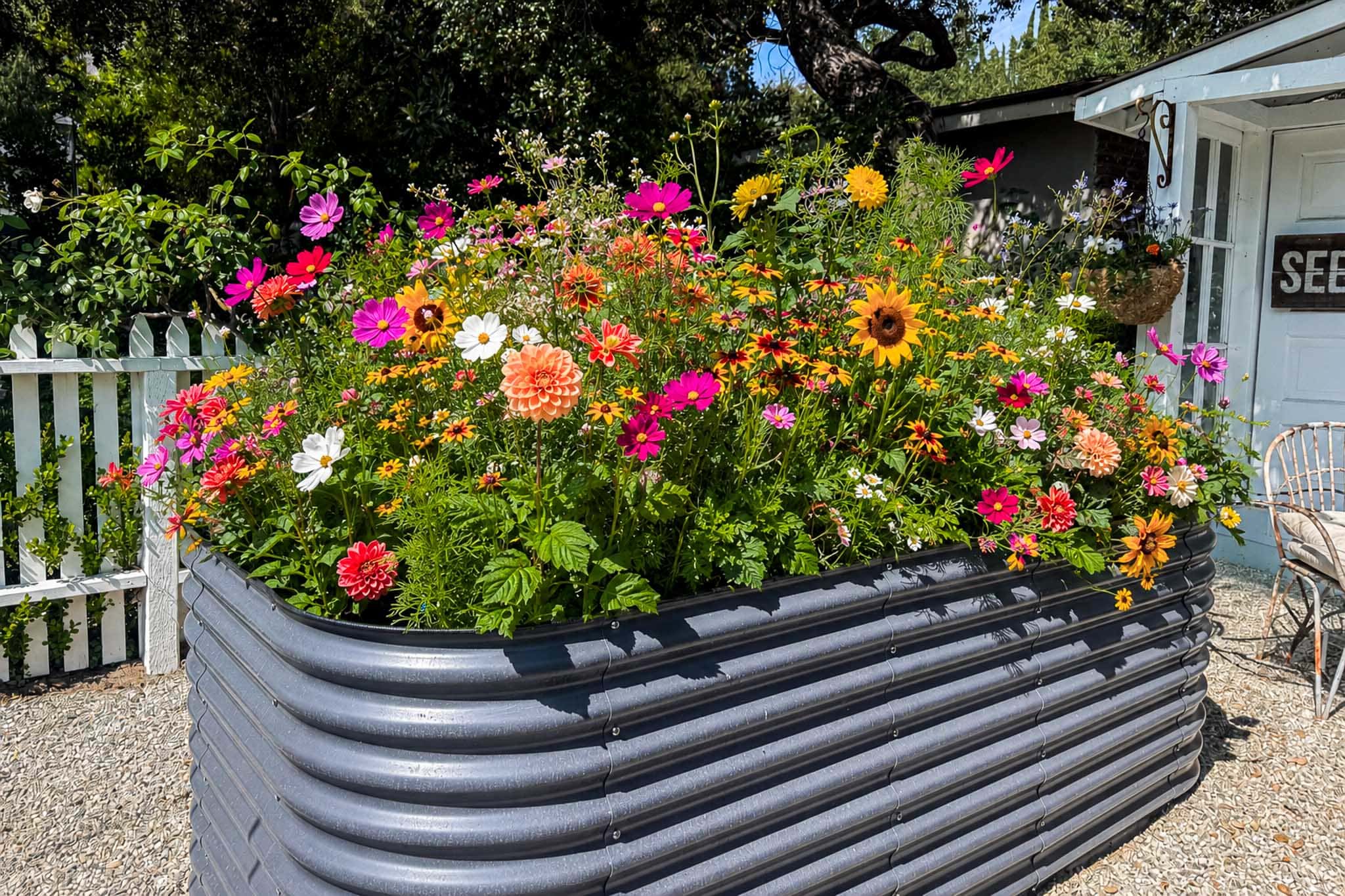
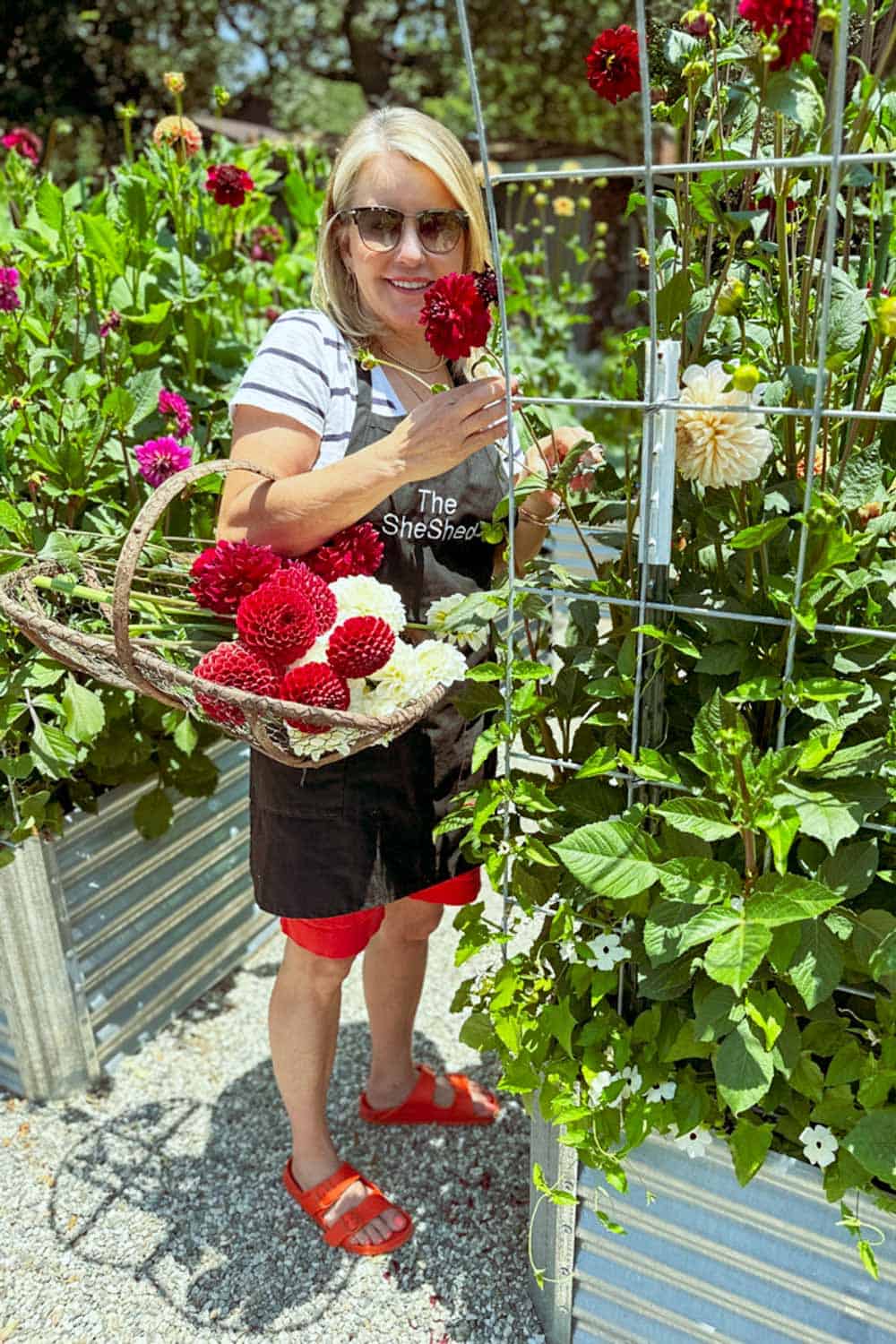
There is nothing quite like walking out to your garden, scissors in hand, and gathering a bouquet of flowers you grew yourself. After years of tending my Southern California garden and arranging flowers in my She-Shed studio, I can tell you that a cut flower garden is one of the most rewarding things you can plant. It saves money at the florist, fills your home with seasonal color, and gives you beautiful bouquets to share with family and friends.
If you are looking for simple ways to turn your garden blooms into beautiful bouquets, you might enjoy my guide on how to arrange flowers.
Quick note: This post contains affiliate links, which means I may earn a small commission if you purchase via a link. The price is always the same for you.
If you are wondering which flowers will give you the most blooms for your effort, these are the flowers I rely on year after year for armfuls of beautiful bouquets.
I garden in Zone 10A here in sunny Southern California, so I will share what works best for me. But every flower on this list also grows beautifully in cooler zones with a few timing adjustments, and I will note those as we go.
I have rounded up all my favorite seeds and tubers in one easy place so you can shop my picks as you read. Bookmark it as your one-stop reference for the season.
Best Cut Flowers to Grow at a Glance
If you are short on time, here is a quick look at my favorite cut flowers and what makes each one worth growing. Dahlias, zinnias, sweet peas, cosmos, roses, hydrangeas, ranunculus, snapdragons, lisianthus, and sunflowers are some of the best cut flowers to grow for homegrown bouquets because they offer long stems, excellent vase life, and repeat blooms throughout the growing season. This simple cheat sheet will help you decide which flowers are the best fit for your garden and the kind of bouquets you love to make.
| Flower | Vase Life | Ease of Growing | Best Season |
|---|---|---|---|
| Dahlias | 4–7 days | Moderate | Summer to Fall |
| Zinnias | 7–10 days | Easy | Summer to Frost |
| Sweet Peas | 4–5 days | Moderate | Spring |
| Cosmos | 5–7 days | Easy | Summer to Frost |
| Roses | 5–7 days | Moderate | Spring to Fall |
| Hydrangeas | 5–7 days | Easy | Summer |
| Ranunculus | 7–10 days | Moderate | Spring |
| Snapdragons | 7–10 days | Easy | Spring and Fall |
| Lisianthus | 10–14 days | Moderate | Summer |
| Sunflowers | 7–10 days | Easy | Summer to Fall |
Now that you have a quick overview, let me walk you through each flower and share why it has earned a permanent place in my cutting garden.
What Makes a Flower a Good Cut Flower?
Before we get into the list, here is what I look for when I am choosing flowers for my cut flower garden:
- Long stems that are easy to arrange in a vase
- A long vase life of at least 5 to 7 days after cutting
- Cut-and-come-again behavior, meaning the more you cut, the more the plant blooms
- Easy to grow from seed, tuber, or starter plant
- A range of colors so you can mix and match in arrangements
Every flower on this list checks at least three of those boxes, and most check all five.
These are the same qualities I look for when planning a cutting garden, along with a few favorite floral supplies that make harvesting and arranging flowers so much easier.
1. Dahlias
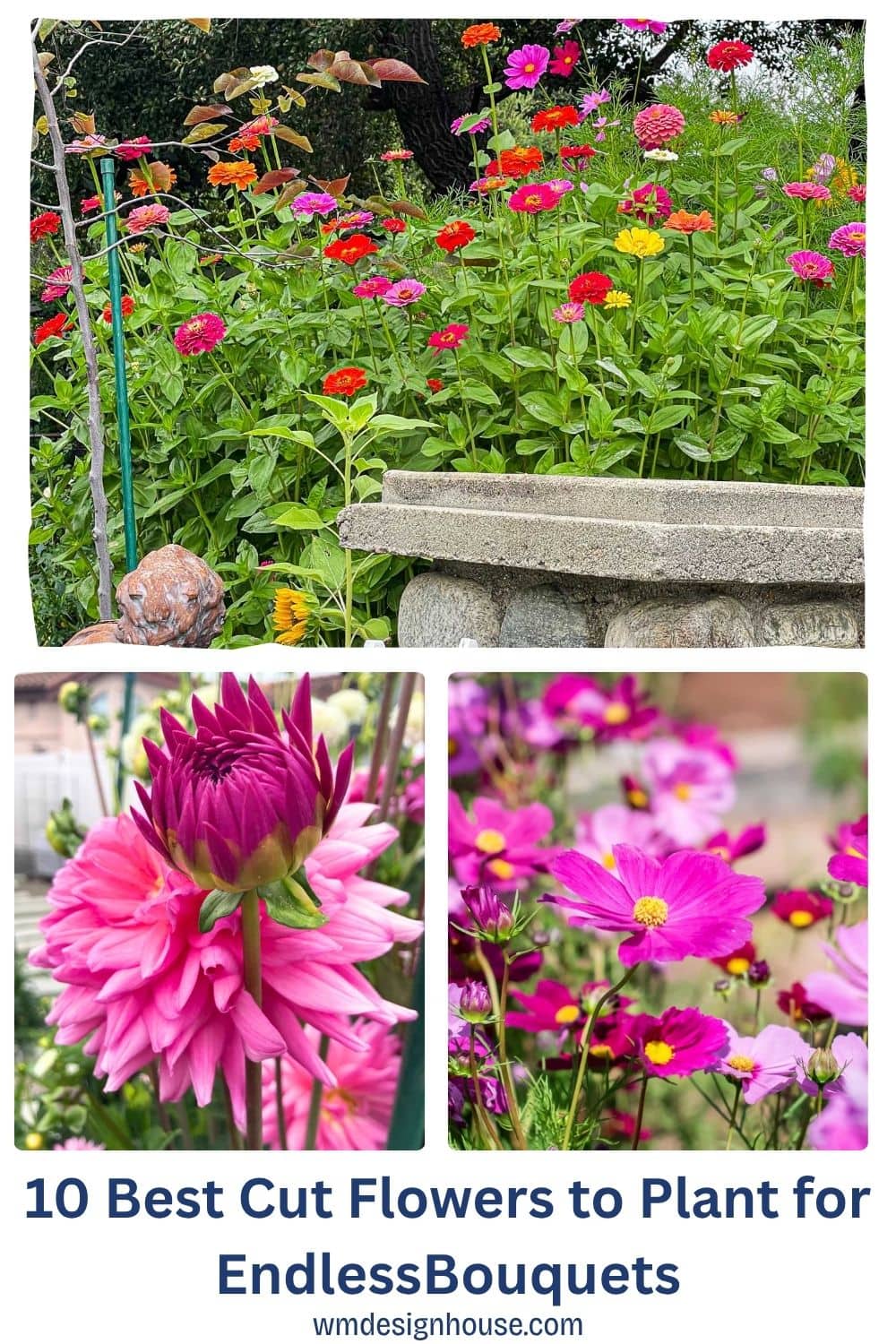
If you have read my blog for any length of time, you already know dahlias are my absolute favorite. They are the queen of the late summer and fall cut flower garden, and once you grow them, you will never want to be without them.
Dahlias come in every color except true blue and range from tiny pompom blooms to giant dinner plate varieties the size of your face. They are cut-and-come-again champions, which means the more you cut, the more they produce.
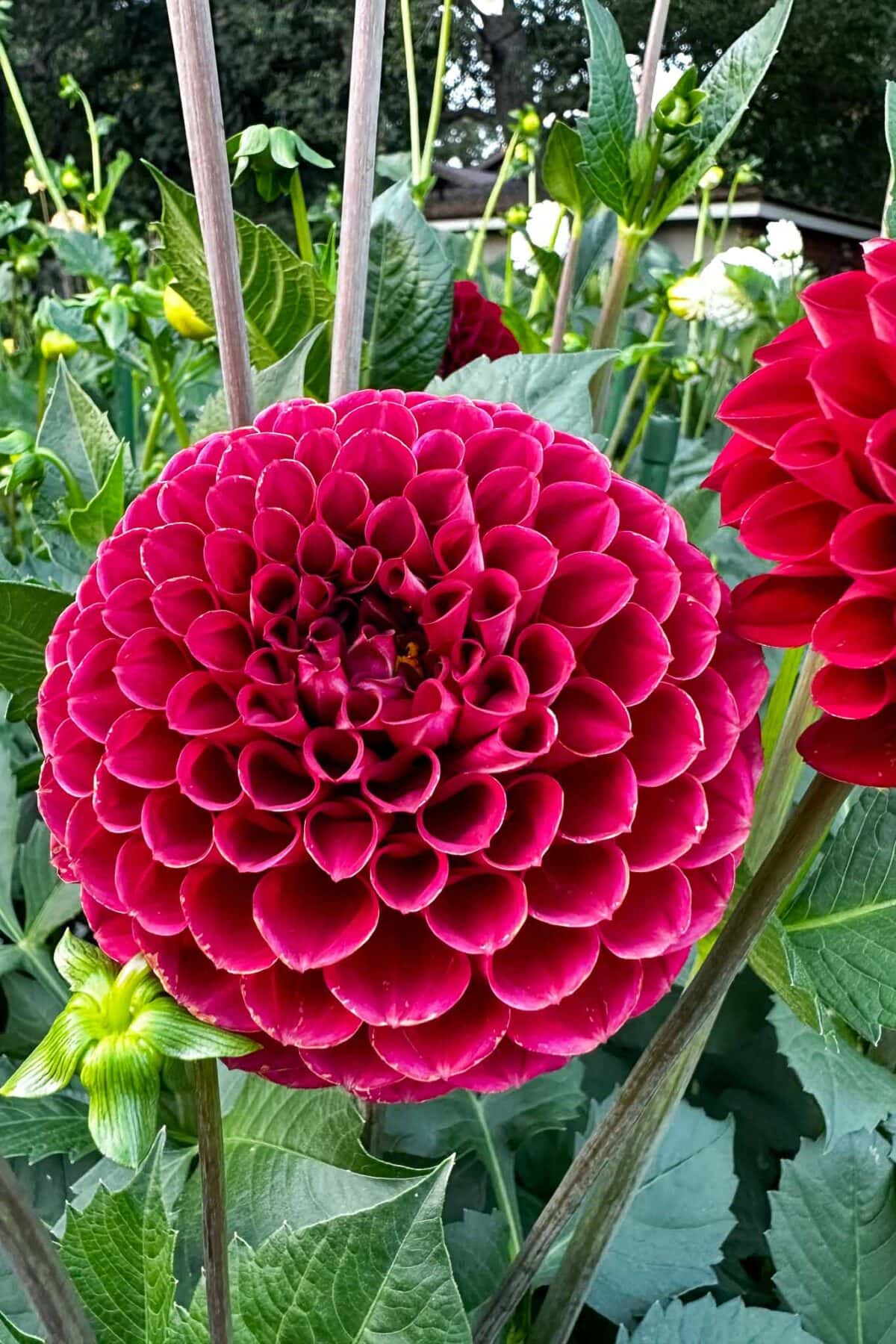
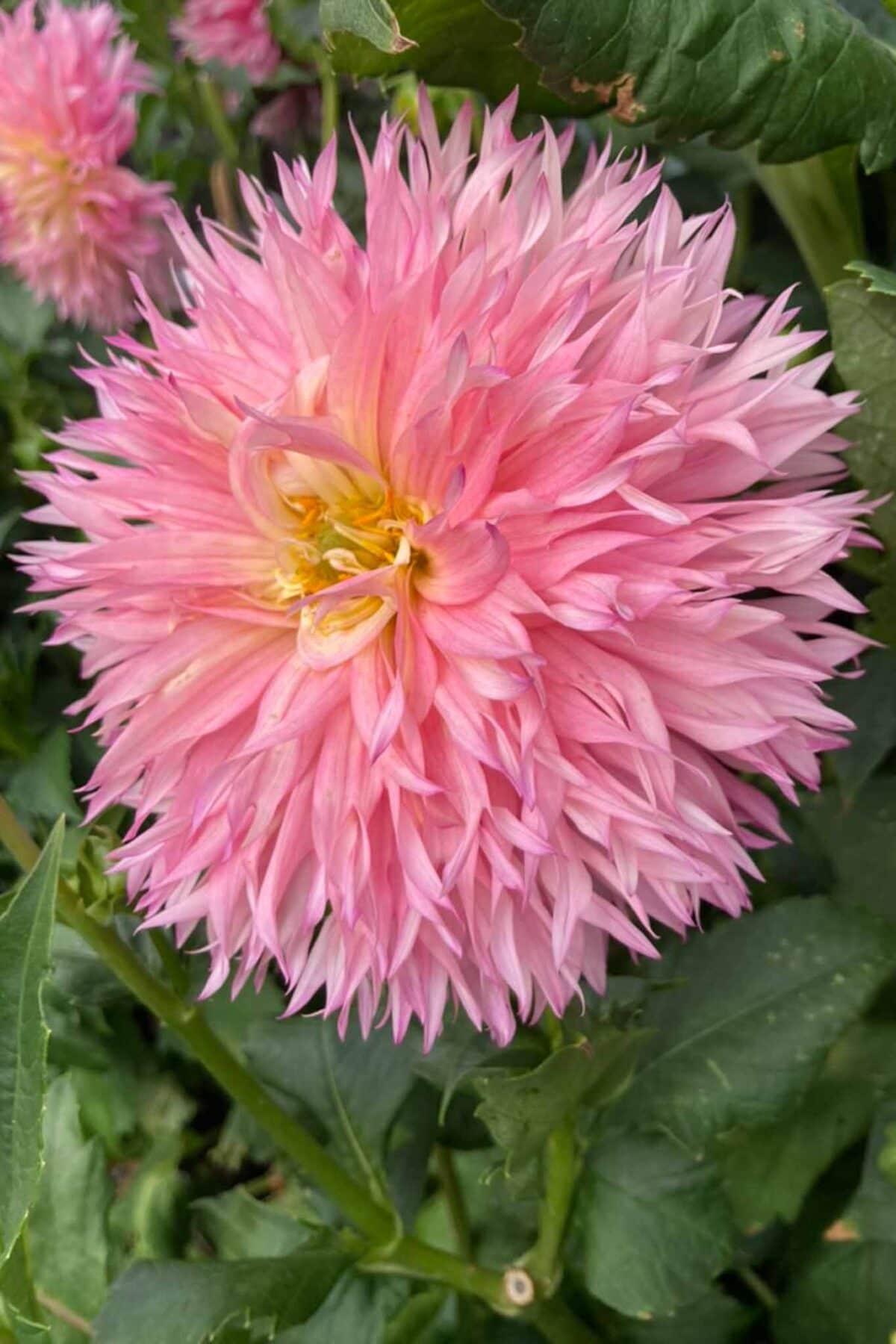
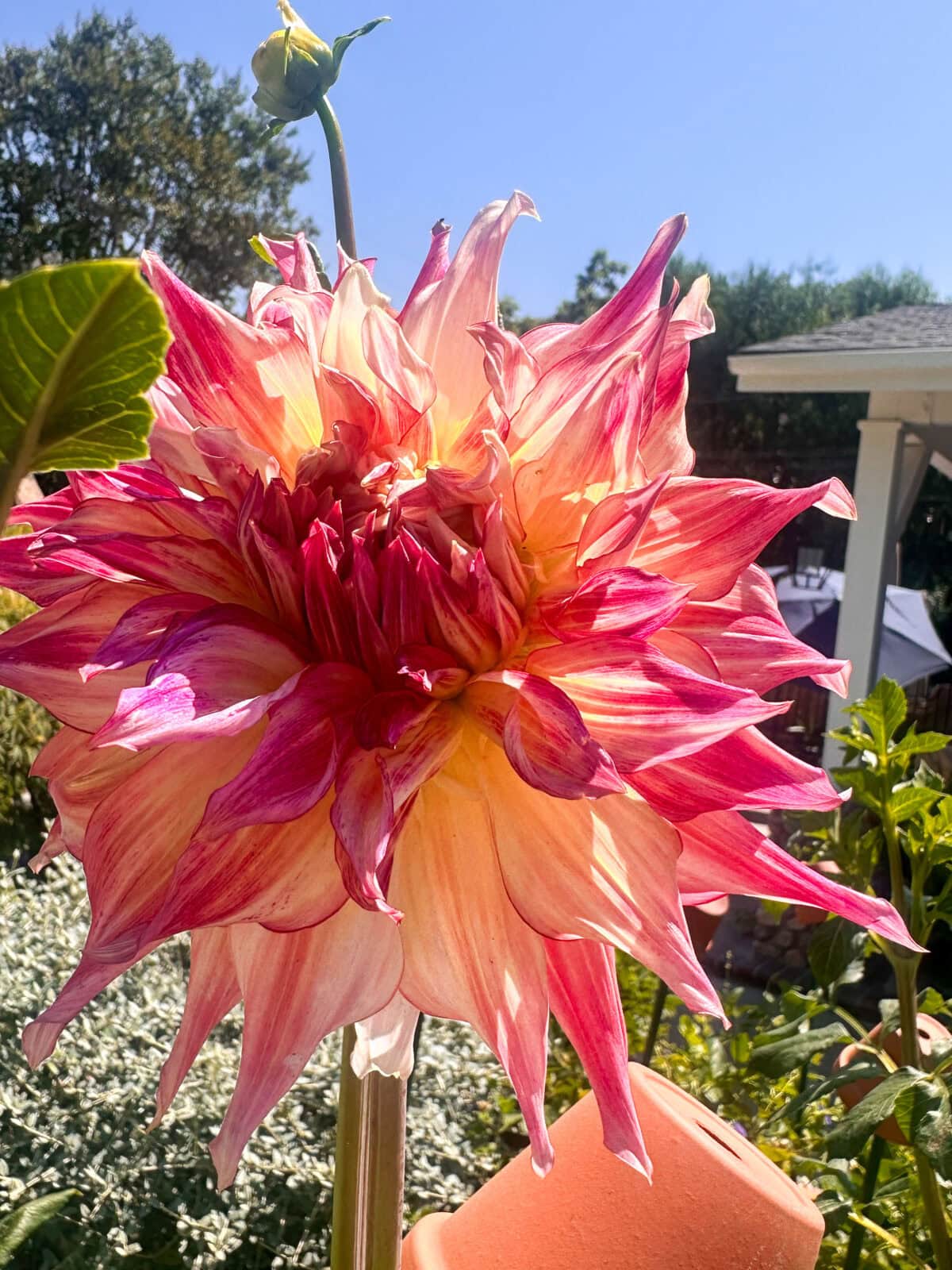
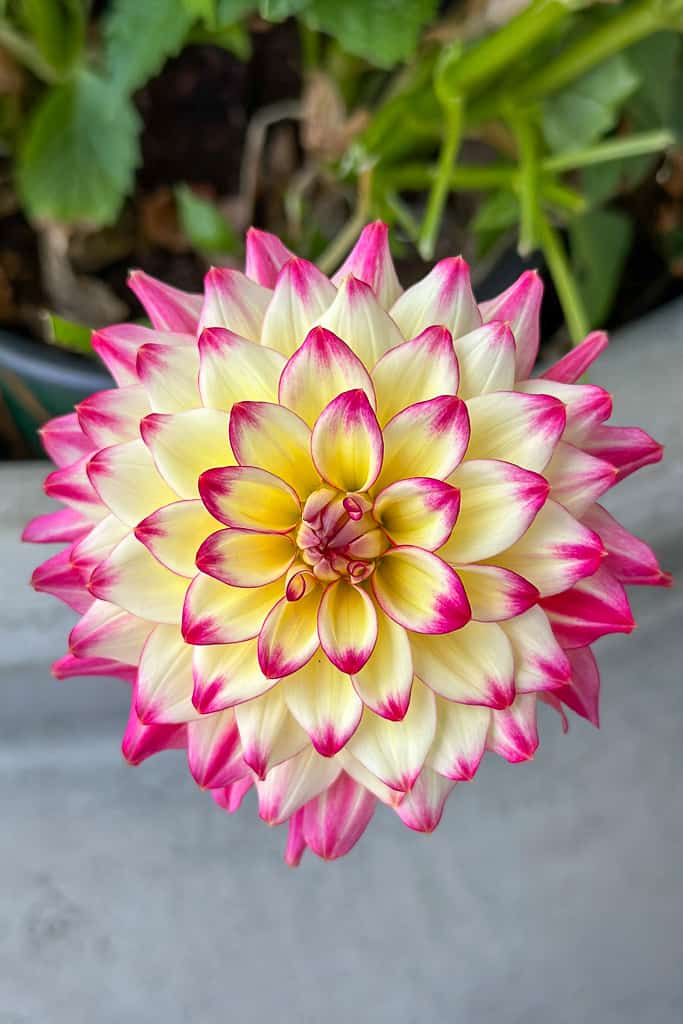
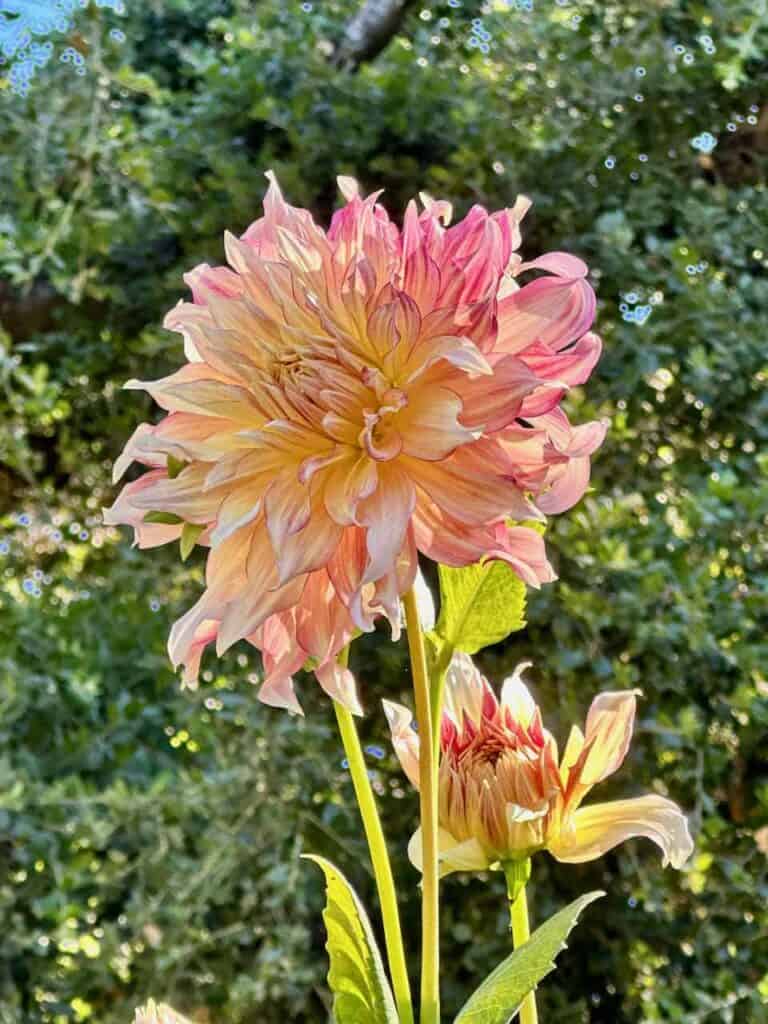
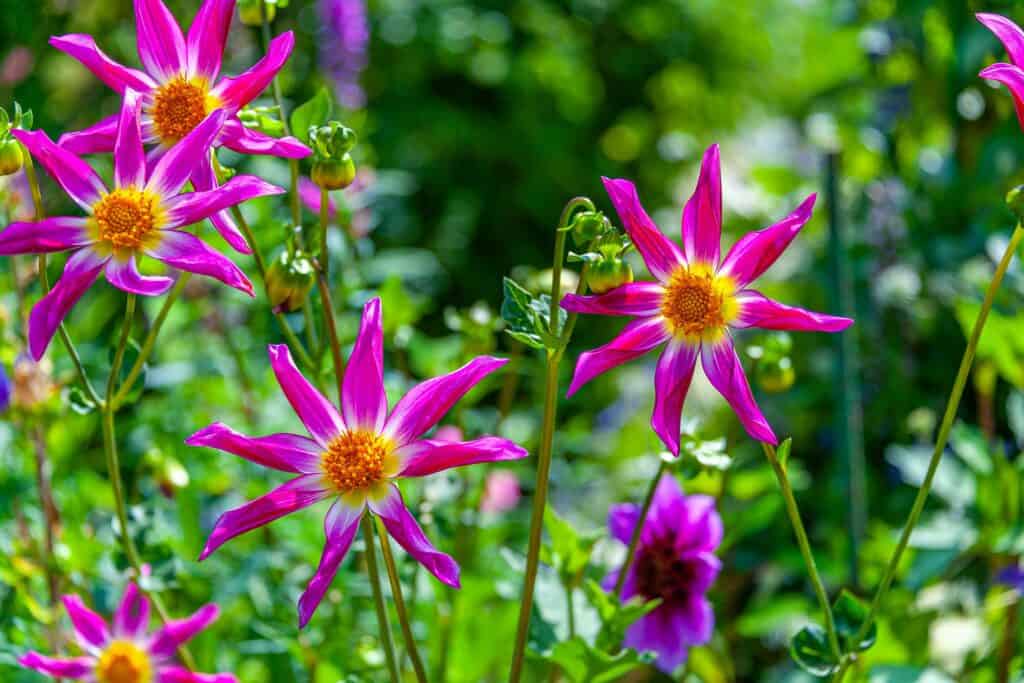
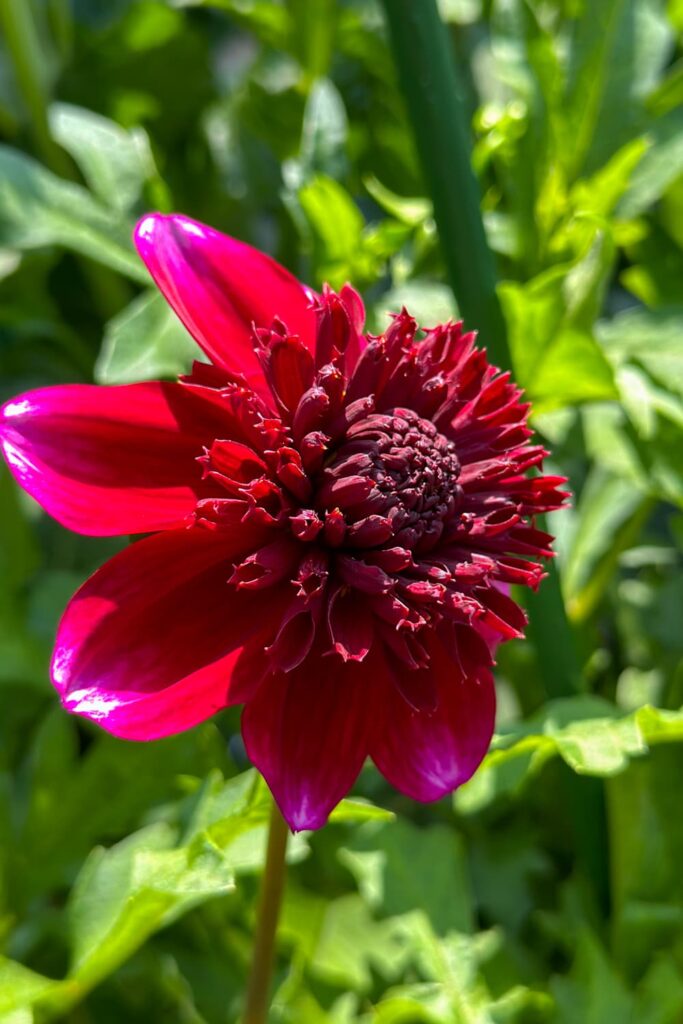
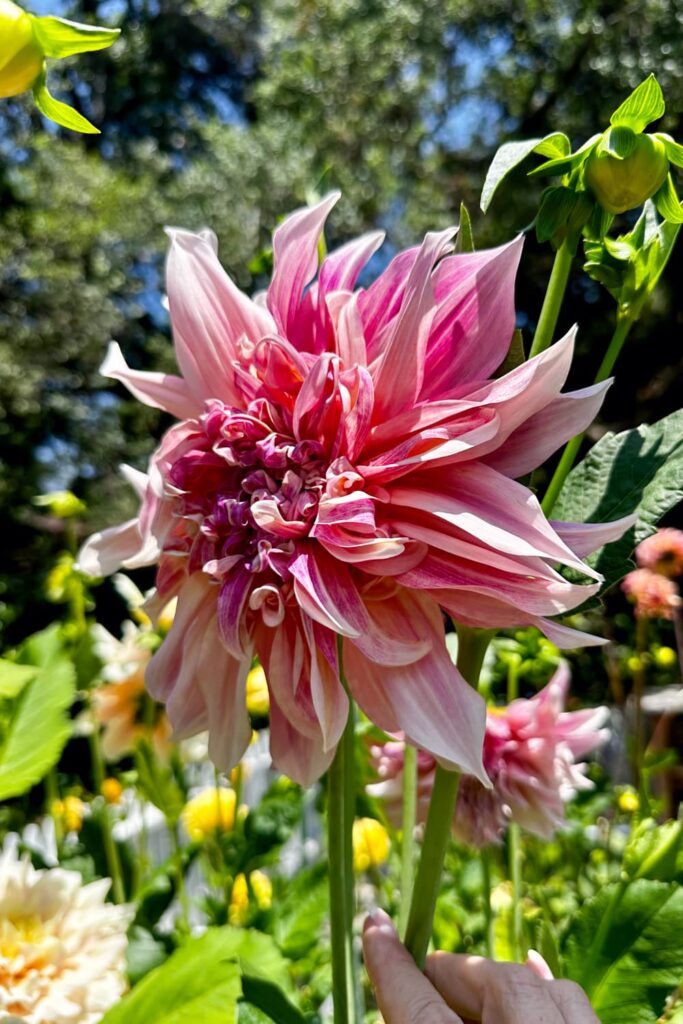
When to plant: After your last frost in spring. In Zone 10A, I plant tubers in late March or early April.
Vase life: 4 to 7 days when cut at the right stage.
I order my dahlia tubers from Amazon in winter or early spring, and I always look for the dinner plate varieties because they photograph so beautifully in arrangements. You can find quality tuber collections there, but order early because they sell out fast.
Tip: Cut dahlias when they are fully open, because unlike most flowers, the buds will not continue to open after cutting.
Want to grow your own? Start with my dahlia tuber planting guide, learn whether dahlias are perennials in your zone, and check out how to divide tubers once your plants are established.
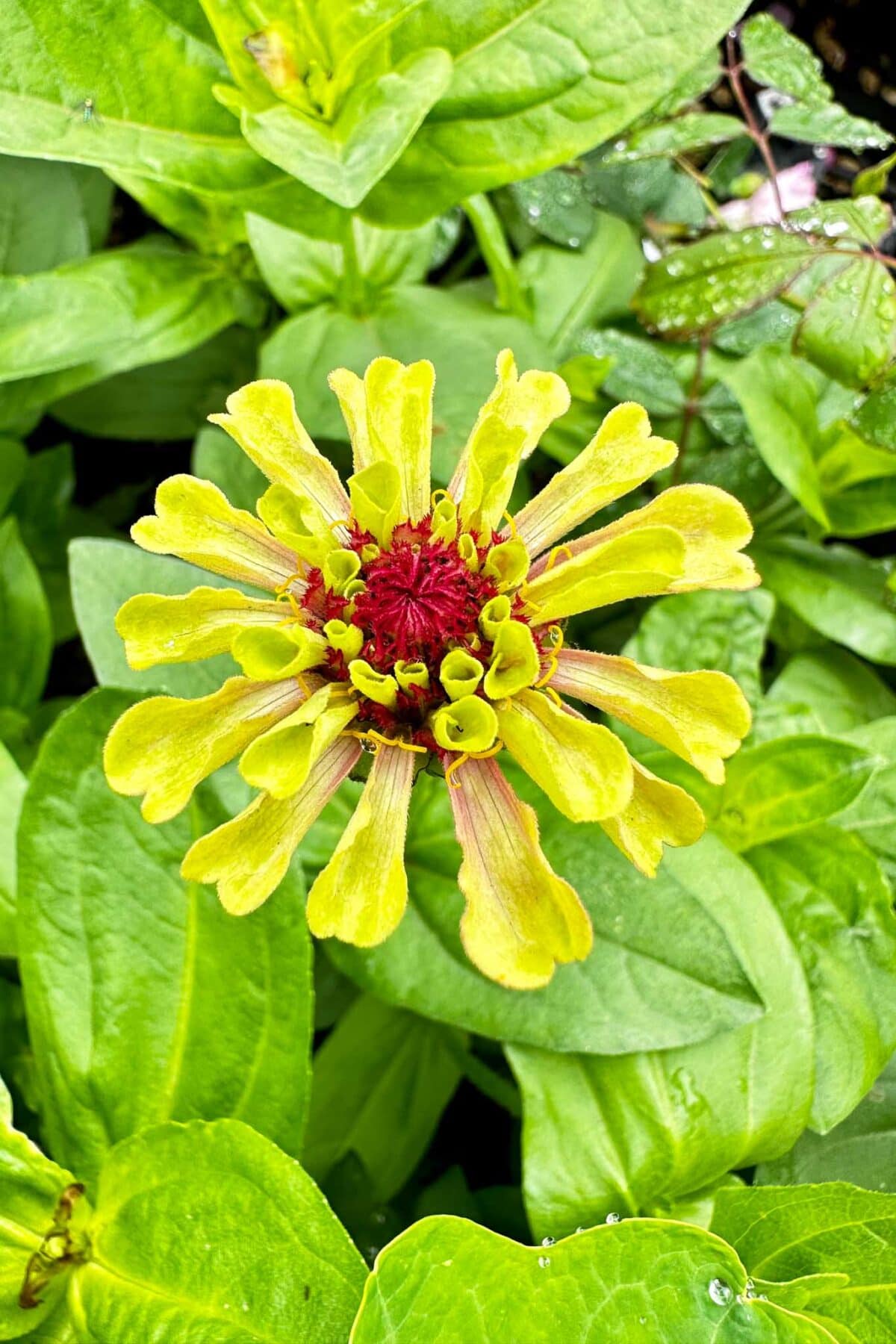
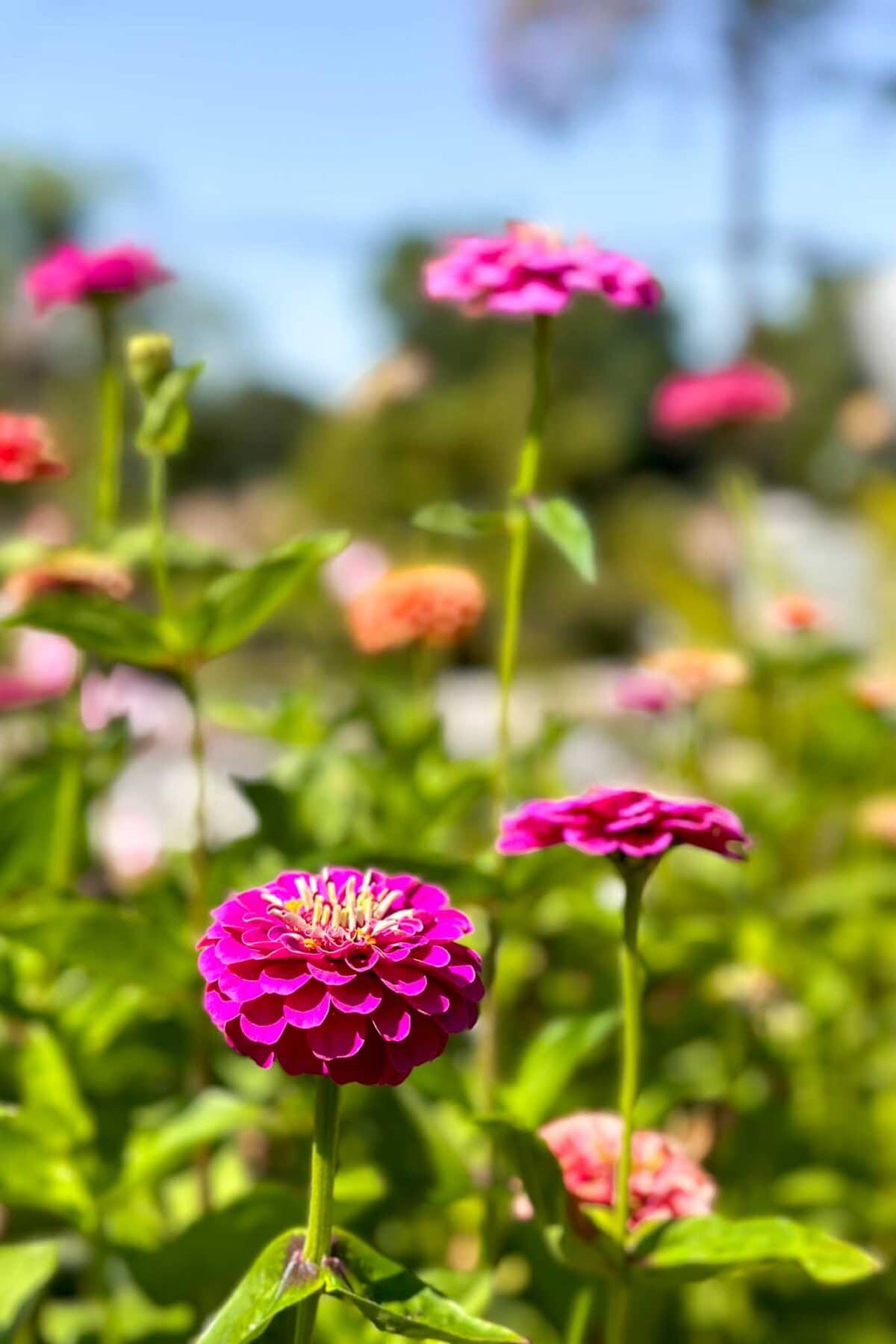
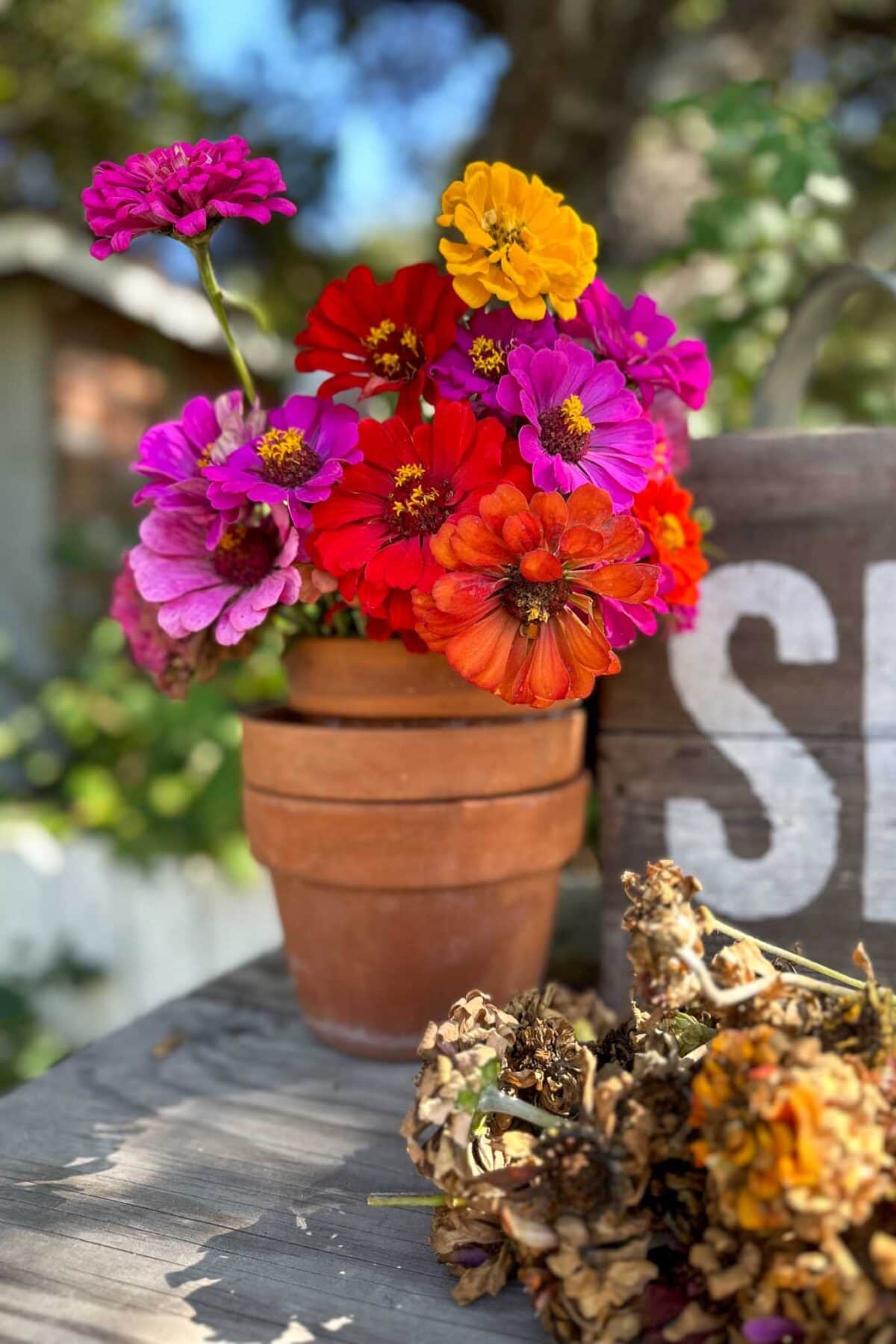
2. Zinnias
If dahlias are the queen, zinnias are the workhorse of the cut flower garden. They are the easiest flower on this list to grow from seed, they bloom from early summer until frost, and they come in every shade you can imagine.
I plant a row of Benary’s Giant zinnias every year in apricot, coral, and lime green, and they keep my arrangements going strong all summer.
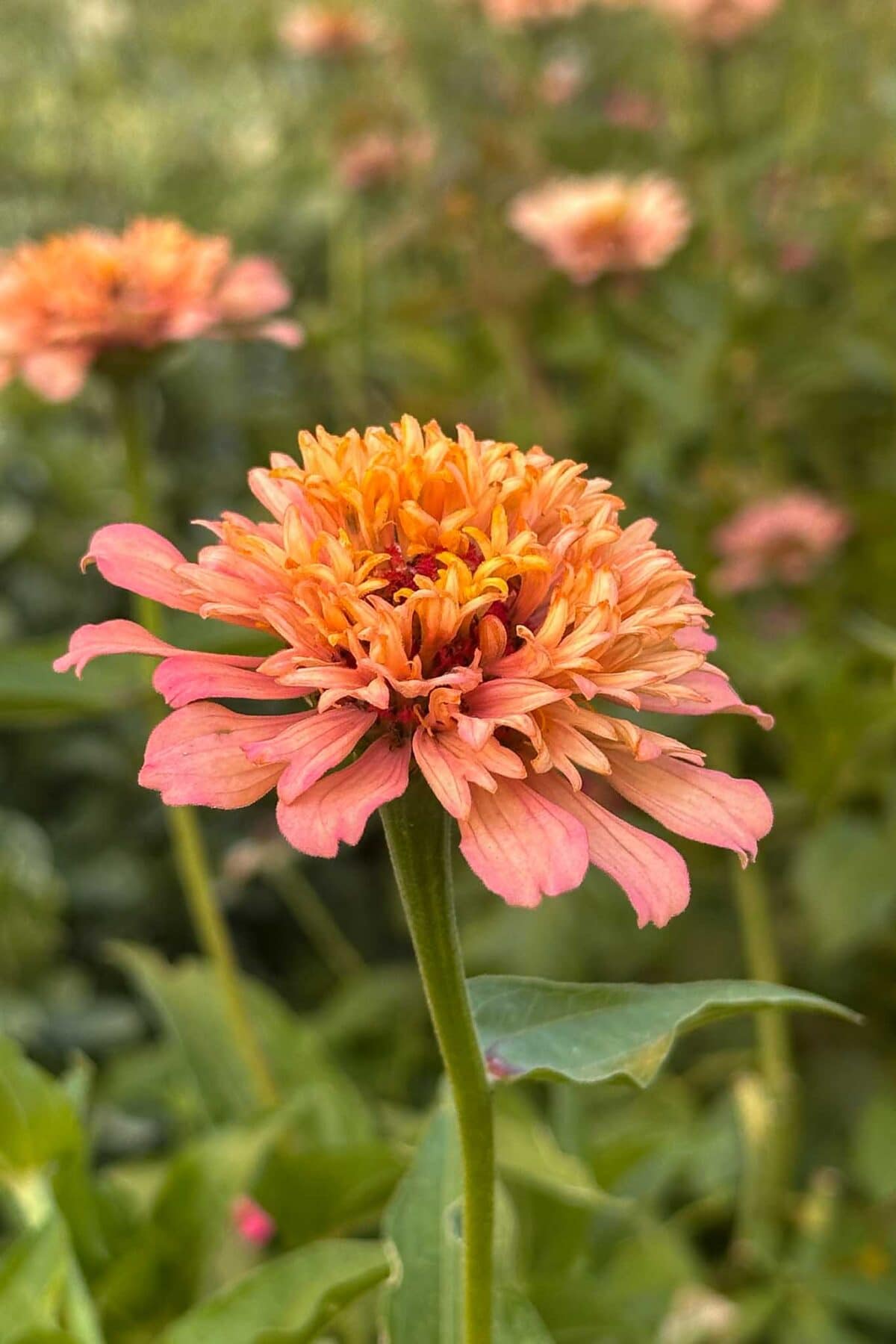
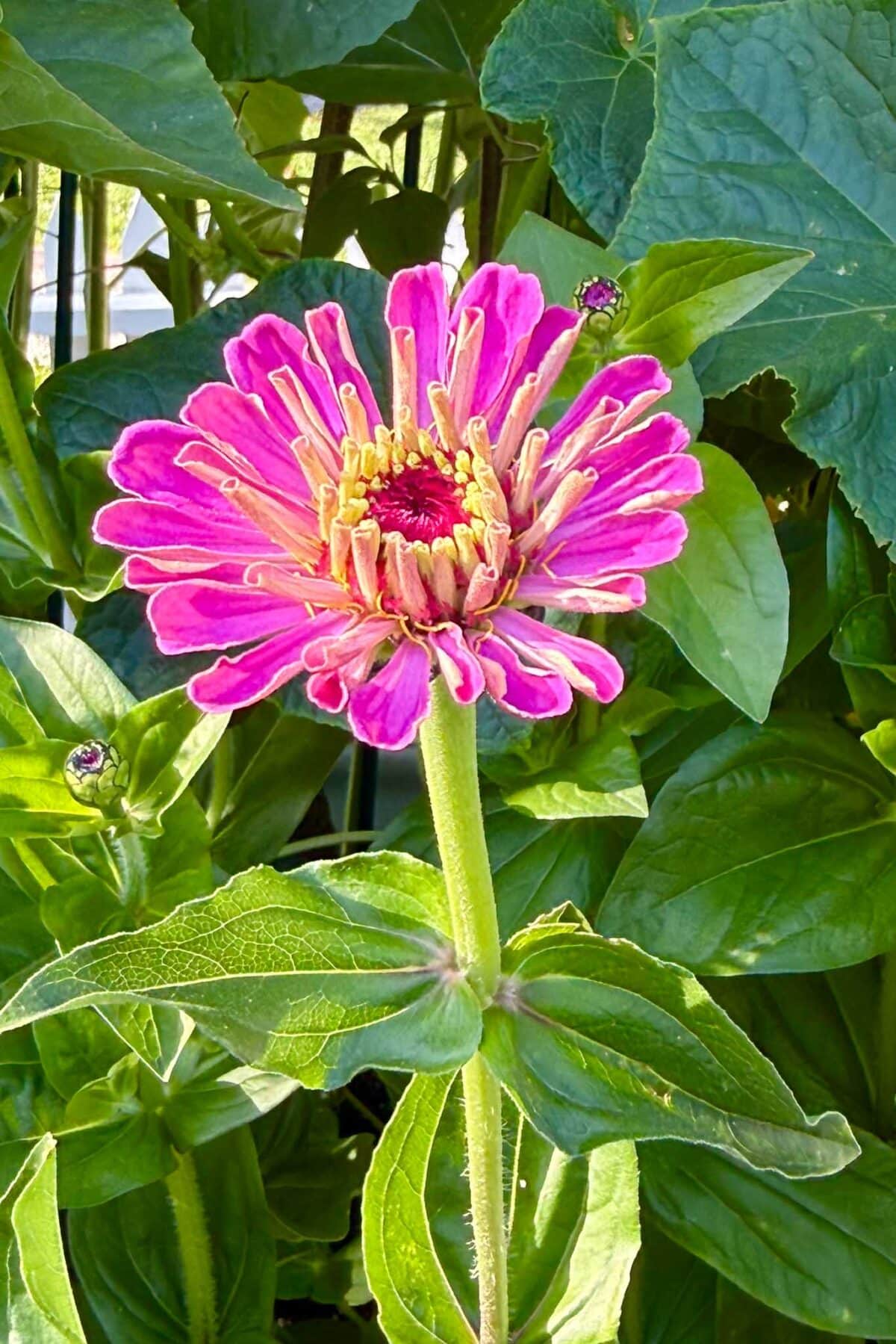
When to plant: Direct sow seeds after your last frost. They sprout in about a week.
Vase life: 7 to 10 days, which is fantastic.
Benary’s Giant zinnias are easy to find on Amazon or at local garden centers, and I have the best luck ordering in early spring. If you want a low-effort option that attracts pollinators, I love this Earth Science Zinnia Mix . It covers 600 square feet and gives you over 4,000 seeds in one bag, perfect for filling a whole cutting bed.
Tip: Use the wiggle test before cutting. Hold the stem about 8 inches below the bloom and give it a gentle shake. If the stem is firm and the flower stays upright, it is ready. If it flops, leave it on the plant a few more days.
For the secret to nonstop blooms, read my Ultimate Guide to Deadheading Zinnias for More Blooms.
Regular deadheading is one of the easiest ways to encourage more flowers throughout the season.
3. Sweet Peas
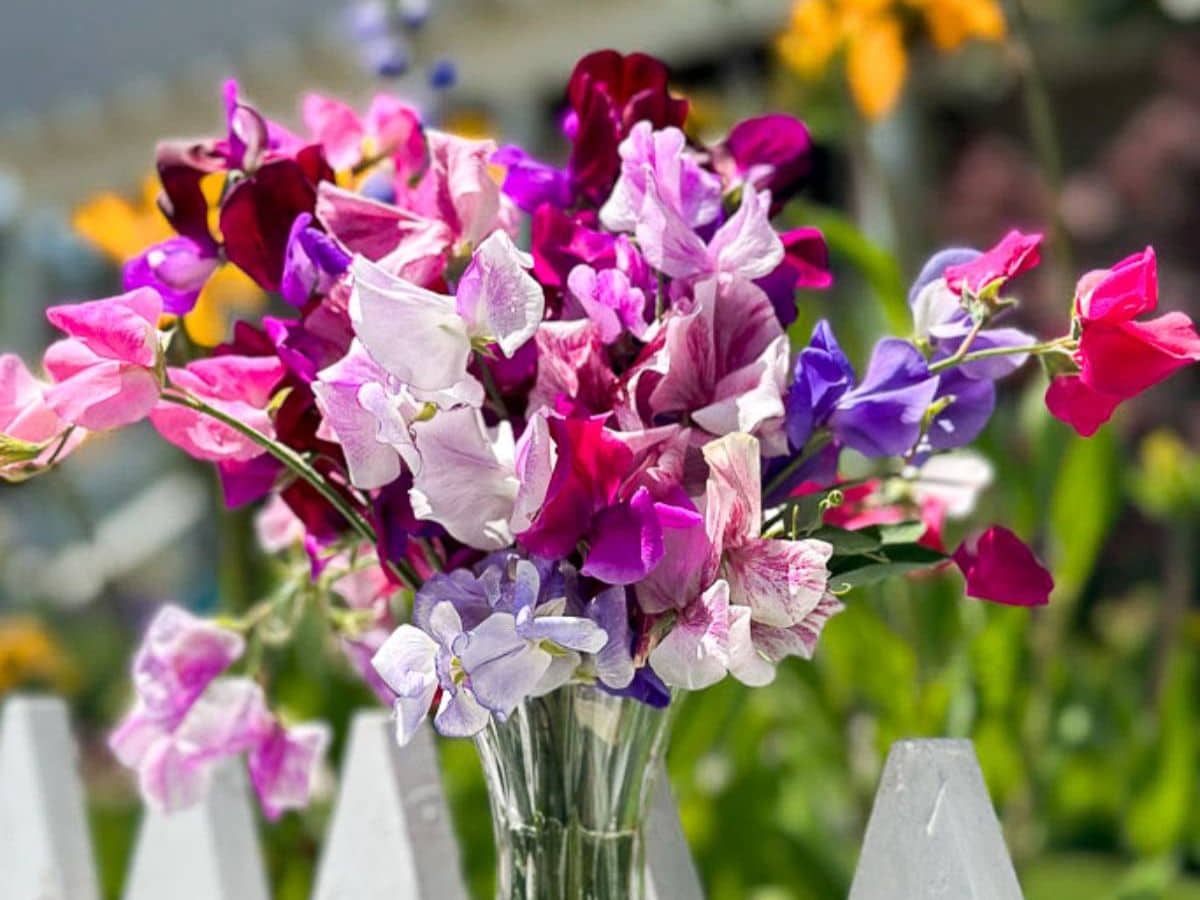
Sweet peas are the most fragrant flower in my garden, and one whiff will tell you why they are a cottage garden classic. The vines climb beautifully on a trellis or arch, and the blooms come in soft pastels and rich jewel tones that look gorgeous in arrangements.
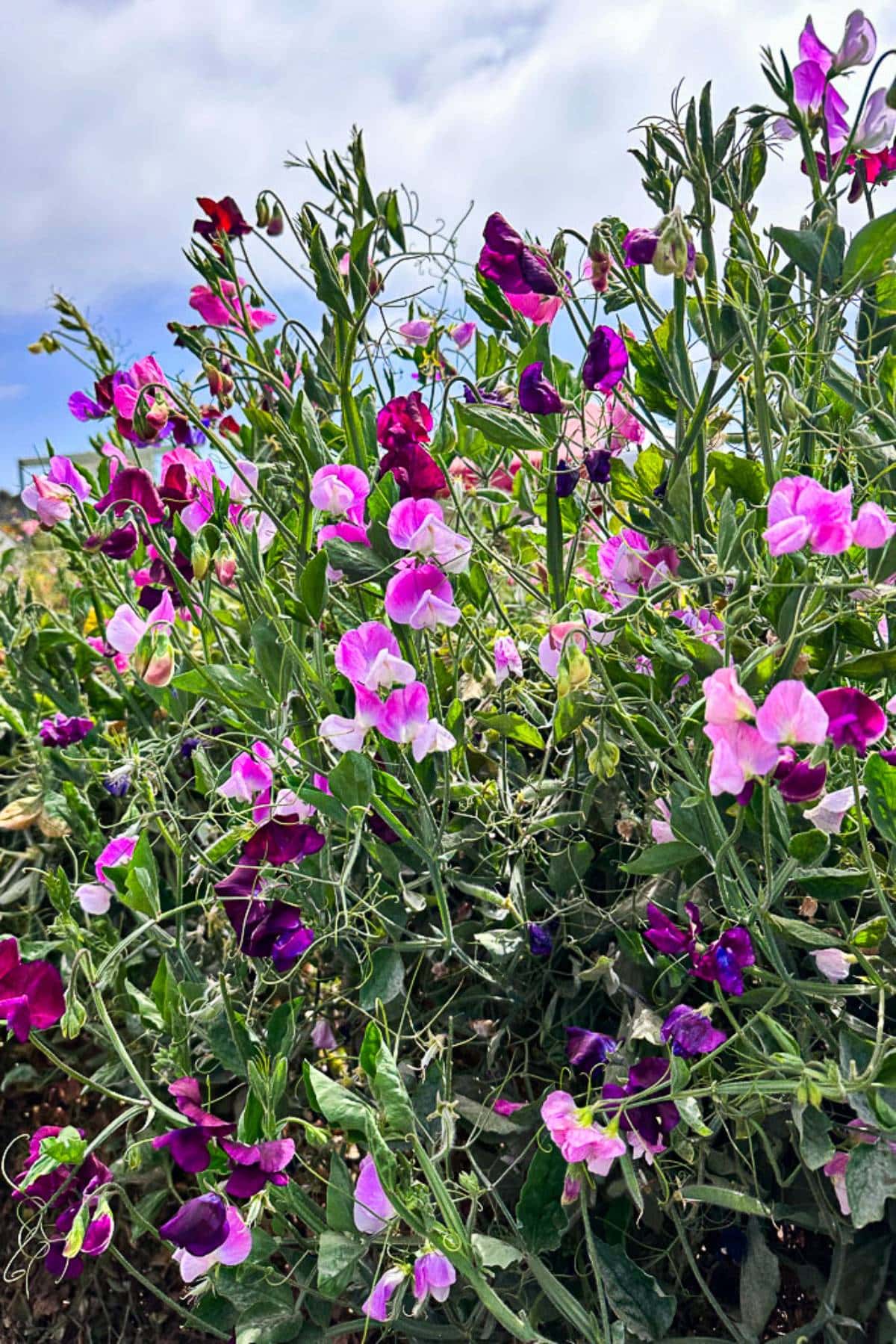
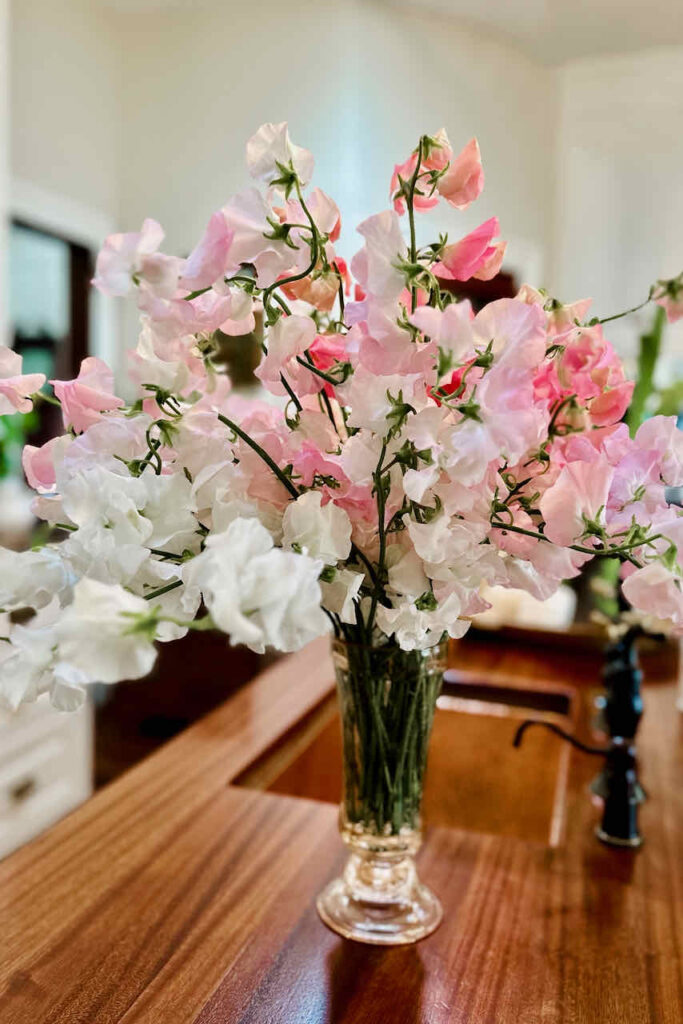
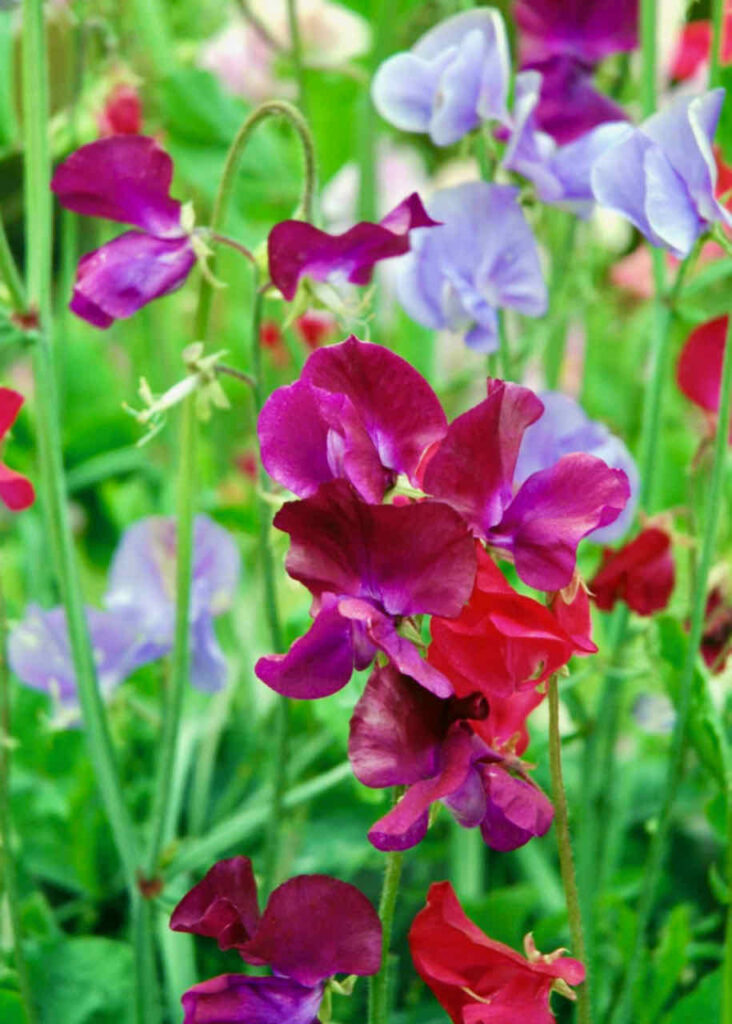
When to plant: In mild climates like mine, sow seeds in fall for spring blooms. In colder zones, sow them as soon as the ground can be worked in early spring.
Vase life: 4 to 5 days, but the fragrance more than makes up for the shorter window.
Sweet peas are one of those flowers I plan for ahead of time. I love ordering my seeds in late fall, soaking them overnight, and tucking them in along a trellis for spring blooms. You can find gorgeous varieties on Amazon if you want to grow a mix of colors.
Tip: Pick them often. The more you cut, the more flowers the vine produces.
I have a full guide here: Sweet Pea Seeds: How to Sow, Grow, and Harvest Them.
4. Cosmos
Cosmos are pure cottage garden magic. The airy stems and fluttery blooms add movement and softness to any arrangement, and they are one of the most low-maintenance flowers you can grow. Drop the seeds in the ground, water them in, and they practically take care of themselves.
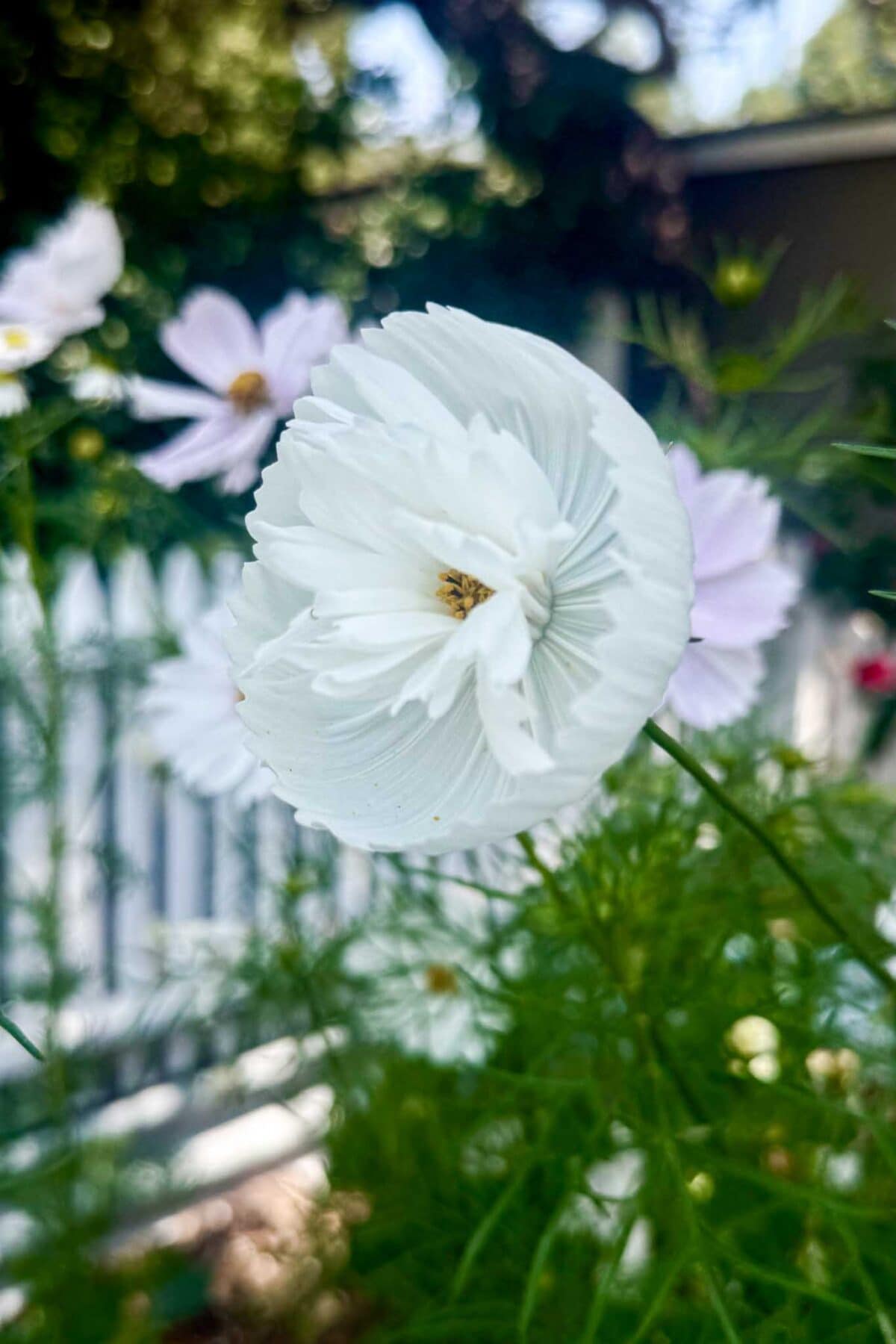
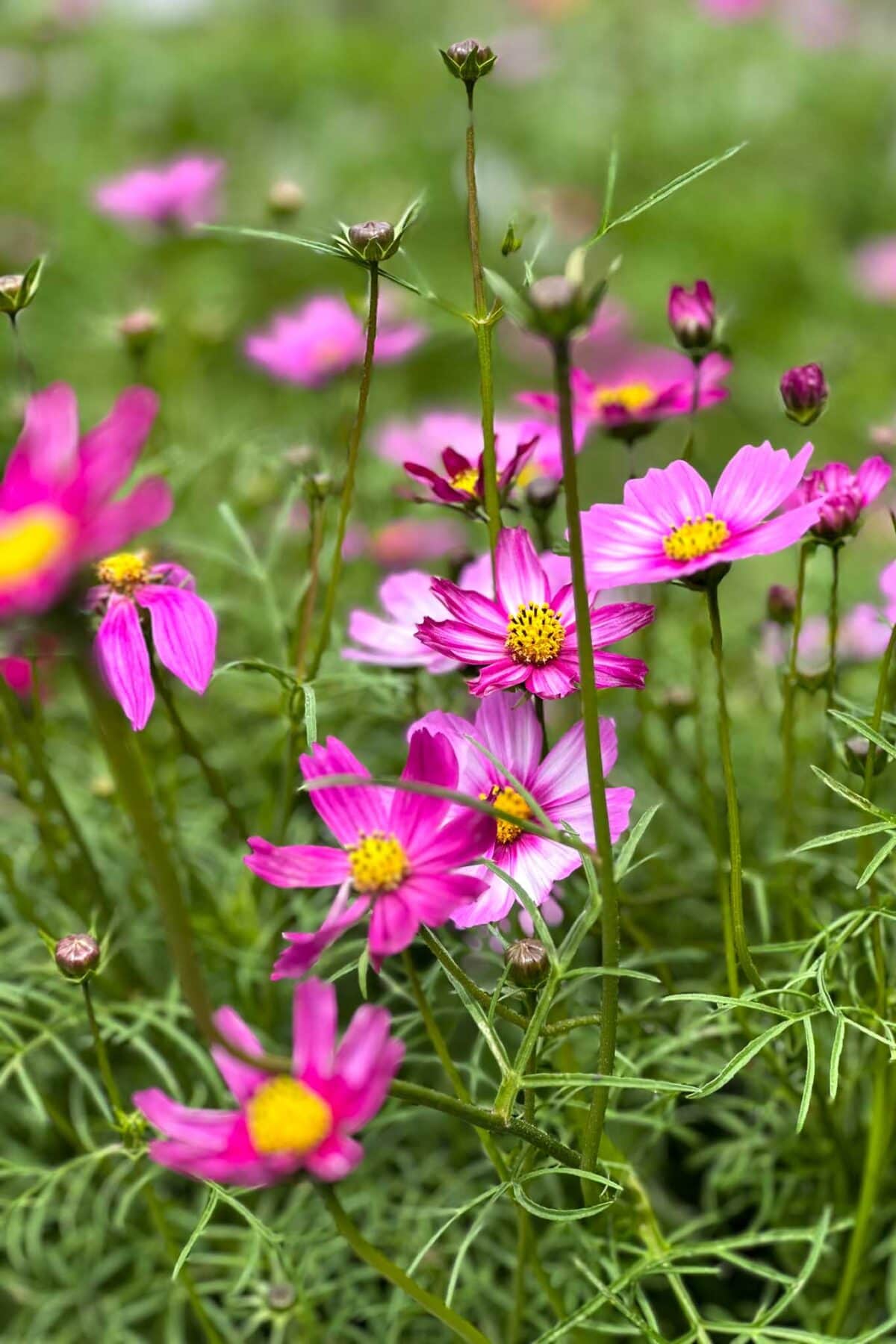
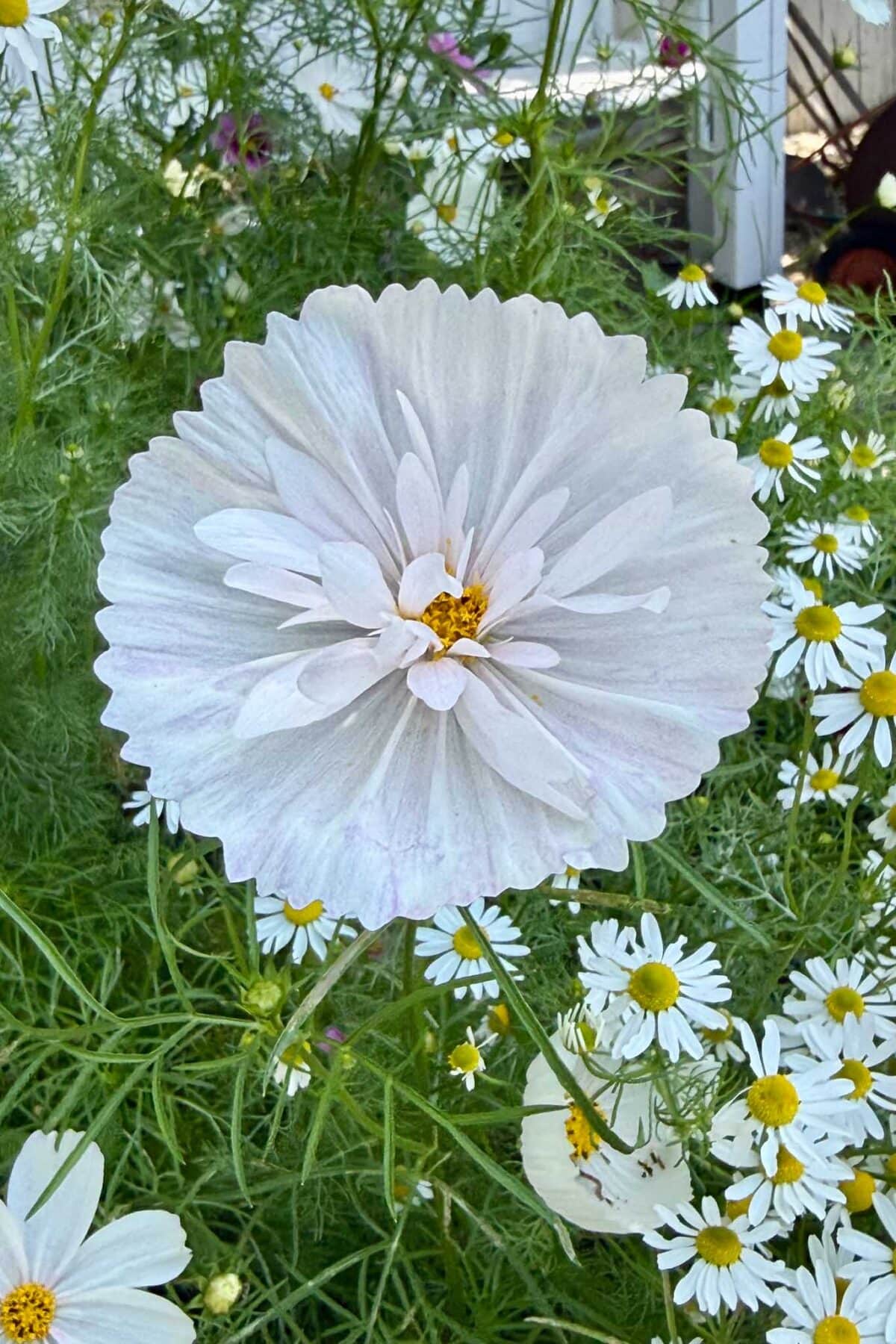
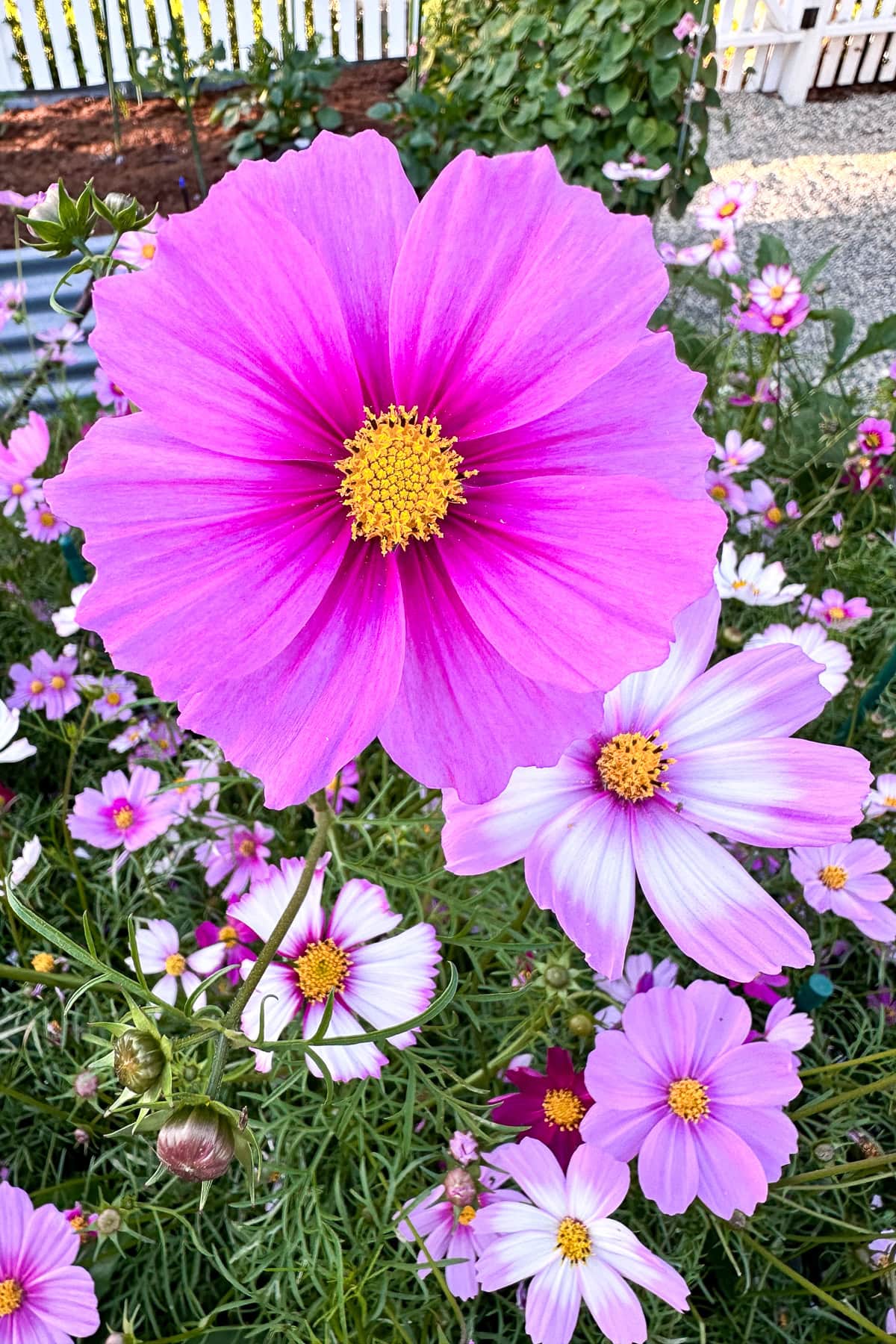
When to plant: Direct sow after your last frost. They thrive in poor soil, so do not over-fertilize.
Vase life: 5 to 7 days.
Cosmos seeds are so inexpensive and easy to find that I usually grab a few different varieties from Amazon just to experiment. They germinate quickly, so you can order them right up until late spring.
Tip: Cut cosmos when the buds are just starting to crack open. They will continue to open beautifully in the vase.
For my full planting guide, see How to Plant Cosmos Seeds for a Bloom-Filled Summer Garden.
5. Roses
No cut flower garden is complete without roses. They are the most romantic flower you can grow, and a single garden rose has more presence in an arrangement than a dozen grocery store stems. I grow heirloom roses for their old-fashioned form and incredible fragrance, and they are stars of every spring and fall arrangement I make.
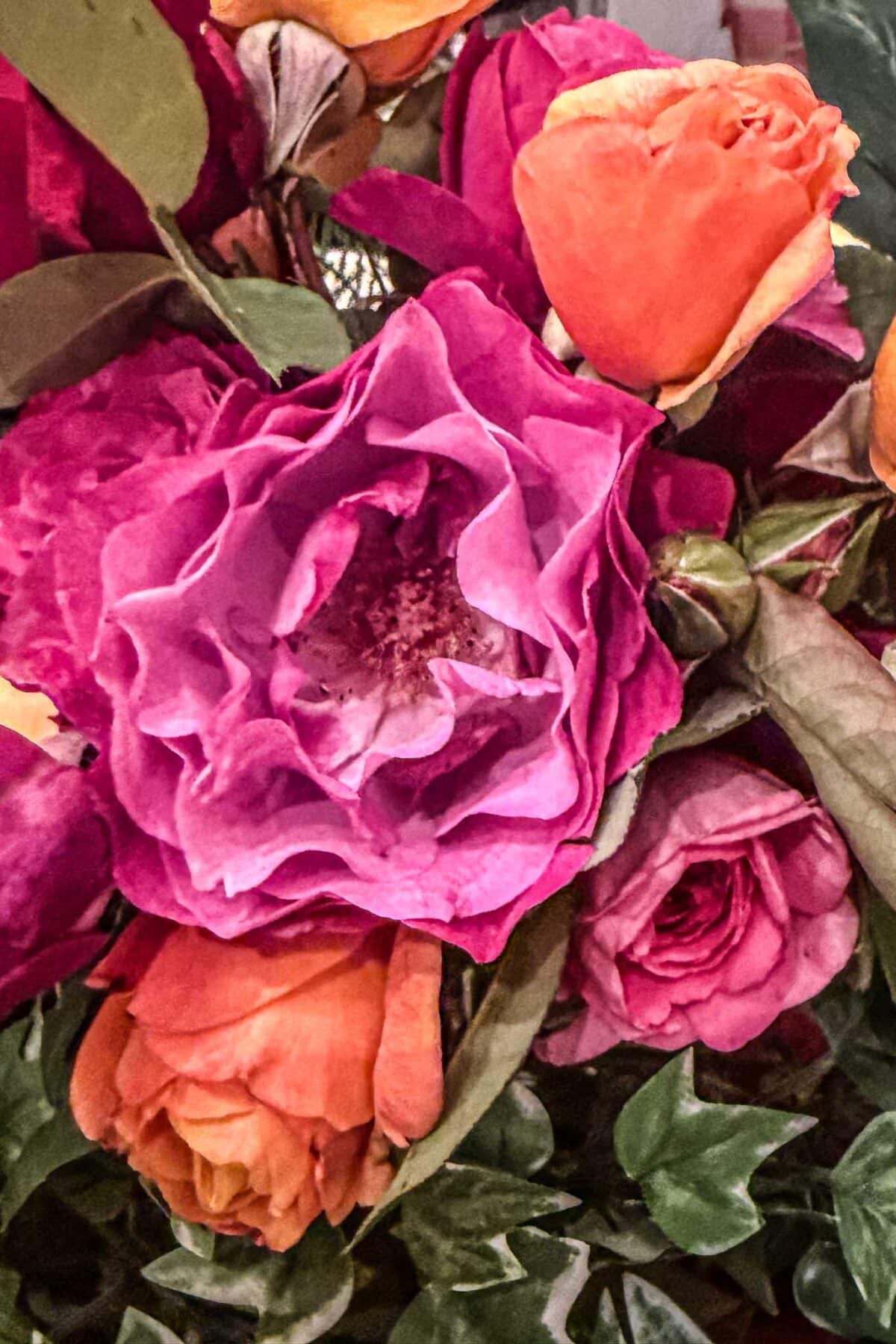
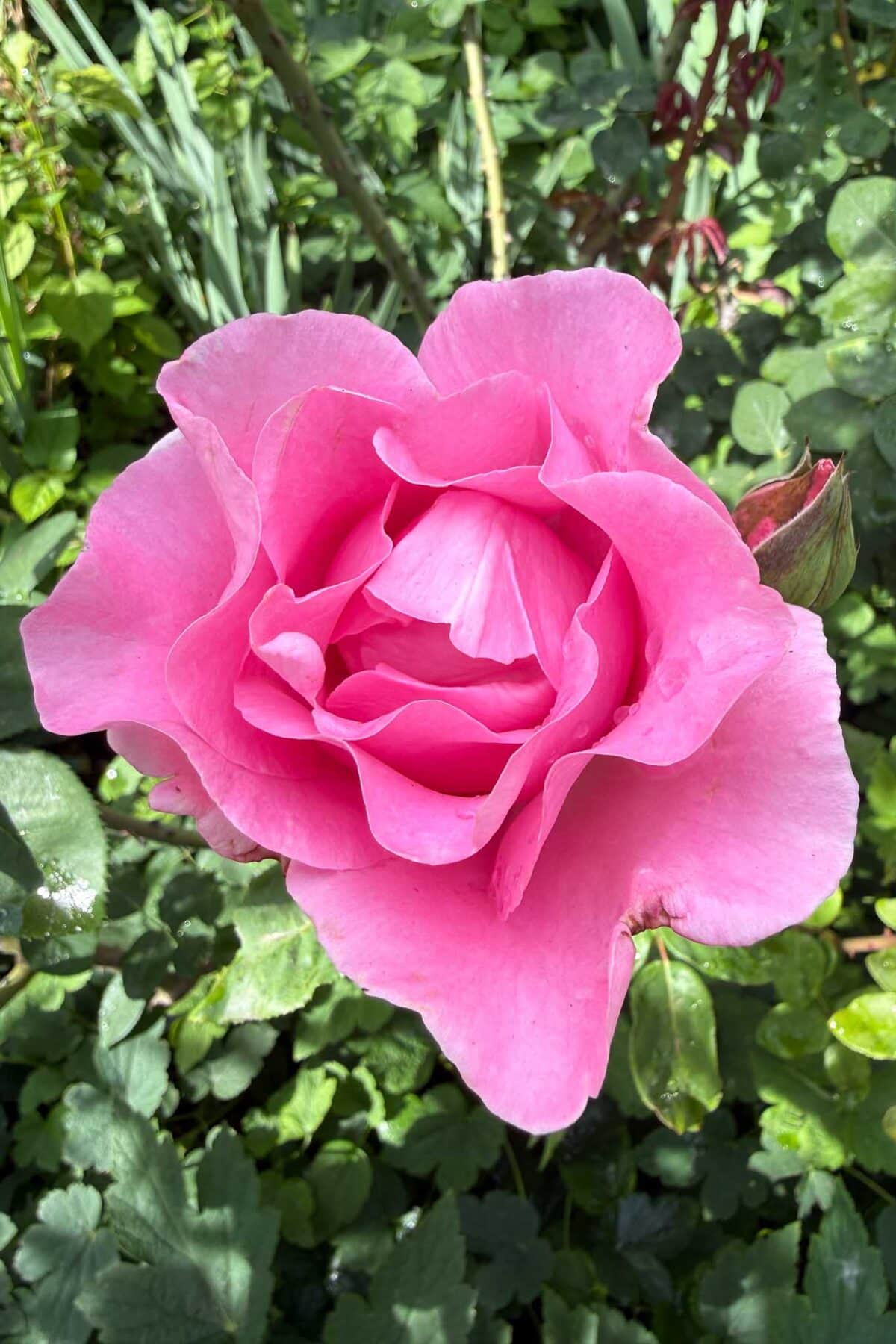
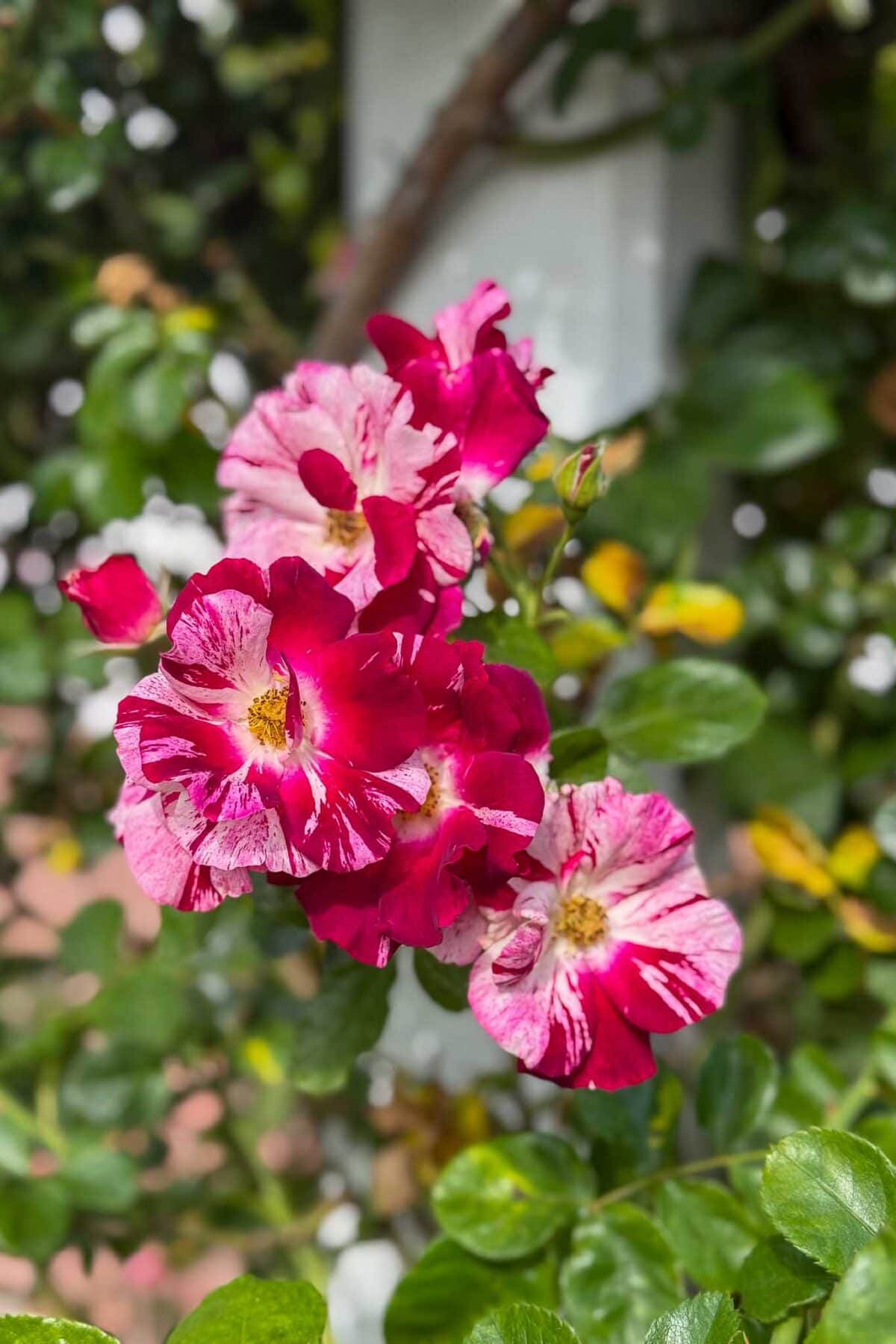
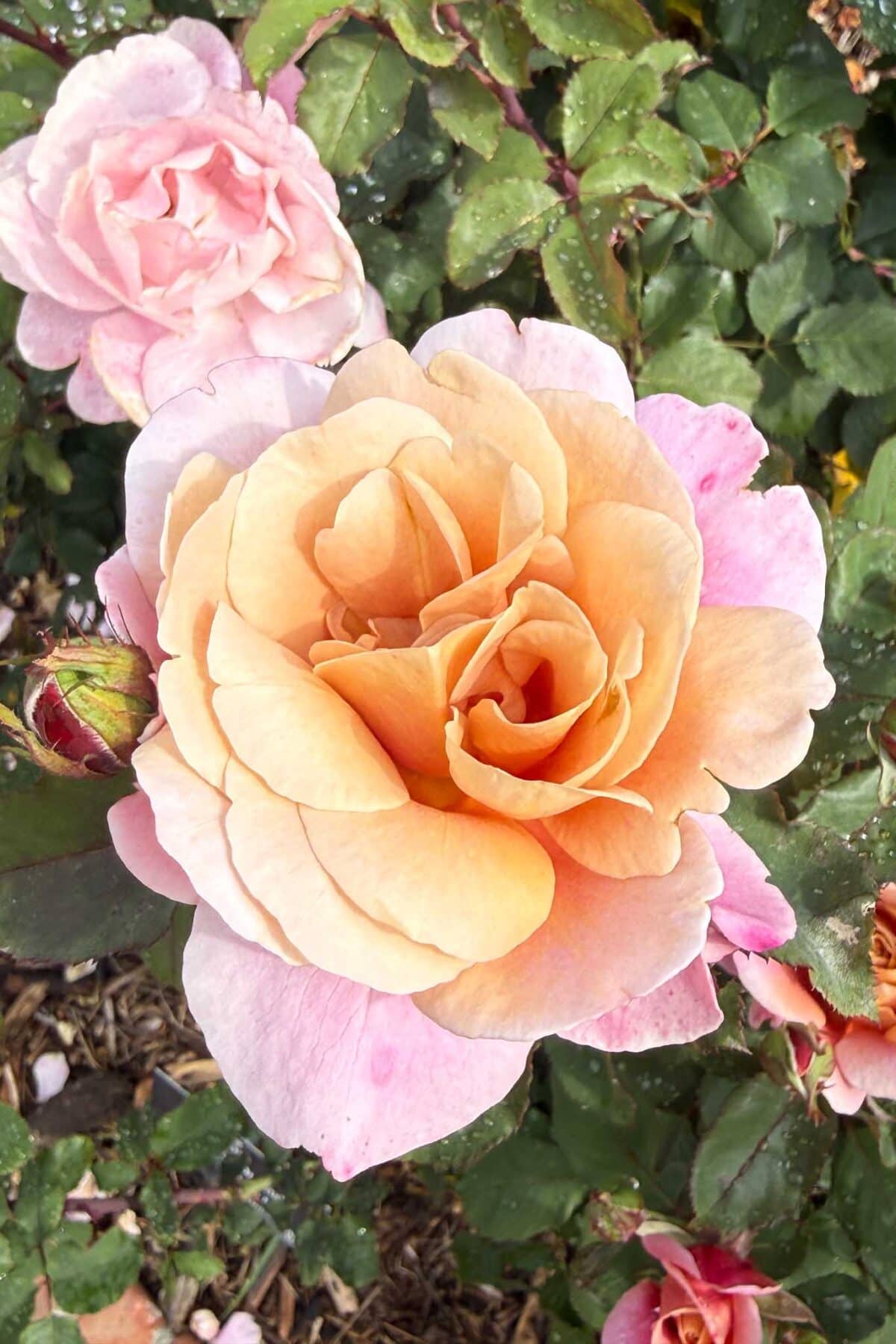
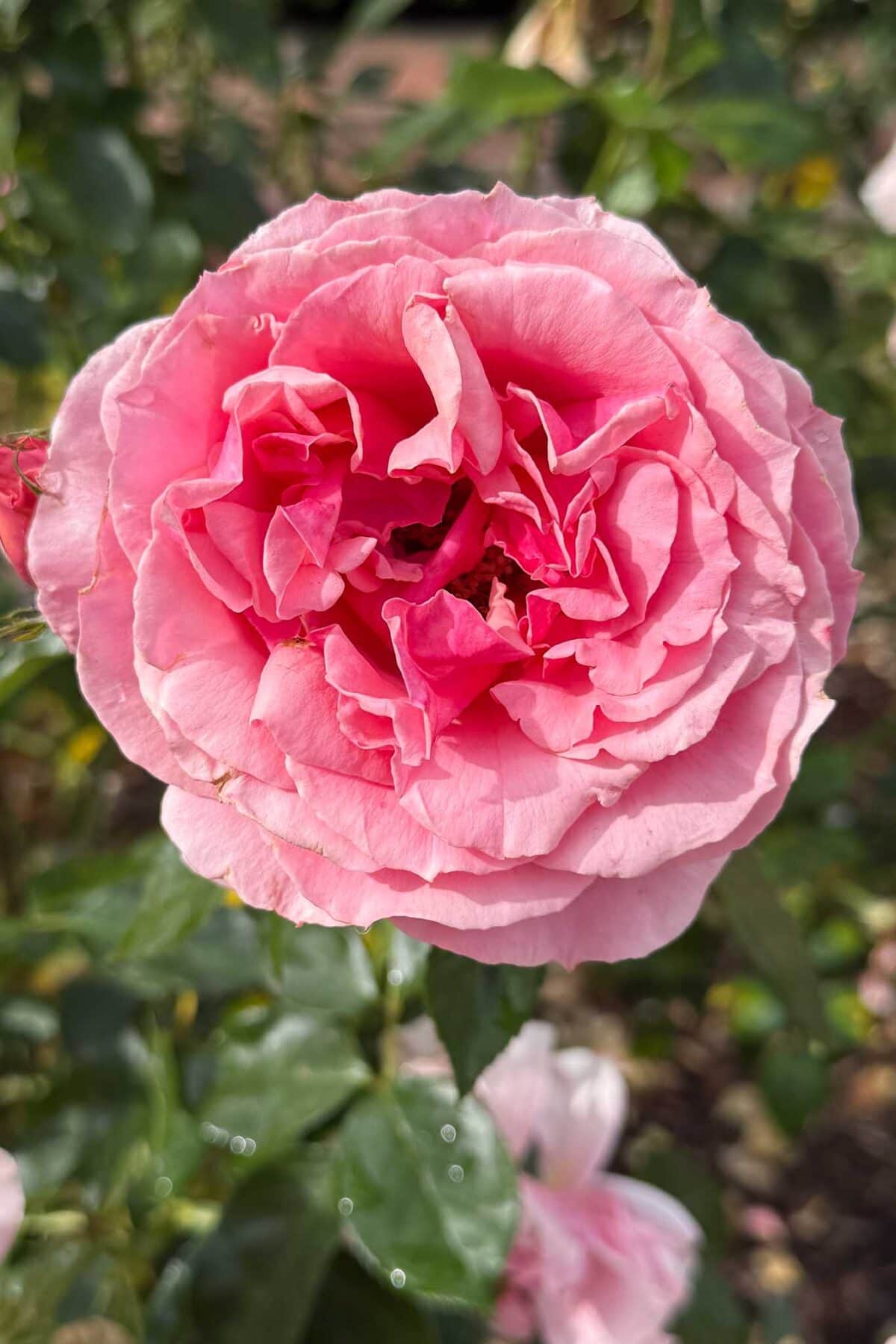
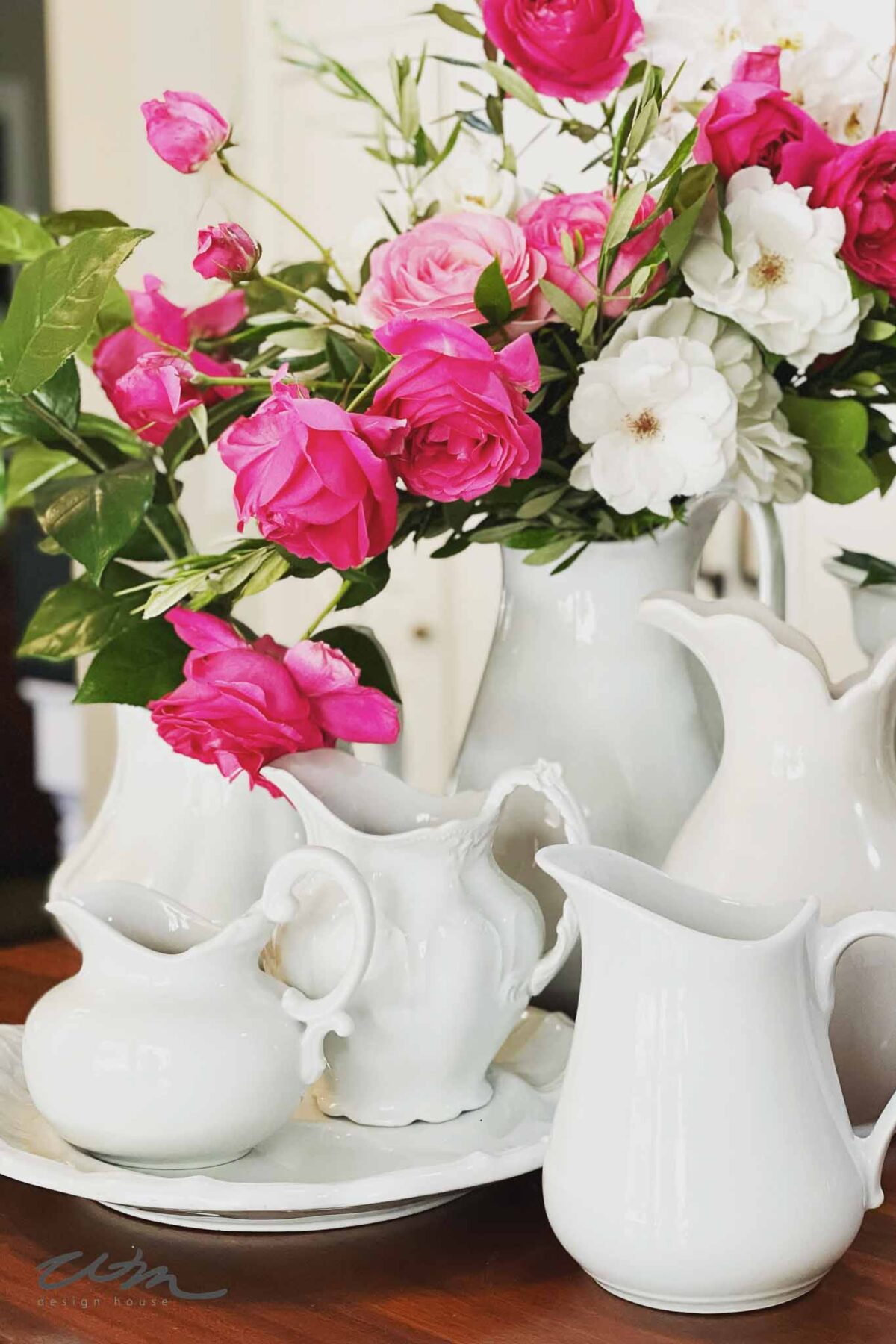
When to plant: Bare root roses go in during late winter. Container roses can be planted almost any time in mild climates.
Vase life: 5 to 7 days for garden roses.
If you are serious about roses for cutting, order bare root roses in winter from Amazon or specialty nurseries. Heirloom varieties are my favorite and worth the splurge for their fragrance and vase life.
Tip: Cut roses early in the morning when the buds are just starting to unfurl, and place them straight into water.
Roses also made my list of the 35 Best Zone 10A Perennials to Grow in Full Sun if you want more sun-loving options that come back every year.
Shop My Favorite Gardening Tools

6. Hydrangeas
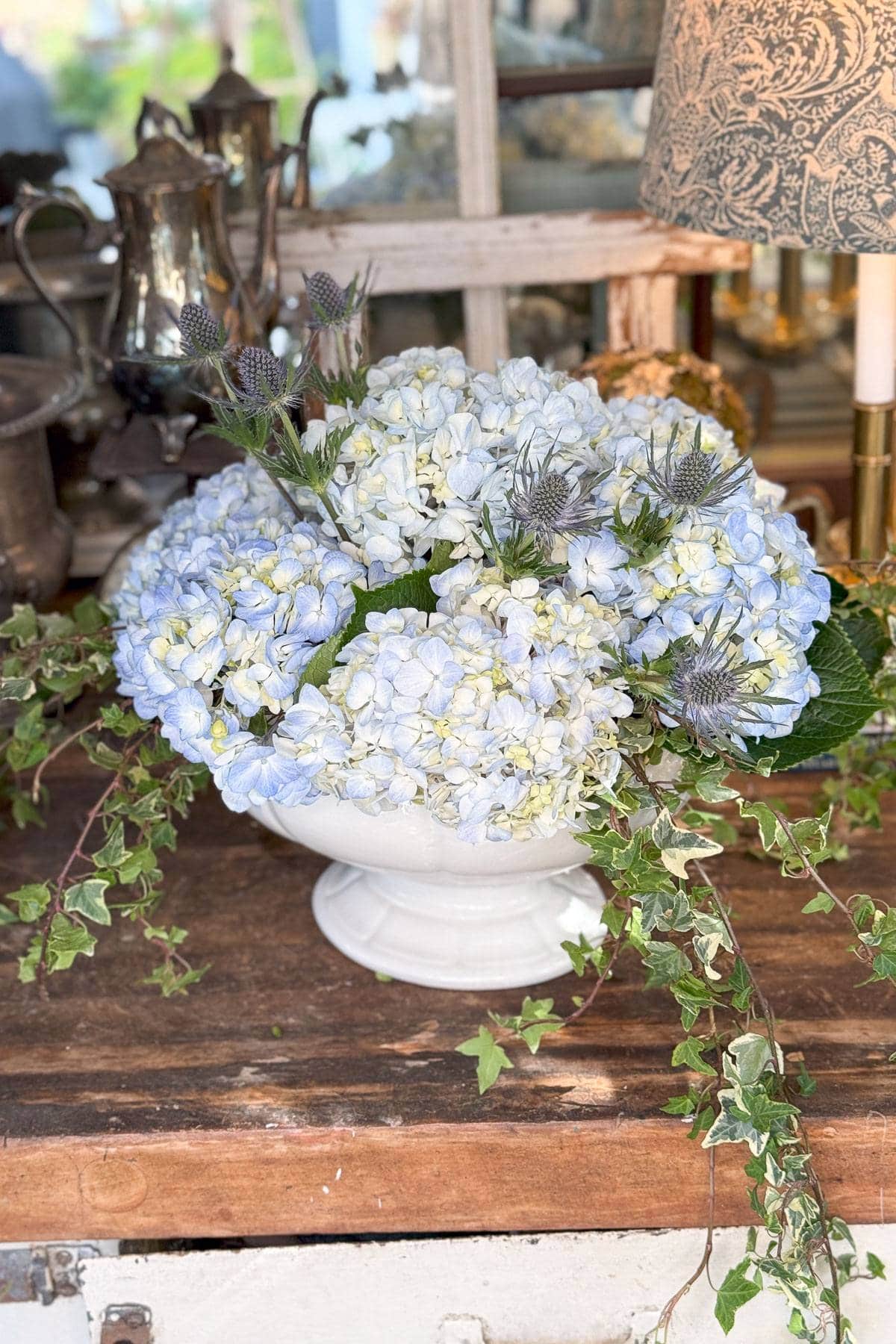
Hydrangeas are unique on this list because they pull double duty as both fresh and dried cut flowers. The big mophead blooms make a statement in summer arrangements, and they dry beautifully on the stem for fall and winter decor. One hydrangea bush gives you months of cutting material.
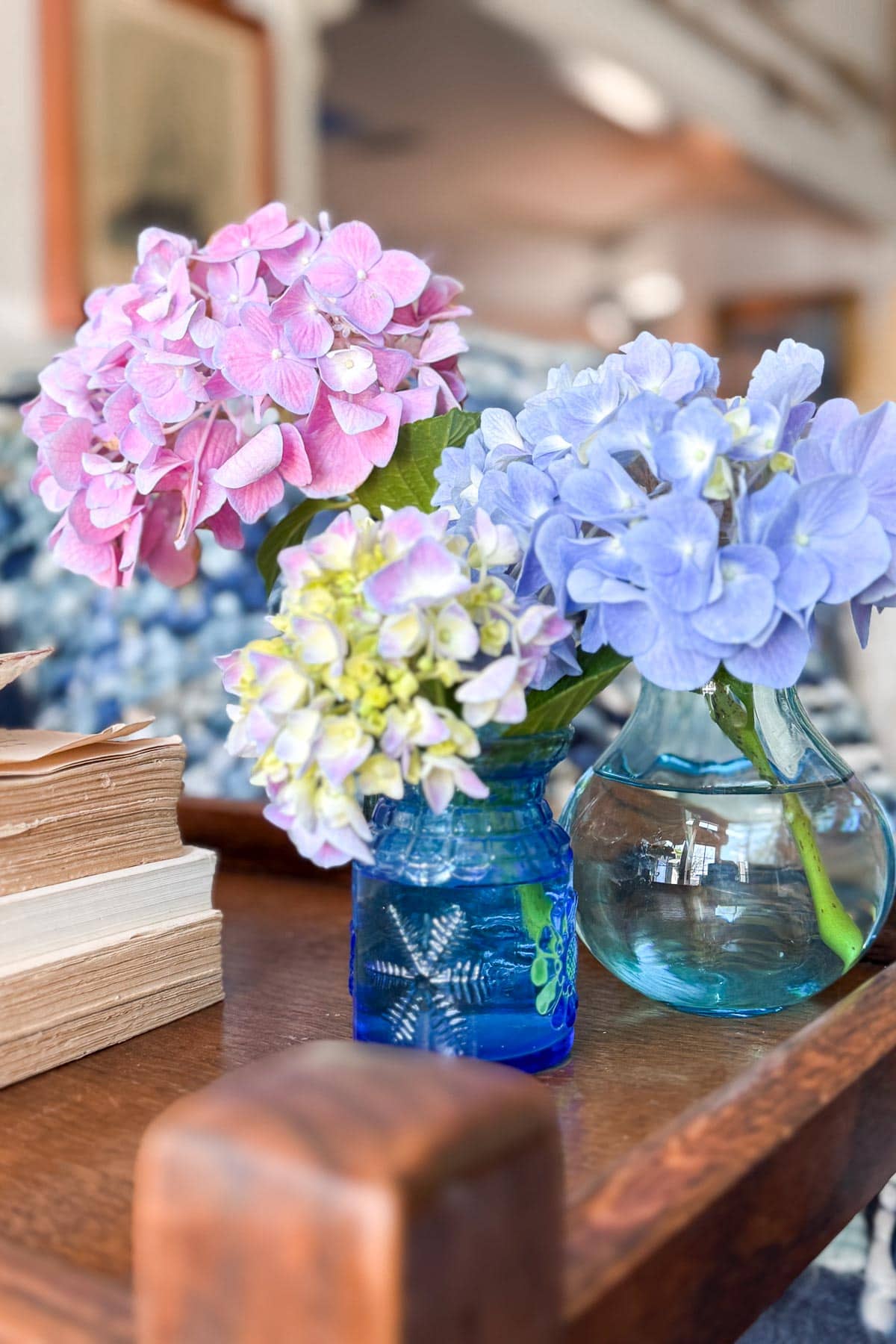

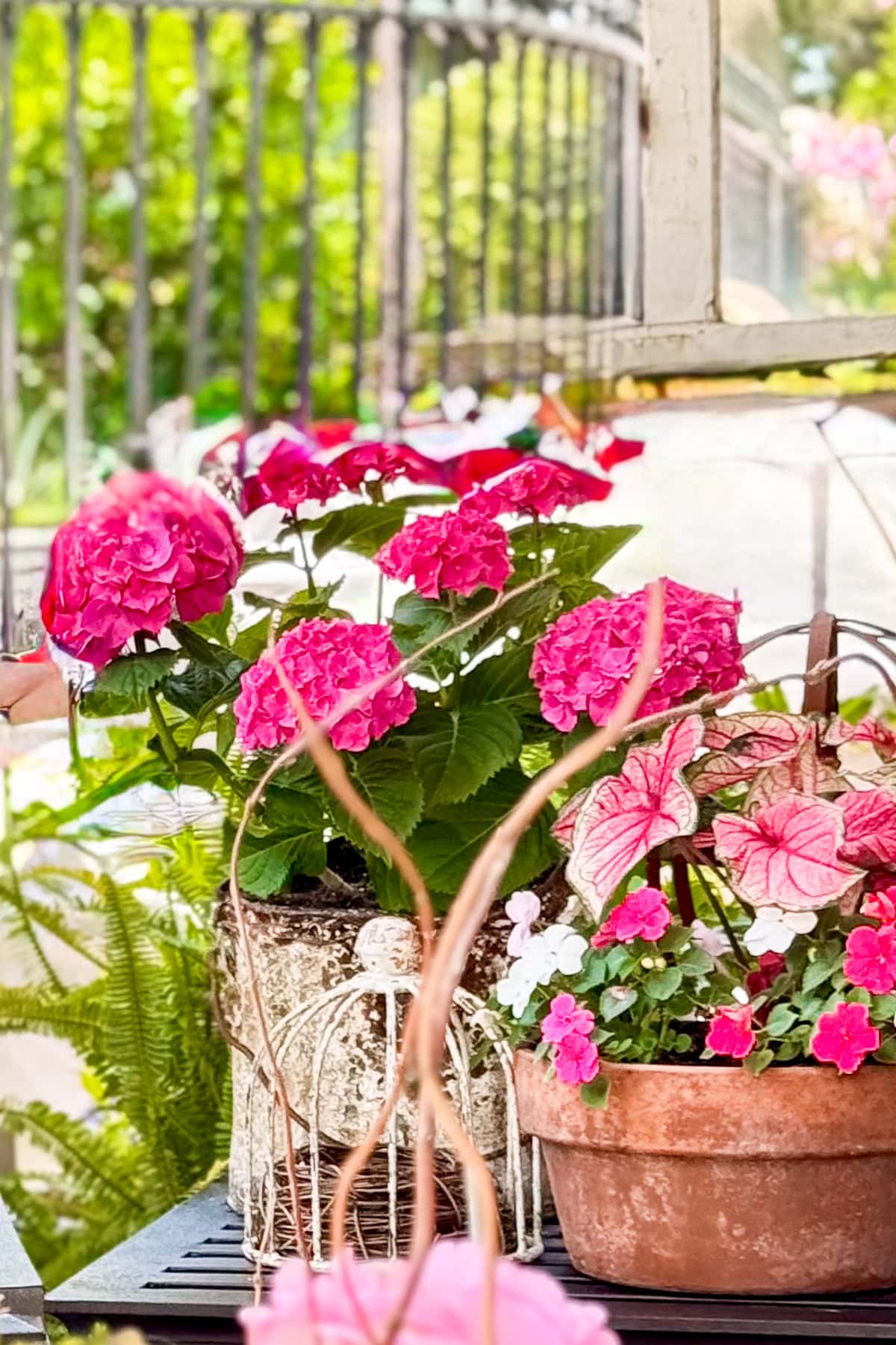

When to plant: Spring or fall, in part shade with rich, moist soil.
Vase life: 5 to 7 days fresh, indefinitely once dried.
Hydrangea plants are easier to source than seeds, and you can find young plants on Amazon or at your local nursery in spring. Look for varieties labeled as good for cutting and long vase life.
Tip: For fresh arrangements, cut hydrangeas in the morning and dip the stems in boiling water for 30 seconds before arranging. It sounds odd, but it keeps them from wilting.
For everything you need to know, read Everything You Need to Know About Growing Hydrangeas.
Hydrangeas are one of my favorite flowers to arrange, and if you love classic blue blooms, you can see how I style them in this simple blue hydrangea arrangement.
7. Ranunculus
If you have ever seen a flower that looks like a tightly layered, papery rose and wondered what it was, that was a ranunculus. They are one of my absolute favorite spring cut flowers, and they thrive in mild winter climates like mine. In Zone 10A, ranunculus are basically a cheat code for a stunning spring bouquet garden.
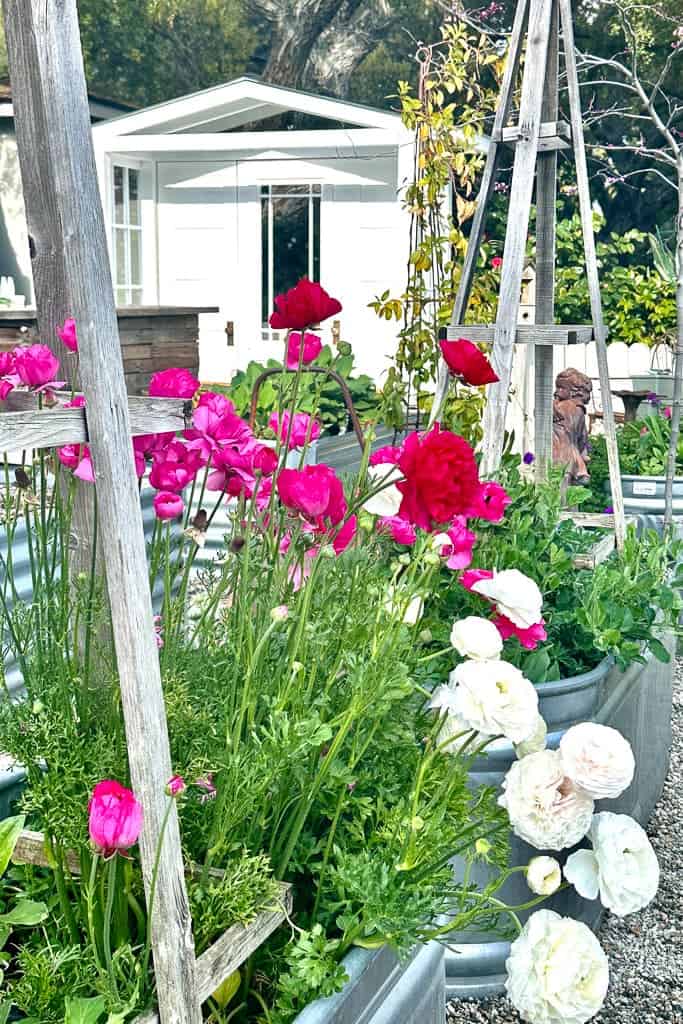
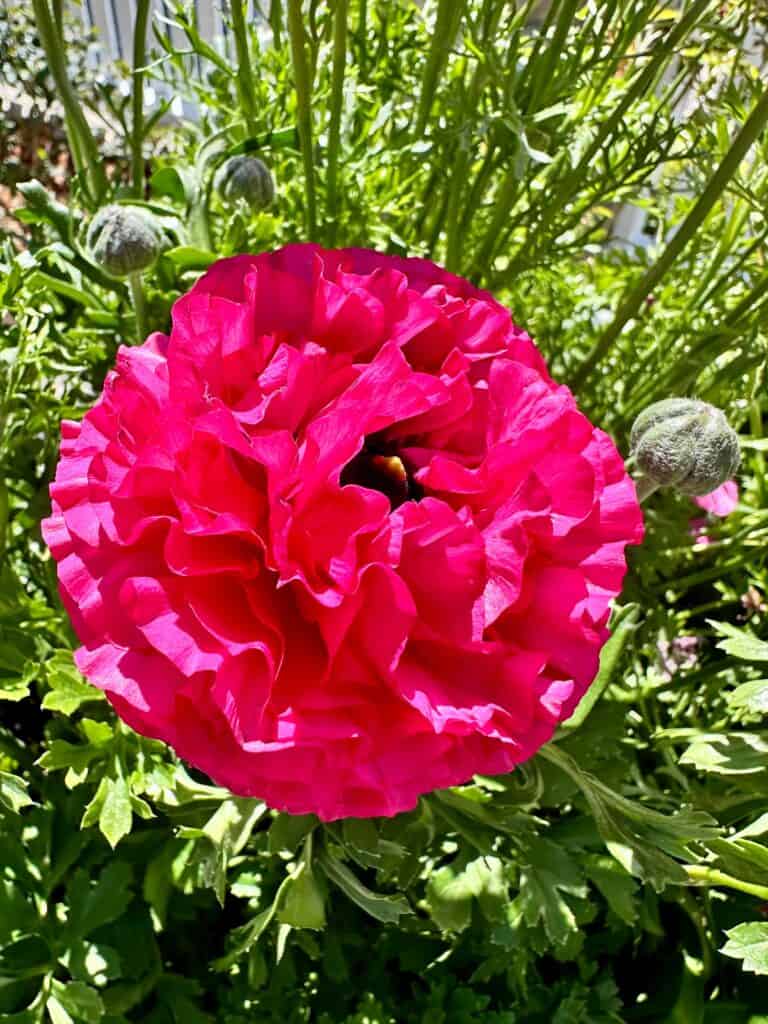


When to plant: Soak and pre-sprout corms in fall in mild climates, or in early spring in colder zones.
Vase life: 7 to 10 days, which is exceptional.
I order ranunculus corms from Amazon in late summer for fall planting, and I always look for the tecolote or French varieties for those full, romantic layers. They are one of the few bulbs that actually thrive in my Zone 10A garden.
Tip: Plant the corms with the little claws pointing down. They look like tiny octopuses and it is hard to tell which side is up at first.
8. Snapdragons
Snapdragons add the vertical “spike” element that makes a bouquet look professionally arranged. They thrive in cool weather, which makes them perfect for spring and fall in Zone 10A and for early summer everywhere else. The pastel varieties like Madame Butterfly and Chantilly are my favorites for soft, romantic arrangements.
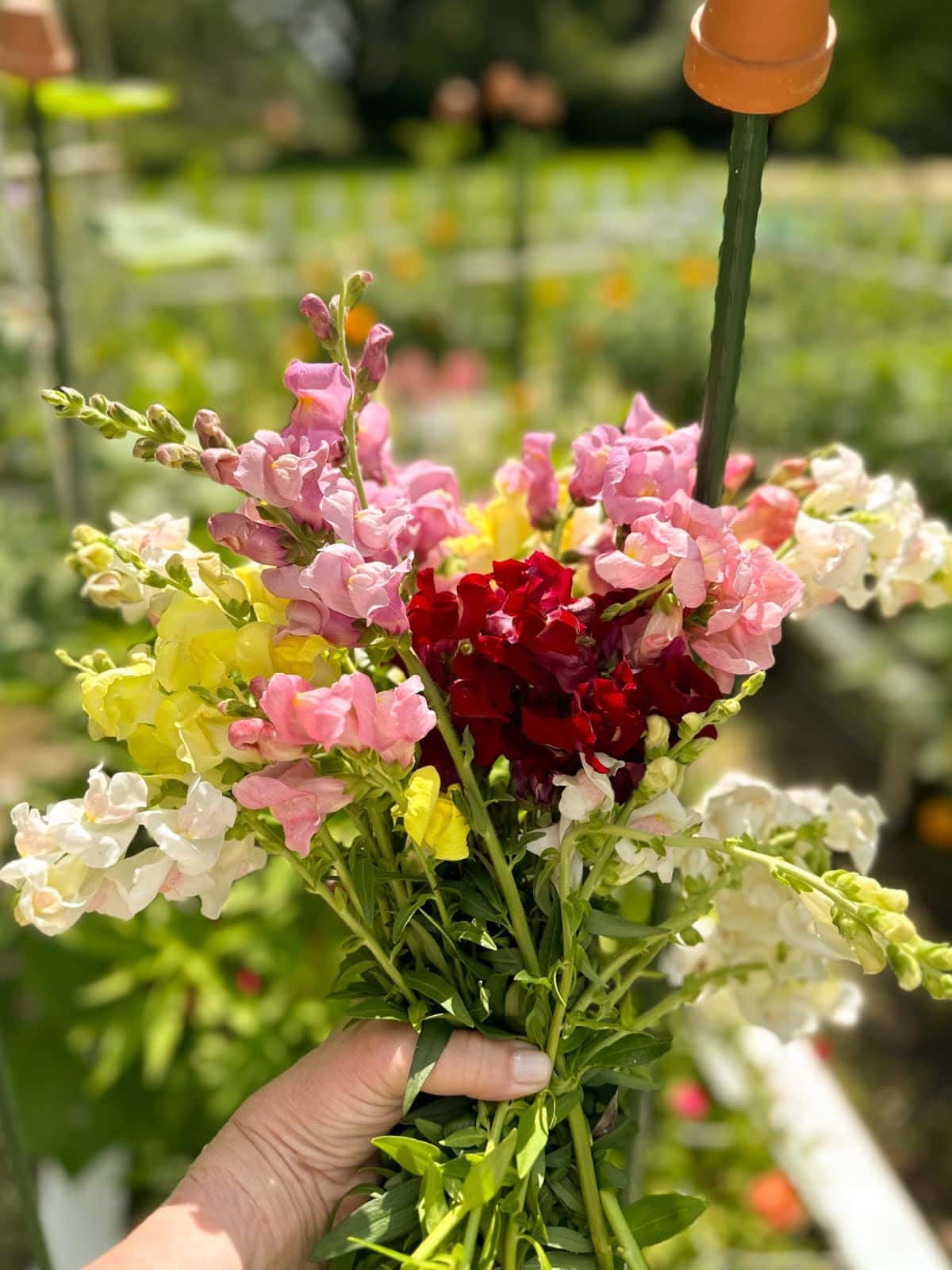
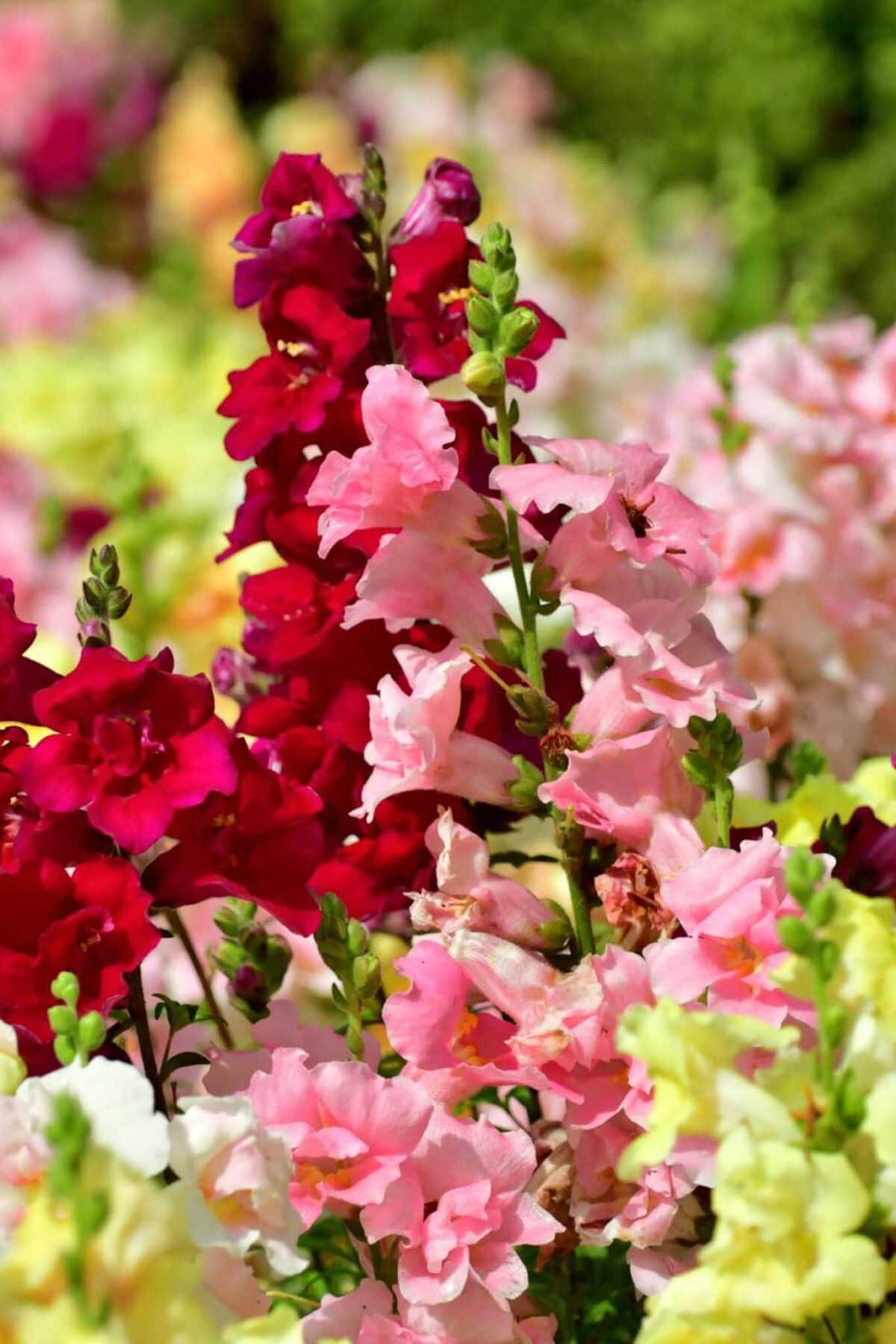
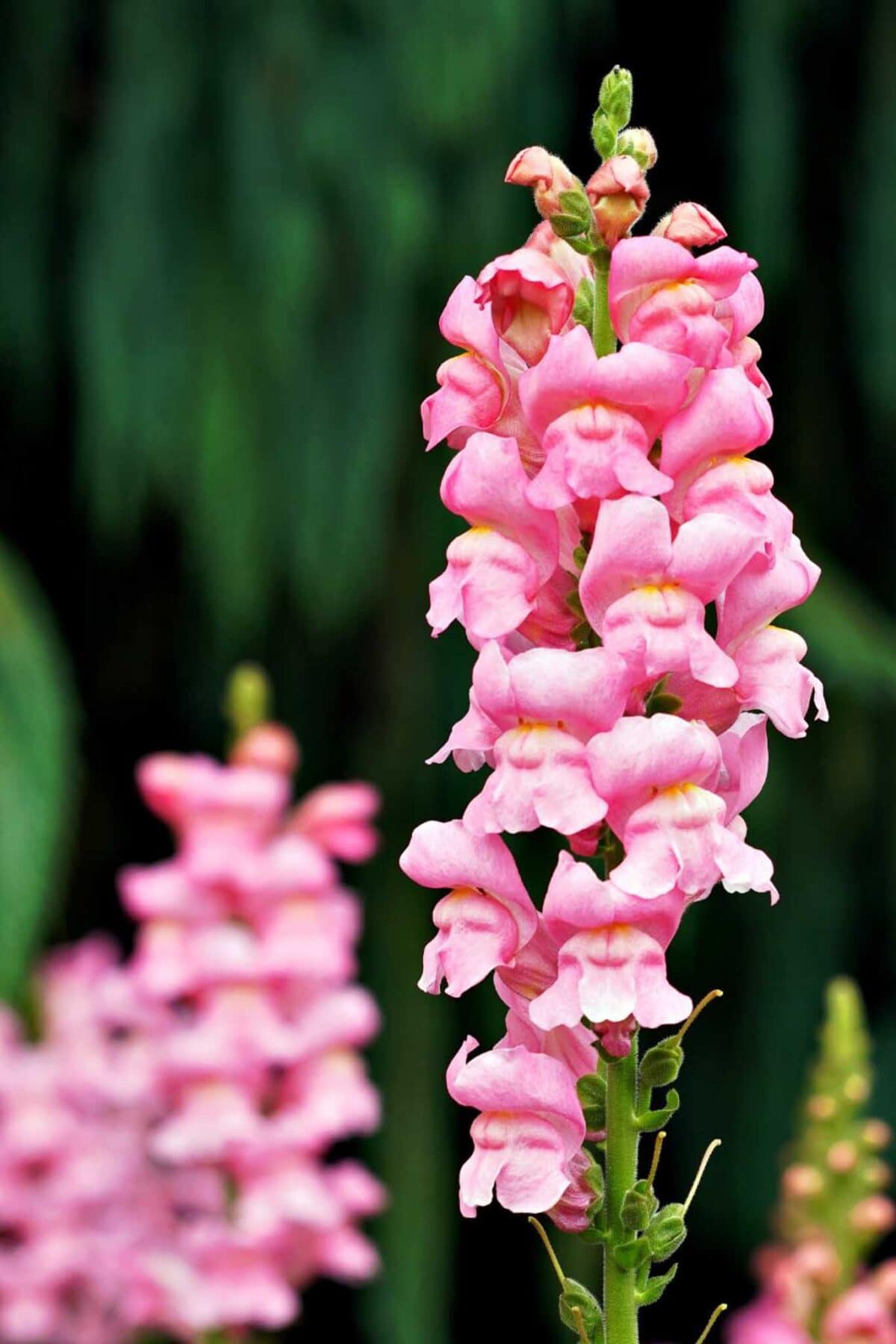
When to plant: Plant out in fall in mild climates, or in early spring after light frost in cooler zones.
Vase life: 7 to 10 days.
Snapdragon seeds are readily available on Amazon, and I love the tall varieties like Madame Butterfly for that cottage garden height. Plant them in fall for winter and spring blooms in warm climates.
Tip: Cut snapdragons when the bottom third of the flowers are open. The rest will continue to bloom up the stem in the vase.
9. Lisianthus
Lisianthus is the secret weapon of professional florists, and it deserves a spot in your home garden too. The blooms look like a cross between a rose and a peony, and the vase life is incredible, often two weeks or more. They love warm climates, which makes them especially well-suited to Southern California gardens.
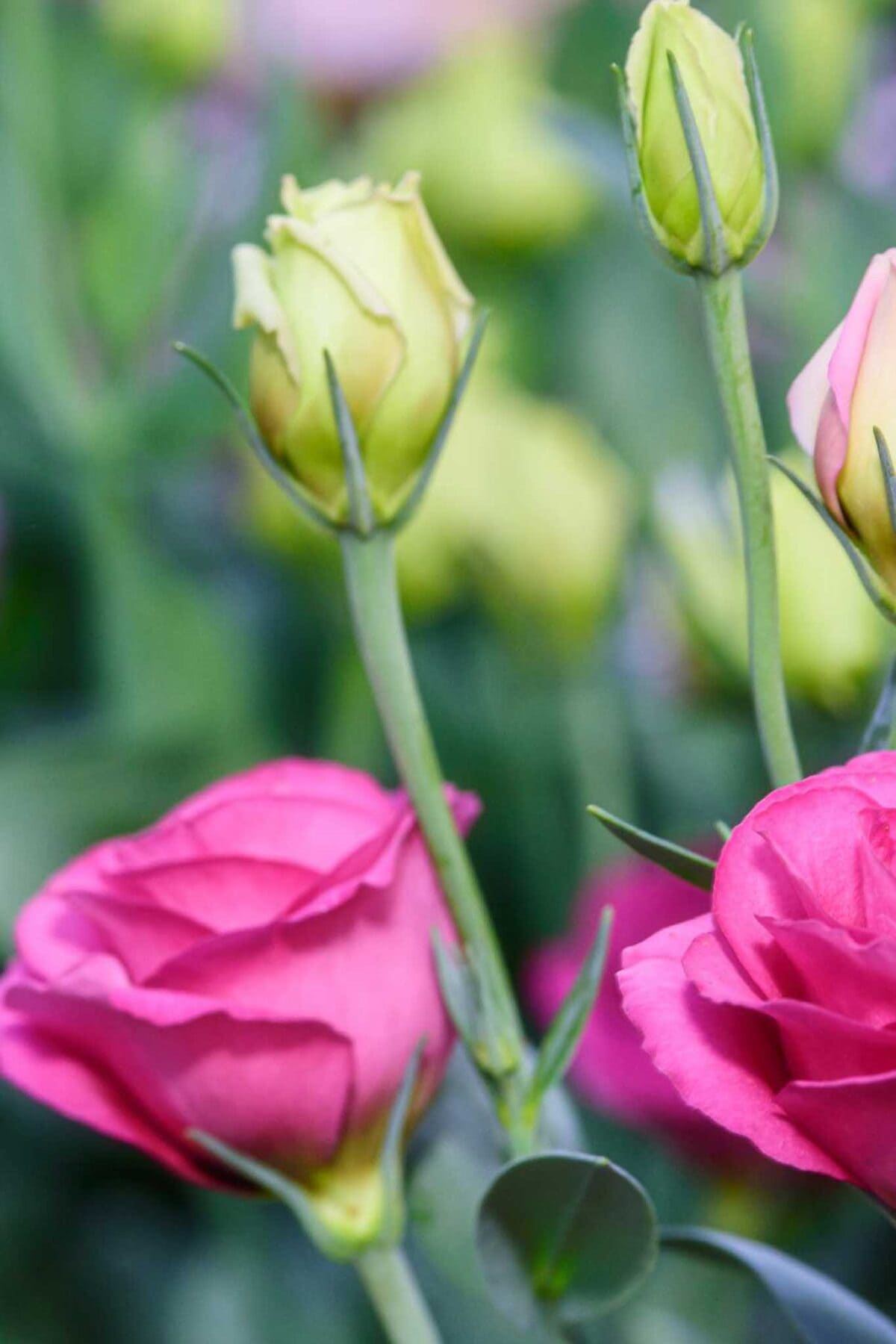
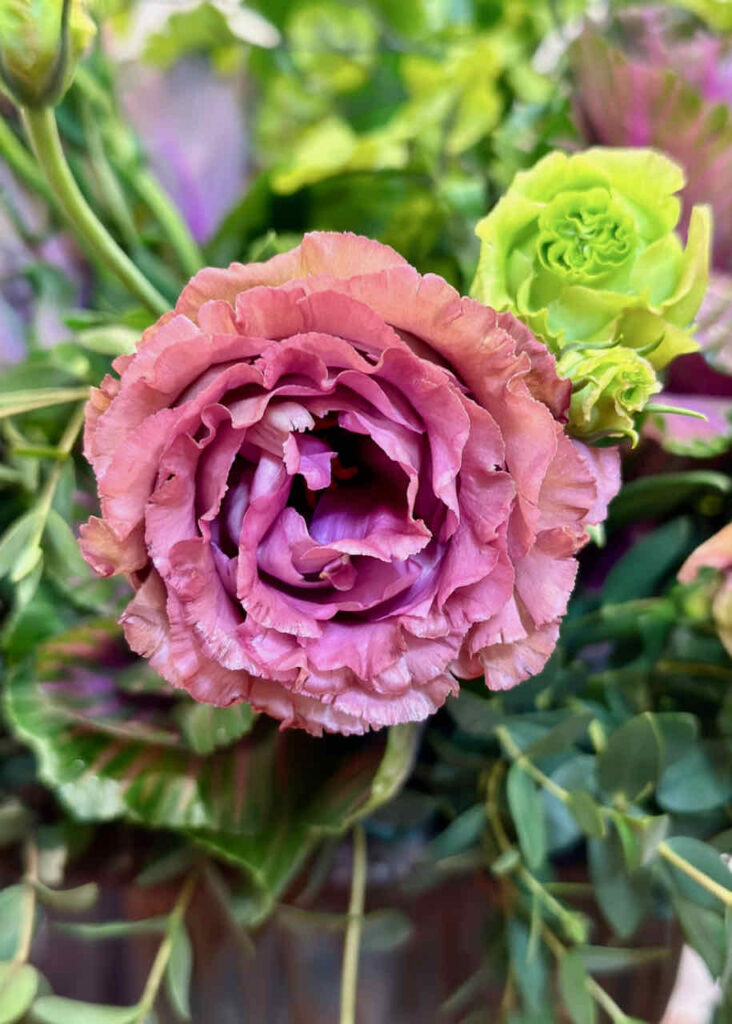
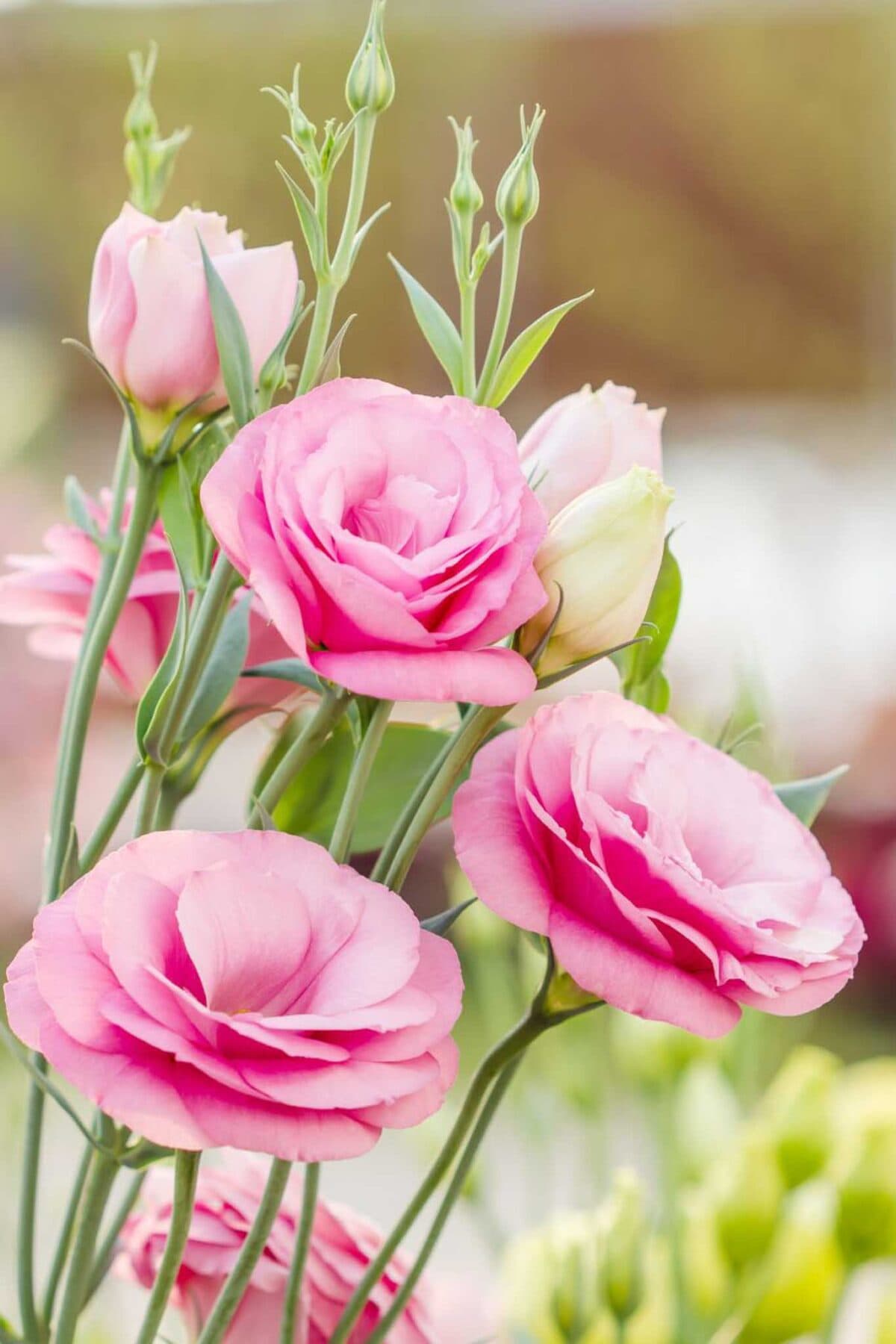
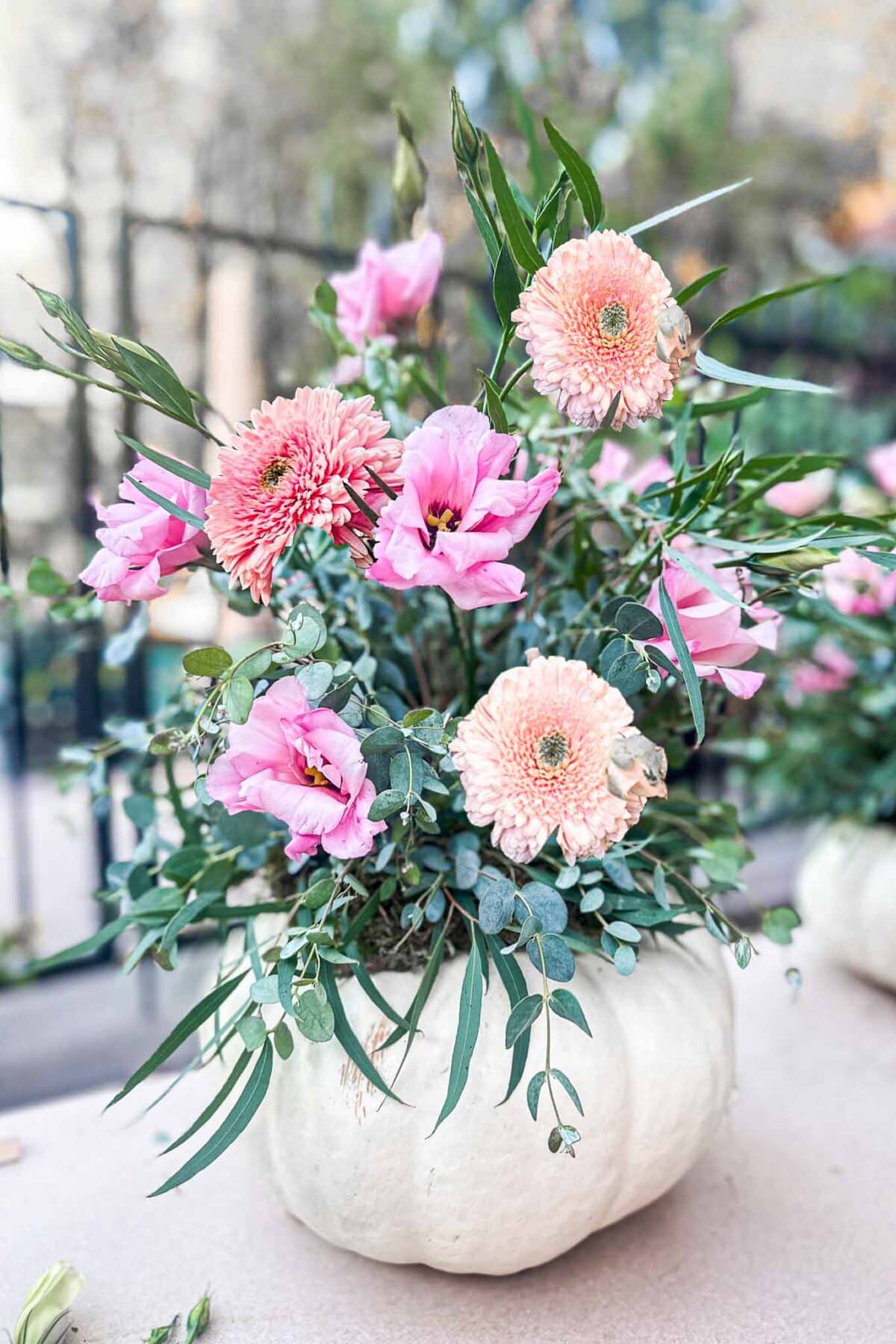
When to plant: Lisianthus is slow to grow from seed, so I recommend buying plugs or starter plants. Plant out after your last frost.
Vase life: 10 to 14 days.
Lisianthus is one of the few flowers I recommend starting from plugs or plants rather than seed, and you can find both at local nurseries or specialty growers. They take longer to germinate, so plan ahead.
Tip: Be patient. Lisianthus takes a while to get established, but once it starts blooming, you will be hooked.
10. Sunflowers
I had to include sunflowers because they are the easiest, most cheerful cut flower you can grow, and the branching varieties give you so many blooms from a single plant. Look for branching types like ProCut, Italian White, or Ruby Eclipse for the best cutting garden performance. The single-stem types are pretty, but you only get one flower per plant.
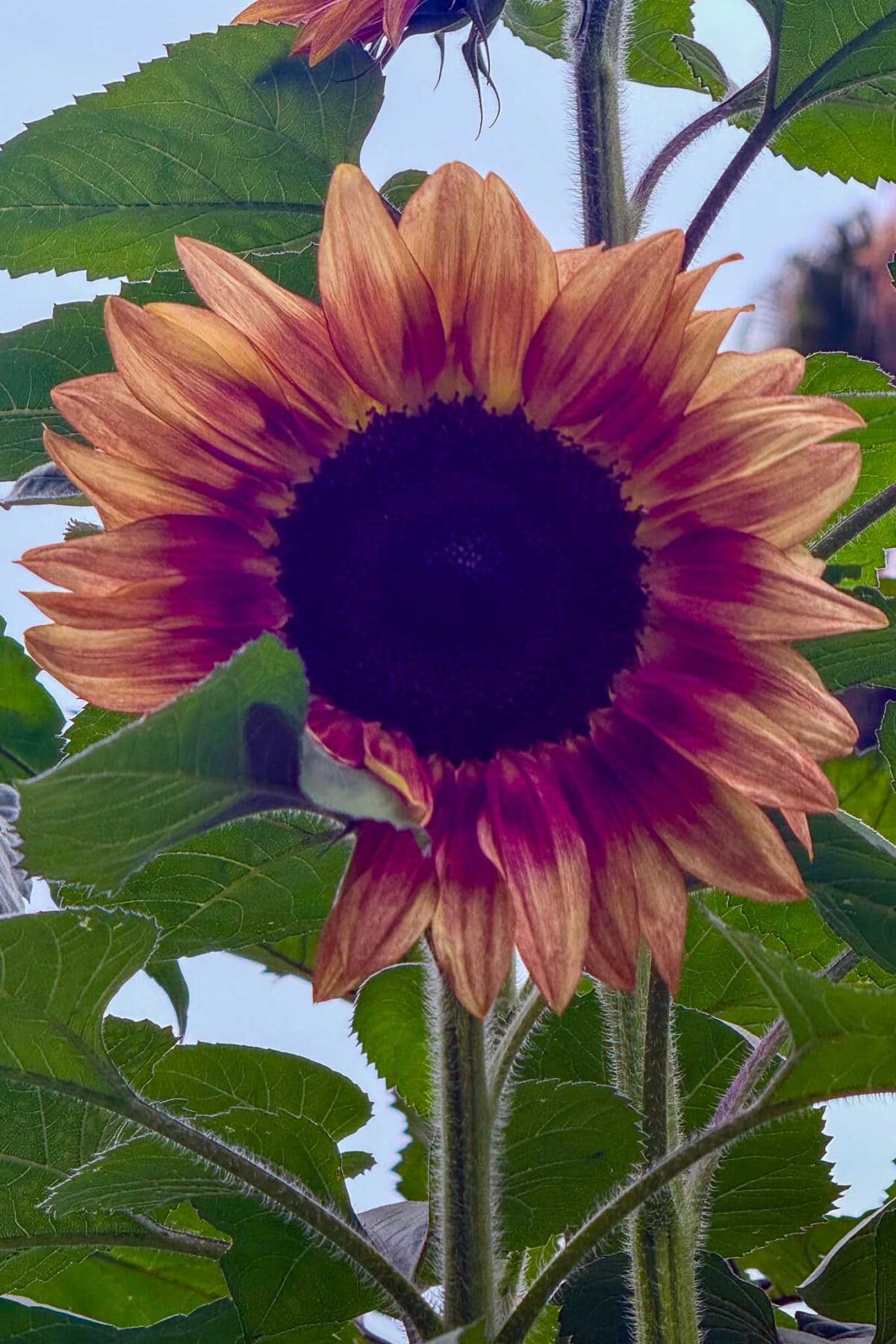
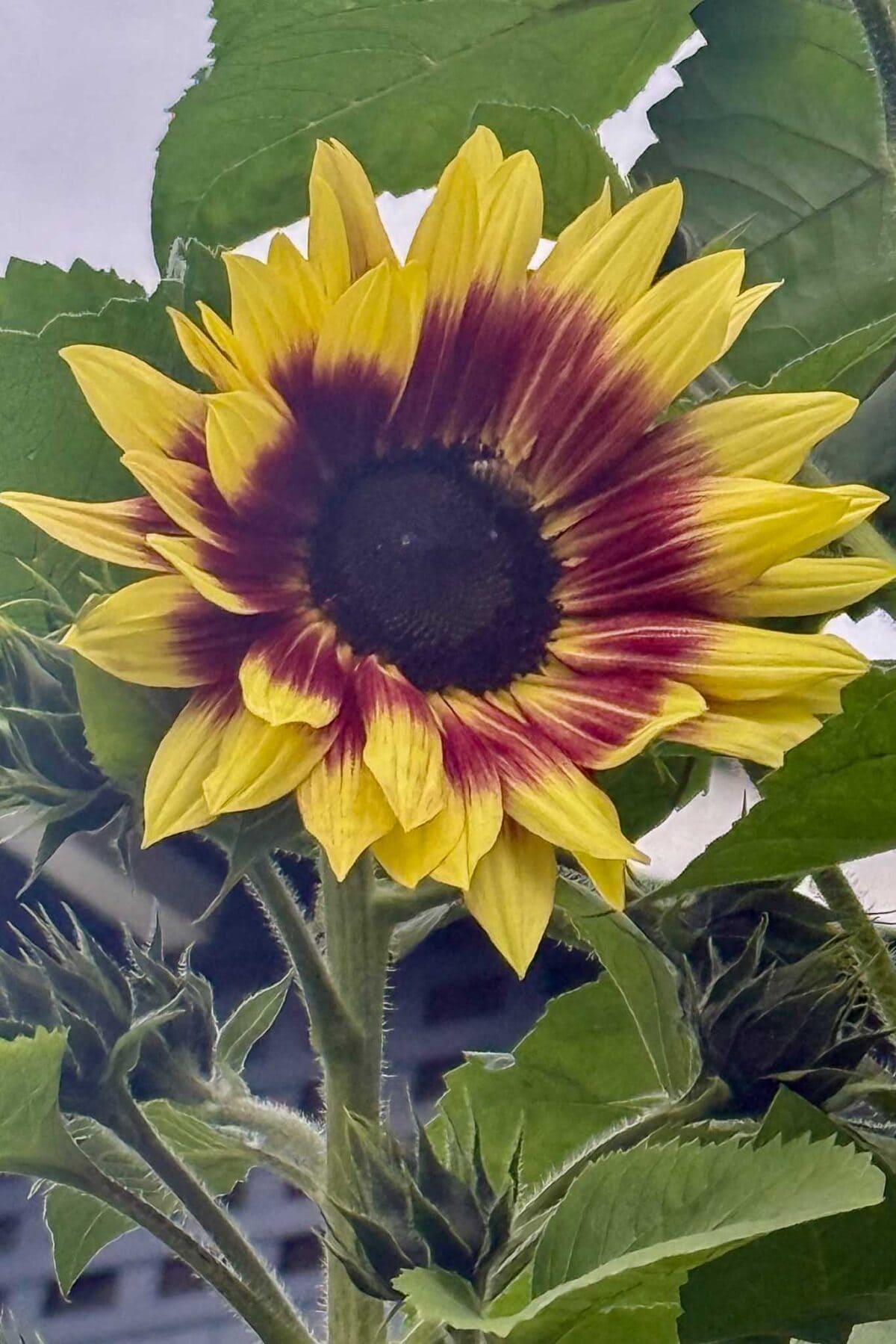
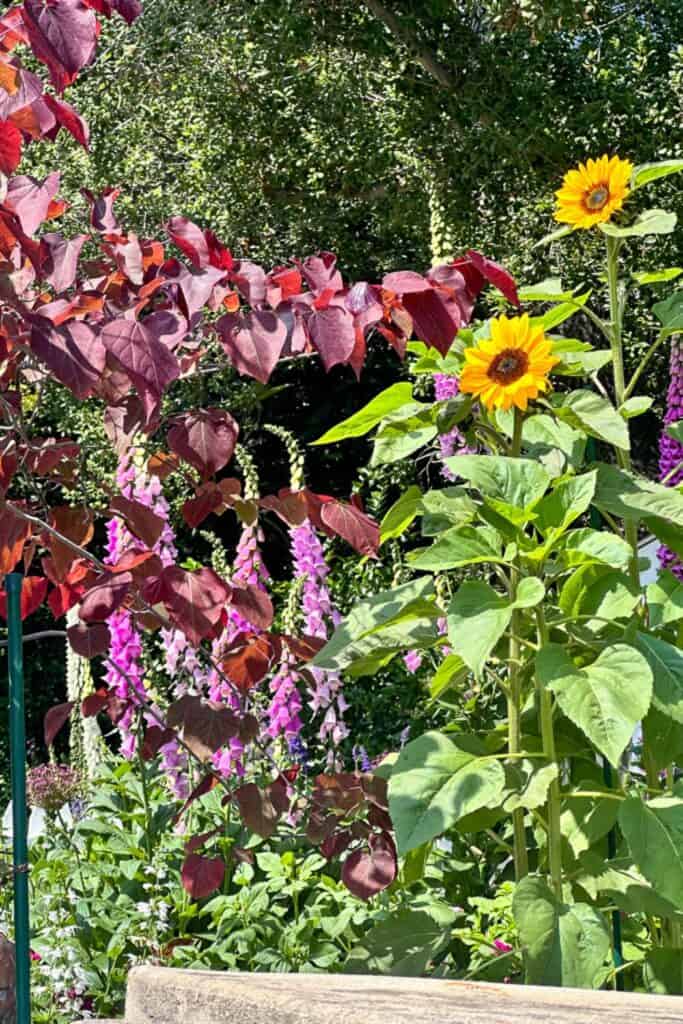
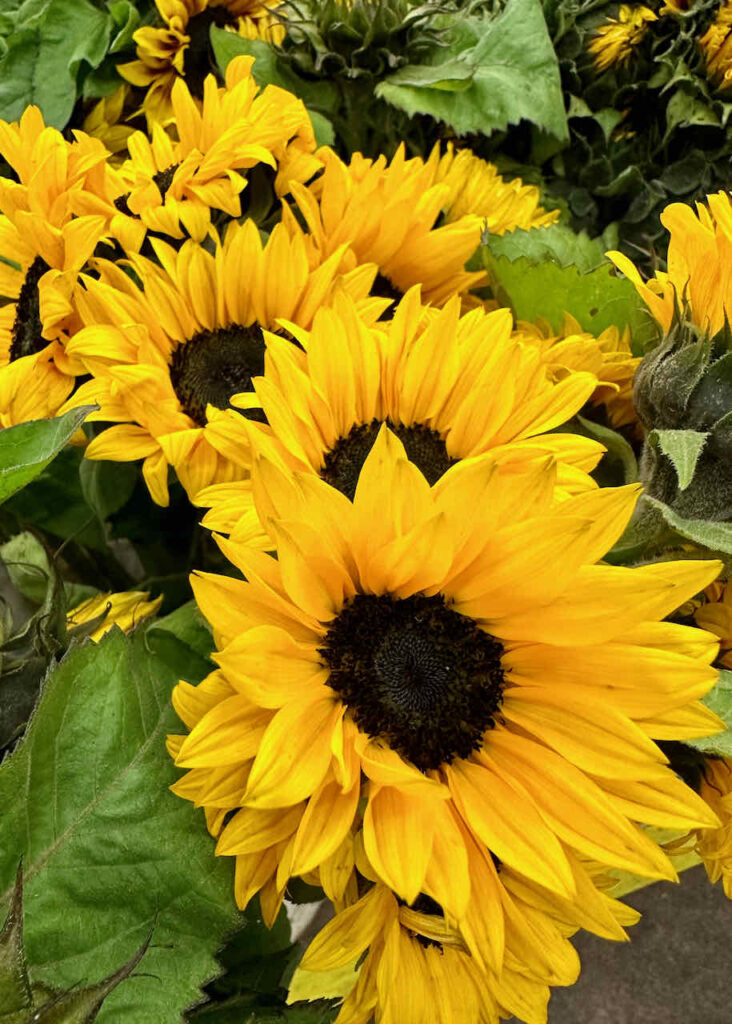
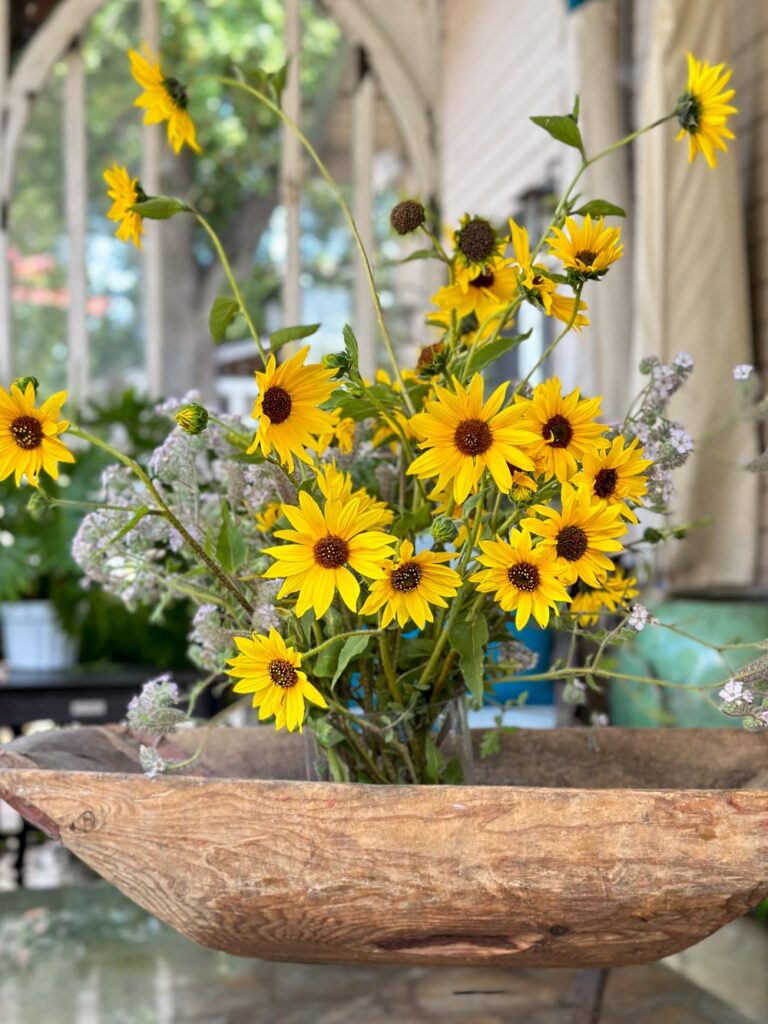
When to plant: Direct sow seeds after your last frost. Succession plant every two weeks for blooms all summer and into fall.
Vase life: 7 to 10 days.
I order my sunflower seeds from Amazon every spring, and the branching varieties like ProCut are my favorite because one packet gives you so many blooms.
Tip: For pollen-free arrangements that will not stain your tablecloth, choose pollenless varieties like ProCut.
Sunflowers are also a beautiful addition to fall tablescapes and mantel arrangements, which you can see more of in my Floral Arrangements and Centerpieces collection.
Tips for Planning Your Cut Flower Garden
A few things I have learned over the years that will save you time and frustration:
- Plan for succession. Mix early bloomers like sweet peas and ranunculus with mid-season favorites like roses and zinnias and late-season stars like dahlias. That way you have flowers to cut from spring through fall.
- Plant in rows or blocks, not scattered through your landscape. It is easier to cut, easier to net for support, and easier to maintain.
- Cut early in the morning when stems are full of water. Bring a bucket of clean water with you and place stems in it immediately.
- Use clean tools and clean vases. Bacteria is the number one cause of short vase life.
- Strip the lower leaves so nothing sits below the waterline.
If this is your first year planting a cut flower garden, do not feel like you need to grow all 10. Pick three or four that excite you most and start there. You can always add more next season.
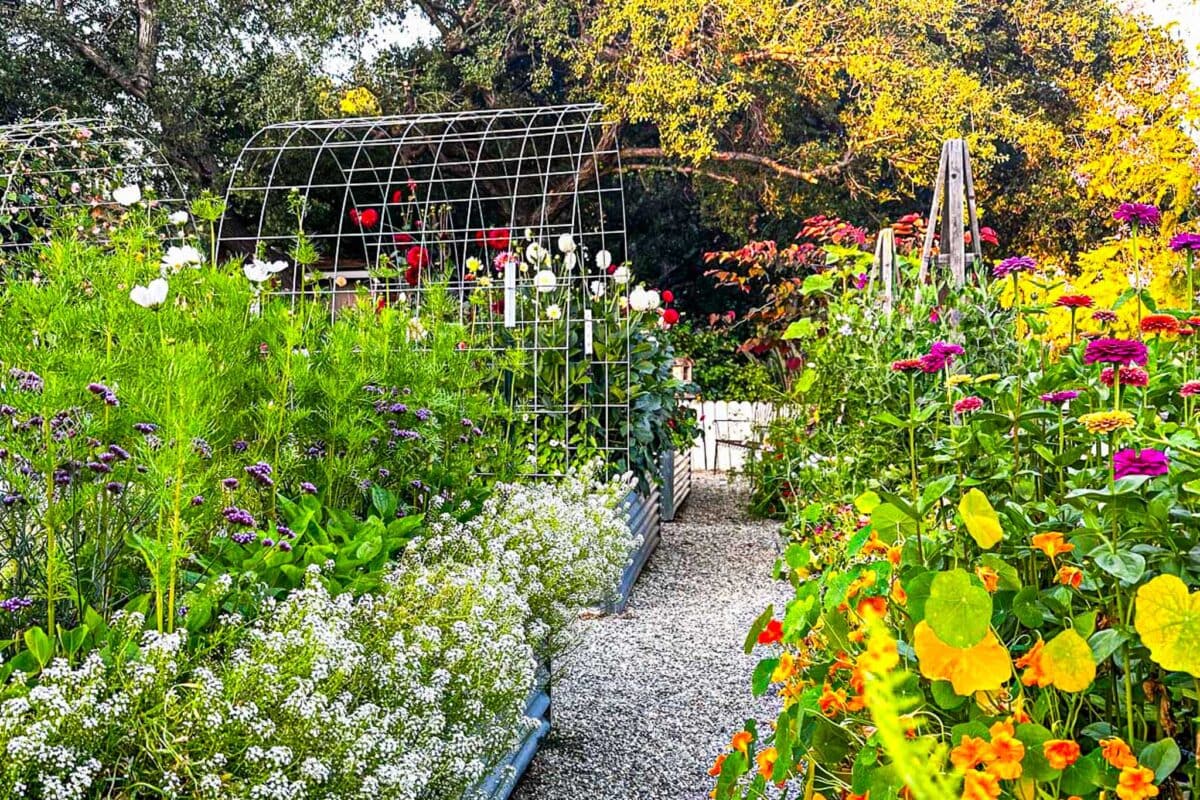
For more help getting your garden ready for the season, read Preparing Your Garden for Spring: 14 Easy Tips and my Complete Guide to Gardening.
What are the easiest cut flowers for beginners? Zinnias, cosmos, and sunflowers are the easiest by far. All three grow quickly from seed, they bloom prolifically, and they tolerate a wide range of soil conditions.
What is the longest-lasting cut flower in a vase? Lisianthus wins this one with 10 to 14 days of vase life. Zinnias and ranunculus are close behind at 7 to 10 days.
Can I grow cut flowers in containers? Absolutely. Dahlias, zinnias, snapdragons, and cosmos all do well in large pots. Just make sure your containers are at least 12 to 14 inches deep and have good drainage.
When should I cut flowers from my garden? Early morning is best, when stems are full of water and the day has not yet warmed up. Evening is the second-best time. Avoid cutting in the heat of the afternoon.
A Final Thought
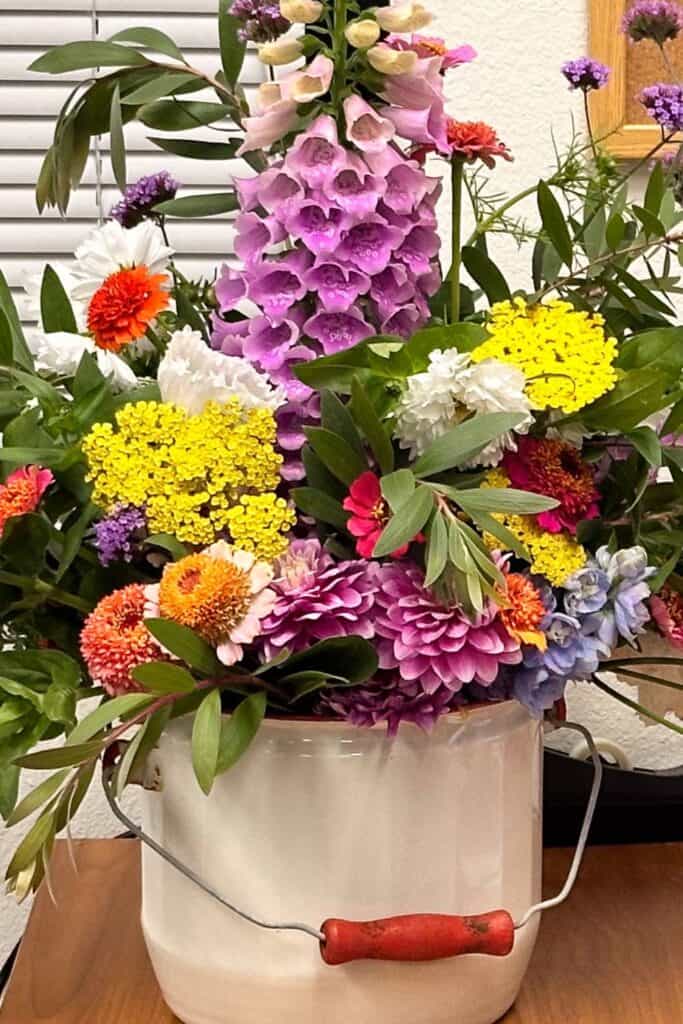
Growing your own cut flowers is one of the most rewarding things you can do in the garden. There is something so satisfying about stepping outside, snipping a handful of blooms, and bringing a fresh bouquet into your home. Whether you start with a simple row of zinnias or fill an entire bed with dahlias, these flowers will reward you with armfuls of color all season long.
I’d love to hear which flowers you’re planting this year. Leave a comment below and let me know what’s going into your cutting garden.
Don’t forget to sign up for my email list for more seasonal gardening tips, DIY projects, and behind-the-scenes ideas from the She-Shed.

Thanks for this great info, Wendy! Every year I say I want to grow more flowers but have no idea which ones to try! I have managed to keep three hydrangeas alive, so there’s hope for me yet! Sharing this post in my Seasonal Sentiments Rewind newsletter on the last day of this month!
Those are my 10 favorites too! Although I don’t have good luck with Ranunculus in my zone, I keep trying every year!