
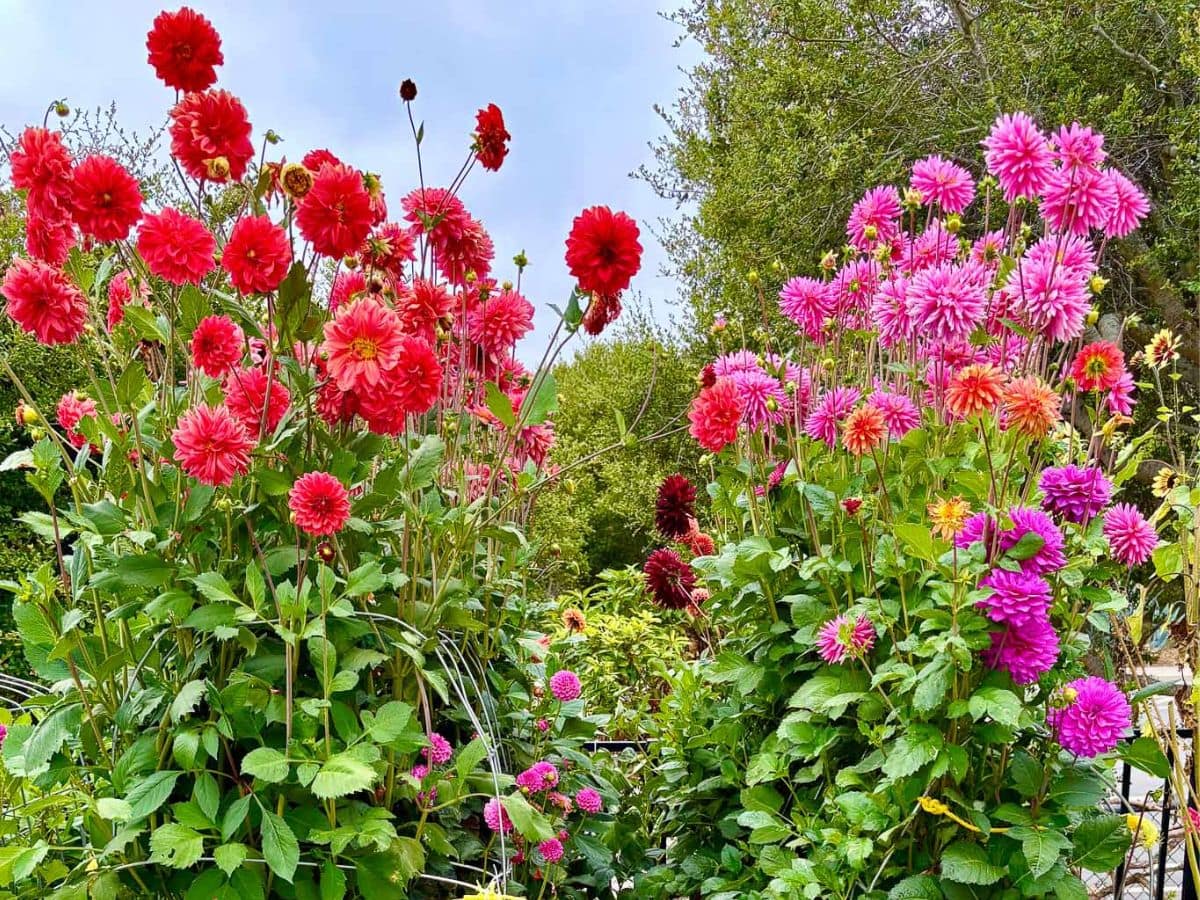
In this post, you’ll learn exactly how to plant dahlia tubers — when to plant them, how deep to place them, how far apart to space them, when to water, and a few simple tips that make a big difference later in the season.
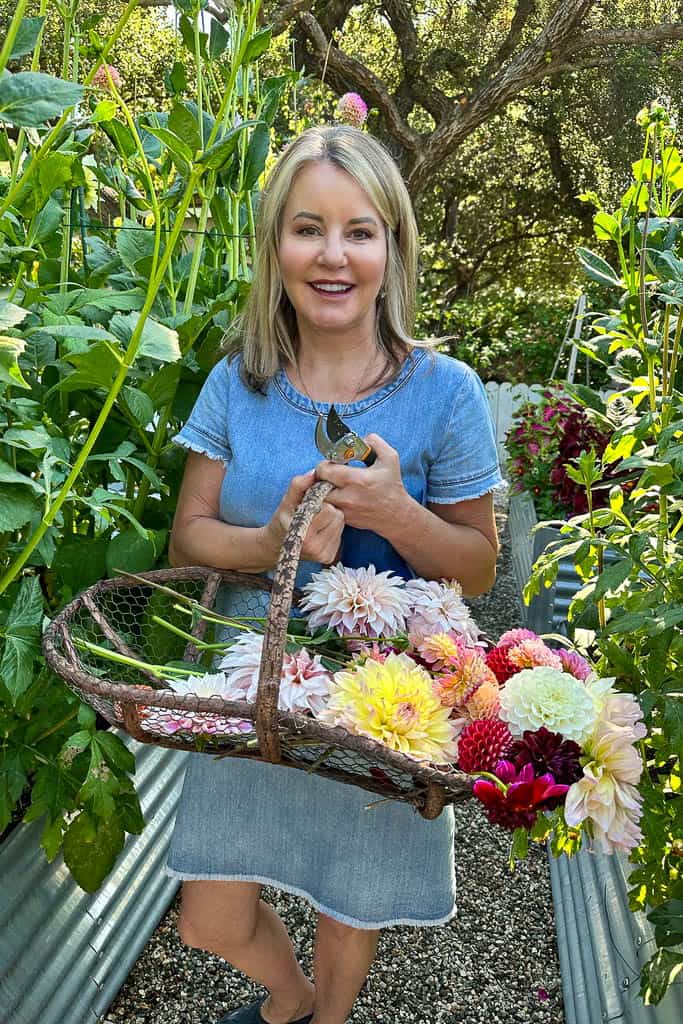
On my blog WM Design House, I may sometimes use affiliate links, which means a small commission is earned if you purchase via the link. The price will be the same whether you use the affiliate link or go directly to the vendor’s website using a non-affiliate link. Read my full disclosure policy here.
How to Plant Dahlia Tubers (Quick & Easy)
If you’re wondering how to plant dahlia tubers, it’s actually very simple. I lay each tuber on its side, about 4–6 inches deep, in loose, well-draining soil, and wait until the danger of frost has passed. I also hold off on watering until they are about 4″ tall, which always feels a little wrong, but really does make a difference. After that, nature takes over.
This method has worked well for me when planting dahlia tubers in both raised beds and garden borders.
Step-by-Step: How to Plant Dahlia Tubers
Getting Ready to Plant Dahlias
Getting ready to plant my dahlias always makes spring feel closer, even when it’s still January and the garden is quiet.
This is the time of year I start planning and dreaming about summer flowers. Dahlias are easy to grow and give you blooms for months, which is hard to beat.
If you’ve never planted tubers before, don’t worry — they may look a little strange, but they’re simple to work with. Warning- once you grow one, you’ll probably want more.
Today I’m sharing exactly how I plant mine so they grow strong and bloom beautifully all summer.

What Is a Dahlia Tuber?
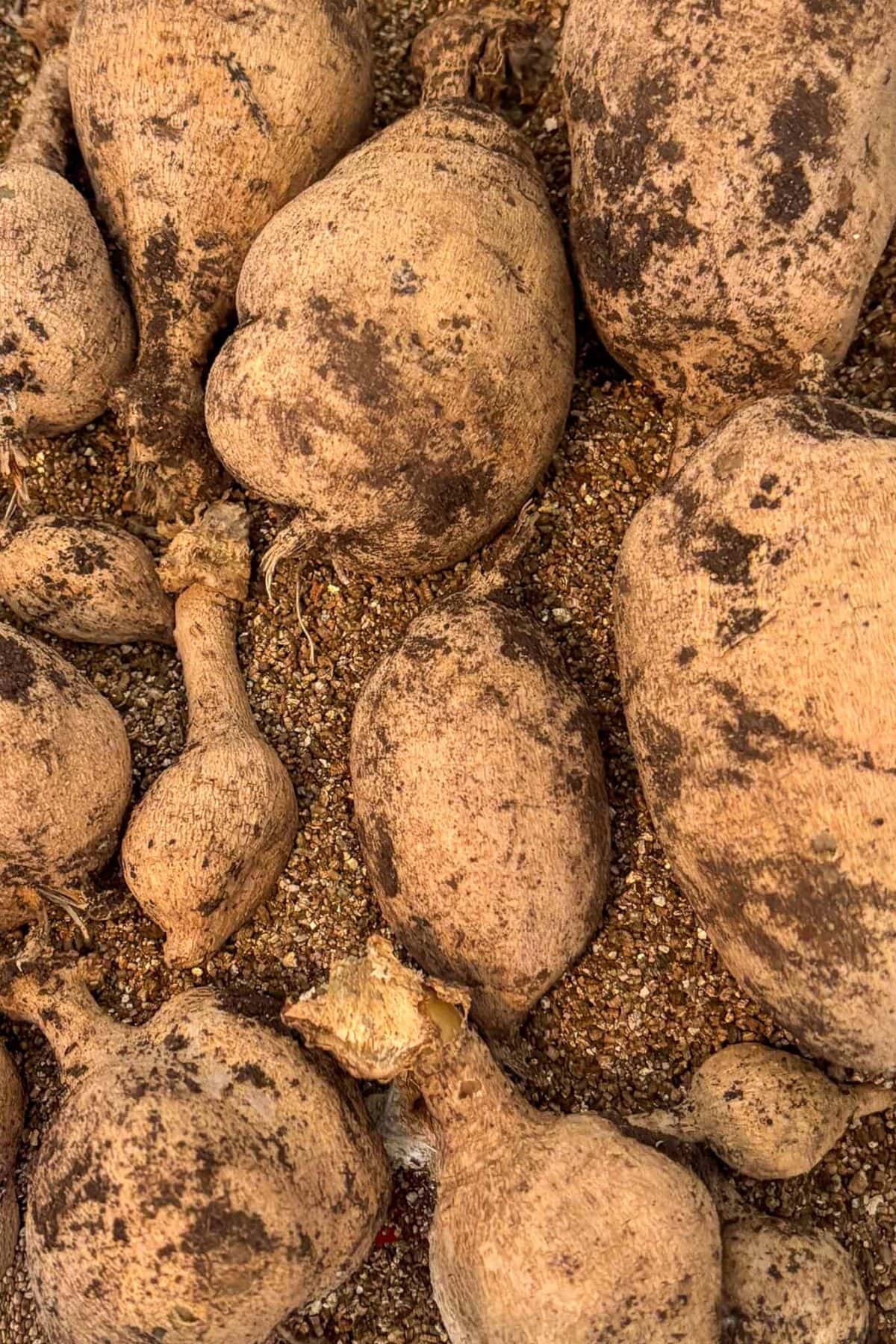
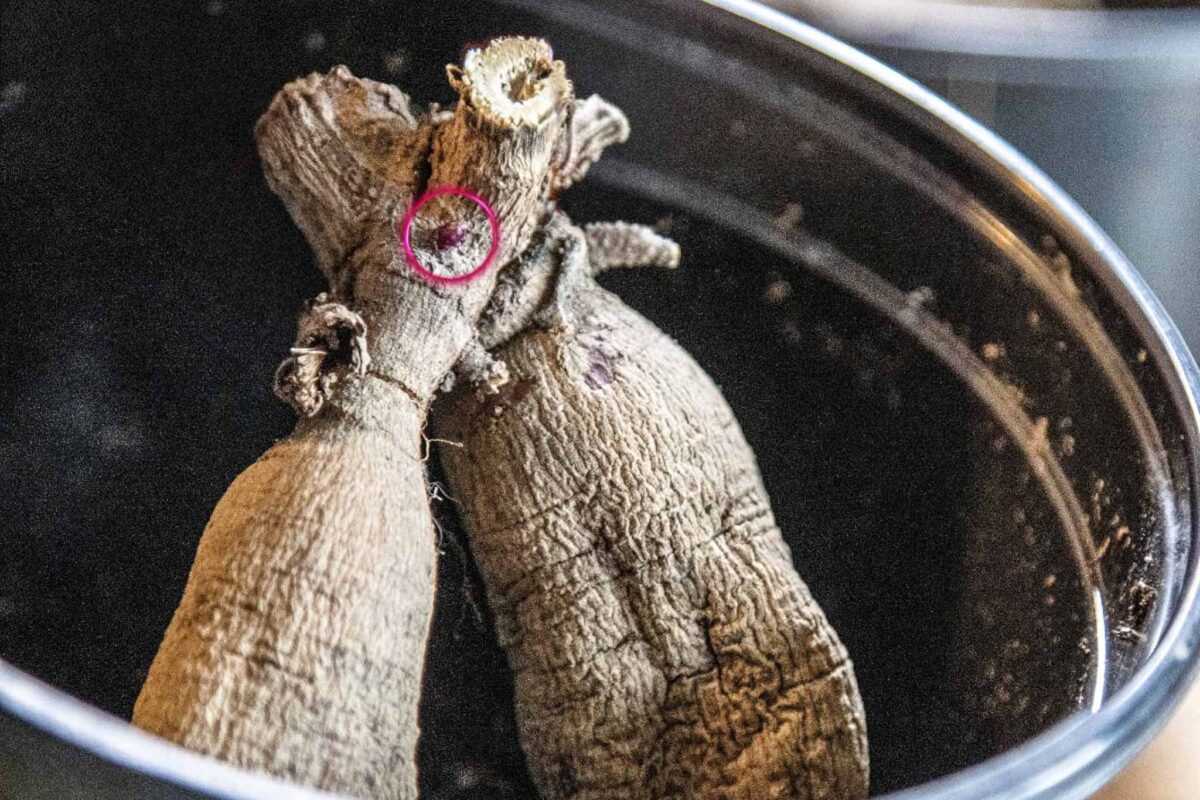
A dahlia tuber is the part of the dahlia plant that stores energy. It’s not a bulb, even though it’s often mistaken for one. Tubers look more like little sweet potatoes, sometimes growing together in a clump.
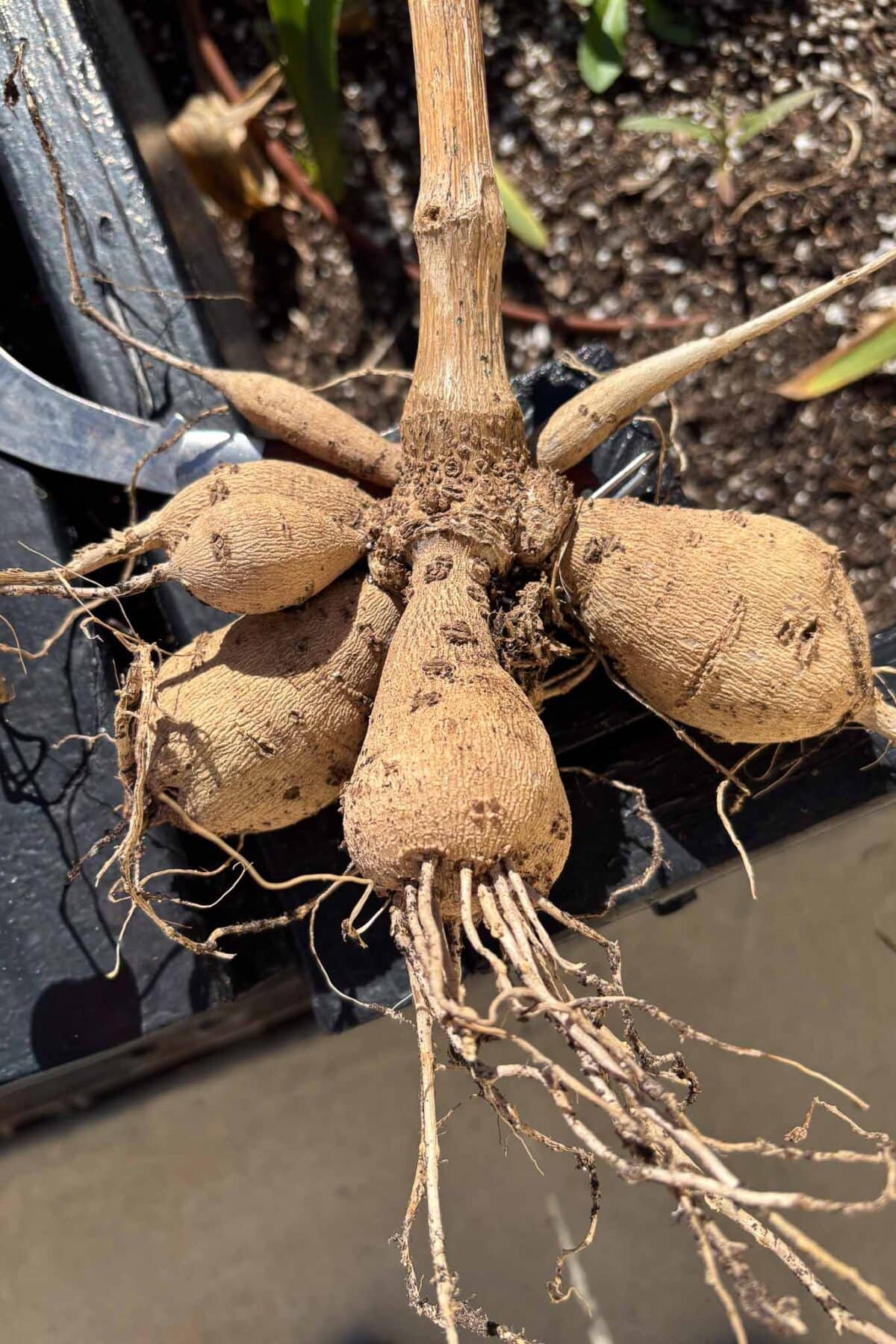
Each clump usually has several tubers attached to one main stem area called the crown. That crown is important — it’s where the new growth comes from. Without it, the tuber won’t sprout.
You can see there are seven tubers on this clump, which can be cut into several plants. (That’s a subject for another post, coming soon.)

How to Prepare Soil for Dahlia Tubers
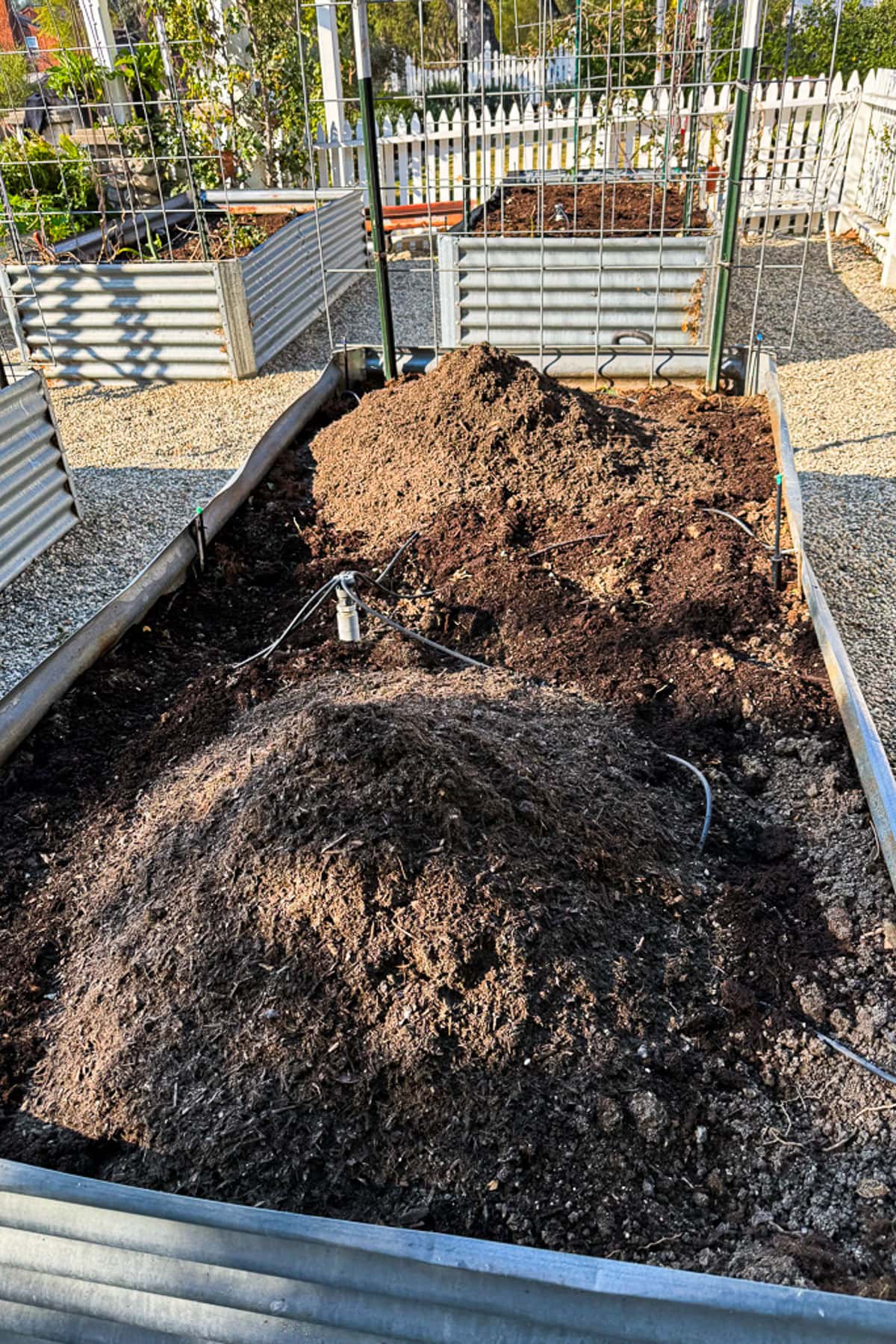
Before any tuber goes into the ground, I spend a little time preparing the soil. It’s a simple step, but it makes a big difference in how healthy the plants are and how many flowers you get later on.
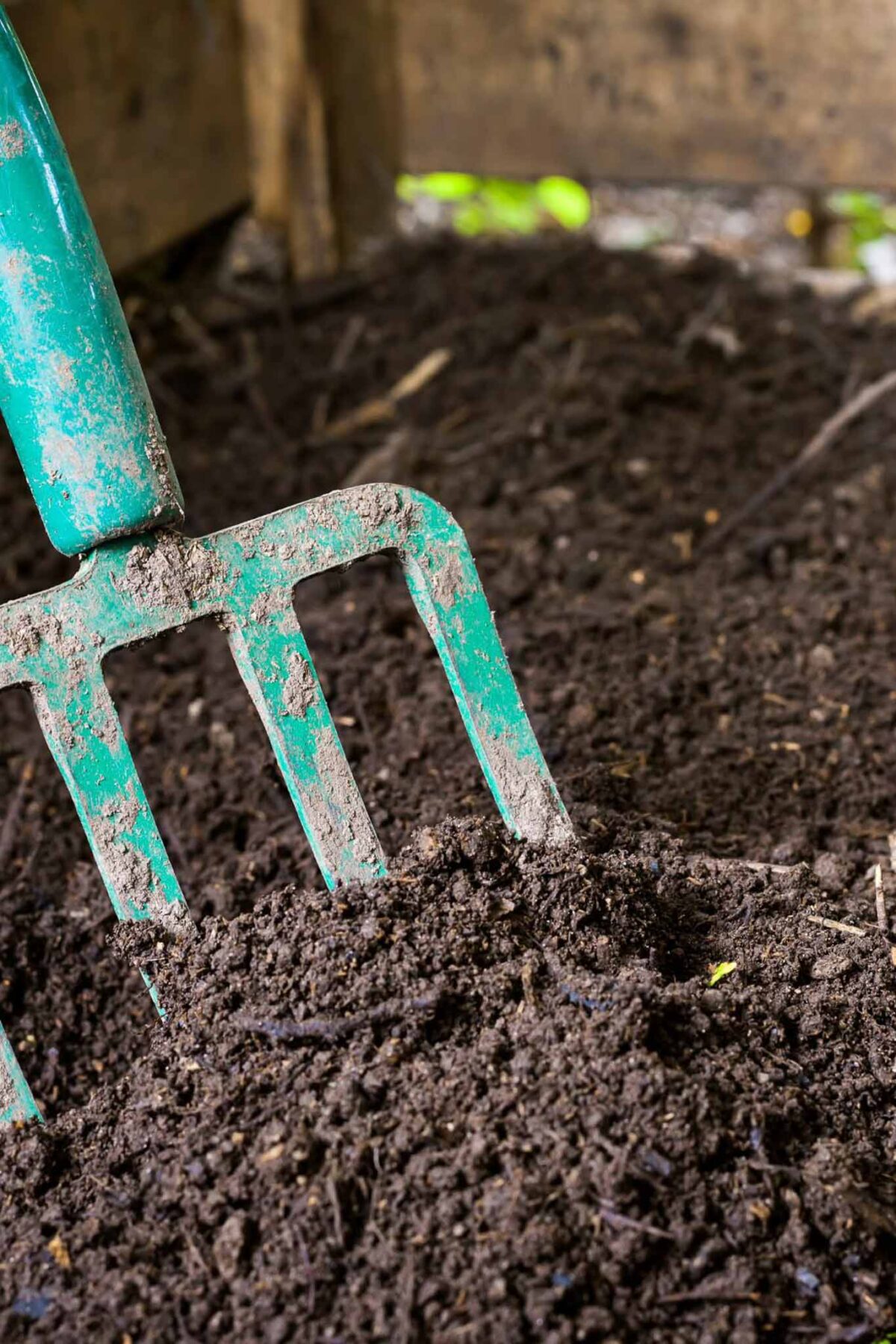
I start by loosening the bed and mixing in FoxFarm Happy Frog soil conditioner, which has worked really well in my garden. It improves drainage and adds organic nutrients that dahlias love.
Dahlias also prefer slightly acidic to neutral soil, around 6.3–6.8 pH. If your soil is very alkaline or heavy clay, amending it with organic matter can help bring things into a better balance.
I also add a small handful of bone meal to each planting hole for strong root development, then mix Espoma Organic Flower‑tone into the top 6 inches of the bed. It’s a low‑nitrogen fertilizer that supports roots and encourages better blooms without pushing too much leafy growth.
If you’d like a deeper breakdown of soil types and amendments, I shared everything I use here: 👉 The Best Soil for Dahlias.
Tip from wendy’s garden:
Lightly moisten your soil before amending it — it helps nutrients blend evenly and gives tubers a better start.
When to Plant Dahlia Tubers
Dahlias need warm soil and sunshine, so it’s best to wait until the danger of frost has passed before planting. Here in southern California, we don’t usually have to worry about frost, which means you can plant from late February through April. Another bonus of our mild climate is that the ground doesn’t freeze, so you don’t have to dig up your tubers each year unless you want to split them and grow more plants.
A simple rule of thumb:
- Plant after your last frost date
- Soil temperature should be around 60°F
Cold, soggy soil can cause tubers to rot, so it’s always better to wait a little longer than to plant too early.
Tip from wendy’s garden:
Set tubers in a shallow tray indoors for a week or two before planting to encourage eyes to form, especially in cooler climates.
Where to Plant Dahlia Tubers
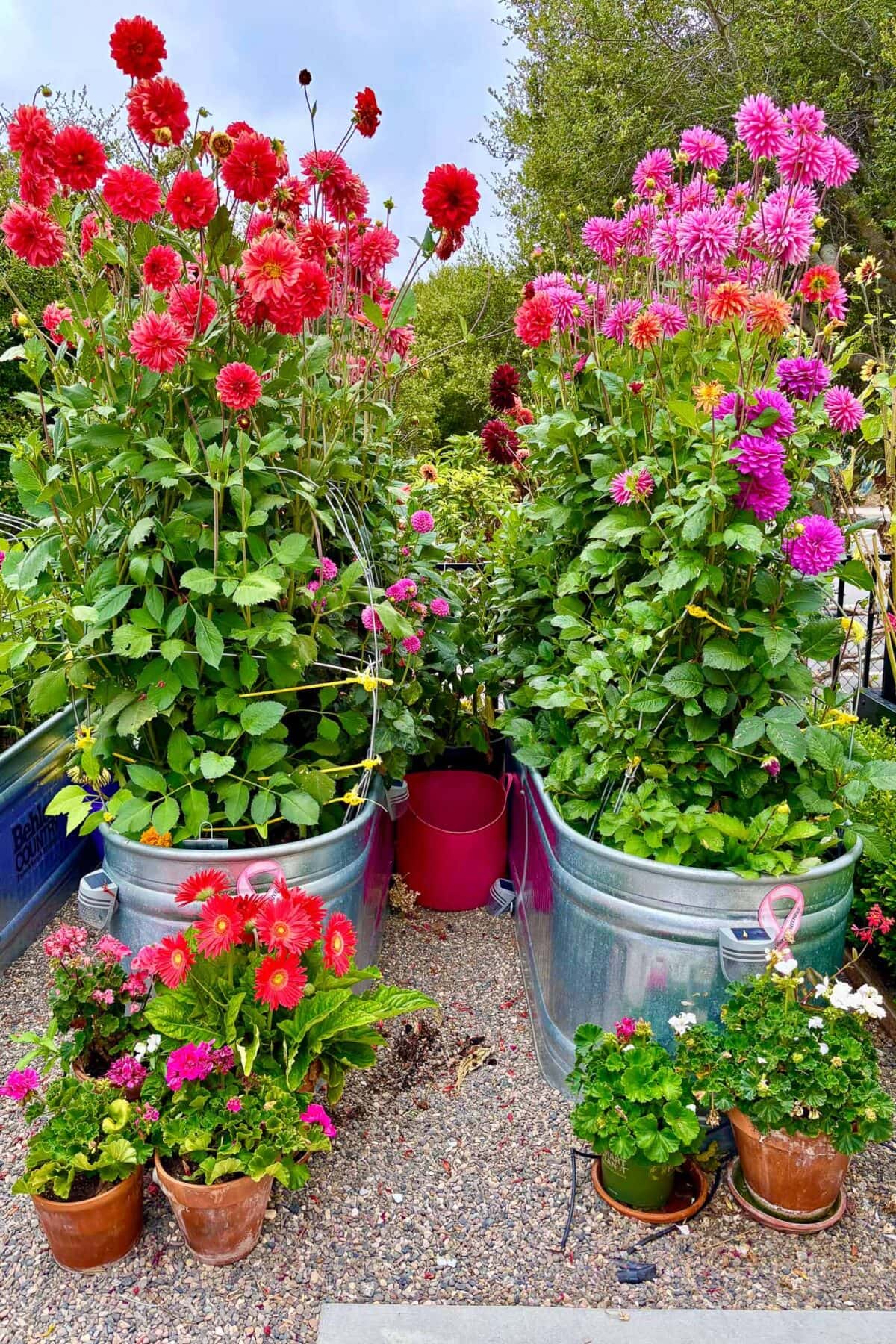
Dahlias grow best in full sun, with at least 6–8 hours of direct light each day.
If you live somewhere very hot, a little afternoon shade can help prevent stress, but too much shade will mean fewer blooms and taller, weaker plants.
I also try to plant mine where they’re protected from strong wind, especially the taller varieties, since heavy flowers can snap stems later in the season.
Planting them against a fence or wall that can break the wind can be helpful if needed.
Tip from wendy’s garden:
Morning sun is best for dahlias. It helps dry the leaves quickly and keeps plants healthier than late-day shade or damp conditions.
How Deep to Plant Dahlia Tubers
Depth matters more than most people realize.
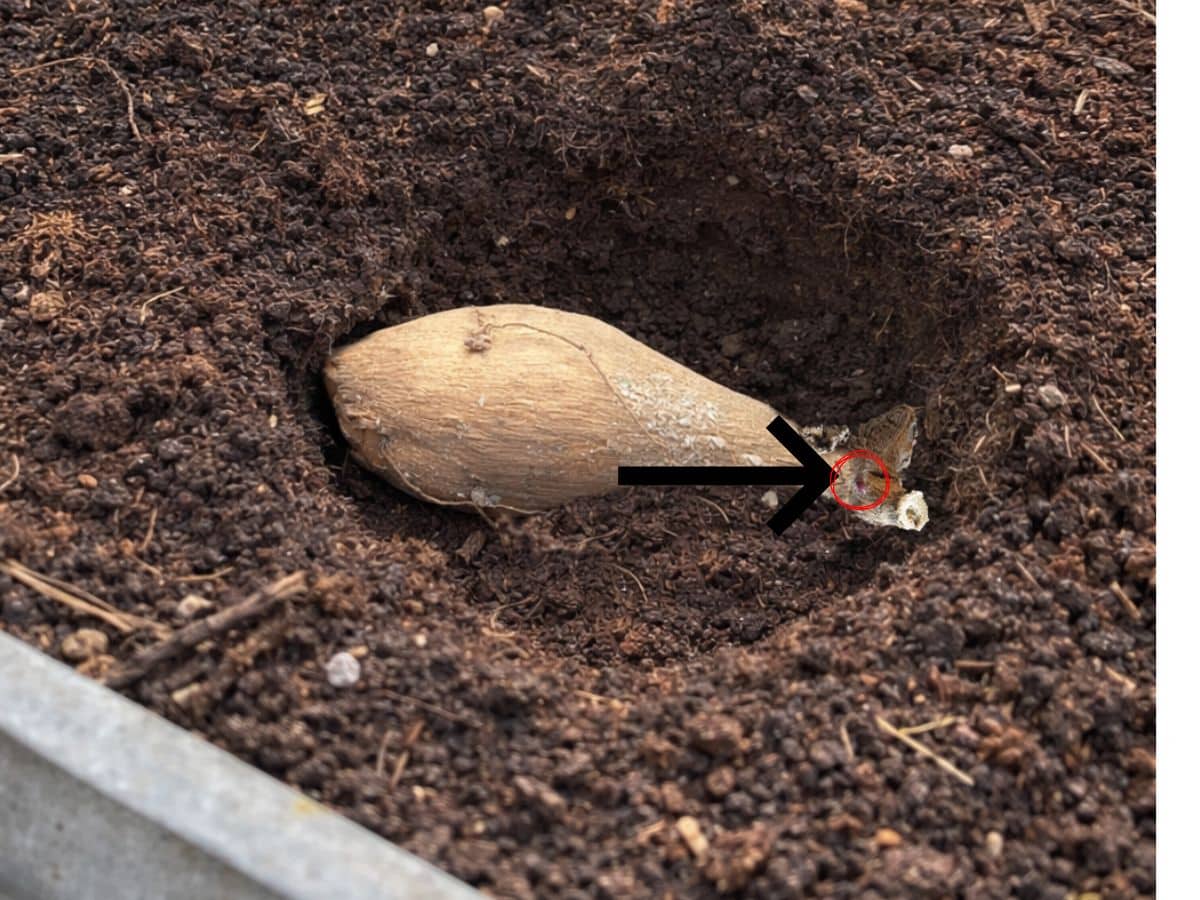
I plant each tuber about 4–6 inches deep, laying it on its side with the crown (or little eye) facing up. (The eye is circled in red in the image below.)
The important part is that the crown ends up about 2–3 inches below the soil surface. The rest of the tuber will naturally sit a bit deeper, which is perfectly fine.
You don’t need to stand it upright. Planting it on its side works just as well and is often easier, especially when you’re planting a lot at once.
Tip from wendy’s garden:
If you can cover the crown with about two fingers’ worth of soil, you’ve planted it at the right depth.
How Far Apart to Space Dahlia Tubers
Spacing depends on the size of the variety you’re planting:
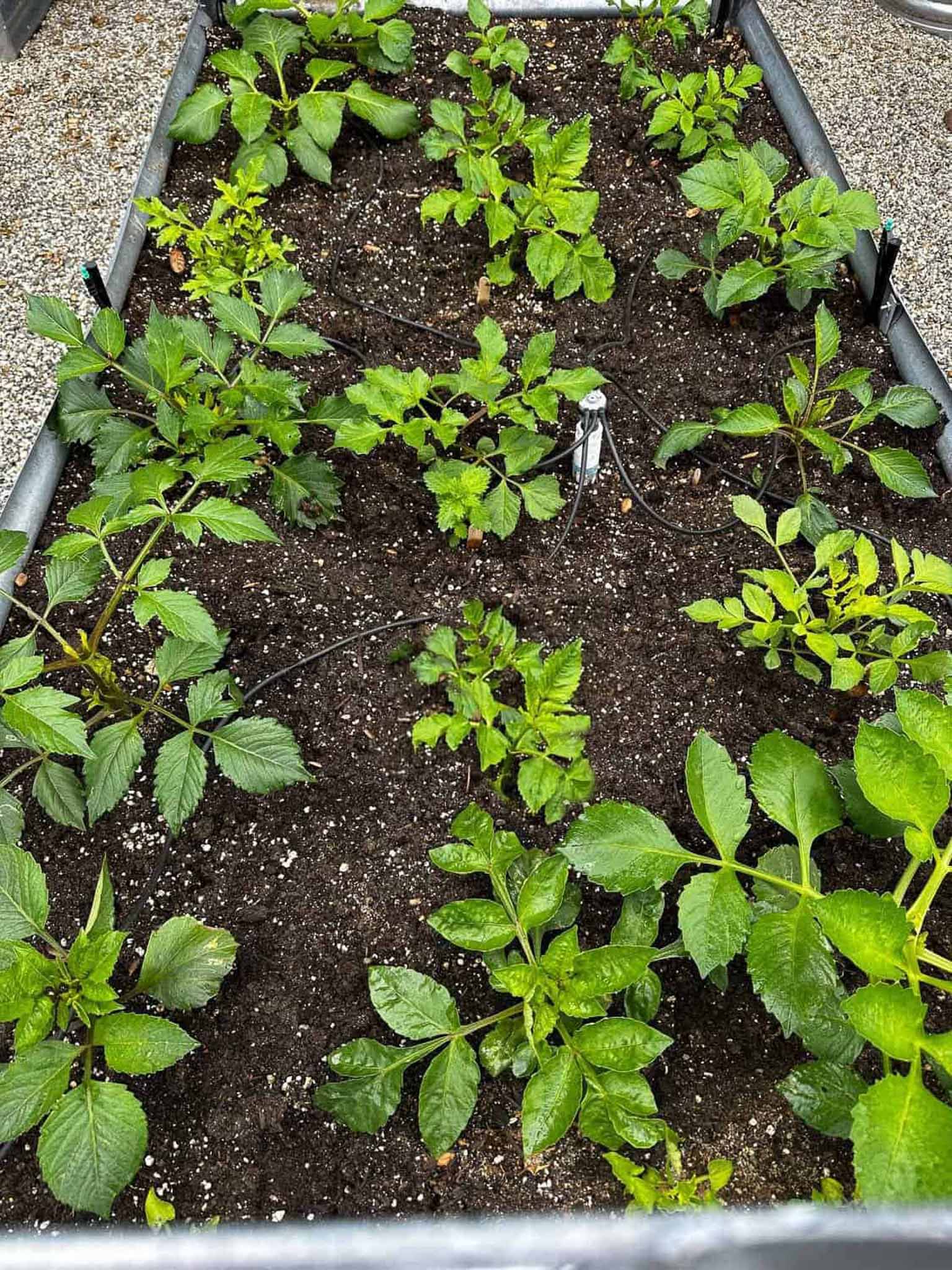
- Smaller varieties: 12–18 inches apart
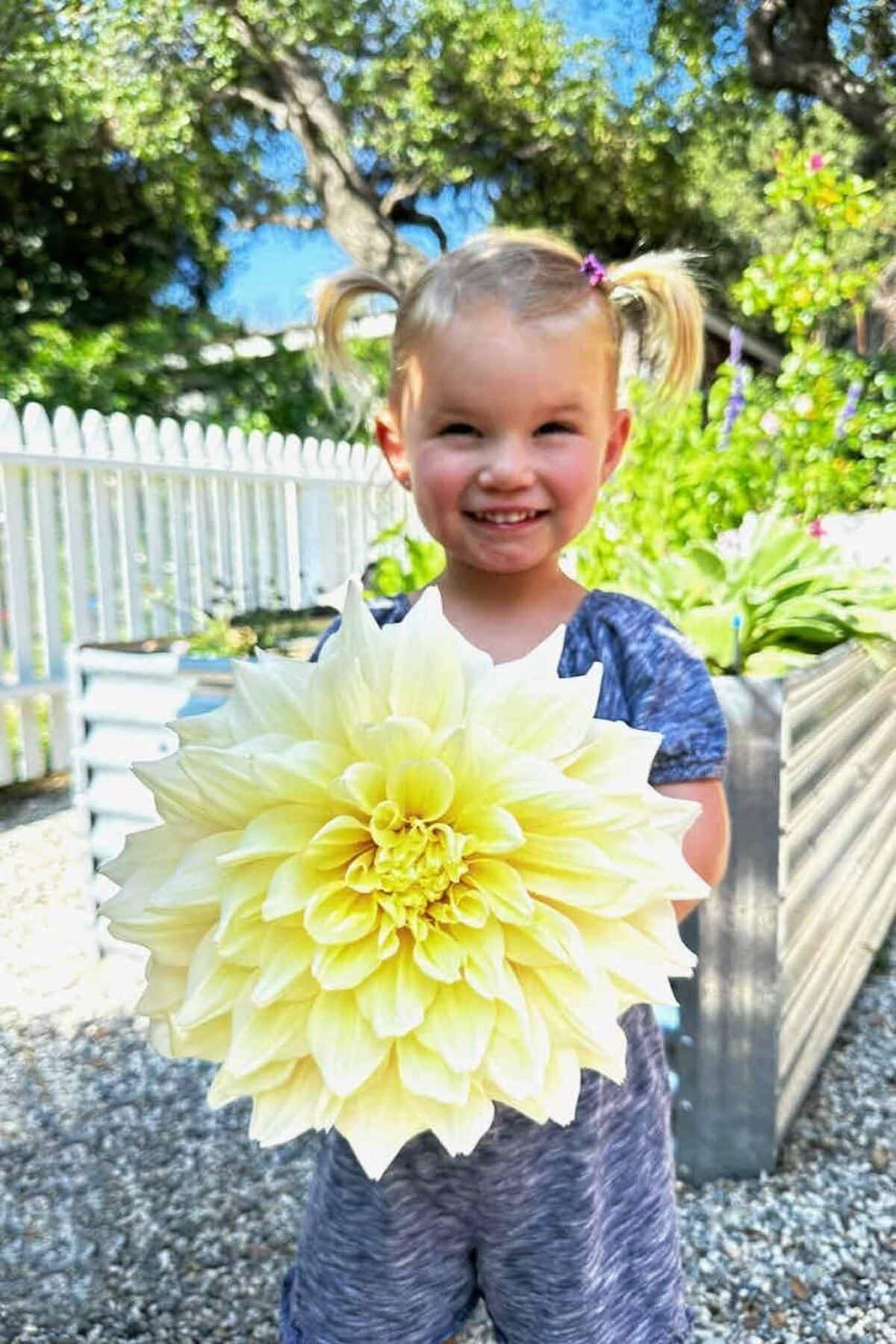
- Large or dinner plate dahlias: 18–24 inches apart
Giving each plant enough room helps with airflow, keeps disease down, and allows them to grow full and sturdy with better blooms.
If you’re planting the big show-stoppers, this post is helpful:
How to Grow Dinner Plate Dahlias.
Step-by-Step: How I Plant Dahlia Tubers
- Here’s my simple routine every spring:
- Loosen the soil in the planting area.
- Dig a hole about 4–6 inches deep.
- Lay the tuber on its side with the crown facing up.
- Cover gently with soil.
- Don’t water yet.
- Mark the spot so you remember what you planted.
- That’s it. Simple and easy.
When to Water Dahlia Tubers After Planting
This part surprises a lot of people.
Do not water the tubers until they sprout.
Tubers already hold moisture, and too much water early on can cause them to rot before they sprout. Once you see green growth coming up, then you can start watering regularly.
After that, consistent water helps plants grow strong and produce more flowers.
Tip from wendy’s garden:
Always water at the base of the plant and avoid wetting the foliage.
Do Dahlias Need to Be Staked?
Most varieties do, especially the taller ones.
There are a few different ways to stake dahlias — single stakes, tomato cages, or even corralling them with garden twine — and they all work. It really comes down to what you have on hand and how formal you want things to look.
I personally like to place simple stakes at planting time so I don’t disturb the tubers later. Once the plant grows, it’s easy to loosely tie the stems for support.
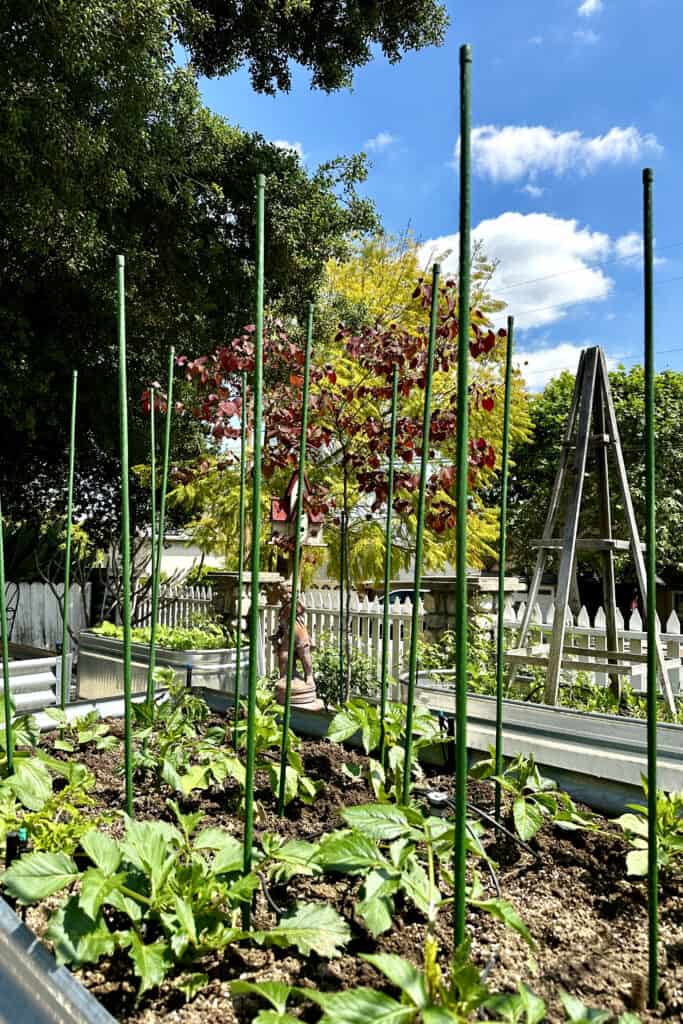
It’s much easier to do this early than to try pushing a stake into the ground once the roots are established.
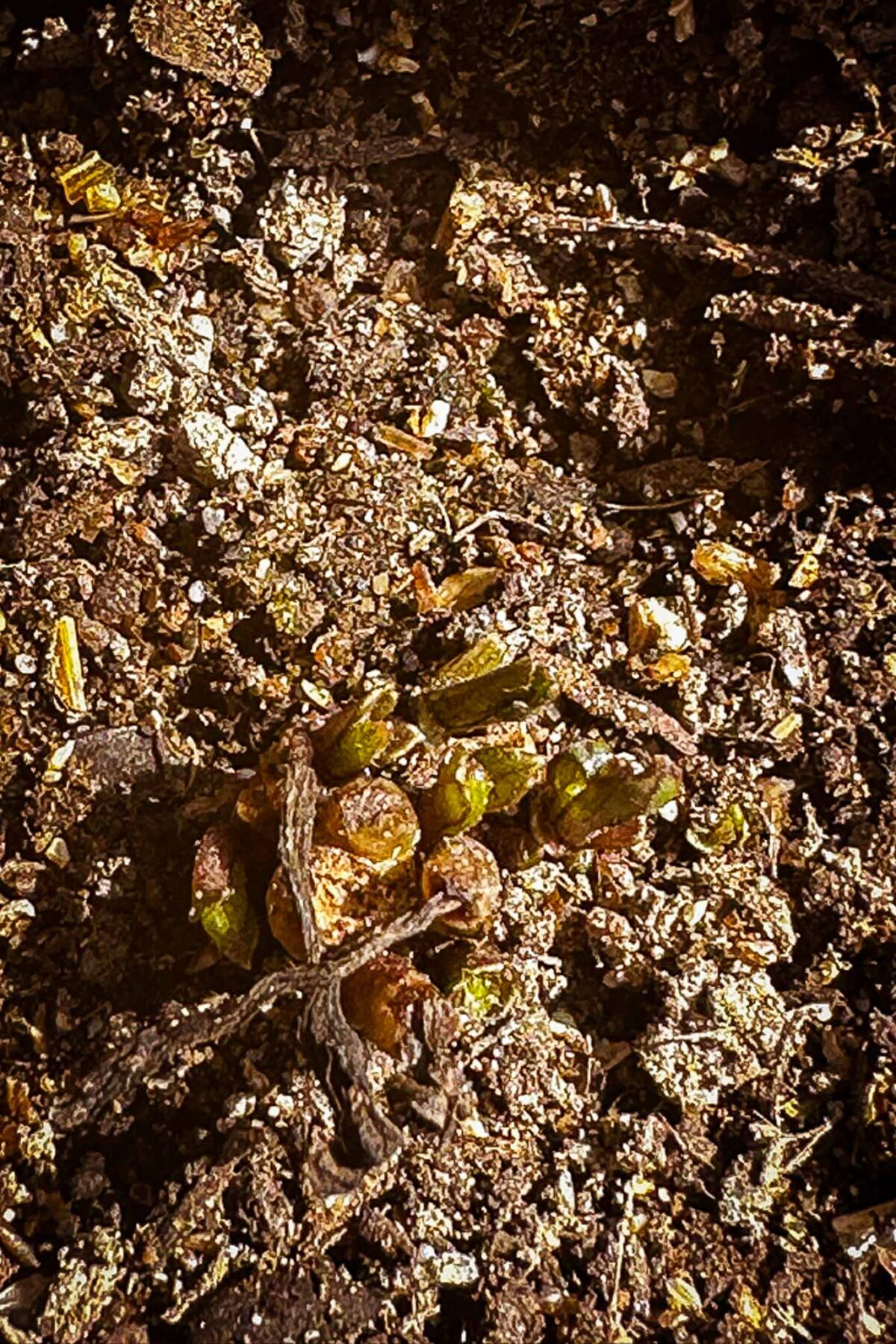
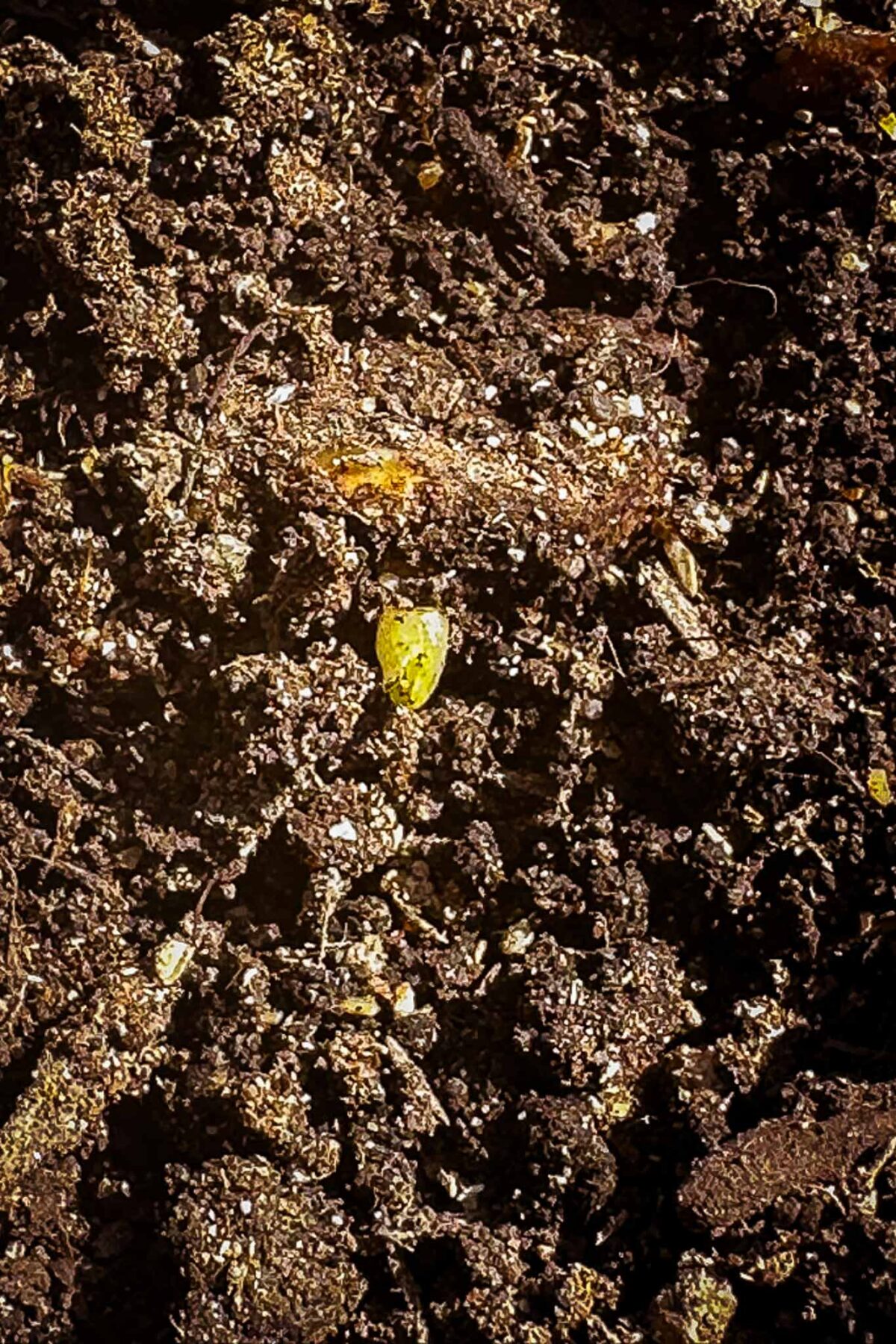
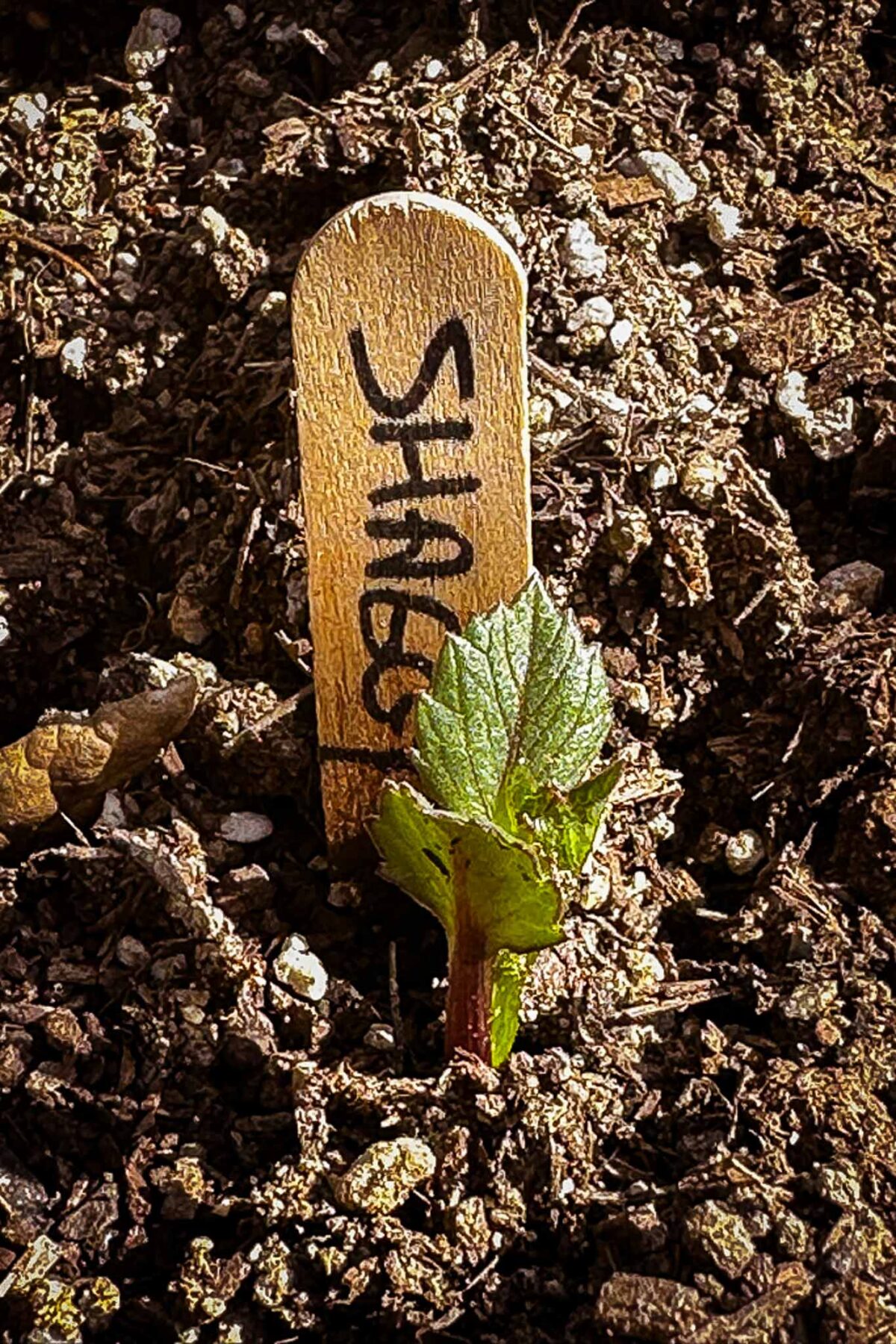
How Long Do Dahlia Tubers Take to Sprout?
Usually 2–4 weeks, depending on soil temperature and the weather.
Some pop up quickly, others take their time. I’ve learned not to worry if nothing happens right away — they almost always show up when conditions are right.
Common Mistakes When Planting Dahlia Tubers
A few things I’ve learned the hard way:
- Planting too early
- Overwatering
- Planting the tubers too shallow
- Crowding plants too closely
- Forgetting where you planted what
Avoiding these little mistakes makes a big difference by mid-summer.
Will Dahlias Come Back Every Year?
It depends on where you live.
In warm climates, dahlias can behave like perennials and come back on their own each year. In colder areas, most gardeners dig up and store the tubers over winter to protect them from freezing.
I go into all the details here: Are dahlias perennials?
How to Care for Dahlias After They Bloom
Once your plants are established, regular cutting and deadheading helps them keep producing flower after flower.
I also start fertilizing every 3–4 weeks once buds appear. I stick with a low-nitrogen fertilizer (the same type I use at planting) so the plants focus on flowers, not just leafy growth.
As for bugs and disease, I make it a habit to do a quick check when I’m out watering or cutting flowers. Mildew and spider mites are the most common issues in my garden, and catching them early makes all the difference. An insecticidal soap usually takes care of things without much fuss. If needed I use BioAdvanced 3-In-1 Insect, Disease and Mite Control.
If you grow in containers, this guide is helpful too:
👉 Deadheading Dahlias in Pots: Keep Your Blooms Thriving
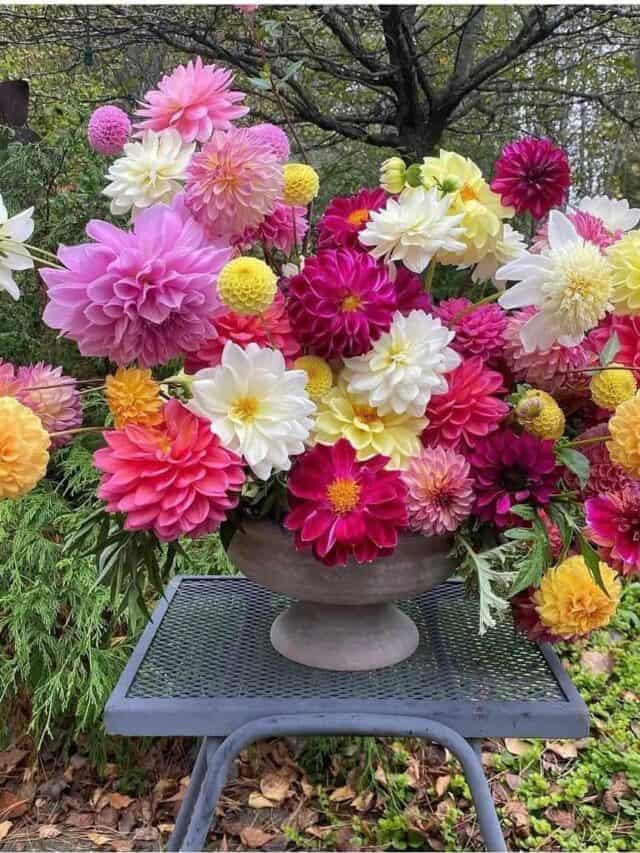
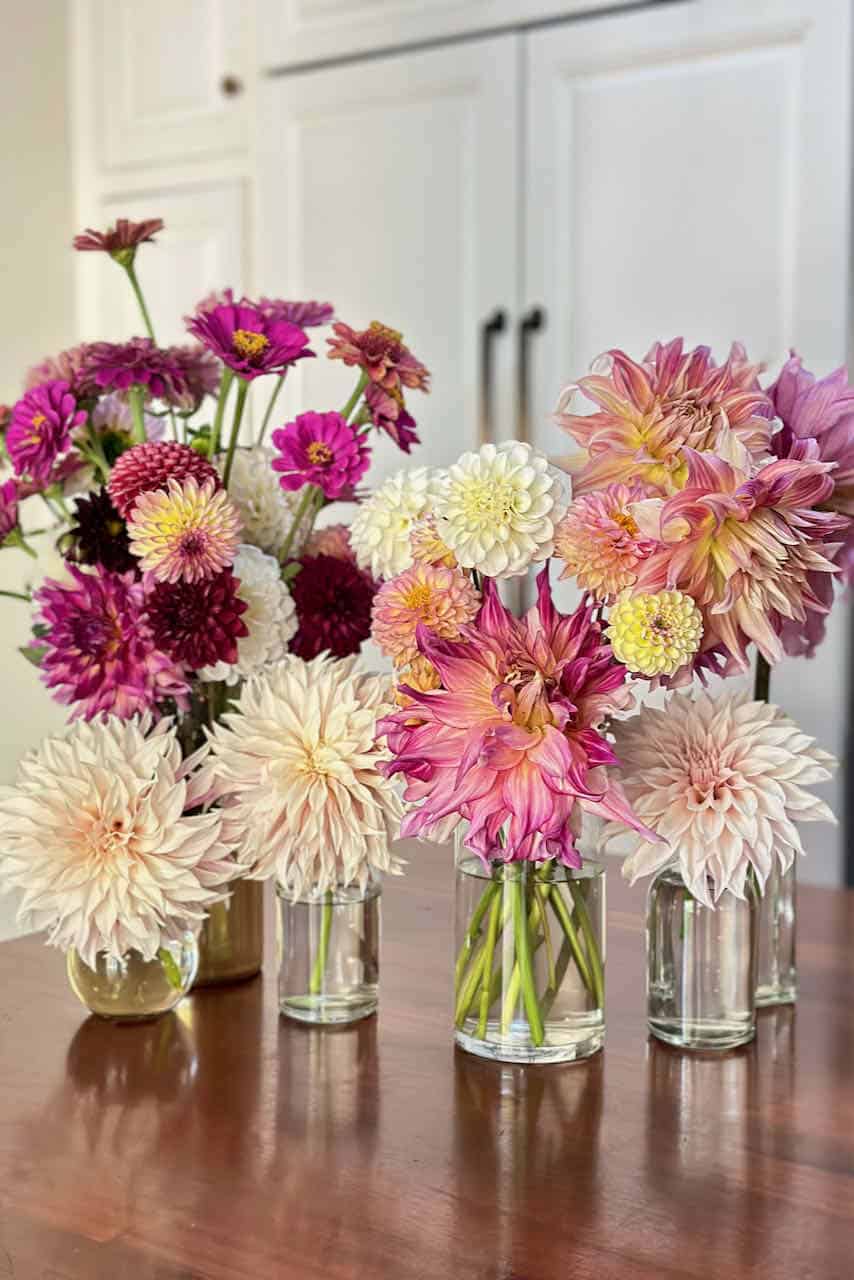
And if you love bringing your garden indoors, I also shared bouquet ideas here:
👉 10 Beautiful DIY Dahlia Flower Arrangement or Bouquet Ideas
FAQs About Planting Dahlia Tubers
Q: Why aren’t my dahlia tubers sprouting?
A: This is the most common worry, and most of the time it just comes down to temperature and patience. Dahlia tubers need warm soil to wake up, so if the ground is still cool, they may sit quietly for a while. I’ve had some pop up in two weeks and others take closer to four.
Too much water early on can also cause problems, especially if the soil stays wet. If you planted at the right depth, waited for warmer weather, and your soil drains well, chances are they’re doing just fine underground — even if you can’t see anything yet.

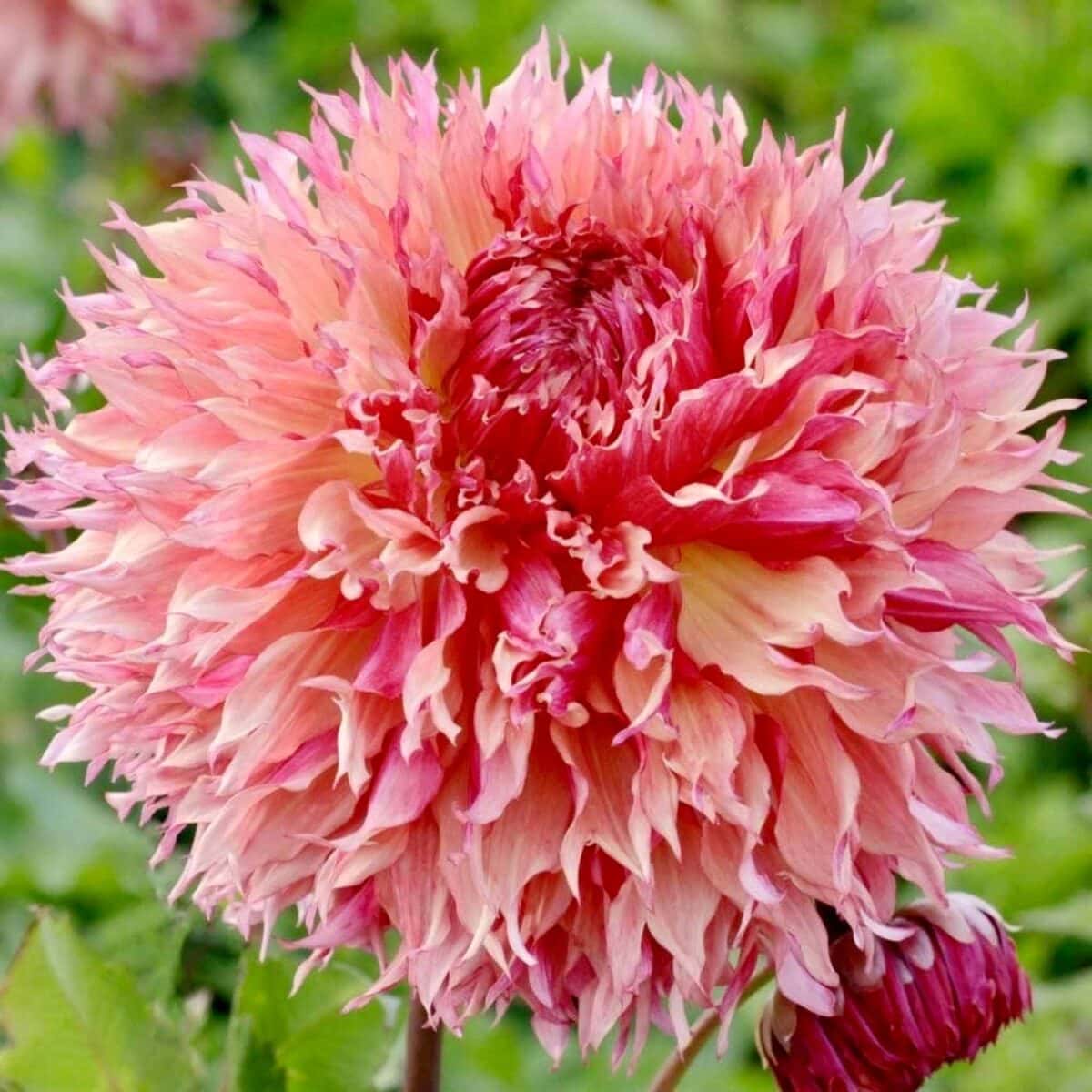
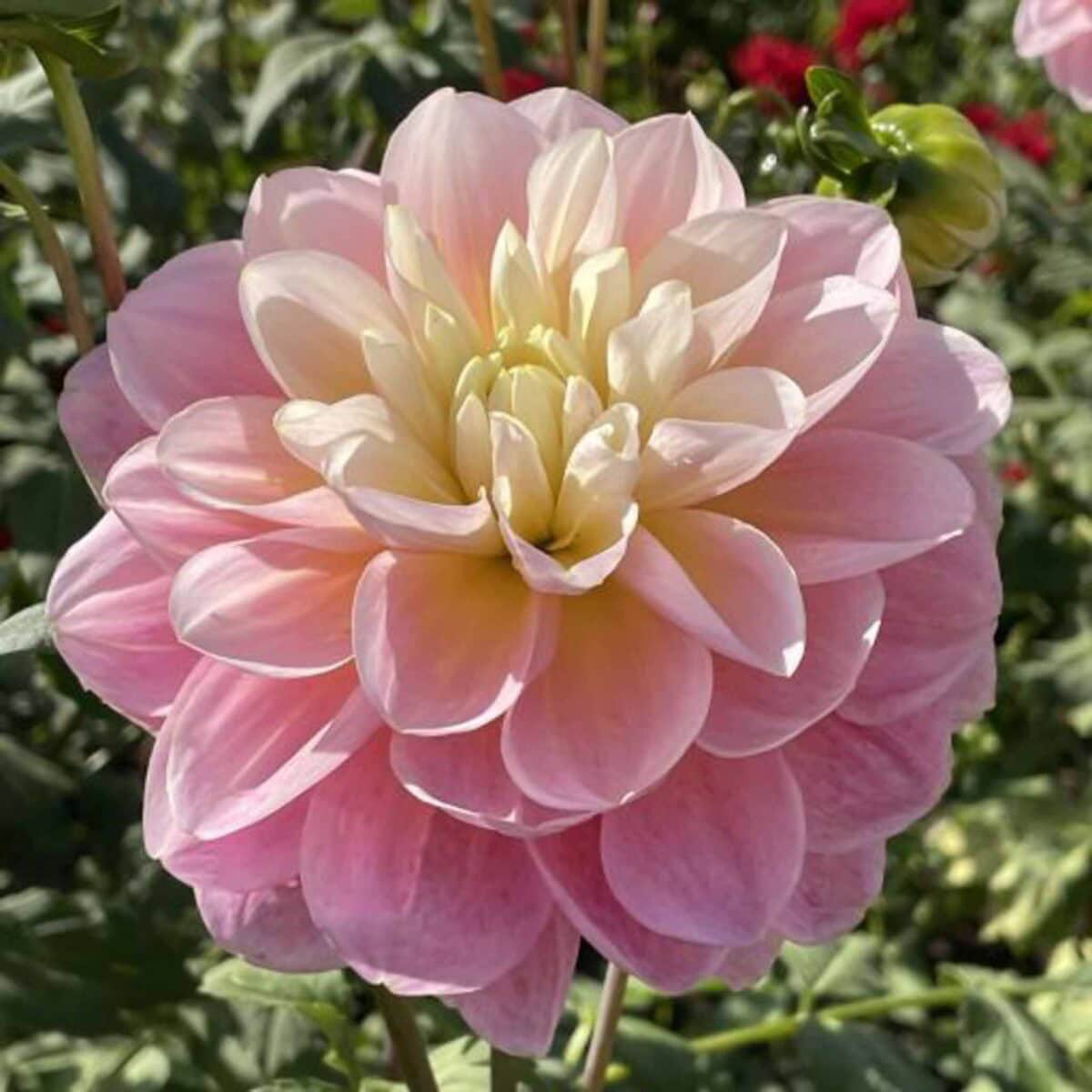
Penhill Watermelon Dinnerplate dahlia
Q: Can I plant dahlia tubers in containers?
A: Yes, absolutely. Dahlias grow beautifully in pots as long as the container is large enough and has good drainage.
I like to use a pot that’s at least 12–14 inches wide for one tuber. Use a good quality potting mix, plant at the same depth as you would in the garden, and make sure the pot gets plenty of sun. Container dahlias usually need a bit more regular watering and feeding, but they’re just as rewarding.
Q: Do dahlias come back every year?
A: In warmer climates, dahlias often come back on their own each year because the ground doesn’t freeze. In colder areas, the tubers usually need to be dug up in the fall and stored indoors over winter.
If you’re not sure what applies to your area, I go into much more detail in this post about whether dahlias are perennials and how to care for them year to year.
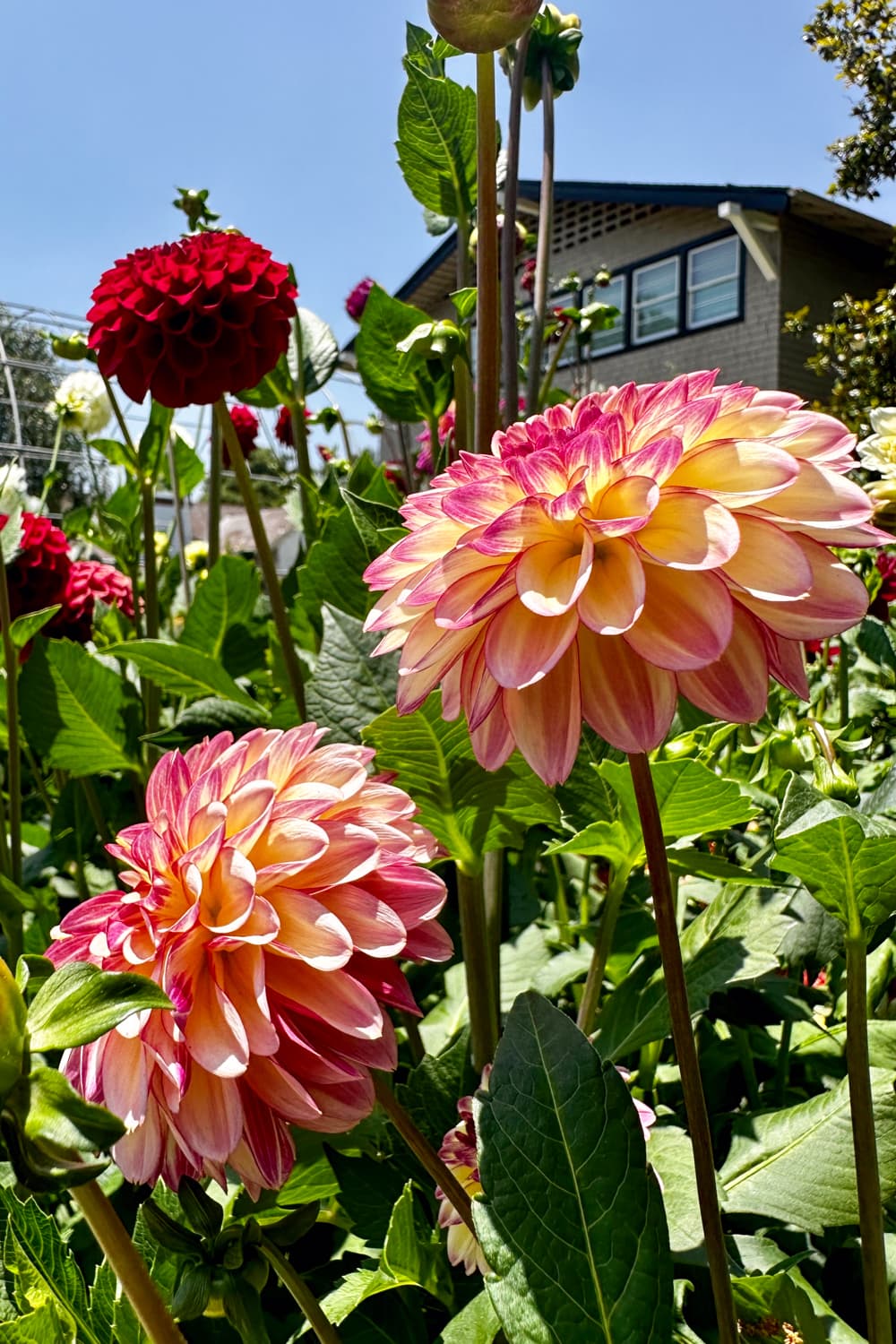
More Dahlia Growing Guides
If you love this post about planting dahlias you might also enjoy some of my other favorite dahlia posts.
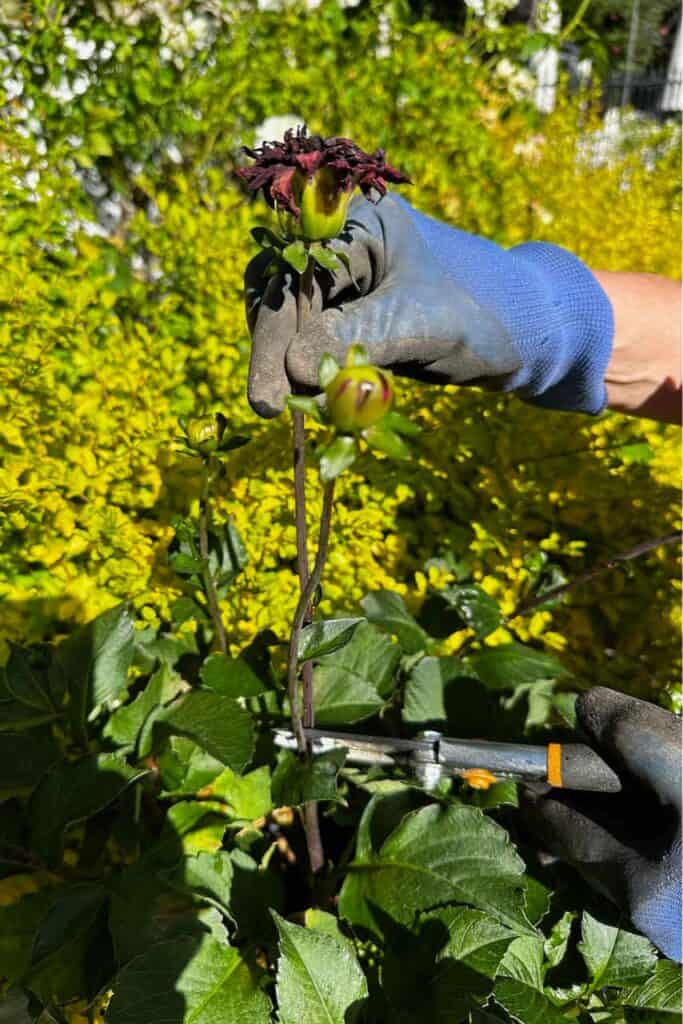
Deadheading Dahlias in Pots
Learn how regular deadheading keeps potted dahlias blooming longer by removing spent flowers so the plant focuses its energy on new growth
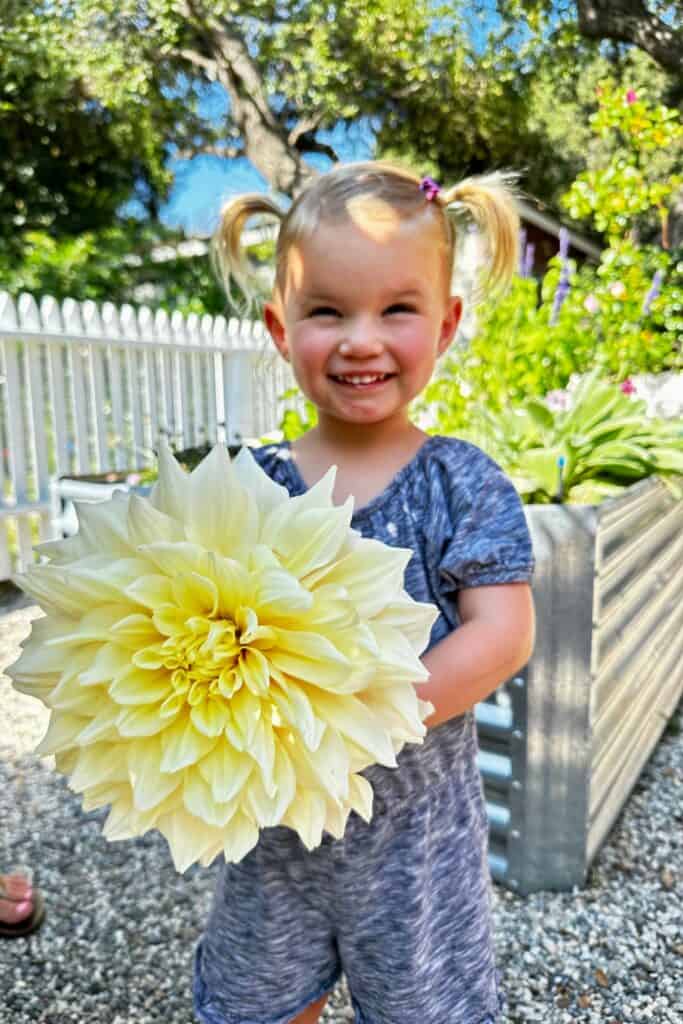
How to Grow Dinnerplate Dahlias
Discover how to grow dinner plate dahlias and care for these large-flowering plants with the right soil, staking, watering, and seasonal tips for big, beautiful blooms.
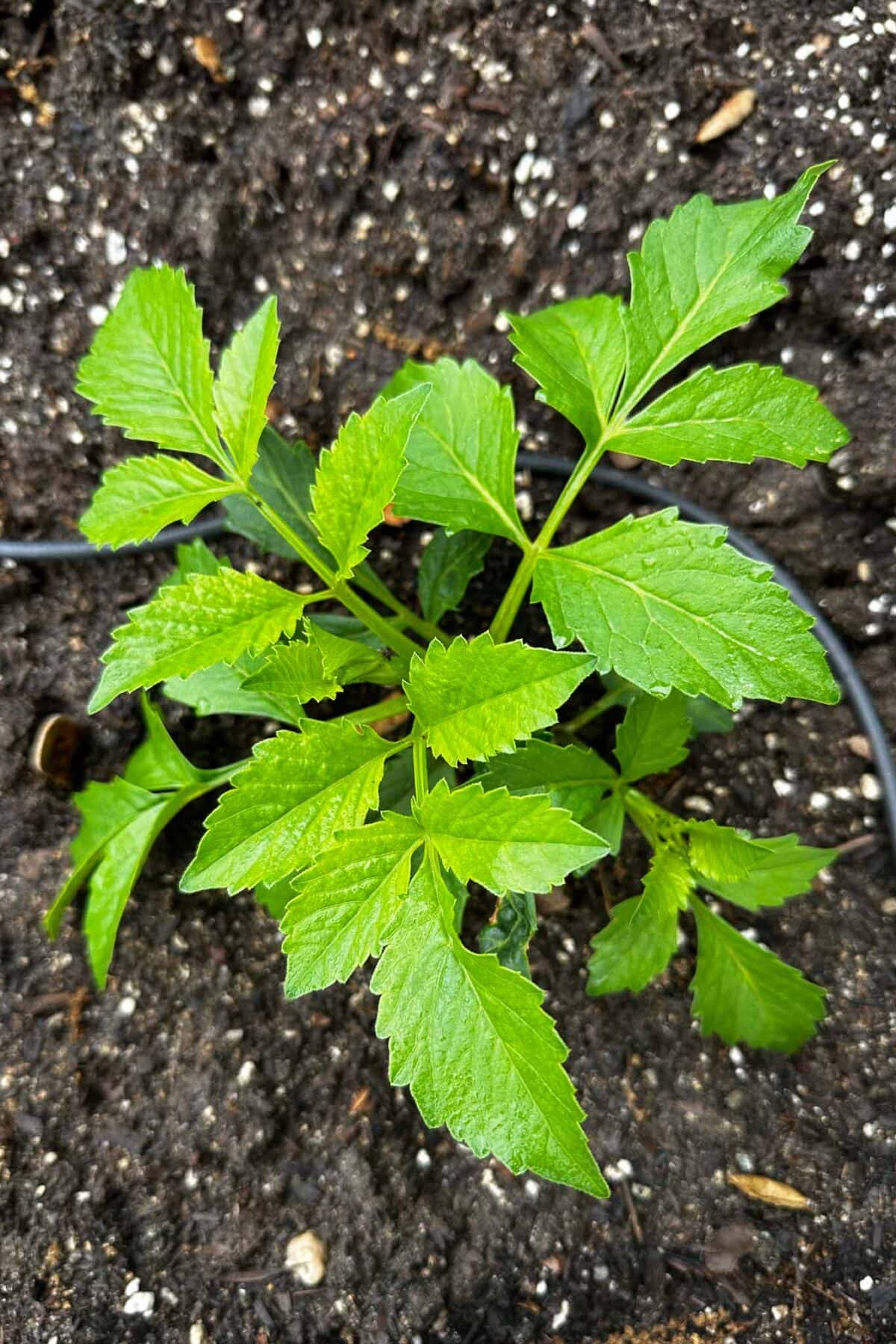
The Best Soil for Dahlias
Learn how to choose and prepare the best soil for dahlias — including amendments, drainage tips, and nutrient guidance — so your plants grow strong and bloom beautifully.
Final Thoughts
Growing dahlias from tubers is one of those small garden tasks that pays off in the biggest way later on. A handful of funny-looking tubers turns into armloads of beautiful flowers that last all summer.

If you’re new to growing dahlias, start simple. You don’t need a huge garden or perfect conditions — just decent soil, sunshine, a little patience, and the right planting depth.
And before you know it, you’ll be planning next year’s garden around them too… because one dahlia plant is never quite enough.
I hope this helps and makes planting season feel a little less intimidating and a lot more exciting.

More about me!

Hi, I’m Wendy — the creator behind WM Design House. I share simple decorating ideas, easy DIY projects, and garden inspiration for creating a home that feels warm, lived-in, and loved. I believe beautiful spaces don’t have to be perfect, just thoughtful and personal.
Connect with Wendy
