
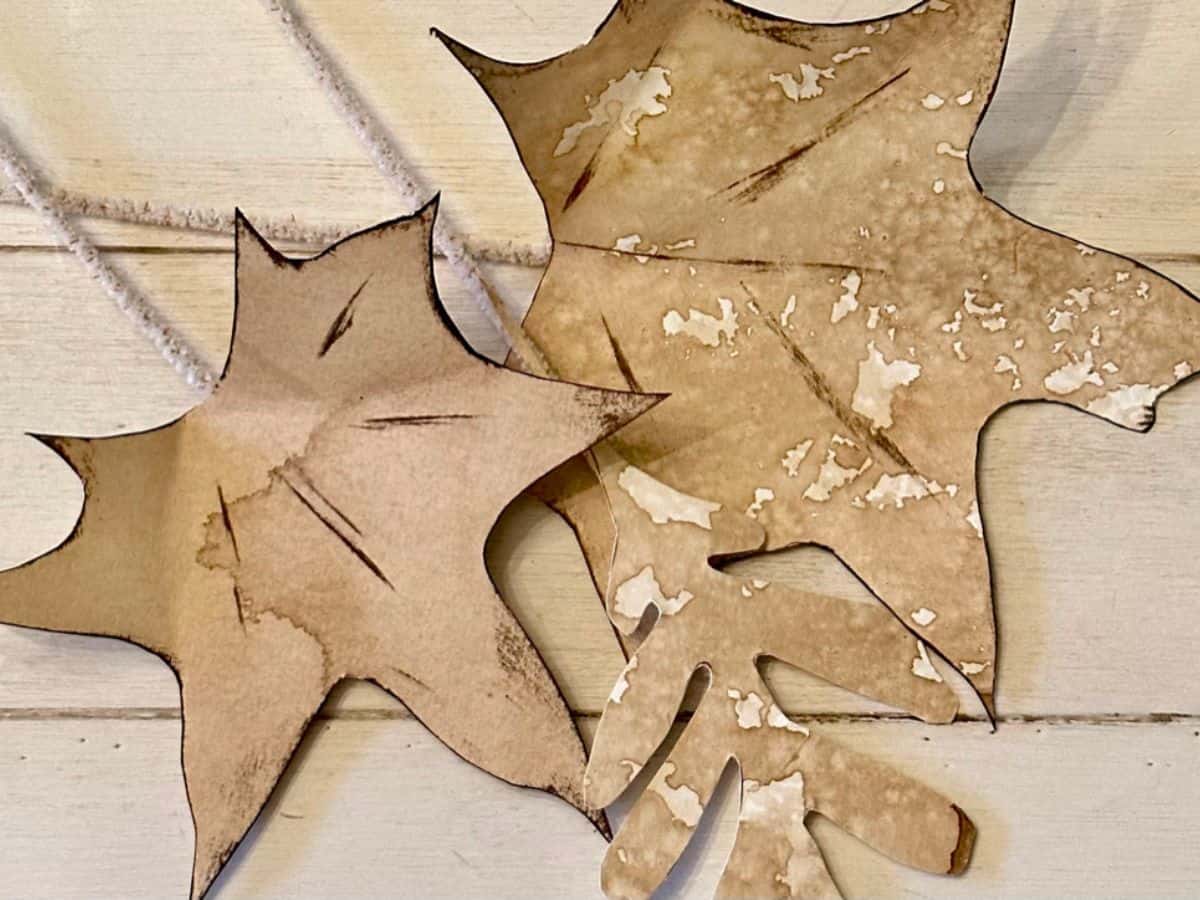
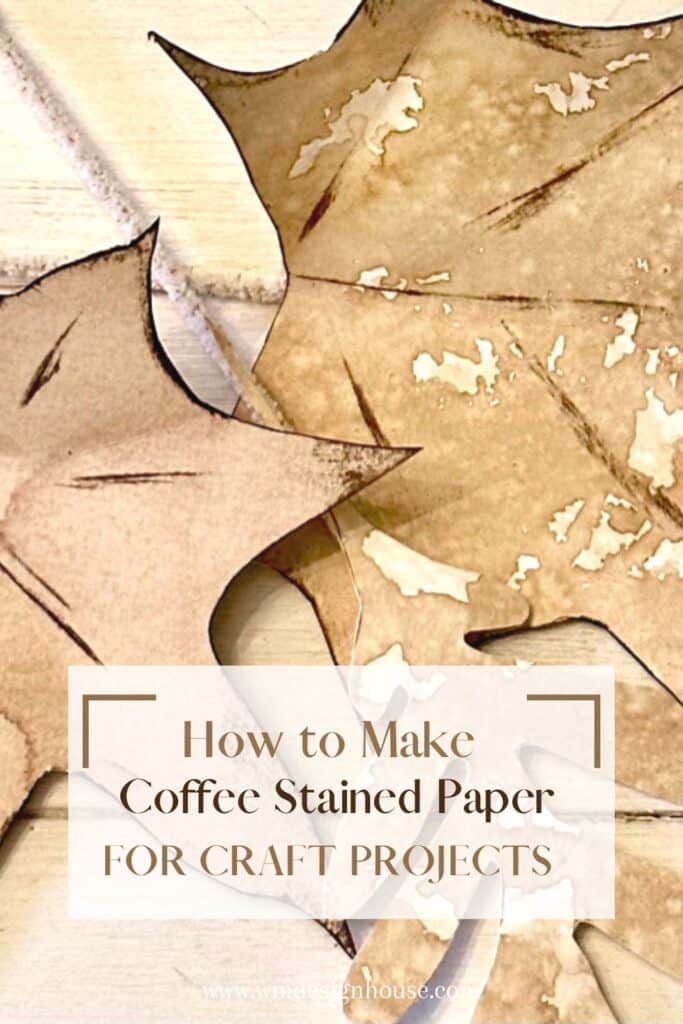
To make coffee stained paper, brew strong coffee, let it cool, then brush, dip, sponge, or drip it onto your paper. Let it dry flat. It takes about 10 minutes of hands-on time and turns plain paper into something that looks a hundred years old.
I call it coffee paper, and I make a stack every fall for leaves, tags, and garlands in the She Shed. Below are the five methods I use, the coffee ratio that works, and how to fix the most common mistakes.
On my blog, WM Design House, I may sometimes use affiliate links, which means a small commission is earned if you purchase via the link. The price will be the same whether you use the affiliate link or go directly to the vendor’s website using a non-affiliate link.
What Is Coffee Stained Paper?
Coffee stained paper is regular paper aged with brewed coffee. You may also see it called coffee paper, coffee dyed paper, or coffee dipped paper.
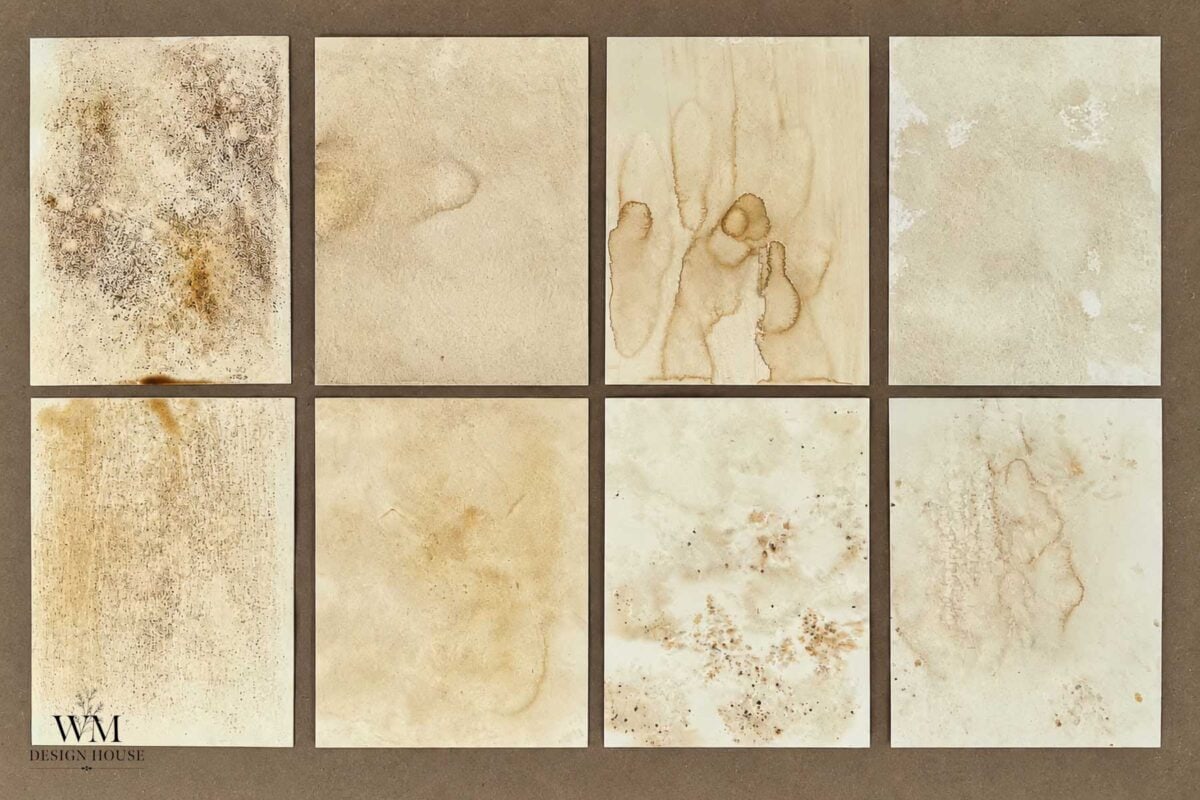
The coffee soaks into the paper fibers and dries in soft brown and sepia tones. Darker spots form wherever the coffee pools. The finished sheet looks like an old letter or a page from an antique book.
Crafters use it for scrapbooking, junk journals, handmade cards, and fall decor.
What You Need to Make Coffee Stained Paper
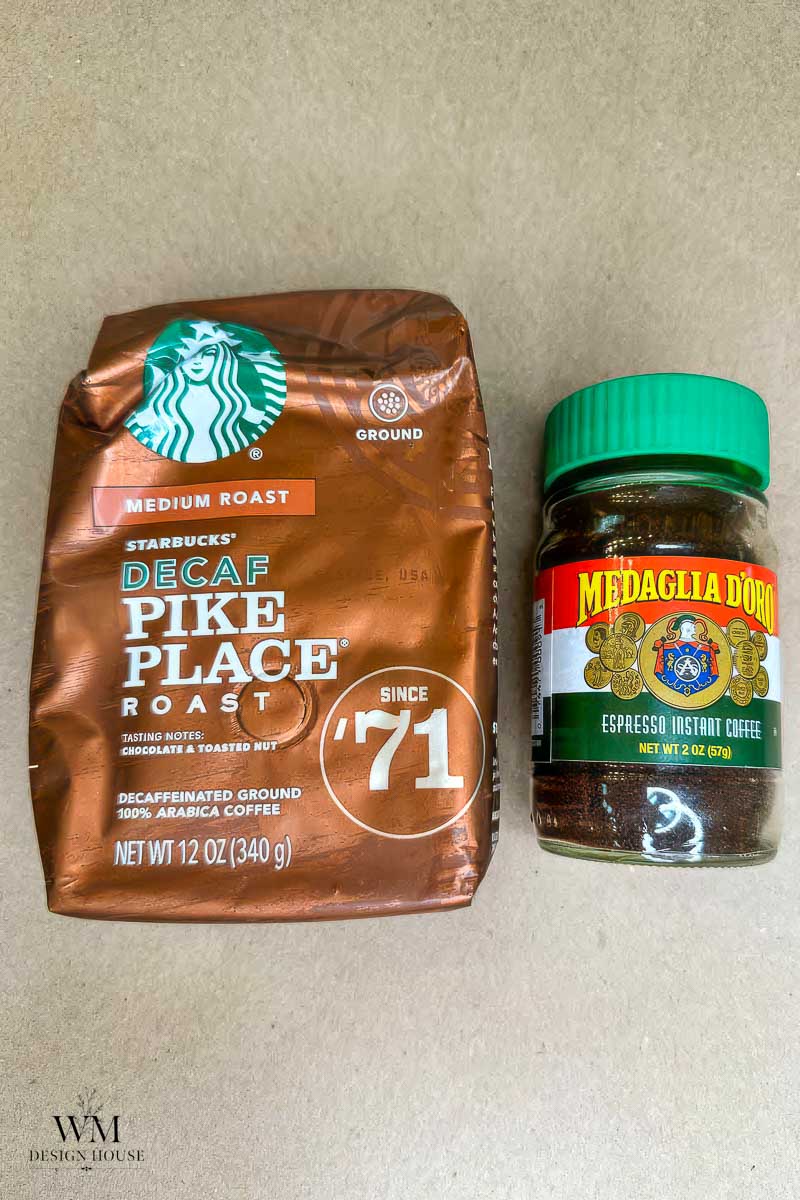
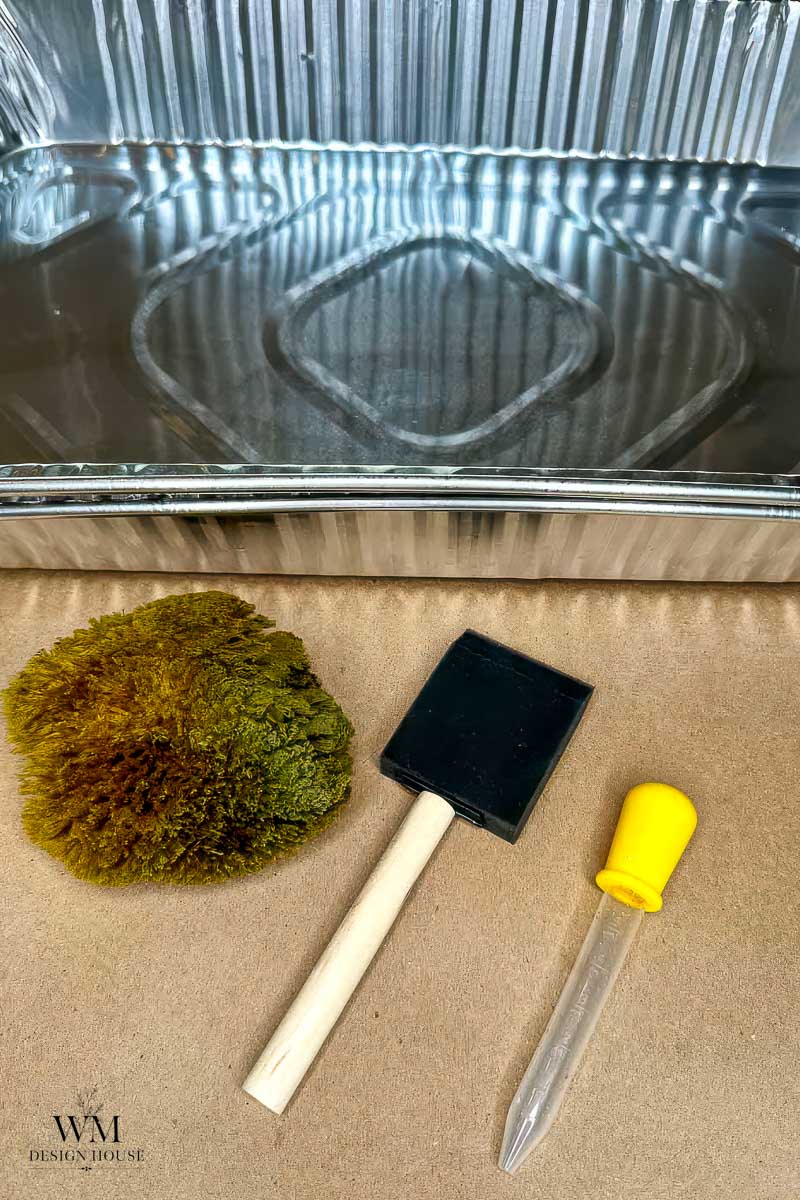
- Coffee: brewed dark roast or instant coffee
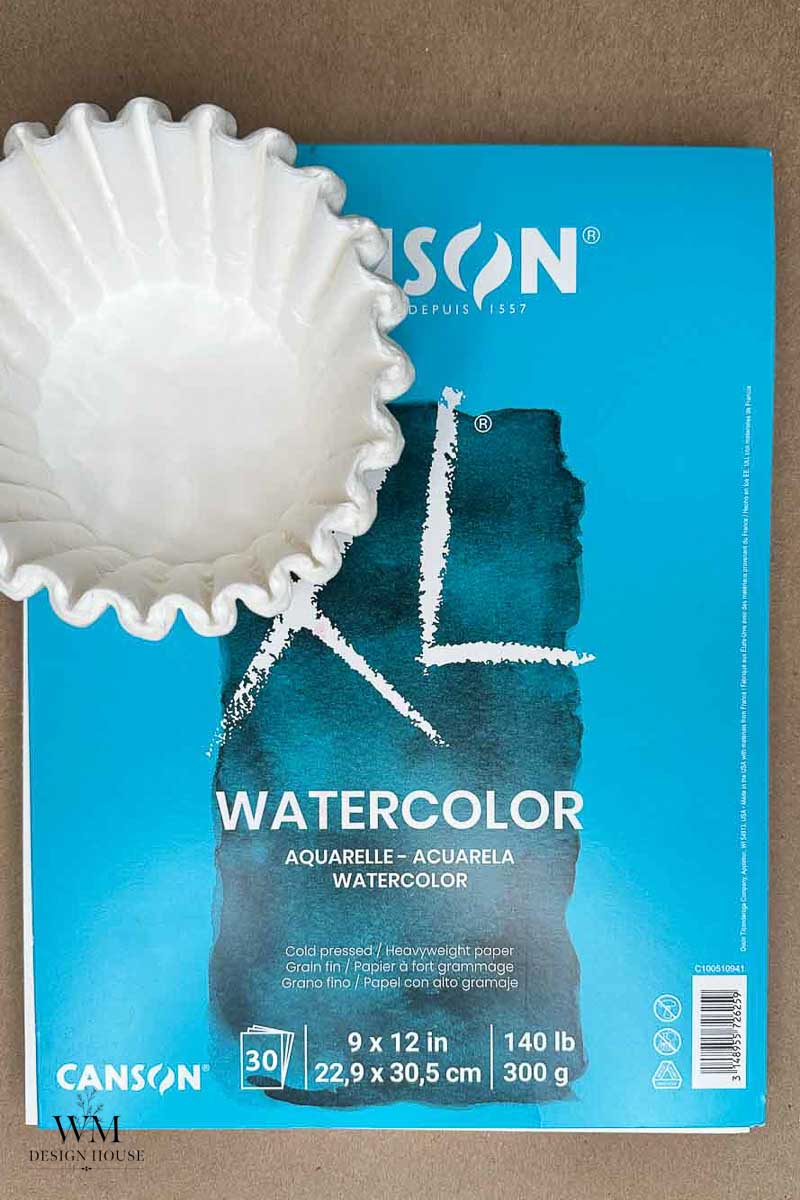
- Paper: printer paper, cardstock, watercolor paper, or coffee filters
- A shallow tray or baking sheet
- A sponge brush, paintbrush, or sea sponge
- An eyedropper (for Method 5)
- Paper towels and brown paper bags to protect your work surface
- Black tea bags (optional, for Method 4)
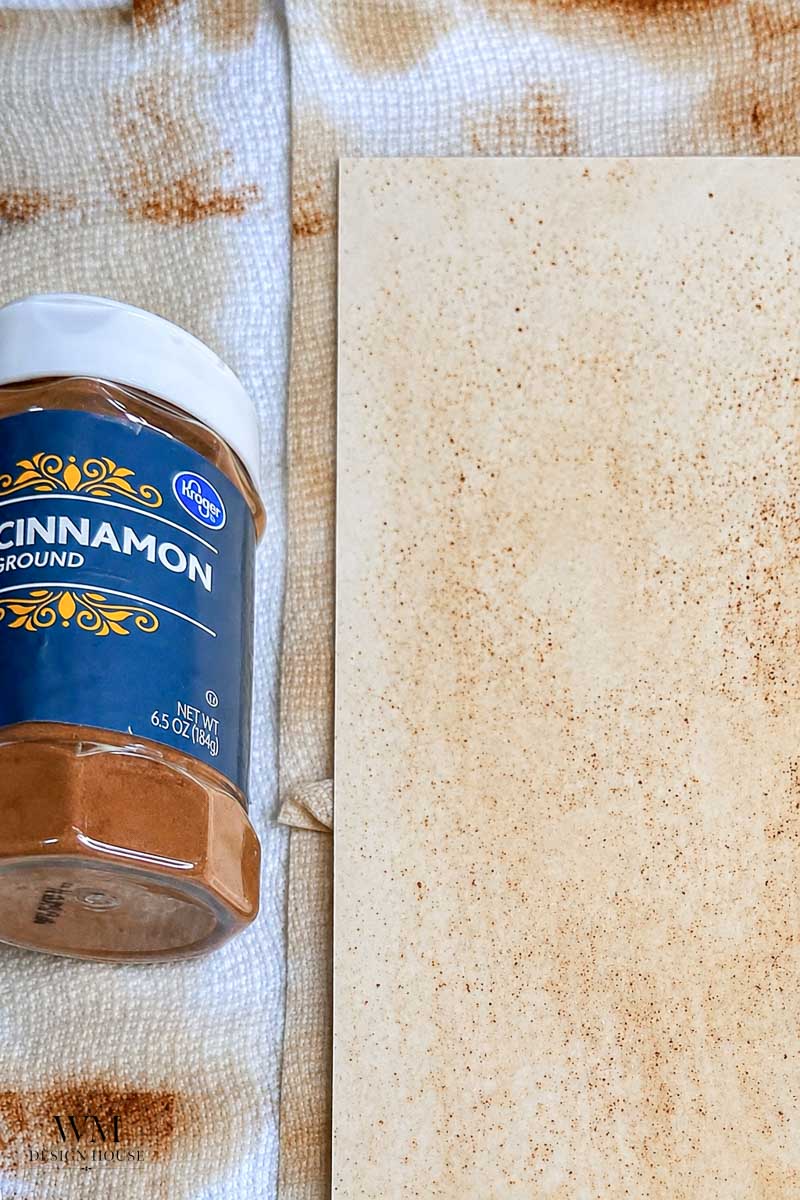
- Instant coffee granules and cinnamon (optional, for texture)
- A hair dryer (optional, to speed up drying)

Coffee to Water Ratio
The stronger the coffee, the darker the paper. Here is where I start:
- Light, golden tone: 1 tablespoon instant coffee in 1 cup hot water
- Medium, classic aged look: 2 tablespoons instant coffee in 1 cup hot water
- Dark, antique brown: 3 to 4 tablespoons instant coffee in 1 cup hot water
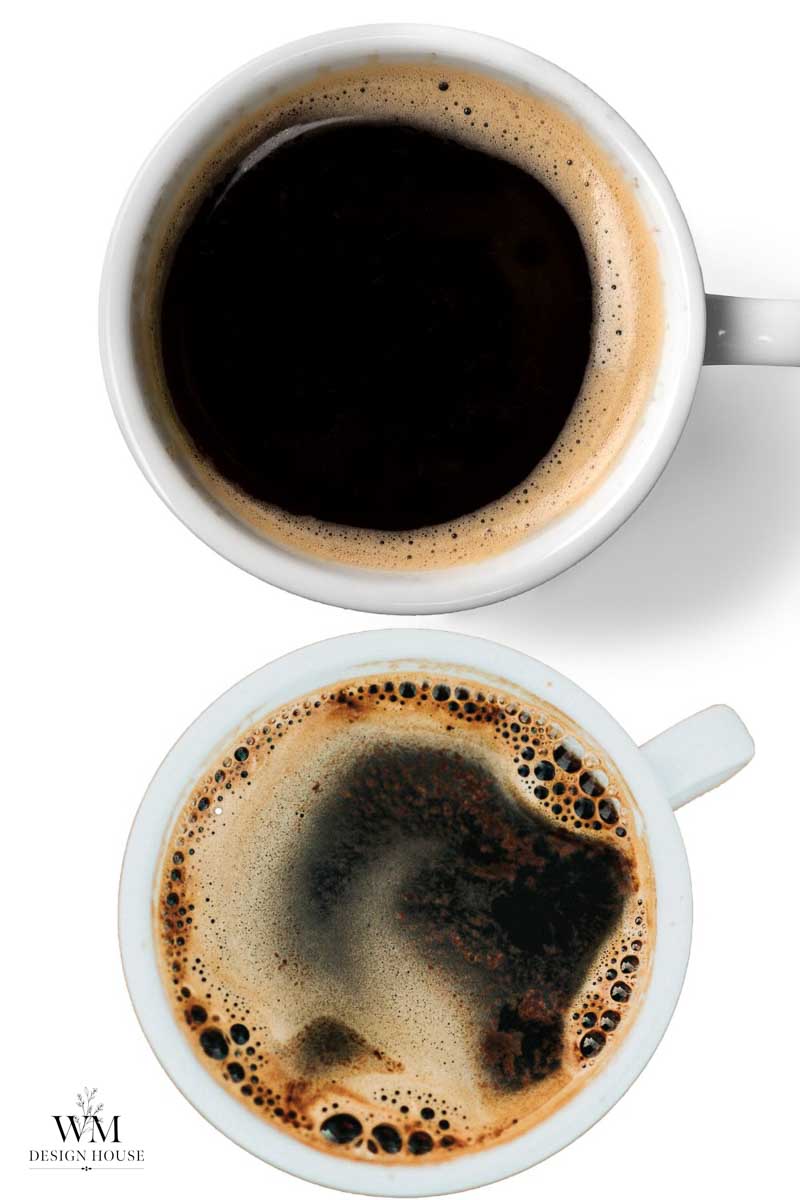
For brewed coffee, use a dark roast and brew it double strength. Let it cool before you start. Cool coffee is easier to handle and just as effective.
Which Paper Works Best?
- Watercolor paper is my favorite. It holds up to soaking without tearing and dries with the most texture.
- Cardstock is great for tags and cards. Brush the coffee on rather than soaking it.
- Printer paper is quick and cheap. It tears easily when wet, so use the brush or sponge method.
- Coffee filters are perfect for paper leaves and flowers. They soak up color fast.
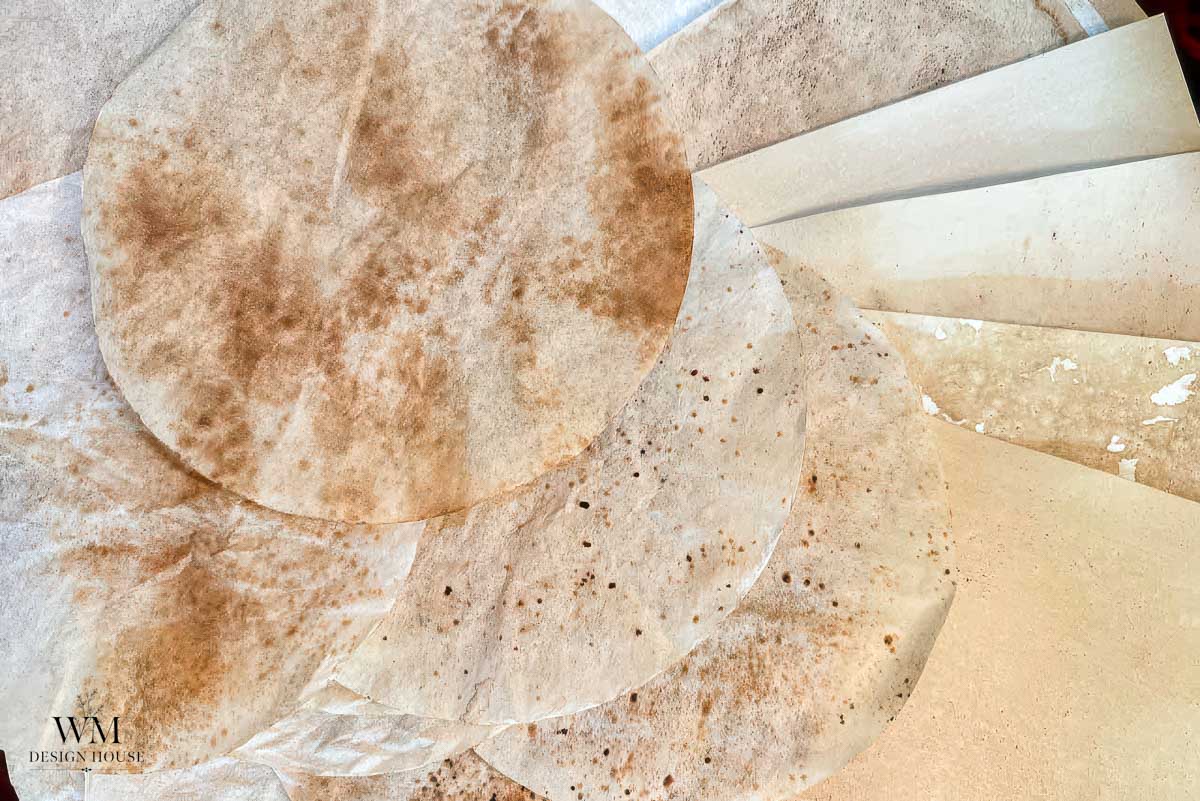
How to Make Coffee Paper: 5 Easy Methods
Each method gives a different look. Try two or three on the same day and mix the sheets in your projects.
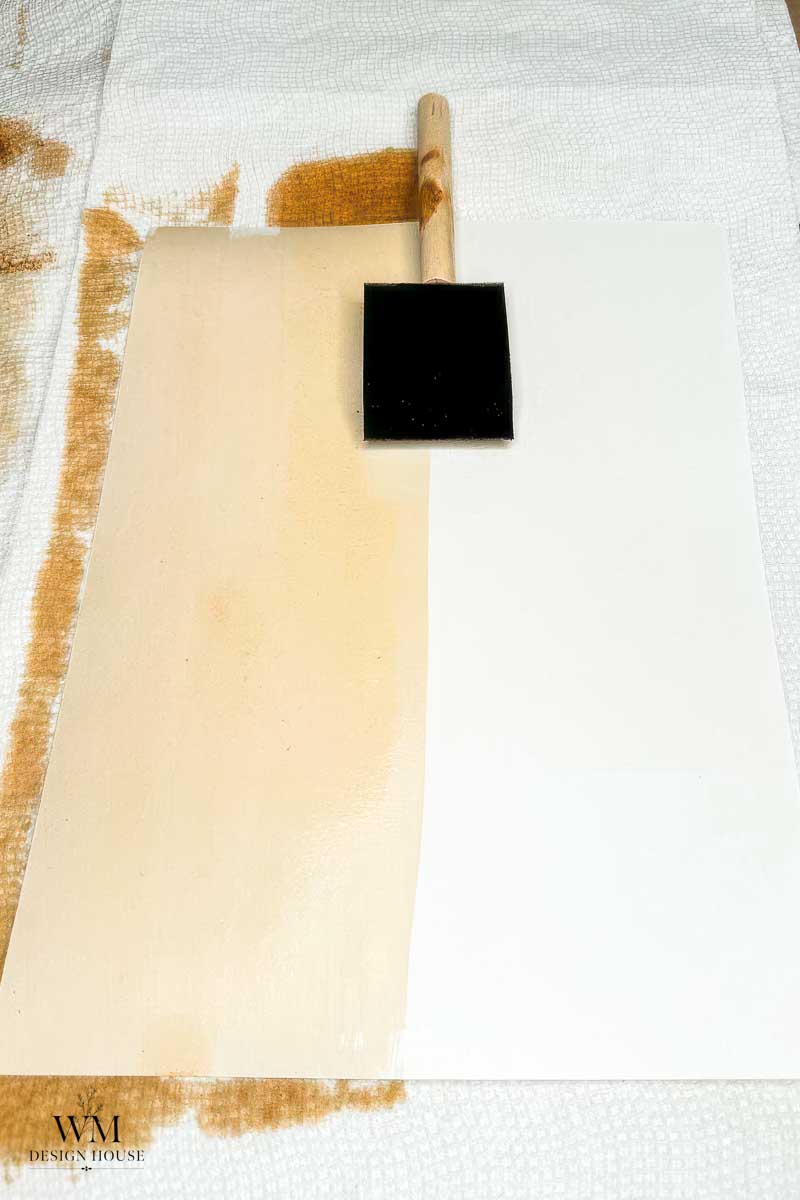
Method 1: The Painting Method
Best for: even color and the most control.
- Step 1: Brew a strong cup of coffee or espresso. A French press, coffee maker, or pour-over all work.
- Step 2: Let it cool. Meanwhile, layer paper towels over brown paper bags on a baking sheet to catch drips.
- Step 3: Lay your paper on top of the paper towels.
- Step 4: Dip your brush in the coffee. Paint in one direction, then in the opposite direction.
- Step 5: Flip the paper and paint the back.
- Step 6: Let it dry in a cool, dry place.
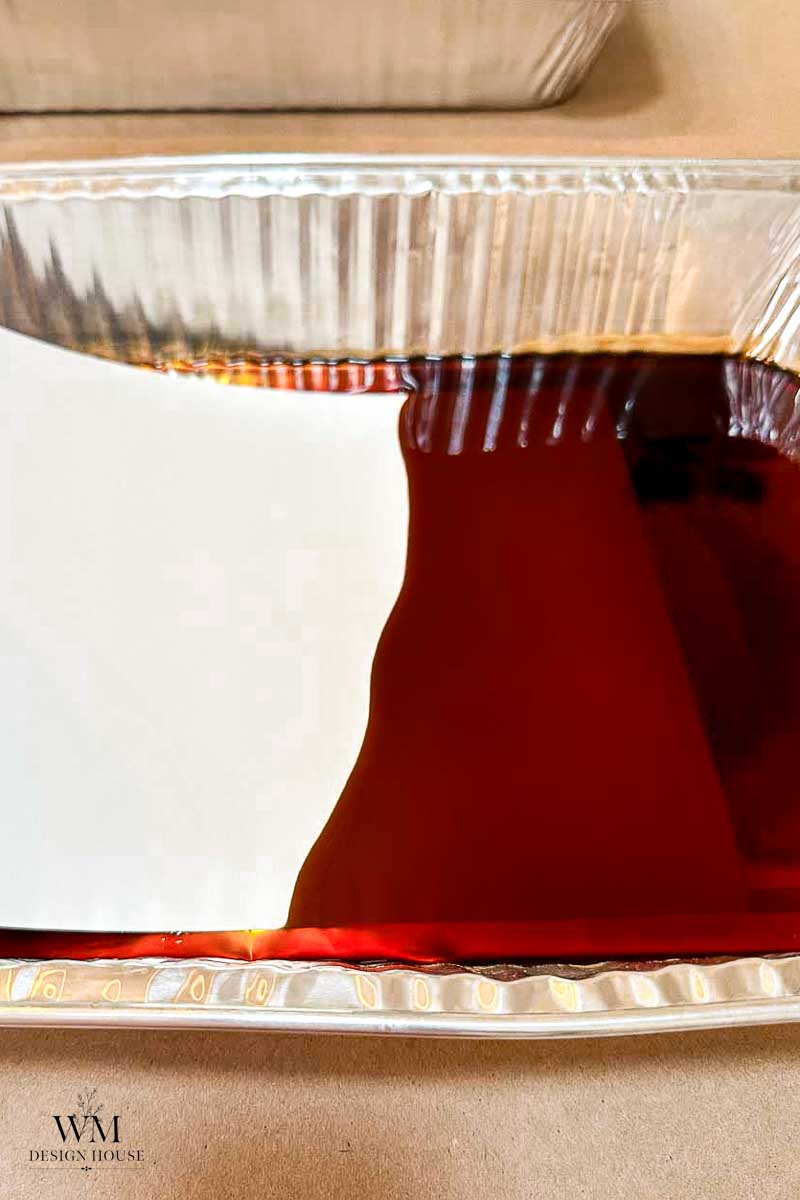
Method 2: The Dip Method (Immersion)
Best for: all-over color and coffee filters.
- Step 1: Make 3 to 4 cups of strong coffee.
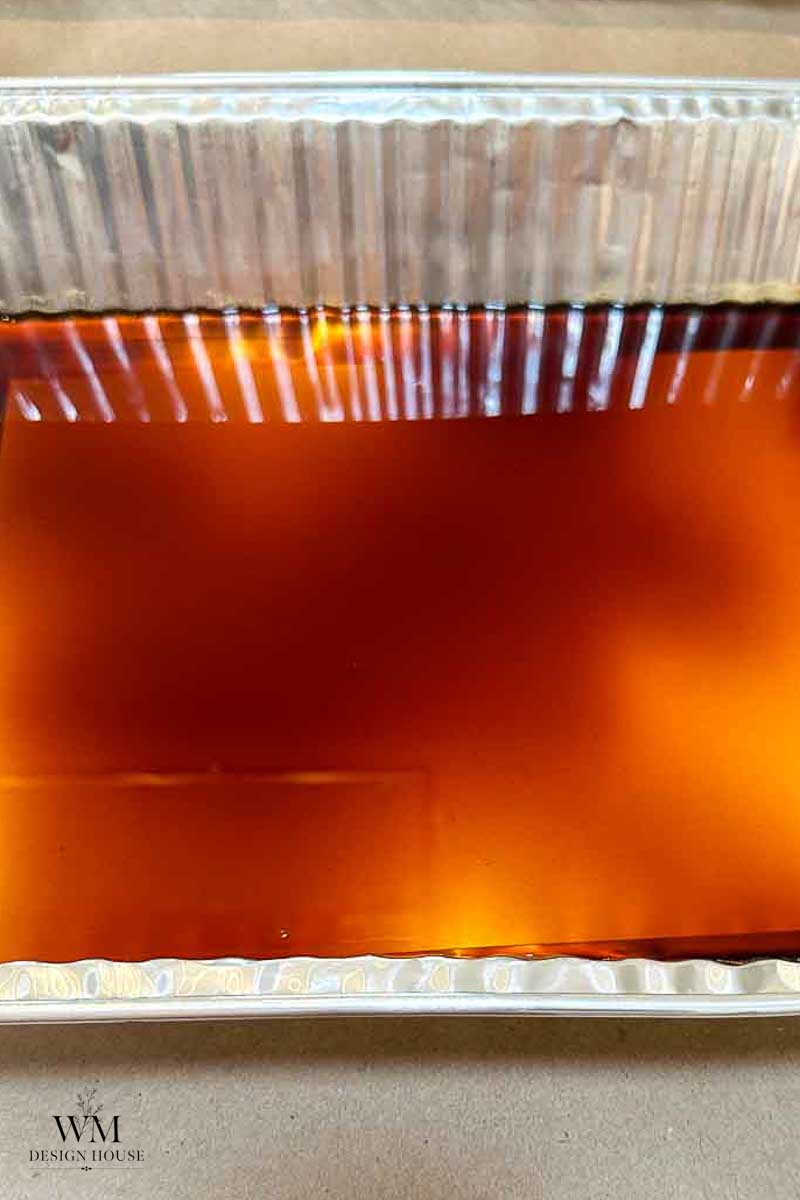
- Step 2: Pour it into a shallow tray.
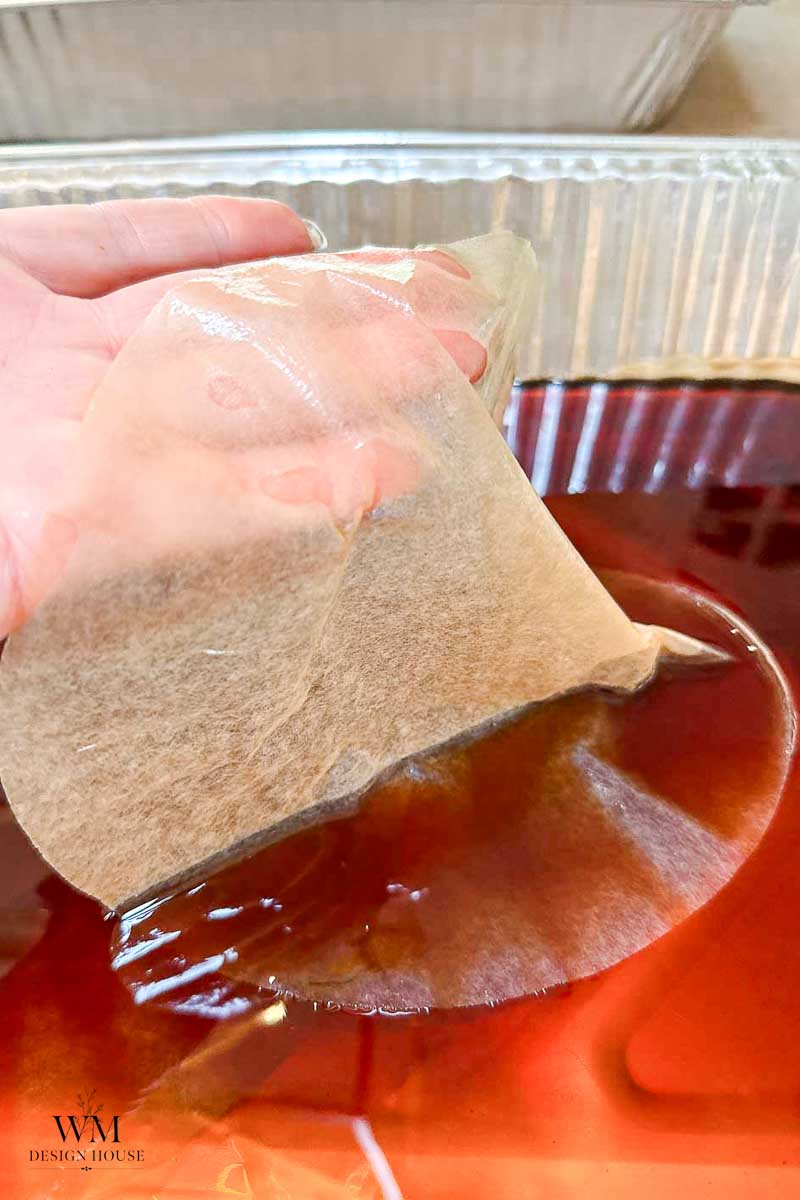
- Step 3: Submerge the paper or coffee filters completely.
- Step 4: Soak for 1 to 5 minutes. The longer it soaks, the darker it gets.
- Step 5: Lift the paper gently by two corners and let the excess drip off.
- Step 6: Lay it flat to dry. The coffee dries in uneven stains that look naturally aged.
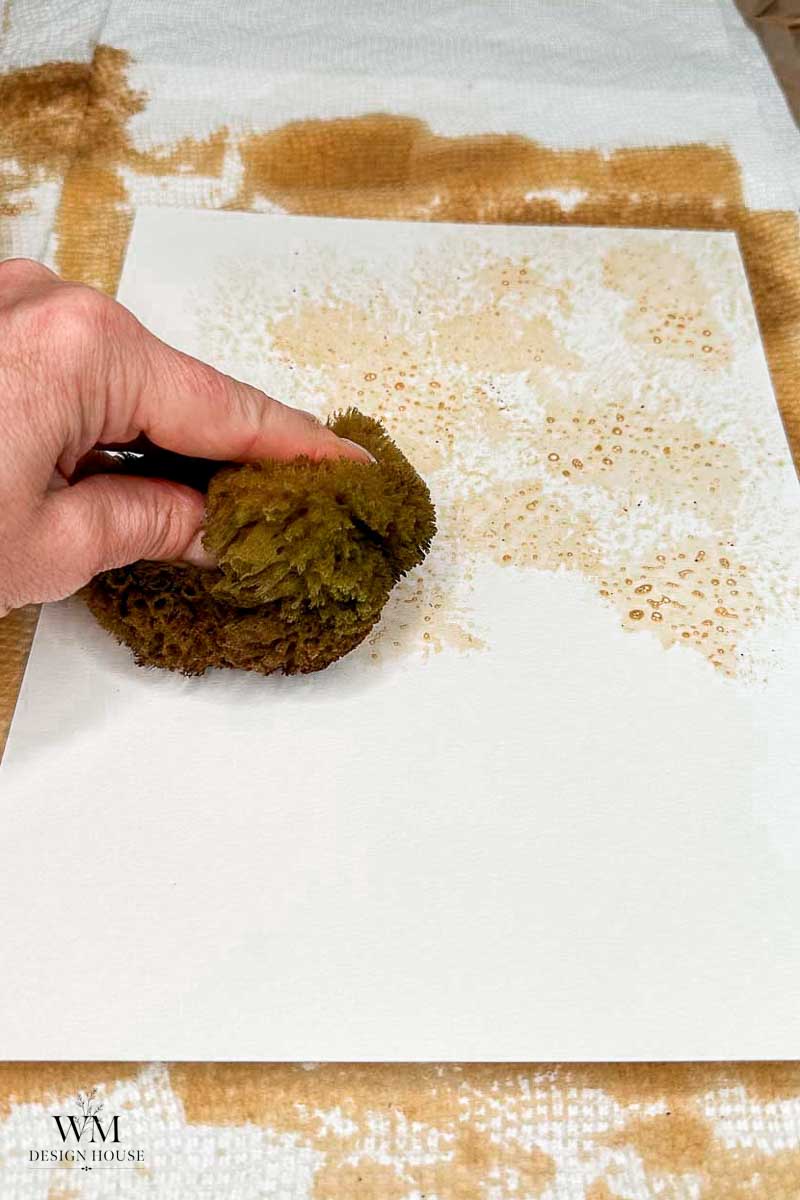
Method 3: The Sea Sponge Method
Best for: mottled, textured color.
- Step 1: Brew a strong espresso and pour it into a small bowl.
- Step 2: Dab the coffee onto the paper with the sponge.
- Step 3: Repeat on the back.
- Step 4: For deeper color, let the first layer dry, then add a second.
- You control the look by how much coffee you load on the sponge.
Method 4: The Tea Bag Twist
Best for: a lighter, golden vintage tone.
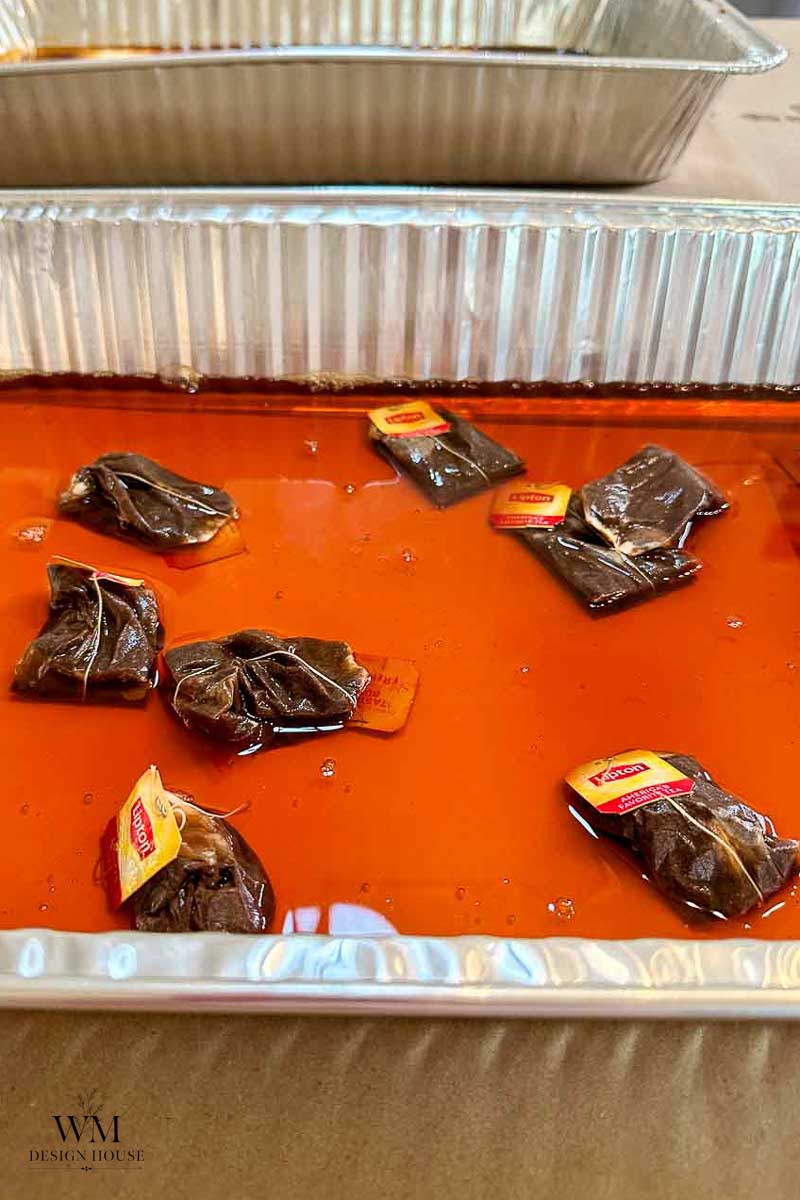
- Step 1: Brew a strong pot of black tea.
- Step 2: Let it cool and pour it into a shallow tray.
- Step 3: Submerge watercolor paper or coffee filters until fully soaked.
- Step 4: When you like the color, let the excess drip off. Lay the paper flat on paper towels.
- Step 5: Dab the wet paper with a sponge to add pattern.
- Step 6: Let it dry completely.
I used this same tea staining idea on paper doilies for my DIY paper table runner with tea-stained doilies.
Method 5: The Eyedropper Method
Best for: organic drips and spots.
- Step 1: Prepare your coffee or tea as in the methods above.
- Step 2: Place your paper on the paper towels.
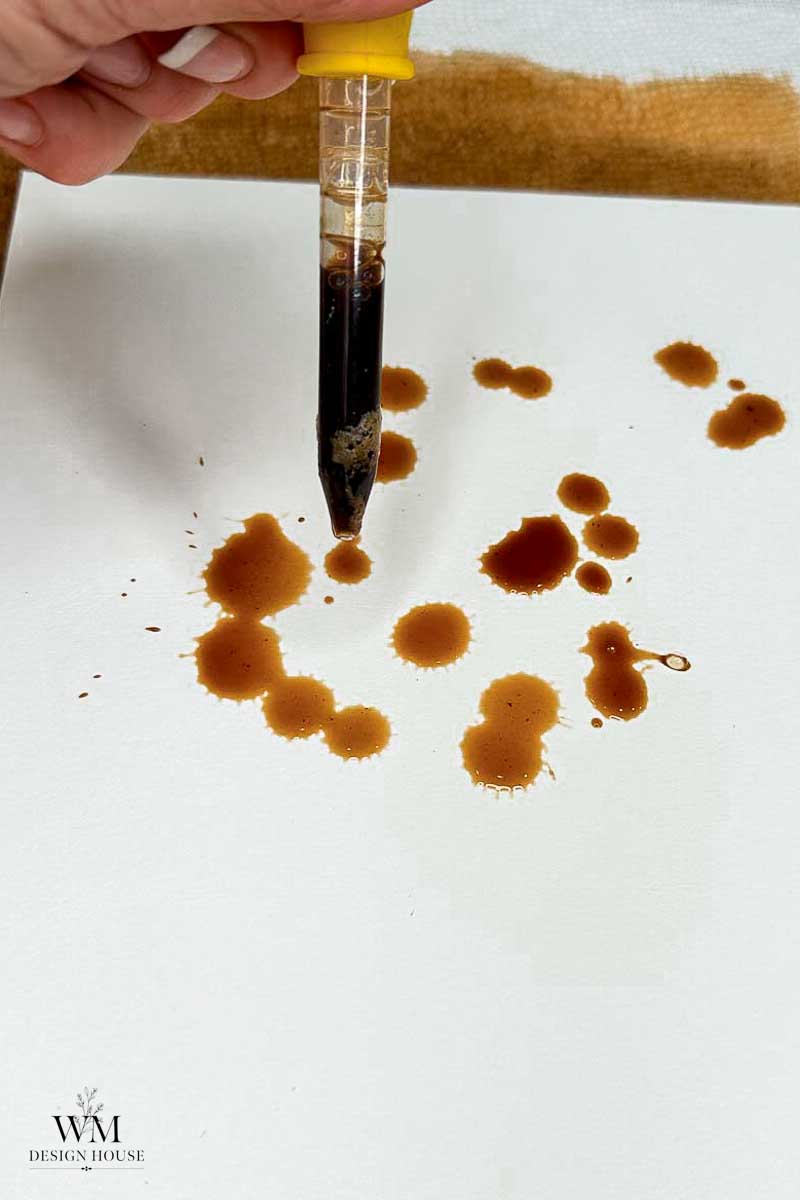
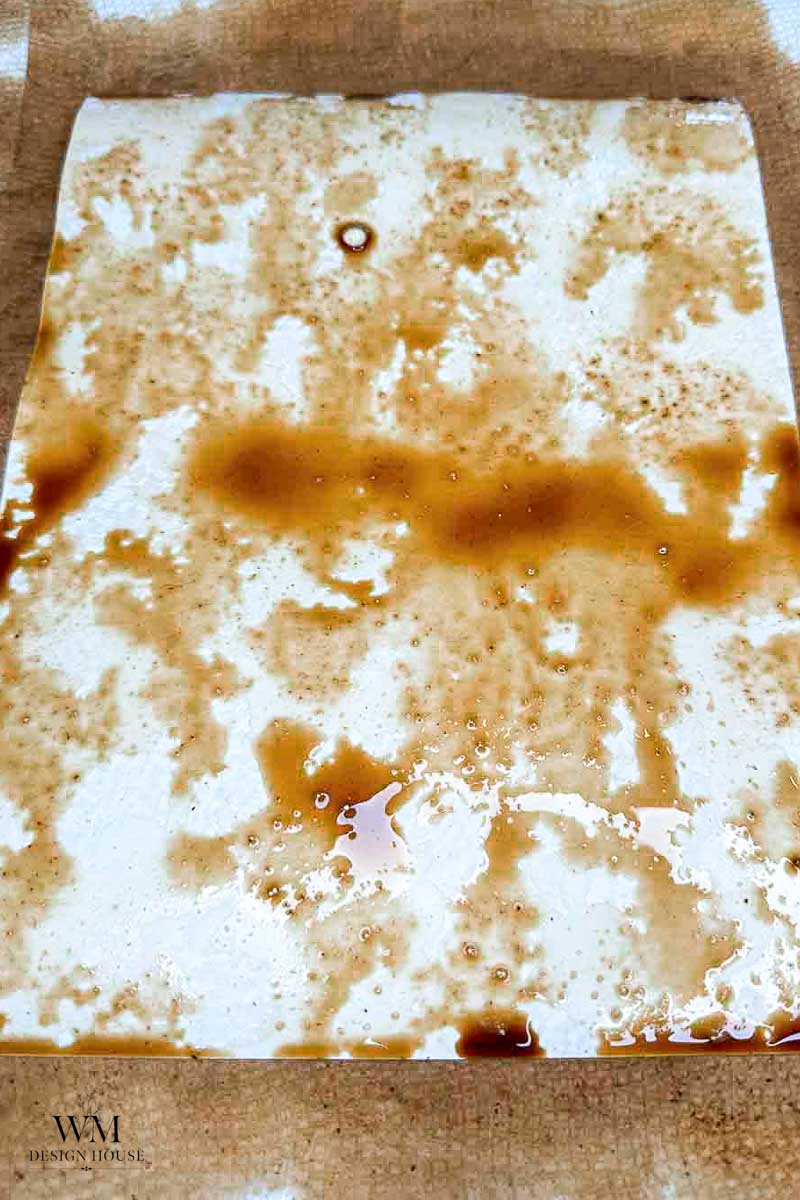
- Step 3: Drop coffee onto the paper in a random pattern. I like to leave some of the natural paper without any coffee stains.
- Step 4: Pick up the paper and tilt it so the coffee travels in different directions.
- Step 5: Repeat until you love the look.
- Step 6: Let it dry in a cool, dry place.
Coffee vs Tea Stained Paper
Coffee gives a warmer, browner color with more contrast. It also leaves darker edges where it pools.
Black tea gives a lighter, golden sepia tone that is more even across the sheet.
Want both? Stain with tea first, let it dry, then add coffee drips on top.
How to Get Darker, More Aged Effects
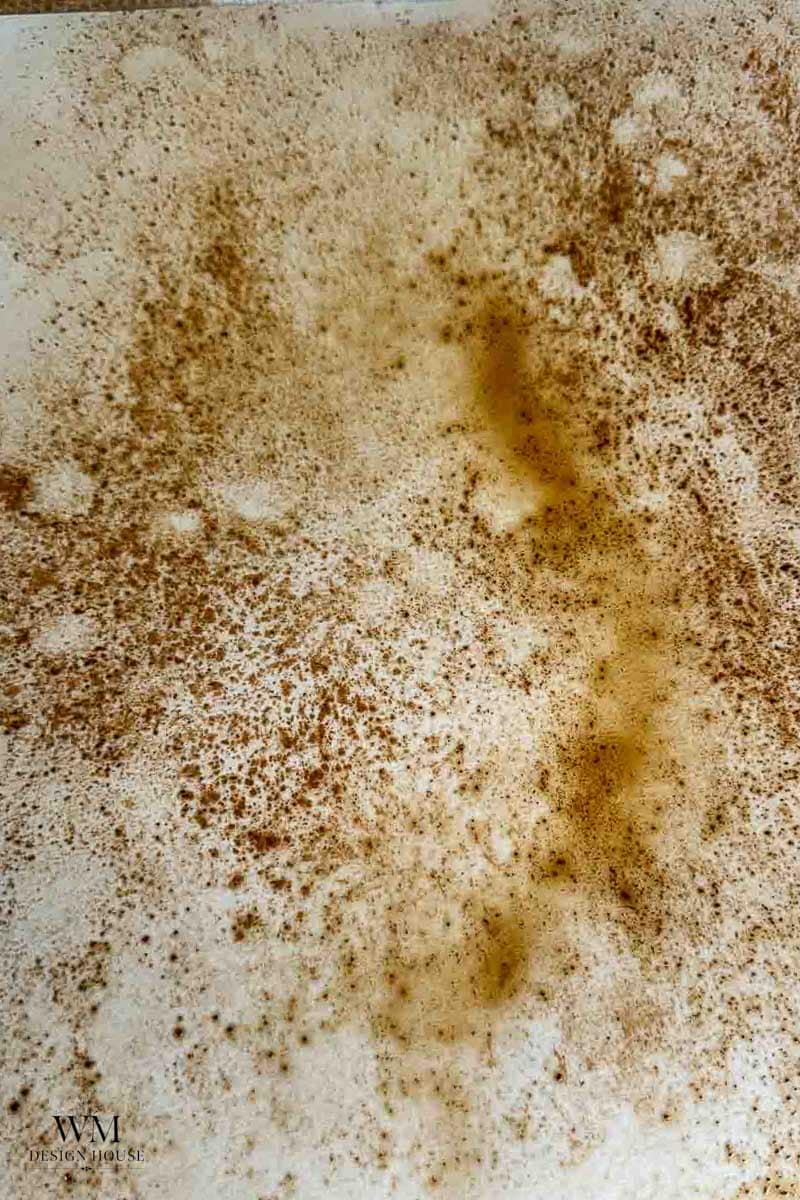
- Coffee grounds: While the paper is wet, sprinkle instant coffee granules on top. Rub them in with your finger or a sponge brush. Each granule melts into a dark speckle.
- Cinnamon: Sprinkle cinnamon on wet paper and brush it around. It sits on the surface and adds warm, rusty color.
- Crumple first: Crinkle the paper before staining. Coffee collects in the creases and creates dark veins.
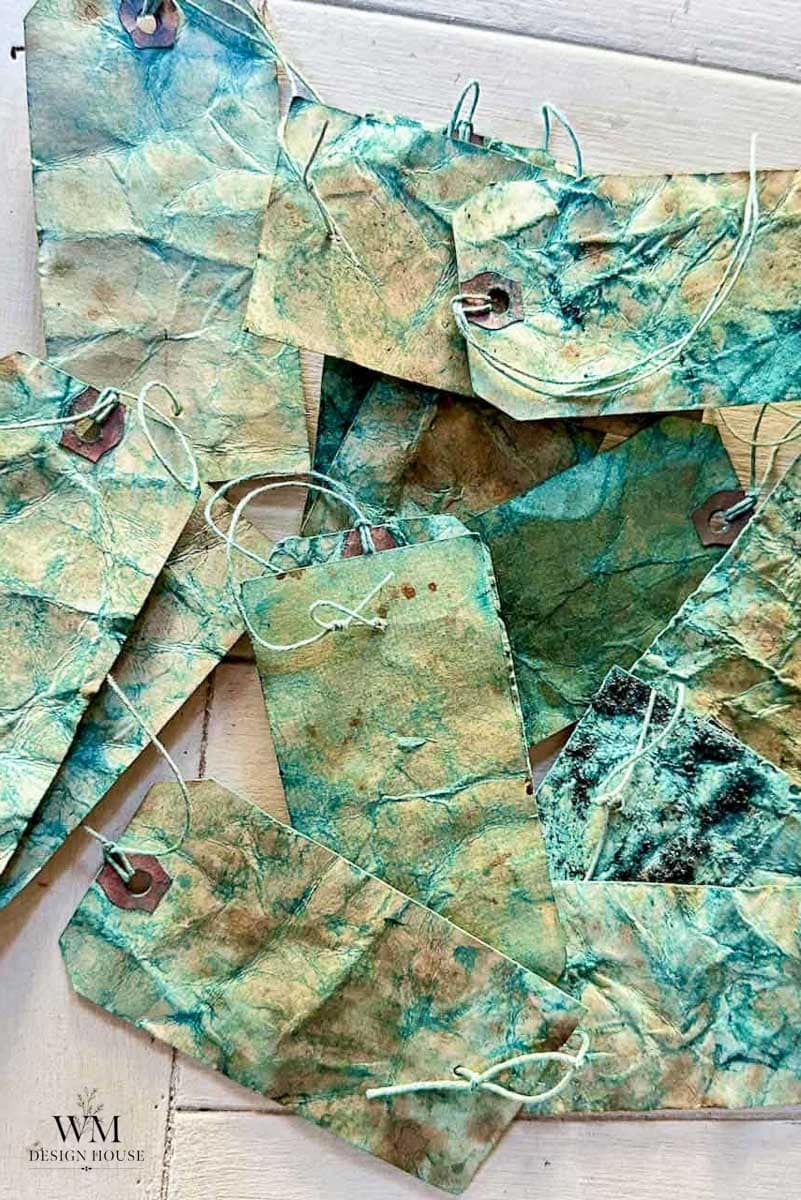
- Ink drops: Add a few drops of ink with an eyedropper for deeper spots.
- Paint bath: Dip wet paper into 3 parts water and 1 part acrylic paint for a hint of color.
- For more natural color from your kitchen, see how I make natural dye using vegetables and spices.
How to Dry Coffee Stained Paper Flat
Wet paper curls and ripples as it dries. These steps keep it flat.
- Air dry flat on paper towels for 1 to 2 hours. Flip once halfway through.
- Speed it up with a hair dryer on the low setting.
- Once dry, press the sheets under a stack of heavy books overnight.
- For crisp edges, dry between two pieces of parchment paper with a weight on top.
Troubleshooting Common Problems
- Paper tore: It was too thin or soaked too long. Switch to watercolor paper, or brush instead of dipping.
- Color is too light: Add a second coat after the first dries, or make stronger coffee.
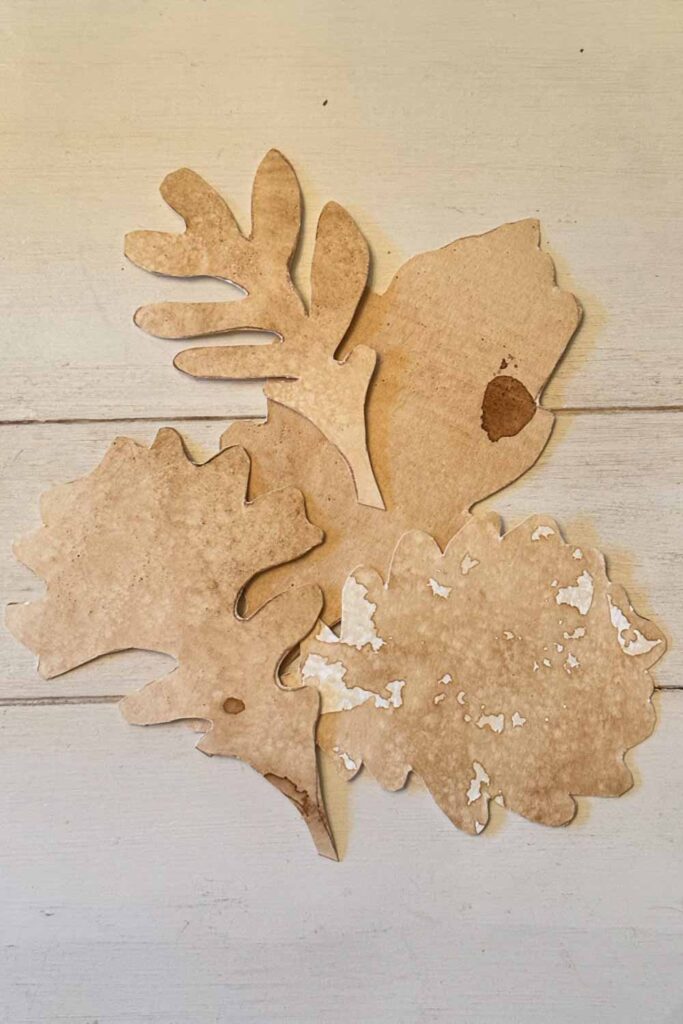
- White spots or streaks: Work faster and cover the whole sheet before it starts to dry.
- Coffee pooled in one spot: Blot it with a paper towel, or tilt the sheet while it is wet.
- Paper is still curled: Mist it lightly with water and press it under books overnight.
How to Seal Coffee Paper
Once the paper is dry, spray it with a clear acrylic sealer to prevent smudging. For projects that may get damp, like coasters, brush on a decoupage medium to lock in the stain.
What Can You Make With Coffee Stained Paper?
- Scrapbooking: Backgrounds for photos, journaling, and embellishments.
- Junk journals: Aged pages, tags, and pockets.
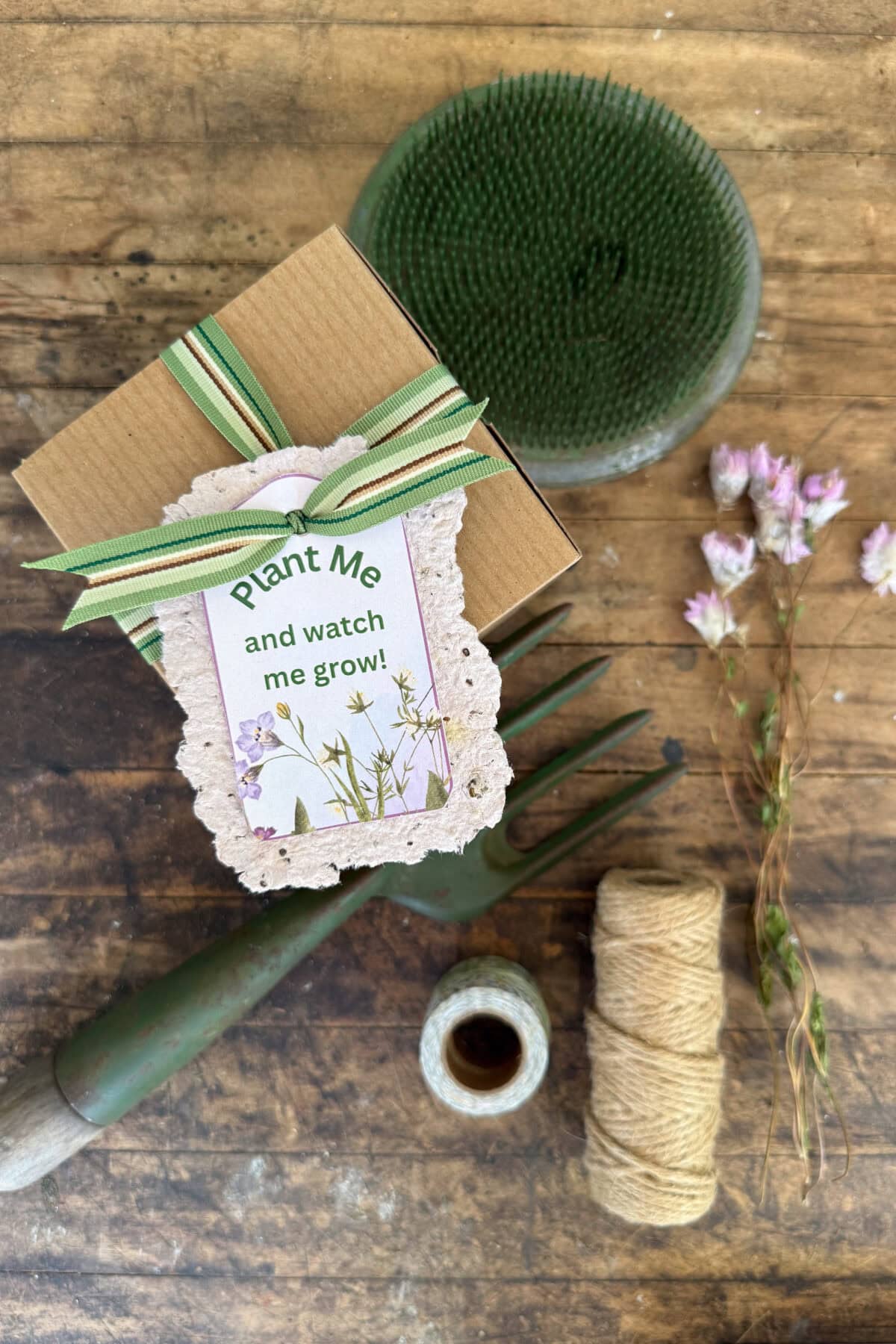
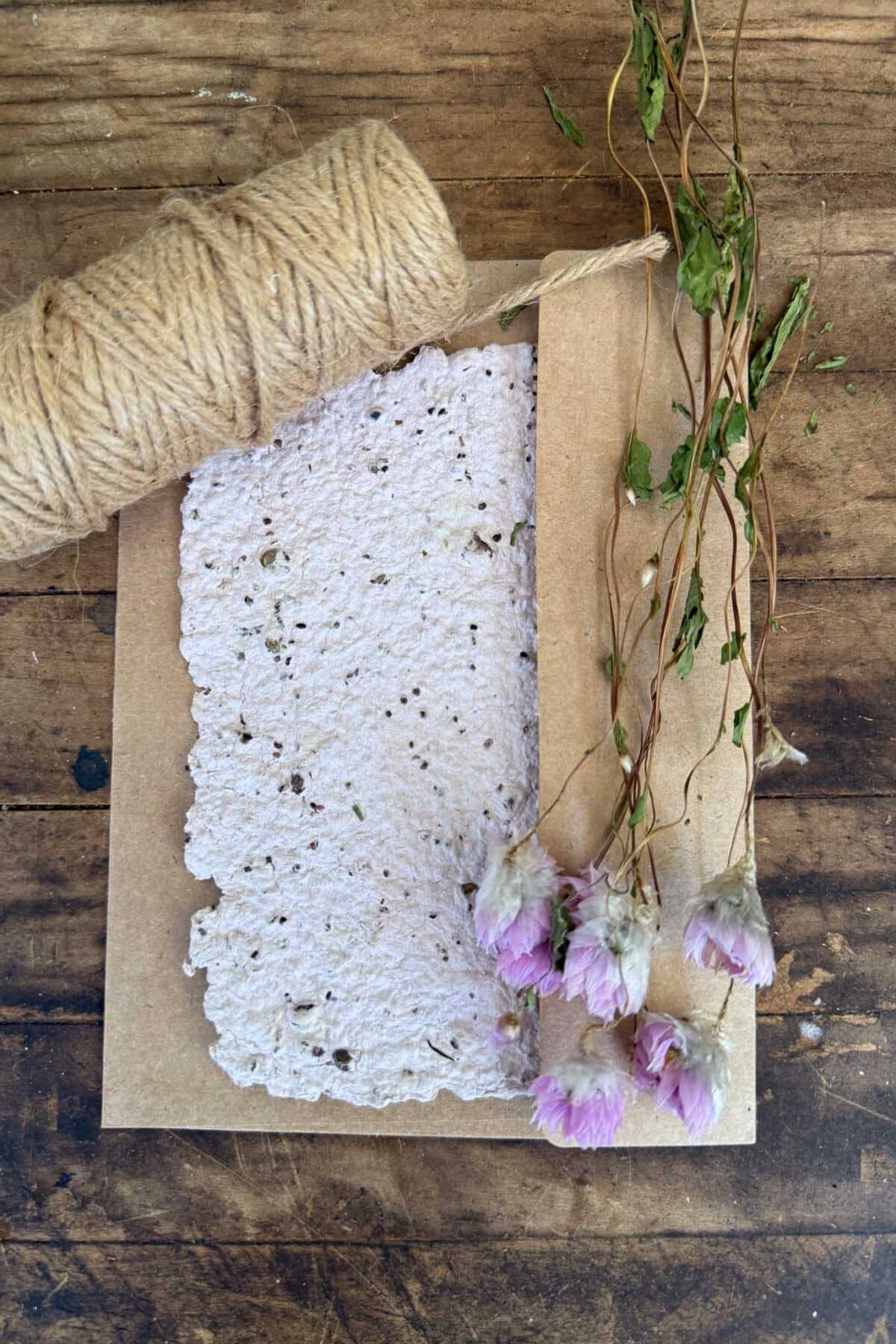
- Handmade cards: greeting cards, invitations, and thank-you notes. Want to make the paper from scratch too? Here is how I make DIY seed paper for handmade cards and stationery.
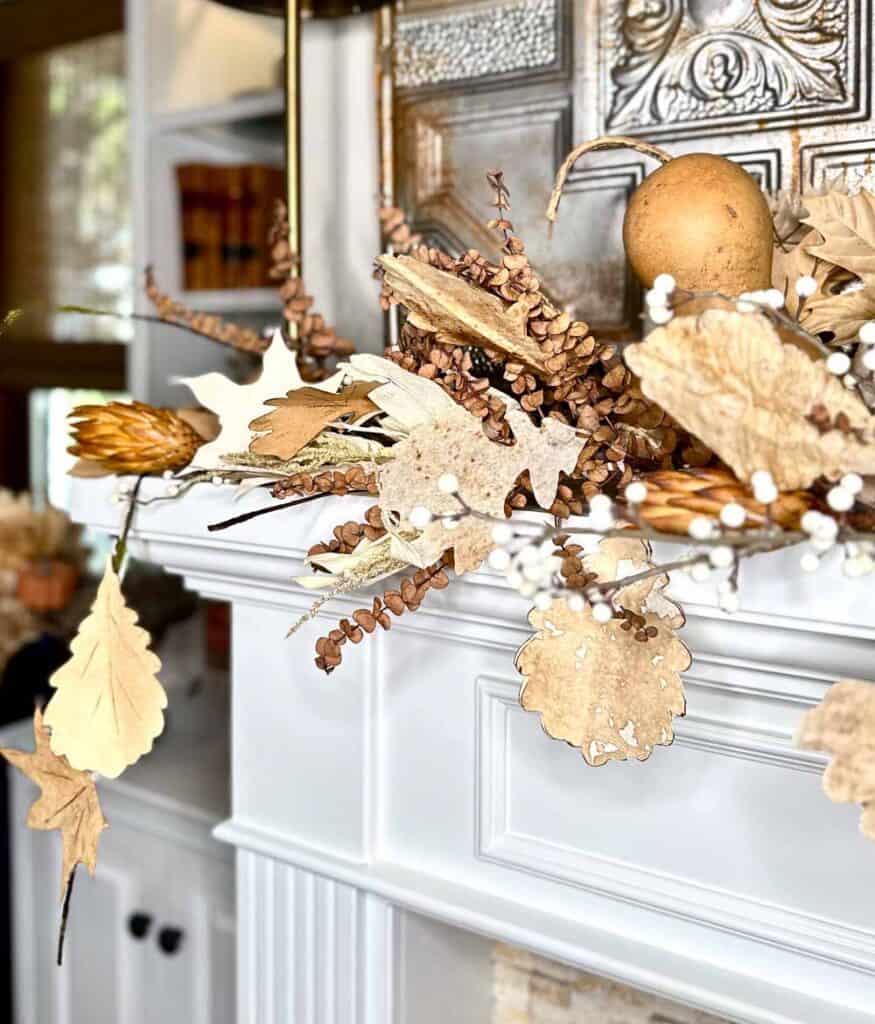
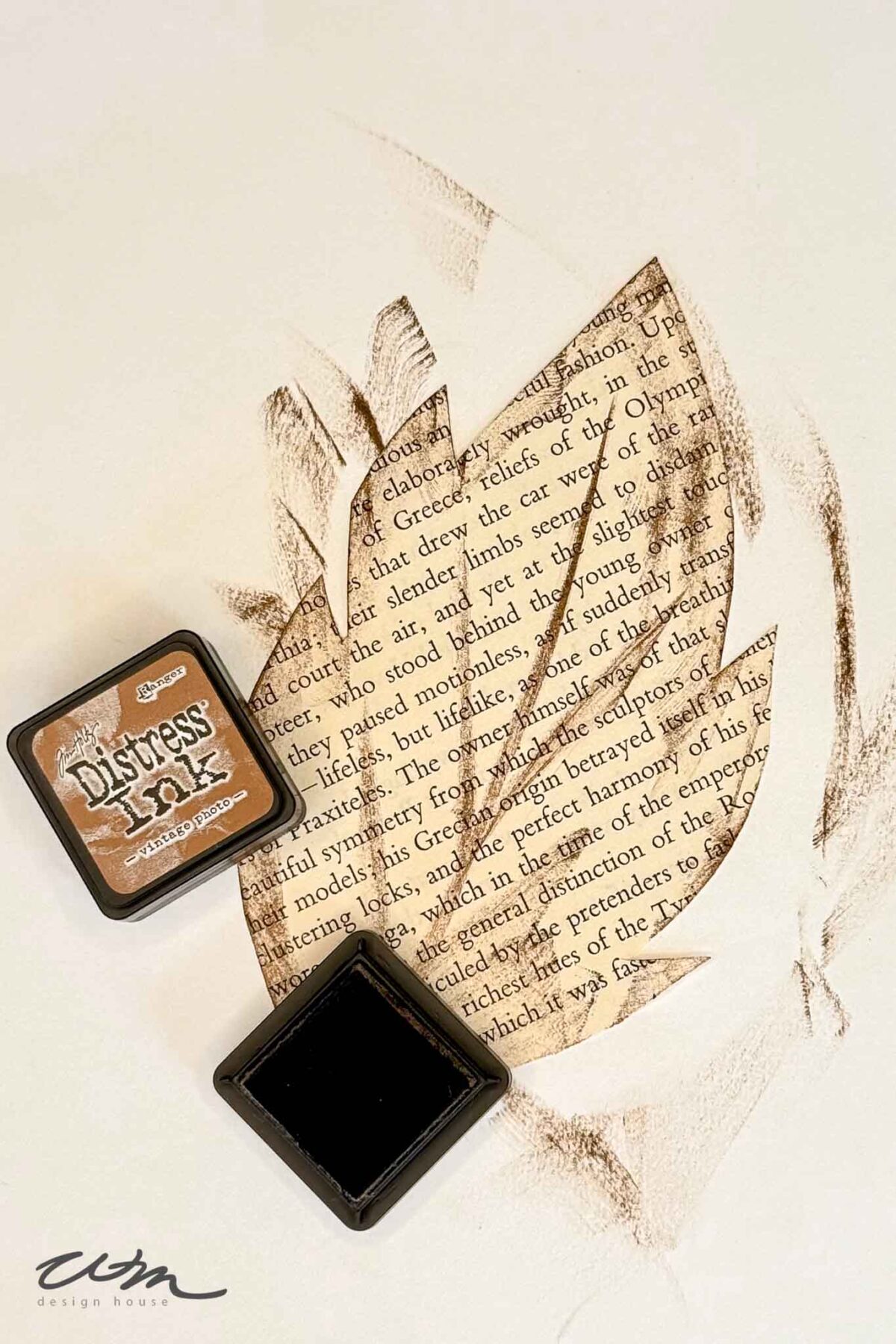
- Fall leaves: Cut out leaves and string them into a fall leaf garland.
- Mixed media art: Collage and painting layers with added texture.
- Decoupage: Tear it into pieces for decoupage projects.
- Bookmarks, gift tags, and labels for handmade gifts and craft fair items.
- Wedding decor: Place cards, table numbers, and invitations.
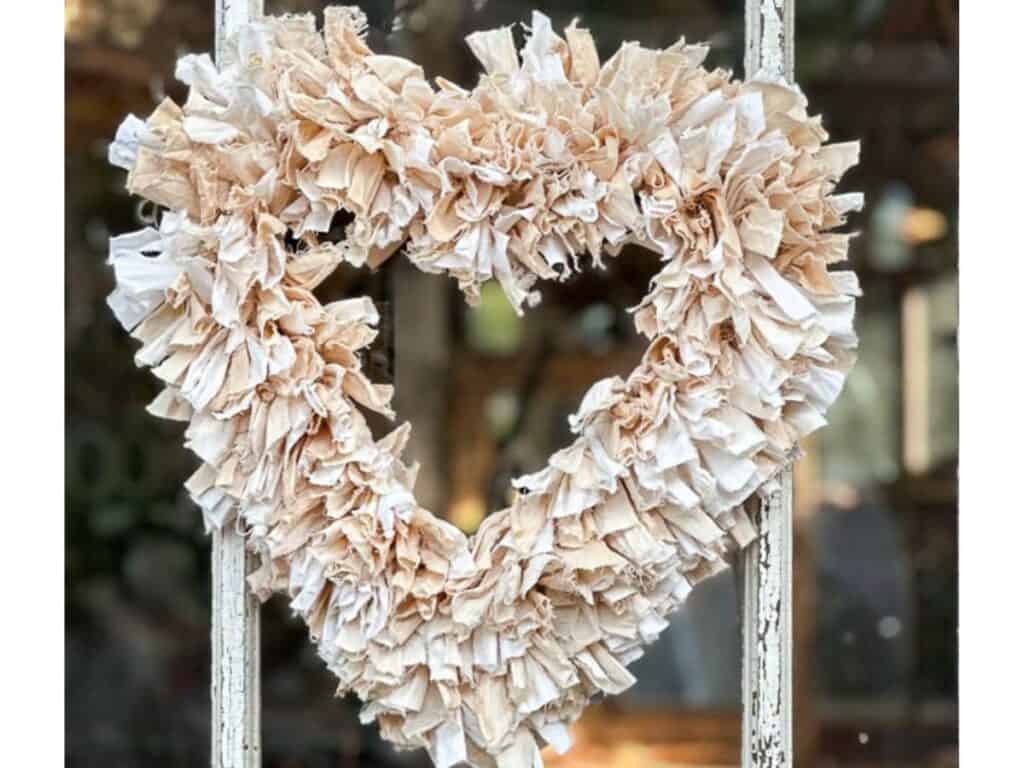
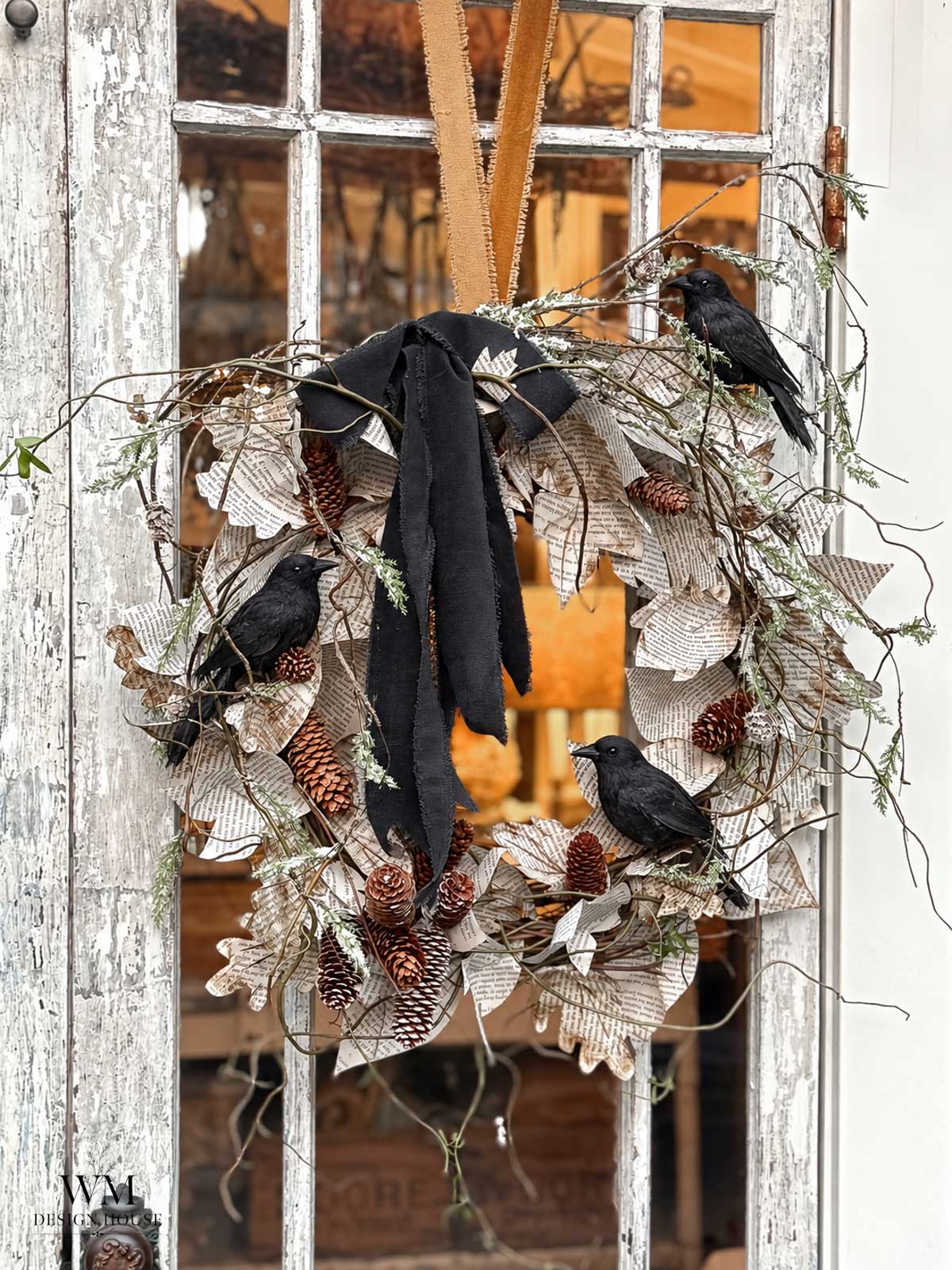
- Wreaths: You could use coffee stained paper to make a DIY book page wreath, and I used coffee and tea to dye fabric for my neutral heart rag wreath.
Why Make Your Own?
It costs pennies, you control the color, and every sheet is one of a kind. Coffee is natural and biodegradable, so there are no harsh chemicals. And store-bought aged paper never looks quite as real.
Quick Tips
- Test on a scrap first to check the shade.
- Protect your table with a plastic tablecloth or paper bags. Coffee stains wood.
- Stain a whole stack at once. It all dries in the same amount of time.
- Instant coffee is the fastest. Brewed dark roast gives richer, more uneven color.
Frequently Asked Questions
Yes, but test a scrap first. Laser printing and pencil hold up well. Inkjet ink and some pens can bleed when wet, so brush the coffee on lightly instead of soaking.
Yes. Make sure the paper is completely dry and pressed flat so it feeds through the printer. Smooth cardstock and printer paper work best. Skip crumpled sheets, which can jam.
Yes. Day-old coffee works just as well as fresh. Used grounds make a weaker stain, so steep them in hot water longer or add a spoonful of instant coffee.
A little at first. The scent fades within a few days as the paper fully dries. Leave the sheets out in open air before you store them.
Years, if you keep it dry and out of direct sun. Coffee is acidic, so it is not archival. For keepsakes, stain a copy and keep the original photo or document separate.
Yes. Use cooled coffee and a sponge or brush. The eyedropper method is the most fun for little hands, since every drip makes a new pattern.
Start With One Method
Coffee stained paper is one of my favorite ways to bring antique charm to my craft projects. It only takes a few simple materials, and you can make the look as subtle or as bold as you like.
Pick one method, brew a strong pot, and see what happens. Then turn your stack into my simple DIY fall leaf garland made with coffee paper and filters.



Fall DIY’s
Fall is just around the corner, so it’s time to start thinking about all the fun DIY crafts and decor projects you can make to get in the spirit. Whether you want something simple or elaborate, I am here to inspire you. Click the button to see all of my fall projects.



Thank yo so much for the great feature.
FUN tutorial, Wendy!
We will be featuring you starting Wednesday at the Creative Crafts Linky Party! Pinned and shared!
Creatively, Beth
Hi Beth, thank you so much. I appreciate the feature and will stop by to visit. I hope you have a great week.
Outstanding tutorial. Something I have never done as yet.
Thank you for sharing your links with us at #277 SSPS Linky. See you again next week.
Thank you so much! it is a fun project to make.
Love your pretty coffee-stained leaves, Wendy! I always learn so much from your creative ideas! Thanks so much for sharing!
Thank you, Kim. Coffee staining is one of my favorite crafting projects.
This is such a great DIY tutorial, Wendy! I can’t wait to share it on Sunday.
Thank you so much, Kim. I am so glad you enjoyed it. It is very kind of you to share it.