
Persimmon pulp is what I make when a friend with a tree hands me more Hachiyas than any one person could eat. Scooped, strained, and frozen in one-cup portions, it turns a fruit that is only ripe for a few weeks into cookies, bread, and pudding all winter long. The whole job takes about twenty minutes once the fruit is ready, and nothing about it is hard.
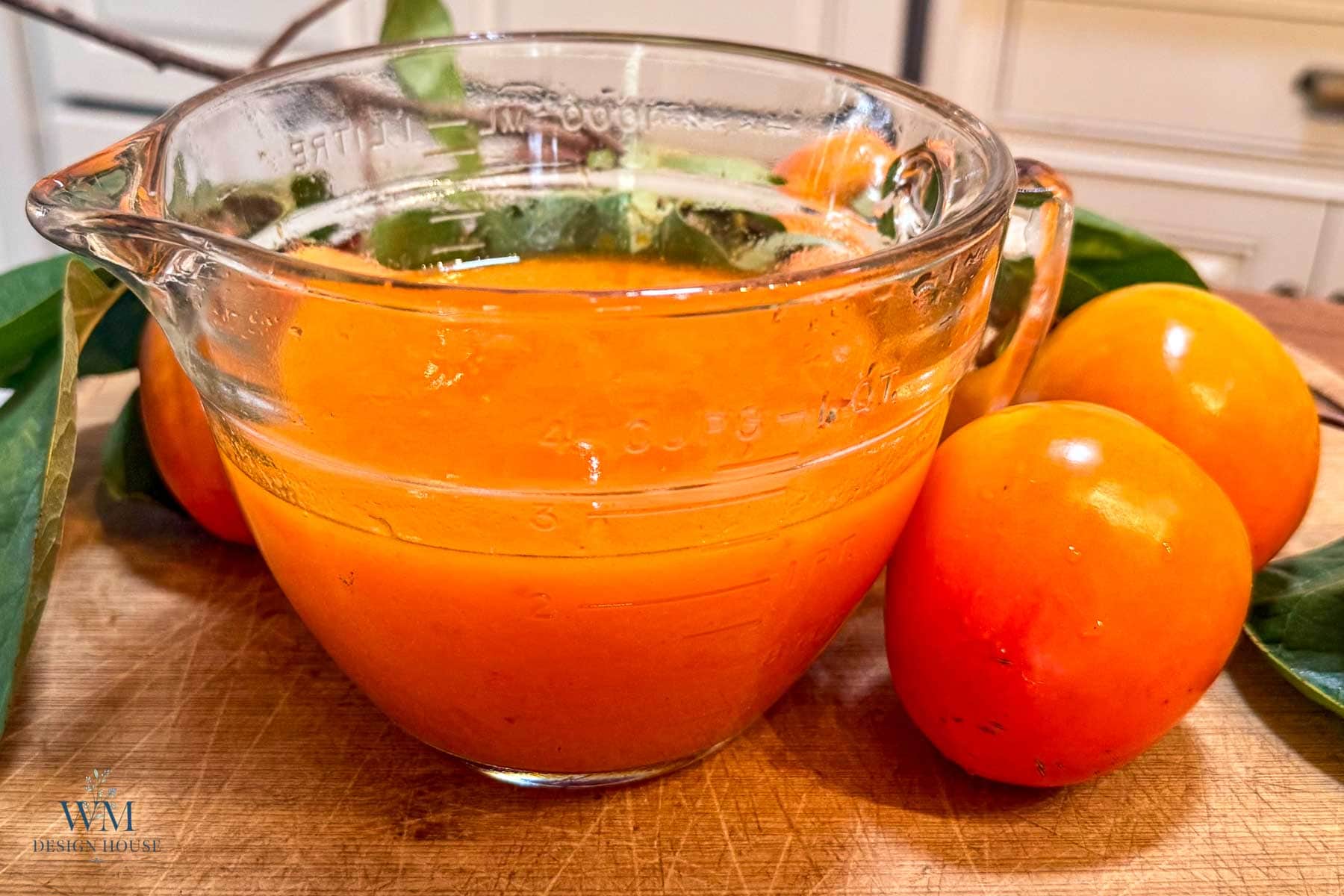
Persimmons do well here in Southern California, and every fall a friend’s tree gives her more than she knows what to do with, which is how a bag of them ended up on my counter without my buying a single one. Hachiyas in particular go from rock hard to jelly soft in a matter of days, and once they are soft you have to do something with them. Pulping them is that something.
On my blog WM Design House, I may sometimes use affiliate links, which means a small commission is earned if you purchase via the link. The price will be the same whether you use the affiliate link or go directly to the vendor’s website using a non-affiliate link. Read my full disclosure policy here.
Hachiya vs Fuyu: Which Persimmon Makes the Best Pulp
There are two persimmons you will find in stores, and they behave like different fruits.
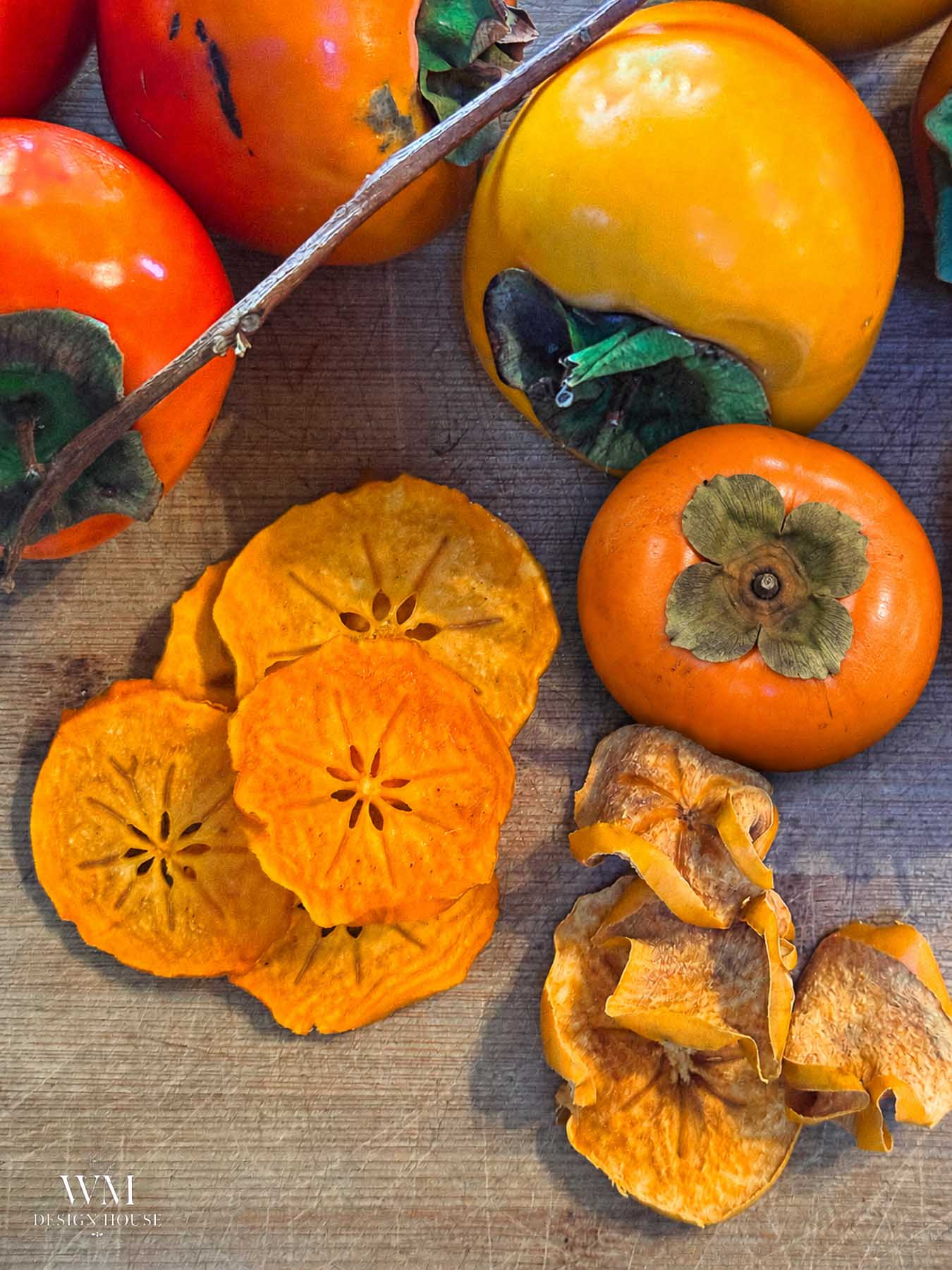
- Hachiya is the tall, acorn-shaped one. It is astringent until it is completely soft, and then it turns into something close to jam inside its own skin. This is the persimmon for pulp. One Hachiya gives you about 1/2 cup of pulp.
- Fuyu is the squat, tomato-shaped one you can eat crisp like an apple. It never gets as soft or as sweet, and blended it makes a thinner, paler puree. It works in a pinch for smoothies, but for baking, use Hachiya.
If you have American persimmons from a wild tree, they pulp the same way as Hachiya, with more seeds to strain out and a deeper, almost date-like flavor.
How to Tell When a Persimmon Is Ripe Enough to Pulp
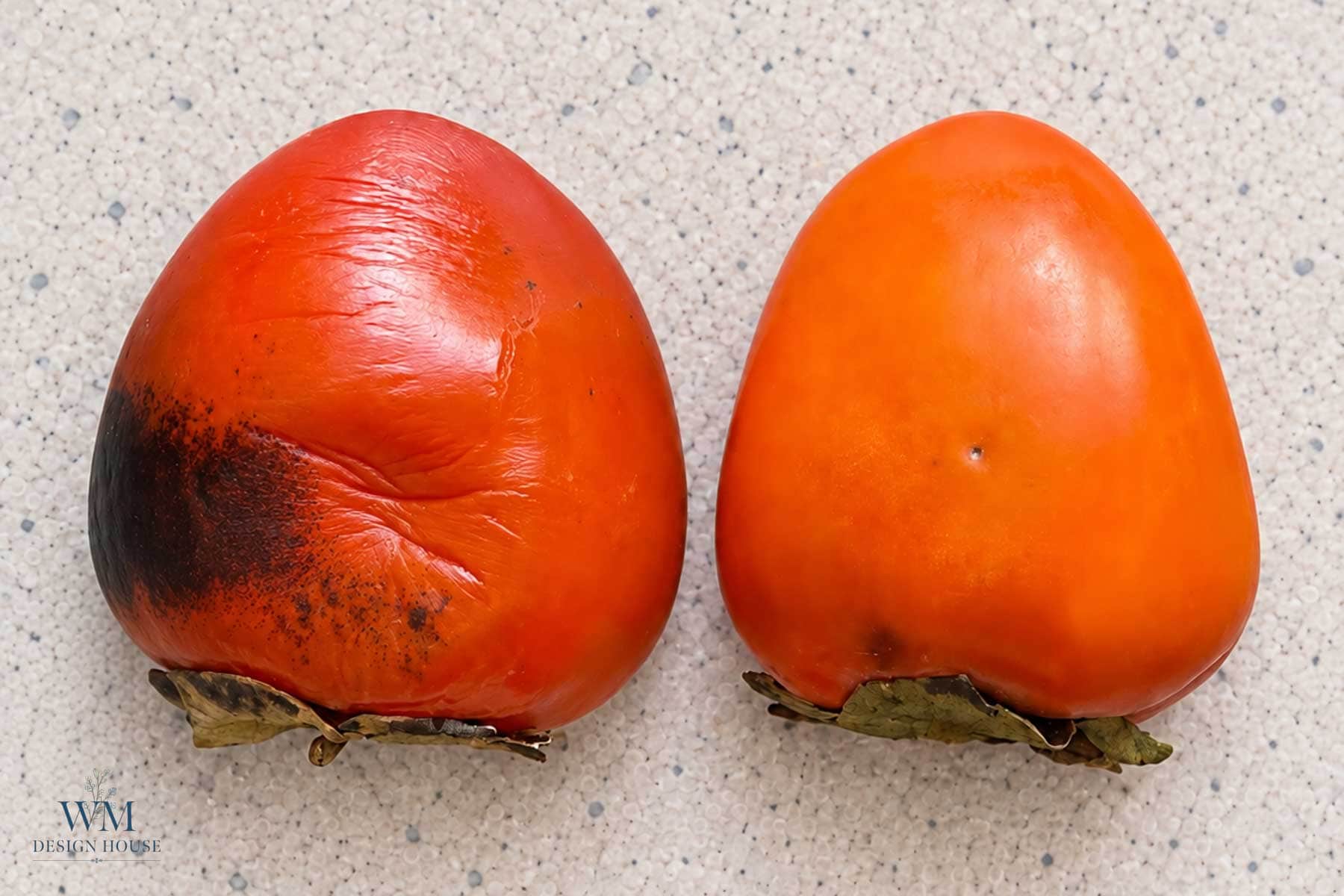
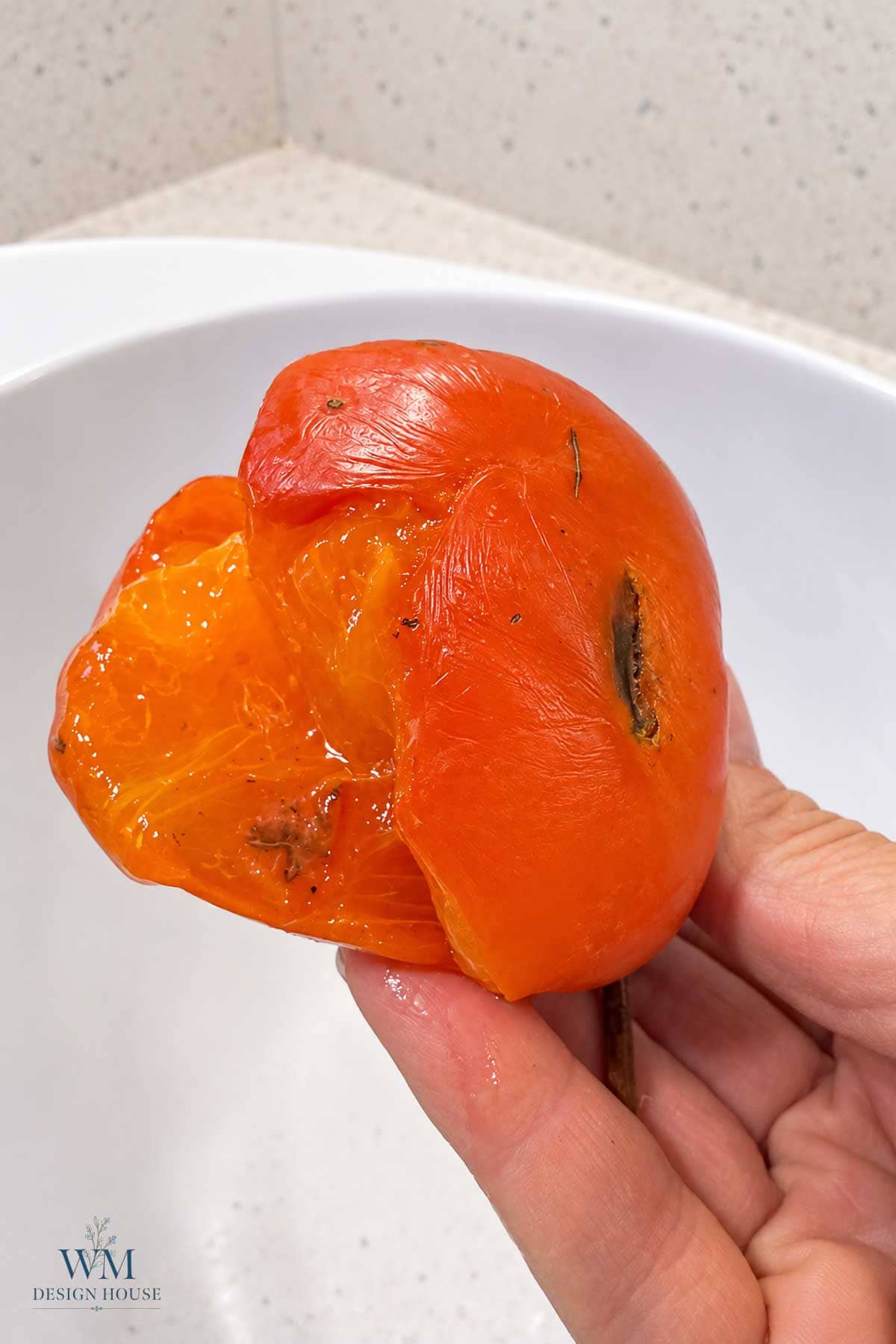
This is the part people get wrong, and it is the whole reason a batch of persimmon cookies comes out tasting like chalk. A Hachiya is ready when it feels like a water balloon. The skin goes translucent like the persimmon on the left. The flesh gives everywhere you press, and the fruit slumps a little when you set it down. If there is any firmness at all, wait.
Hard Hachiyas ripen on the counter in a week or two. To hurry them along, put them in a paper bag with a banana.
Supplies You Will Need
- Very ripe Hachiya persimmons (8 to 10 fruit make about 4 cups of pulp)
- A sharp paring knife
- A large bowl
- A food mill or a fine mesh sieve and a flexible spatula
- An immersion blender, for the shortcut method
- Fresh lemon juice (optional, for color)
- Freezer bags or 1-cup freezer containers
- A permanent marker for labeling
Tip from wendy:
Pulp your persimmons the same day you plan to freeze them. The pulp darkens quickly once it hits the air, so scoop, strain, portion, and freeze in one sitting.
Method 1: Pulping Persimmons With a Food Mill or Sieve
This is the method I use for anything that will go into a recipe, because it gives you a smooth, even pulp with no bits of skin or seed and no air whipped into it.
Cut off the tops
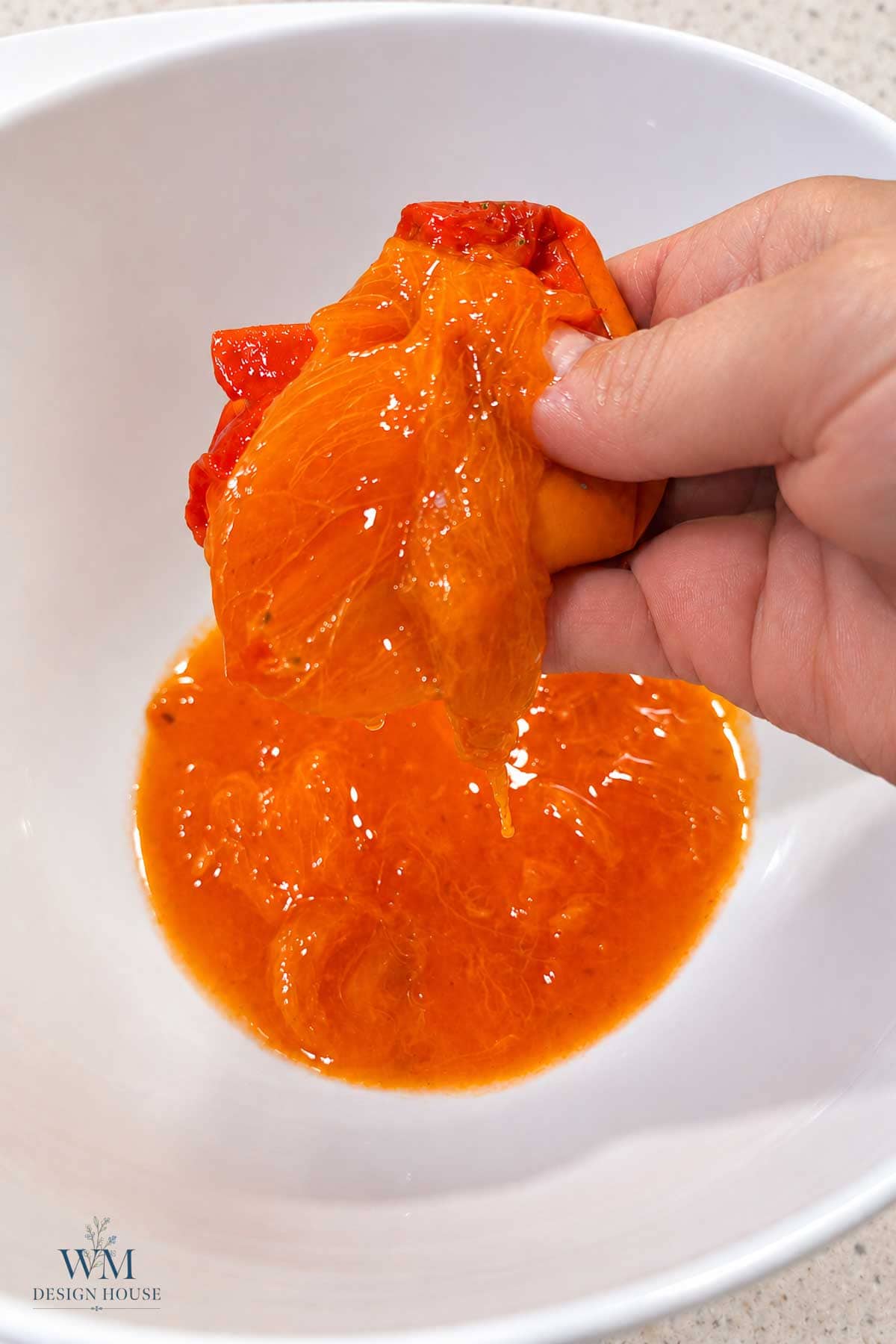
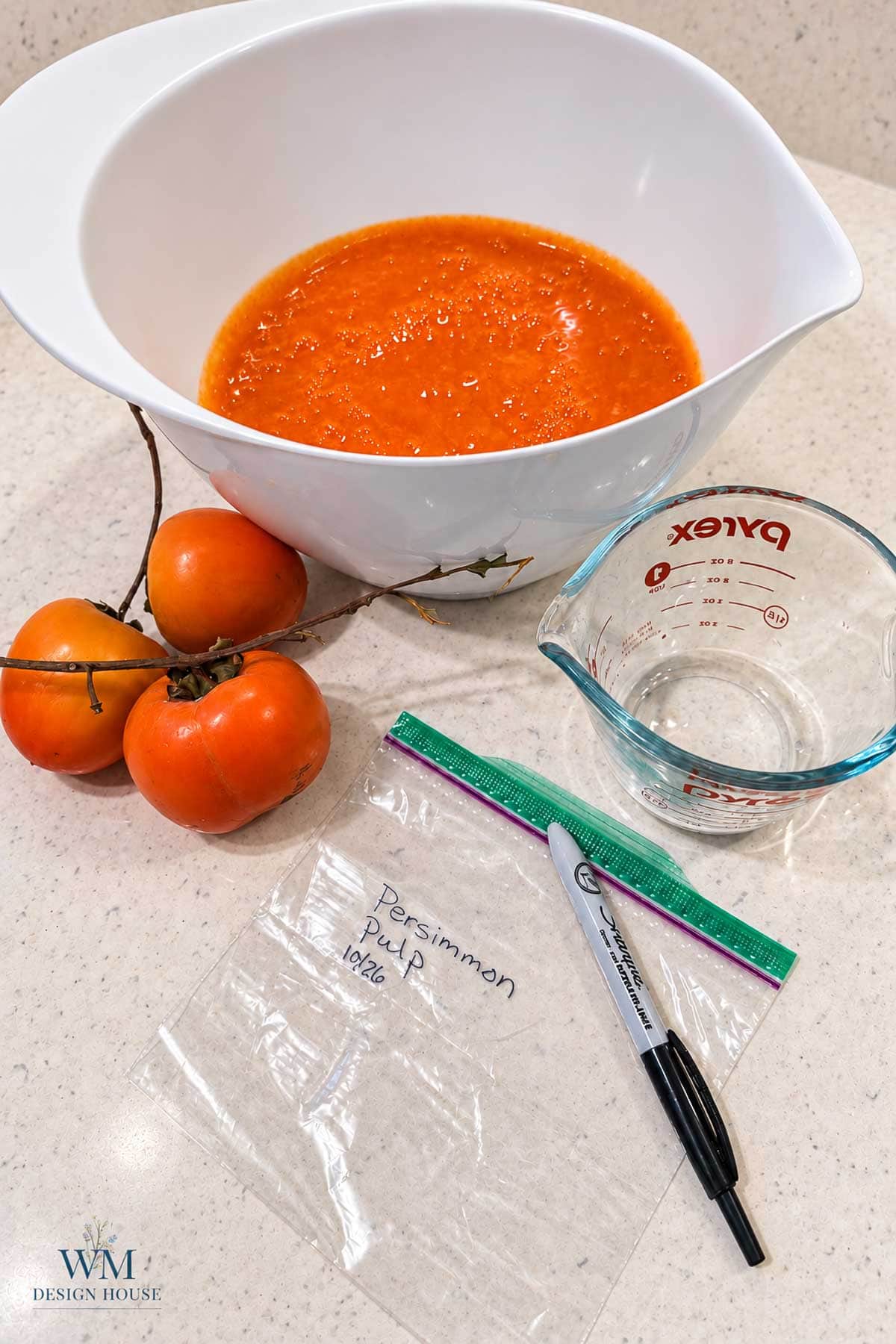
Pull off the green calyx and slice a thin layer off the top of each persimmon. You can skip this, but it makes squeezing easier. Work over the bowl, because a truly ripe Hachiya starts leaking the second you cut it, as you can see in my photo.
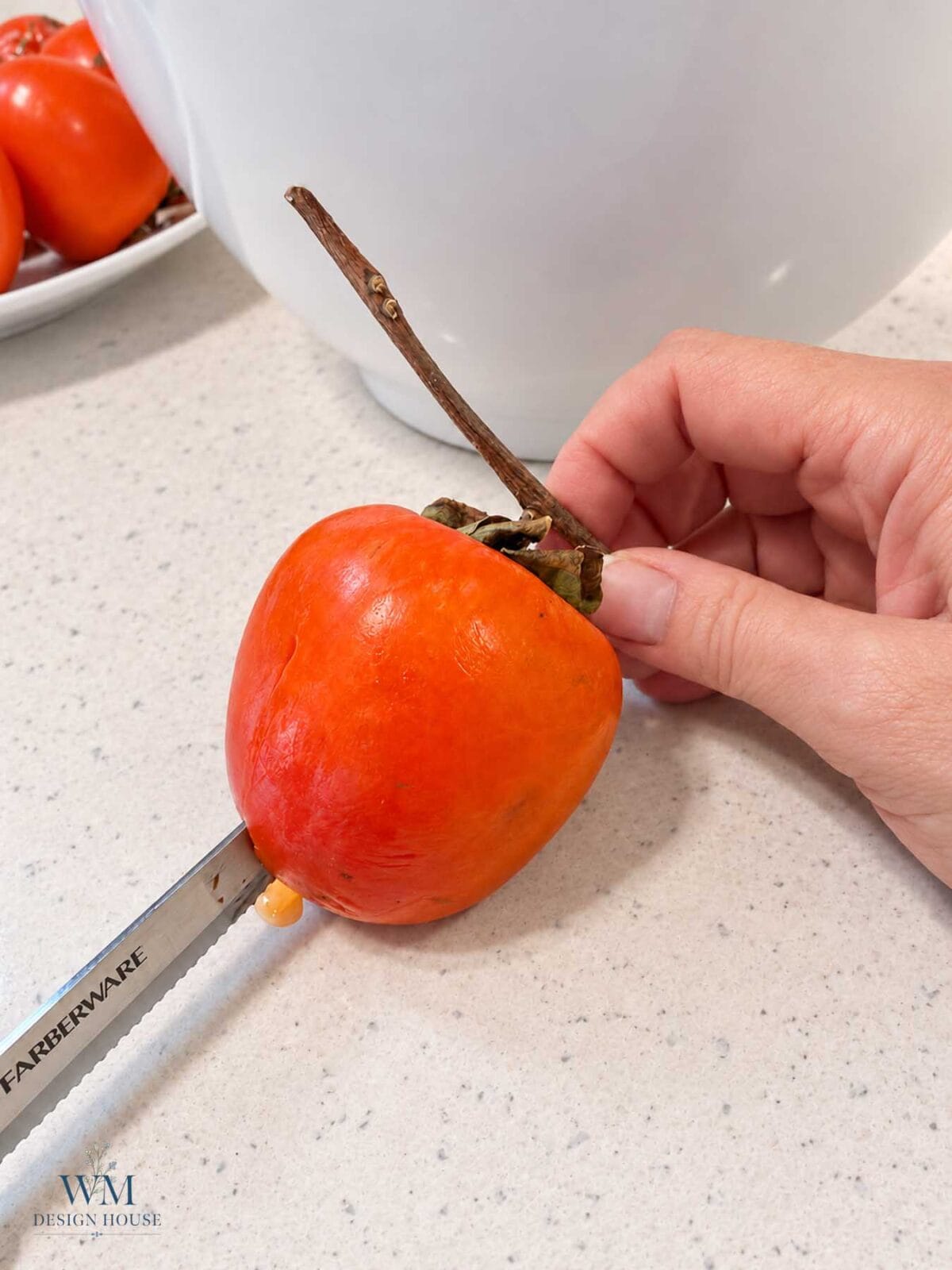
Scoop out the flesh
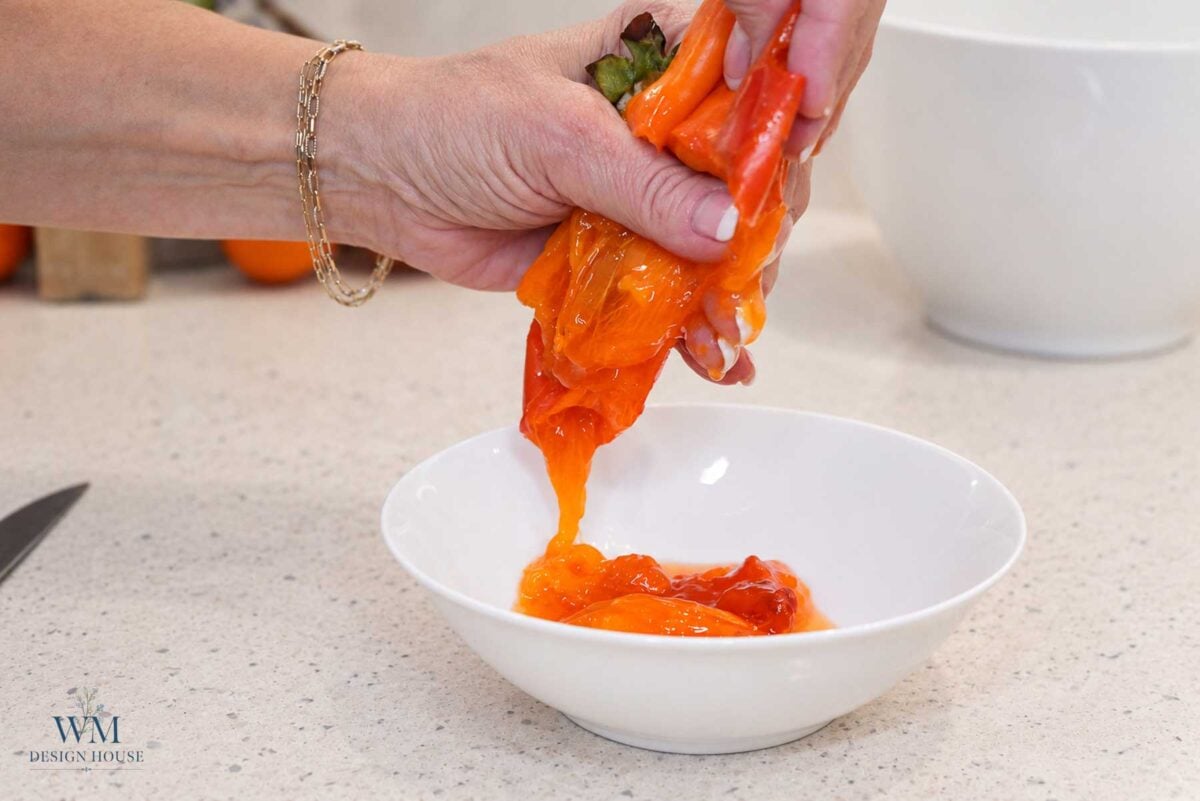
Cut each fruit halfway up from the bottom and simply squeeze it out of the skin like a tube of toothpaste. Pick out any large seeds you can see. Hachiyas from the store are usually seedless, but not always.
Run it through the mill
Set the food mill over a clean bowl with the medium disc in place and crank the flesh through. If you are using a sieve, push the flesh through with the back of a spatula a cup at a time. Scrape the underside of the sieve often, because that is where the smoothest pulp collects.
Stir in lemon juice
A teaspoon of lemon juice per cup of pulp keeps the color bright orange in the freezer. Skip it if your recipe is already acidic, or if you do not mind a deeper rust color.
Method 2: The Immersion Blender Shortcut
When I have a mountain of fruit and not much time, the immersion blender does the job in a third of it, right in the same bowl I scooped into. No food mill to wash, no transferring back and forth. The texture is a little looser than milled pulp, which is fine for bread, smoothies, and sauces.
Scoop into a deep bowl
Squeeze the flesh out of the skins into a tall, narrow bowl or a wide mouth quart jar. Deep and narrow is better than wide and shallow, because the blade stays under the surface and the pulp does not spatter. Persimmon skin blends into tough little flecks, so keep it out, and pick out any seeds you can see before the blade finds them.
Pulse, do not run it
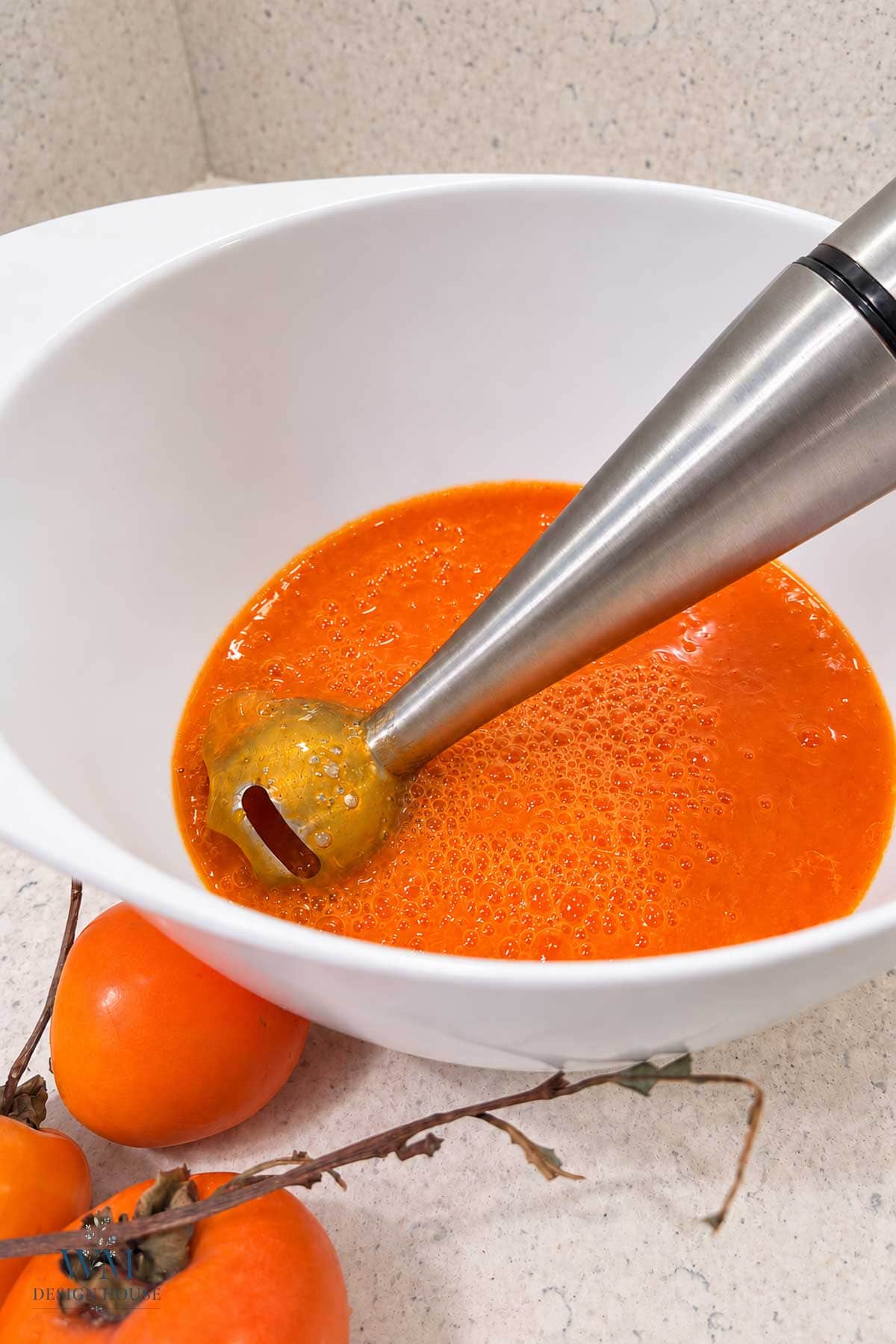
Keep the blade head fully submerged and pulse in short bursts, moving it slowly around the bowl, until the pulp is just smooth. Thirty seconds is usually plenty. Holding the button down whips air into the pulp and turns it pale and foamy, and lifting the head out while it is running sends persimmon up the cabinets. If you want it perfectly smooth, pour it through the sieve once at the end.
Let it settle
Give blended pulp ten minutes in the bowl before you portion it so the air works its way out and you are not freezing foam.
How to Freeze Persimmon Pulp
Freezing is the way to keep persimmon pulp, and portioning is what makes it useful later. I freeze in the amounts my recipes call for so I never have to thaw more than I need.
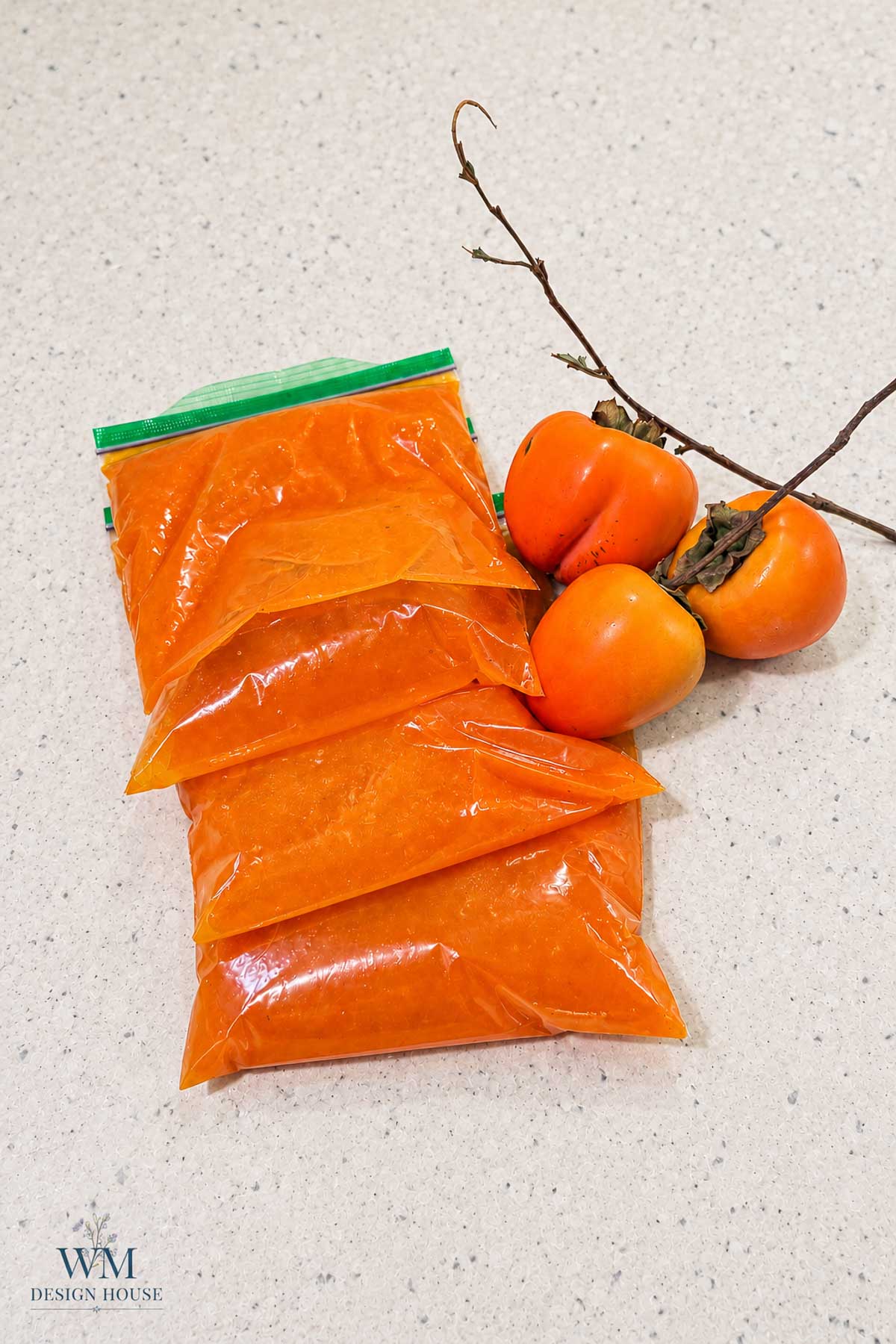
- One-cup portions in quart freezer bags, pressed flat and stacked. This is the size most cookie and bread recipes use. Flat bags thaw in about an hour on the counter.
- Half-cup pucks frozen in a silicone muffin tin, then popped out into one big bag. Grab two for a loaf, one for a batch of pancakes.
- Ice cube trays for smoothies and oatmeal. Each cube is about two tablespoons.
Label every bag with the date and the amount. Frozen pulp keeps its color and flavor for about 8 months in a standard freezer, longer in a deep freeze, and it is still safe well beyond that, just a little duller. Thaw it in the refrigerator overnight or on the counter for an hour, give it a stir, and use it exactly as you would fresh.
Can You Can Persimmon Pulp?
I get asked this every year, so here is the honest answer: no, not safely, and I do not do it. There is no tested home canning recipe for persimmon pulp from any extension service, and there is a real reason for that. Persimmons sit right at the edge of the acidity line that separates water bath canning from pressure canning, and the exact number changes with the variety, the ripeness, and even the weather that year. A batch that is safe one season might not be the next, and there is no way to tell at home. On top of that, thick pulp heats unevenly in a jar, so even pressure canning is not a sure thing.
The Alabama Cooperative Extension put out a short piece on exactly this, and their advice matches mine: freeze it. If you want something shelf stable, make persimmon jam from a tested recipe that adds lemon juice and pectin, and can that instead. The pulp itself goes in the freezer.
What to Expect: Color, Texture and Yield
- Color. Fresh pulp is bright orange. Without lemon juice it drifts toward rust in the freezer, and it darkens again when it is baked. Both are normal.
- Texture. Food mill pulp is dense and spoonable, like a thick applesauce. Blender pulp is looser and lighter. Both bake the same once they are in a batter.
- Yield. One large Hachiya gives roughly 1/2 cup of pulp, so 8 to 10 fruit make about 4 cups. A pound of fruit is about 1 1/3 cups.
Troubleshooting
The pulp tastes bitter or makes my mouth feel fuzzy
The fruit was not ripe enough. That dry, puckering feeling is tannin, and it does not cook out. There is no fixing a batch once it is pulped, so let the rest of your persimmons go softer than you think they should before you start.
The pulp turned brown
It sat out too long before freezing, or it froze without lemon juice. It is still fine to use, and it will not change the flavor of anything you bake. Next time, work faster and add the lemon.
The pulp is thin and watery
Usually Fuyu, or the immersion blender run too long. Pour it into a sieve lined with a coffee filter and let it drain for an hour, then use what is left.
The pulp went grainy when I cooked it
Persimmon pulp can seize into a grainy mass if it is boiled hard on its own, especially the wild kind. Cook it gently, stir in a pinch of baking soda, and it should smooth back out. Better yet, add it to a batter instead of cooking it by itself.
What to Make With Persimmon Pulp
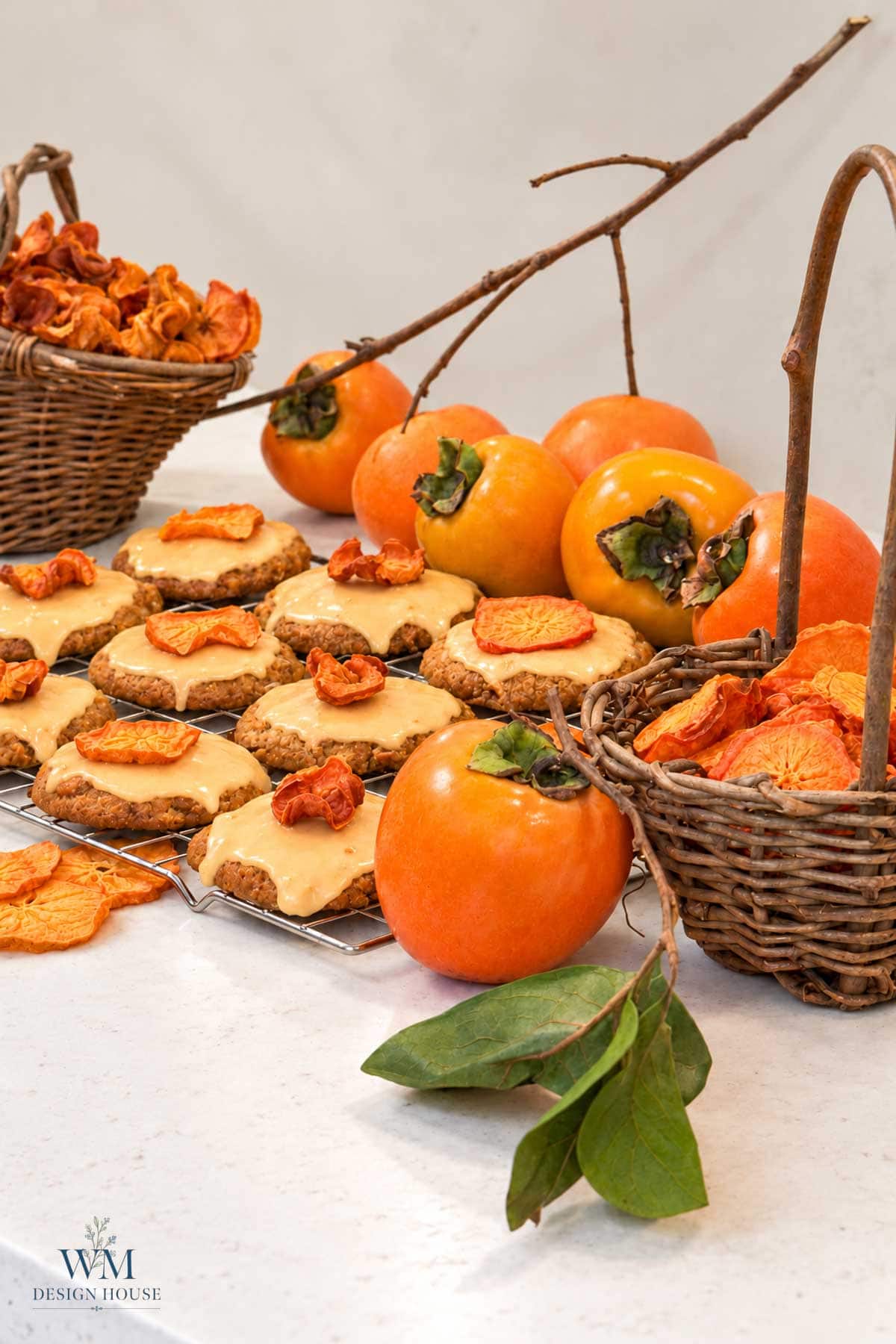
- Persimmon cookies. Soft, spiced, and the first thing I make every year.
- Persimmon pudding. The old-fashioned baked kind. Coming to the blog next year, so bookmark this page.
- Persimmon bread. Swap it cup for cup into any pumpkin bread recipe, like the batter in my pumpkin spice latte cake.
- Breakfast. A spoonful stirred into oatmeal or yogurt, or thawed and blended into a smoothie.
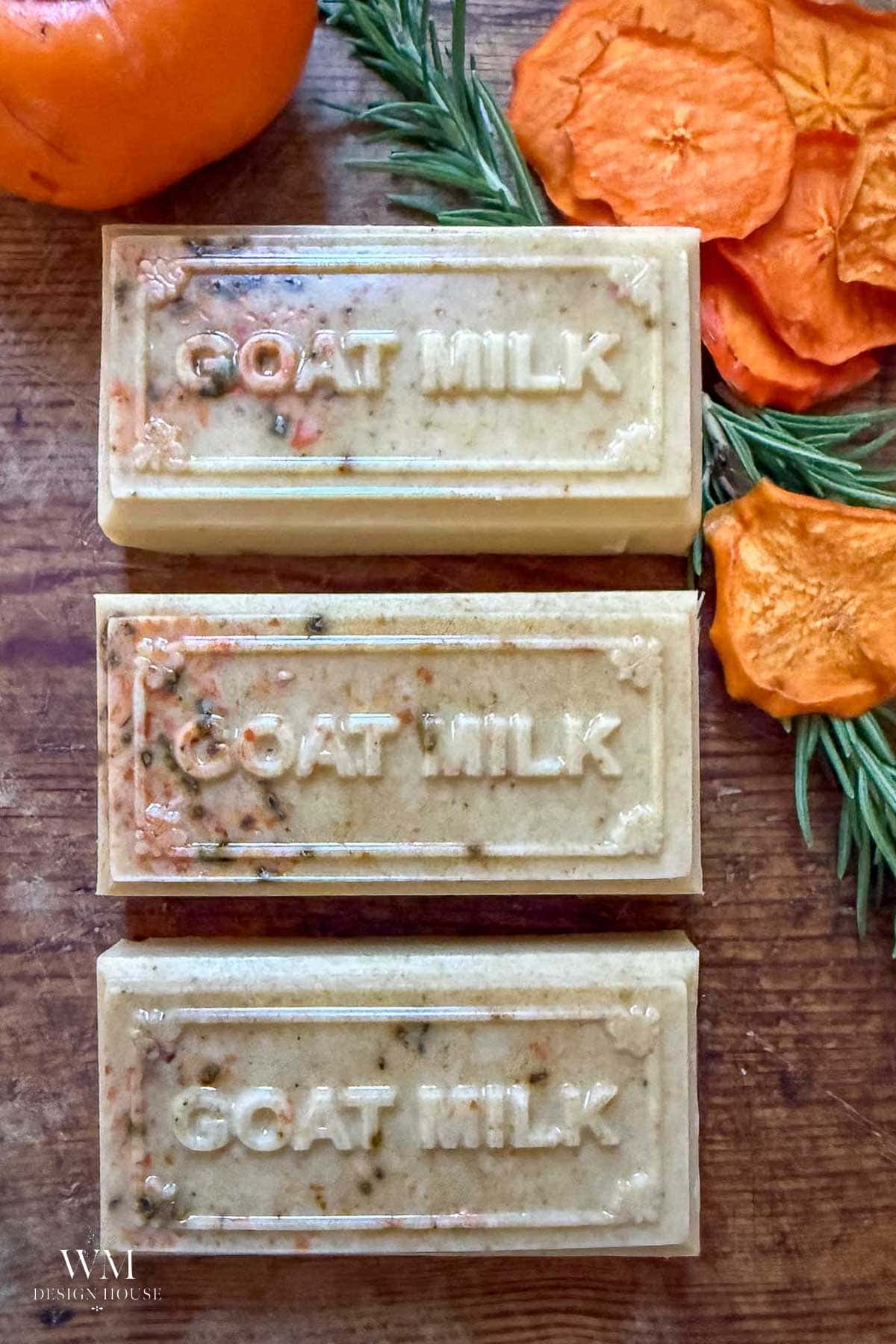
- Persimmon soap. This is a lovely way to make a handmade gift for someone, and the goat milk version only takes a few hours.
Other Ways to Use Persimmons
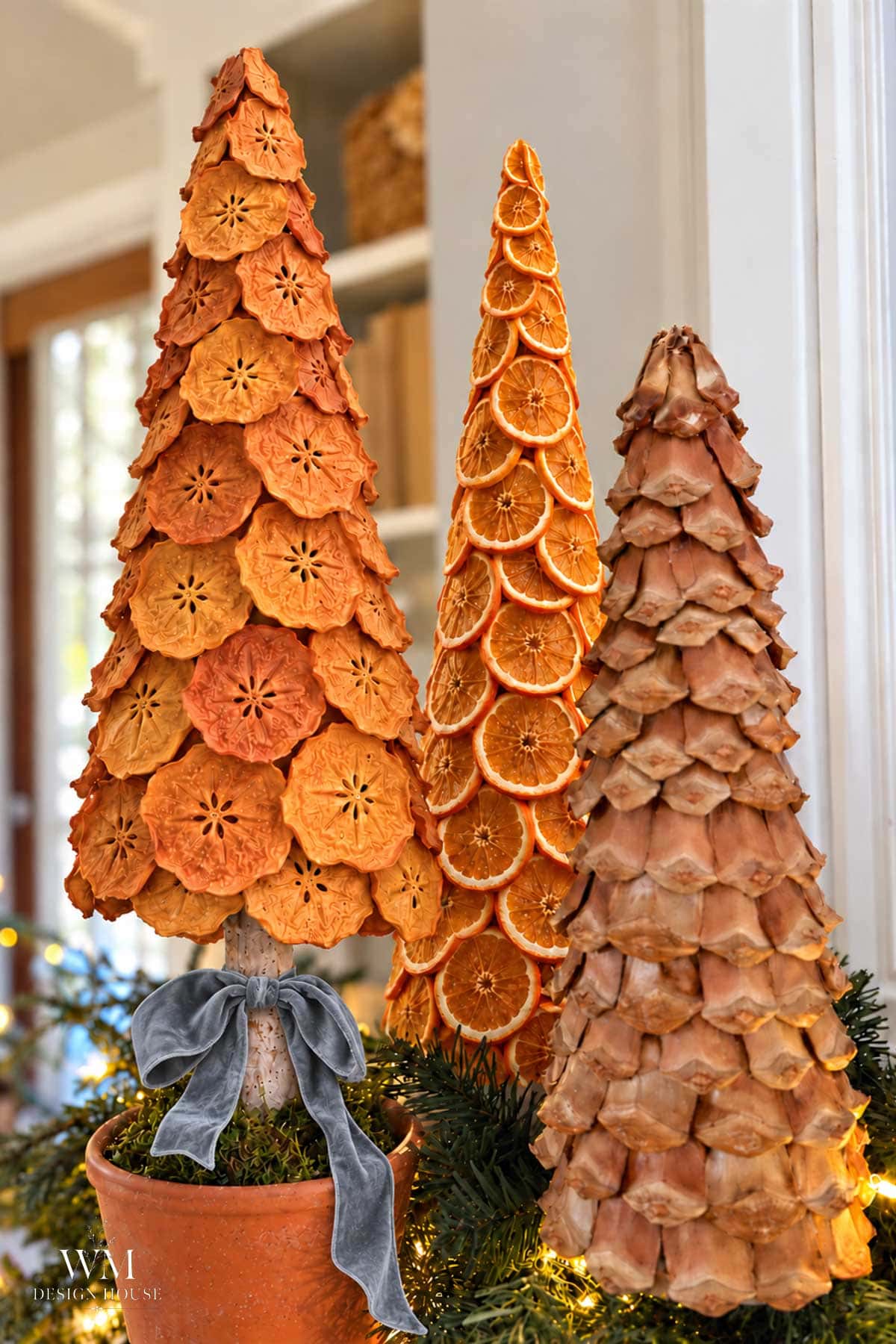
- Dried persimmons for decorating. If you have Fuyus you do not want to pulp, dry them in slices instead and use them for the holidays.
- Decorate with fresh persimmons like I did on my fall mantel.

More Ways to Keep the Harvest
If you like putting up what the season gives you, these posts use the same idea:
- How to dry persimmons in the oven or dehydrator.
- 3 ways to make dried orange slices for the holidays.
- What to do with old lemons before they go to waste.
- Three ways to dry dahlias from the garden.
Make a big batch while the Hachiyas are soft. An afternoon in November means persimmon cookies in February, when the fruit is long gone.
Frequently Asked Questions
Yes, the words are used interchangeably in recipes. Pulp usually means the flesh has been strained through a food mill or sieve, and puree usually means it was blended smooth. Either one works in cookies, bread, and pudding, so use whatever your recipe calls for.
Yes. Freezing a hard Hachiya solid and thawing it on the counter breaks down the cell walls, and it comes out soft and sweet with most of the astringency gone. It is a good trick when you are short on time, though the texture is a bit looser than fruit ripened naturally.
You can, but reduce the liquid in the recipe slightly and expect a milder flavor and paler color. Fuyu pulp is thinner and less sweet. For cookies and pudding, where the persimmon is the main flavor, Hachiya is worth the wait.
About three days in a covered container, with a squeeze of lemon juice stirred in. After that it darkens and starts to ferment, so freeze anything you will not use within a few days.
Yes, and it is one of the best fruits for it. Spread the pulp about a quarter inch thick on a lined dehydrator tray and dry at 135°F for 6 to 8 hours, until it peels away cleanly. A spoonful of honey and a pinch of cinnamon in the pulp first is a nice addition.
No. Old recipes added sugar as a preservative, but freezing does not need it, and plain pulp works in any recipe. Ripe Hachiya is already very sweet, so sweeten when you bake, not before.

Persimmon Pulp
Equipment
- 1 Immersion Blender
- 1 measuring cup
- 1 Mixing Bowl
- 1 Sharp Knife
Ingredients
- 8 to 10 very ripe Hachiya persimmons
- 4 teaspoons fresh lemon juice optional, for color

Instructions
- Pull off the calyx and slice a thin layer off the top of each persimmon, working over a large bowl.
- Cut each fruit halfway up from the bottom and squeeze the flesh out of the skin into the bowl. Pick out any seeds.
- Food mill method: run the flesh through a food mill fitted with the medium disc into a clean bowl. Sieve method: push it through a fine mesh sieve with a spatula, a cup at a time, scraping the underside.
- Immersion blender method: with the flesh in a deep bowl and the blade fully submerged, pulse in short bursts until just smooth. Rest 10 minutes so the air settles.
- Stir in lemon juice, 1 teaspoon per cup of pulp.
- Portion into 1-cup freezer bags pressed flat, or freeze in a silicone muffin tin and move the pucks to one bag. Label with the date and amount.
- Freeze up to 8 months. Thaw overnight in the refrigerator or 1 hour on the counter, stir, and use as fresh.
Notes
Wrapping Up
Persimmon pulp asks for ripe fruit, a food mill, and about twenty minutes, and it pays you back all winter in cookies and bread. If you make a batch, I would love to know what you bake with it first, so leave a comment and tell me.

Shop the Post


More about me!

Hello, I’m Wendy – a dedicated homemaker with a deep passion for decorating, gardening, cooking, and crafting. I find joy in harmonizing beautiful elements to fashion a space that is both comfortable and inspiring. I will help you create a beautiful home, one project at a time.