
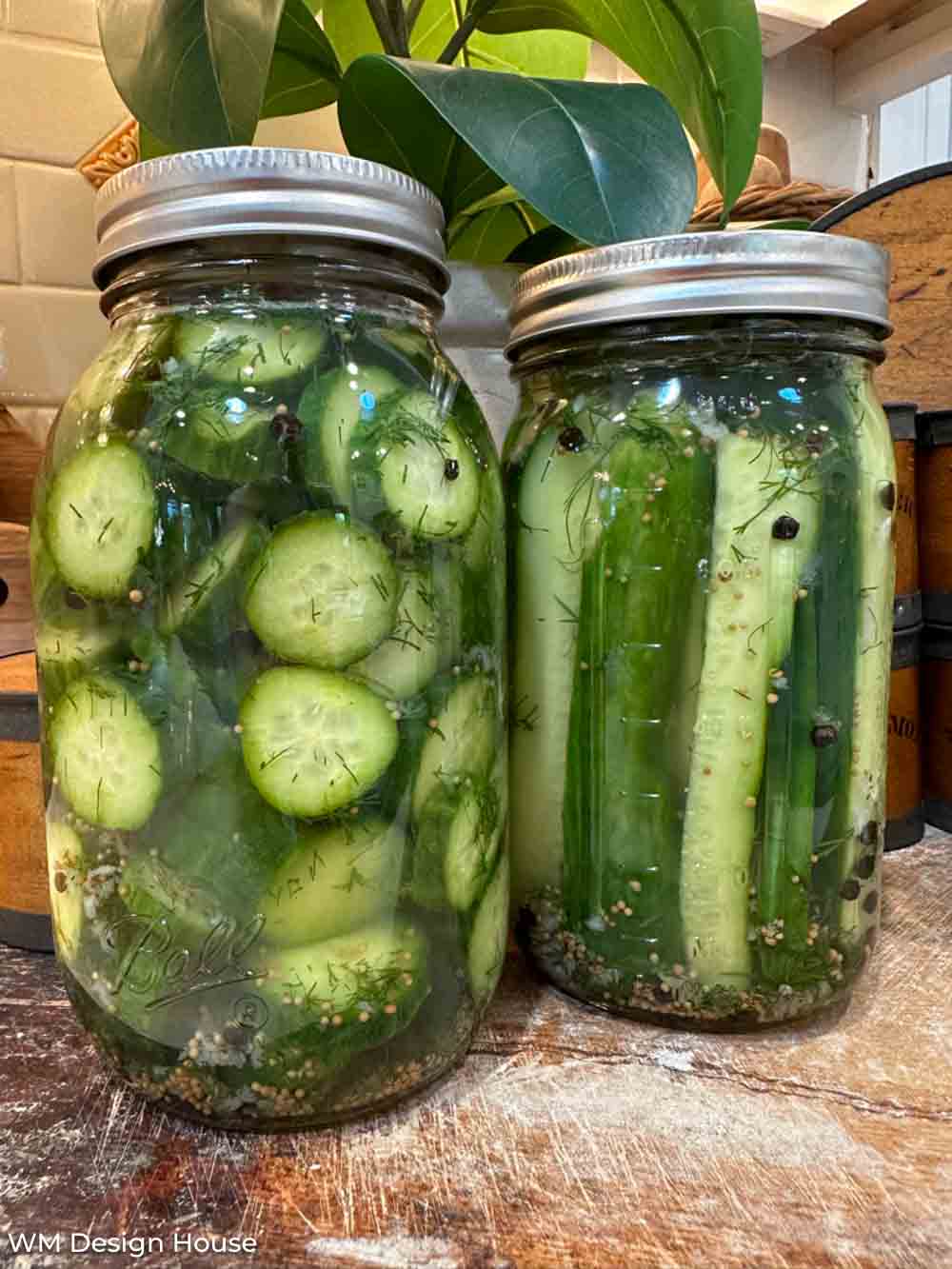
Have you ever made homemade pickles? This Mrs. Wages dill pickle recipe is the easiest way I know to make crisp, crunchy pickles at home, and I am sharing it two ways: the classic water bath canning method and a quick refrigerator version for the days you want pickles without pulling out the canner. I will also share a fabulous recipe from scratch from one of my blogging friends, so you can try both and pick a favorite.
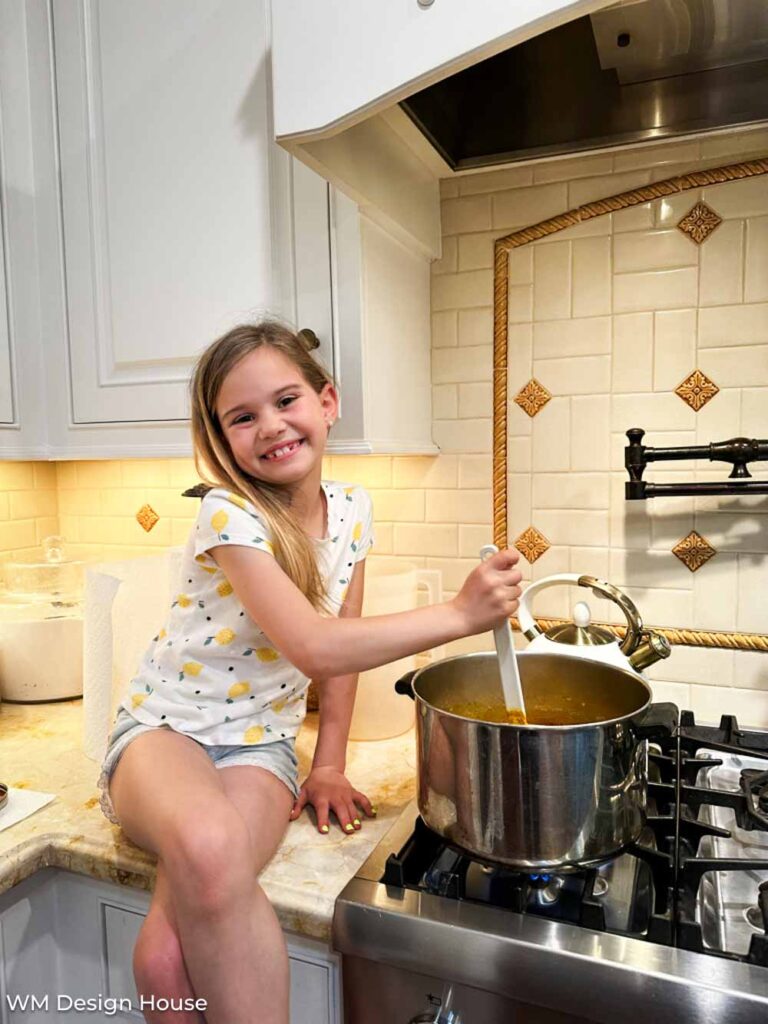
We had three of our granddaughters for four days this past week. Our granddaughter loves dill pickles, so we decided making homemade pickles would be fun. Of course, you can make many kinds of pickles, like sweet pickles, bread and butter pickles, cucumber lime pickles, or our favorite kosher dills. I don’t think there is anything like the robust flavor of a good dill pickle.
On my blog WM Design House, I may sometimes use affiliate links, which means a small commission is earned if you purchase via the link. The price will be the same whether you use the affiliate link or go directly to the vendor’s website using a non-affiliate link. Read my full disclosure policy here.
We started with a bit of research to find some options for homemade pickle recipes and found some effortless options.
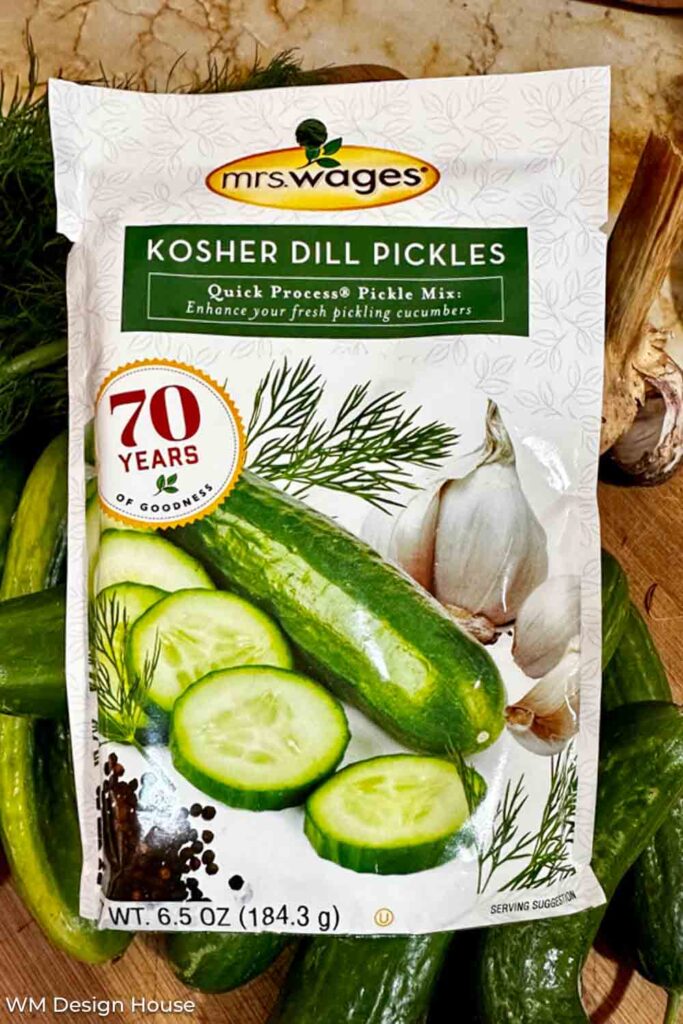
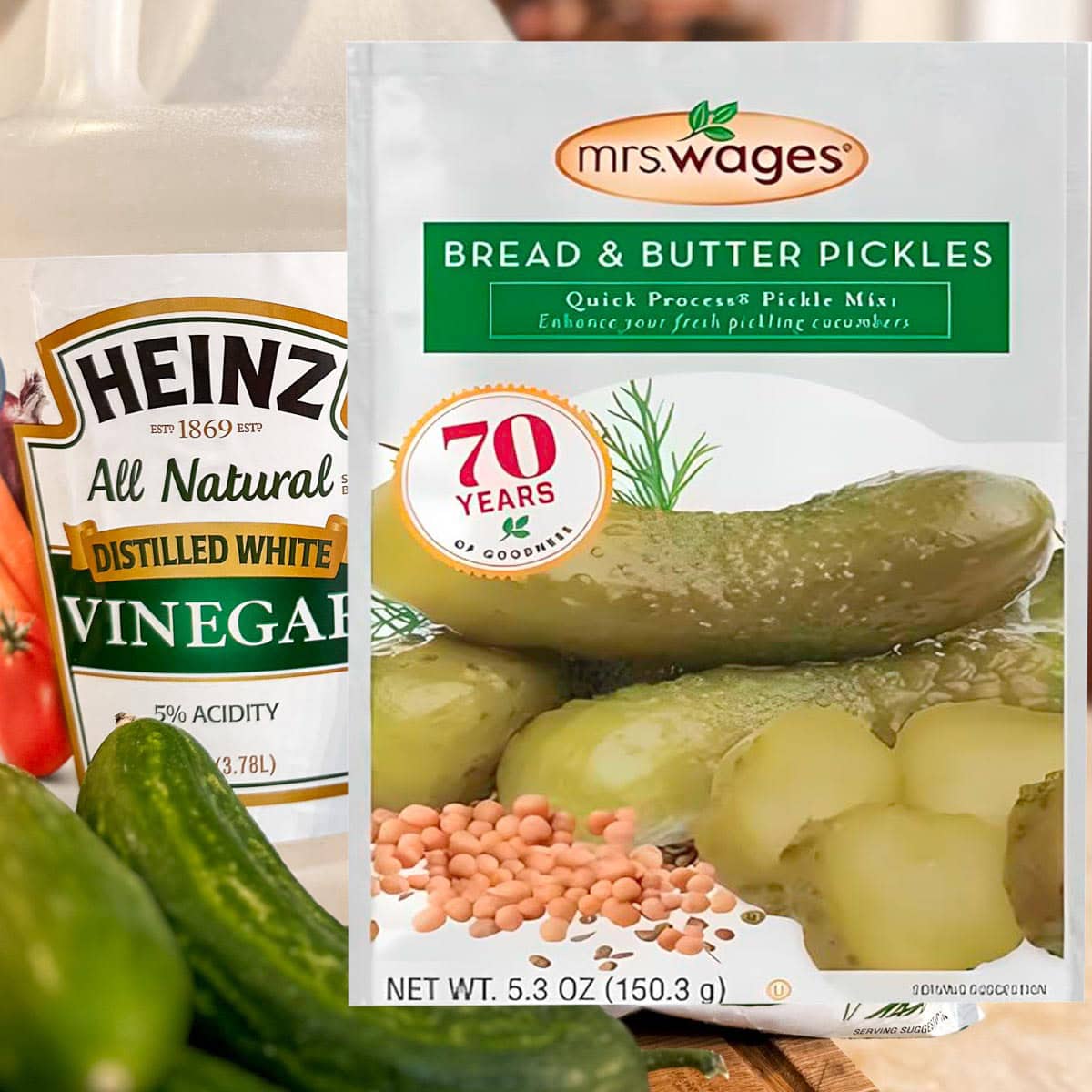
The Mrs. Wages test kitchen came up, and I thought it was such a fantastic idea! Mrs. Wages pickle mixes come in a package you can purchase and follow the simple instructions. I thought this would be so easy for the kids to make. Mrs. Wages makes several kinds of pickle mixes like Spicy, Bread and Butter, Sweet, Polish Dill, and Kosher Dill, plus a refrigerator mix that skips the canning process entirely (more on that below). Mrs. Wages makes pickle-making easy and fun.
the canning process entirely (more on that below). Mrs. Wages makes pickle-making easy and fun.
We also found a great recipe from my friend Lynn @Livinglargeinasmallhouse that sounded easy and delicious, so we made both. Why not!
Principles of the home canning process
This is my first time canning pickles, so I wanted to read up so I knew what I was doing. I found a great article from the Ball Jar Company that explains everything you need to know about home canning. This Ball Jar Guide is full of great tips and canning safety. It is essential to follow the proper food safety guidelines when canning.
Since I do not own a pressure canner, I will use the water bath method, which I found very easy to use with just a few new pieces of equipment I purchased.
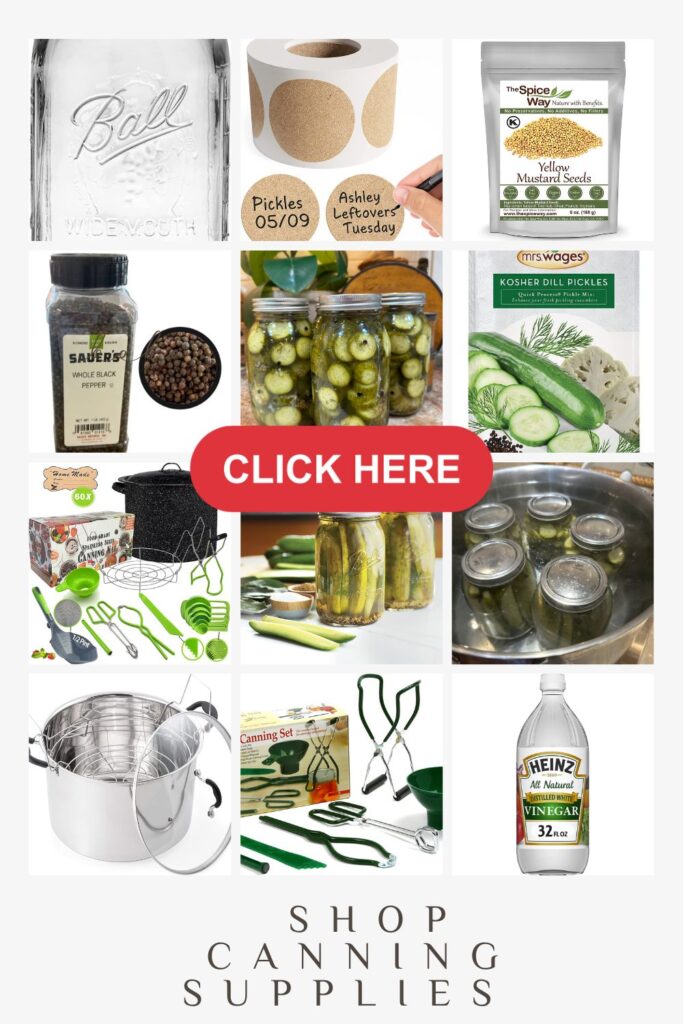
Supplies needed to make Mrs. Wage’s pickle recipe
You will need the following supplies and groceries to make 6-7 quarts of dill pickles. You can purchase these at most local grocery stores, Target, or Walmart.


- A large cooking pot to use as a water bath canning pot
- A canning basket or jar remover
- Heat resistant gloves
- Measuring cup
- Large pot to make the pickling brine
- Ball pint jars or quart jars with new lids and seals (these must be canning jars, as they go through a unique process so they can withstand the heat).
- Cucumbers-I purchased some Persian cucumbers and had several of my own cucumbers from the garden.
- One package of pickle mix from Mrs. Wages.
- 5% white vinegar.
- Water
SHOP SUPPLIES FOR CANNING PICKLES
Mrs. Wages Pickle Mix Instructions: Water Bath Canning Method
Sterilizing the Jars
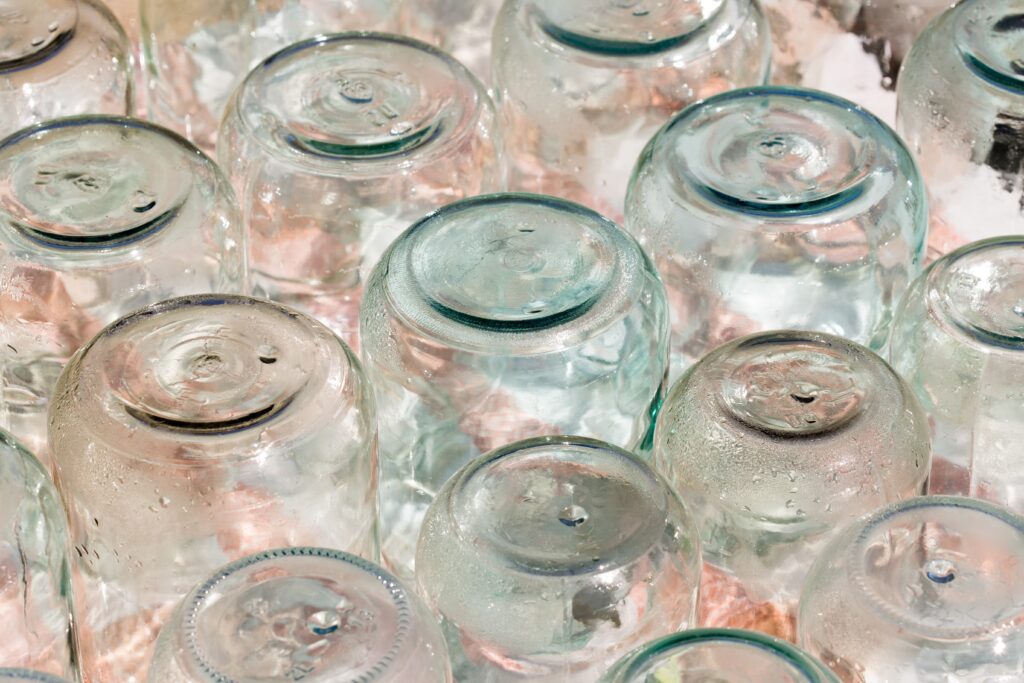
- Clean canning jars upside down in the dishwasher using hot soapy water.
- Place your clean jars in a large pot of boiling water for 10 minutes.
- Place the canning lids and seals in a large saucepan with boiling water to sterilize for 10 minutes. (do not remove the lids from the water until you are ready to use them).
Preparing the Water Bath
- Fill the large pot 2/3 full with water.
- Add 1/4 cup of white vinegar.
- Bring hot water to a rolling boil.
Making the Brine
- Please read the manufacturer’s instructions on the Mrs. Wages pickle mix package.
- Combine the Mrs. Wages mix with water and vinegar in a large pot.
- Stir over medium heat until the mixture dissolves and reaches a rapid boil.
- Turn off the heat.
Preparing the Cucumbers
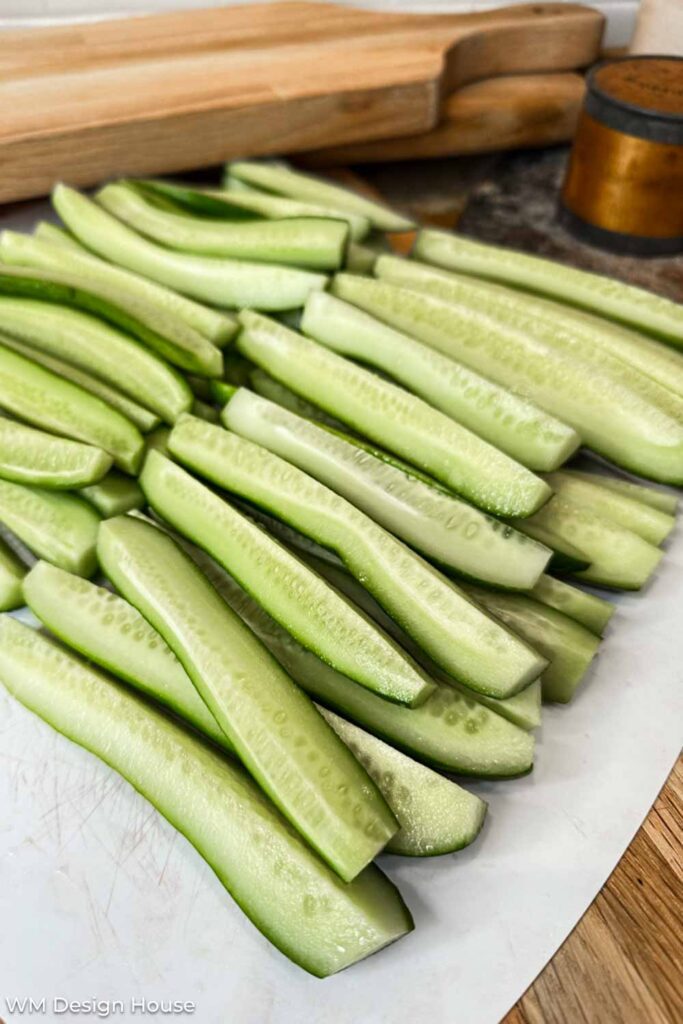
- Wash the cucumbers and slice 1/16 inch off the blossom end (this is the secret to crisp pickles; the blossom contains an enzyme that softens them).
- Slice your cucumbers into the desired shape. You can cut spears, slices, or use small whole cucumbers.

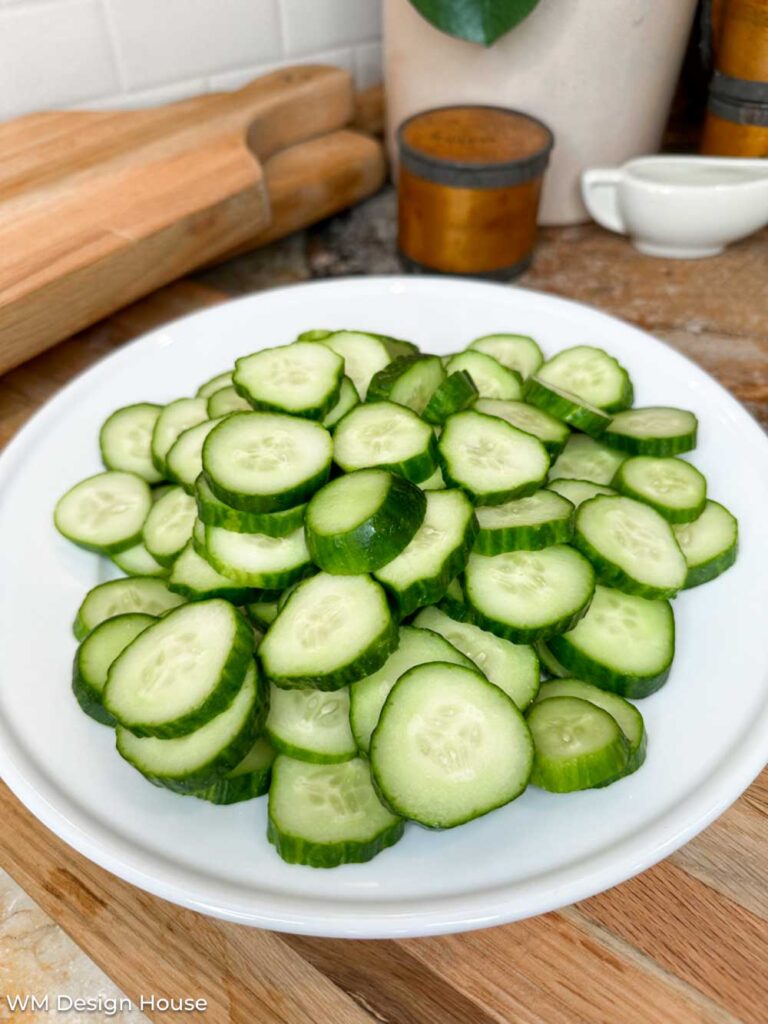
Filling the Jars
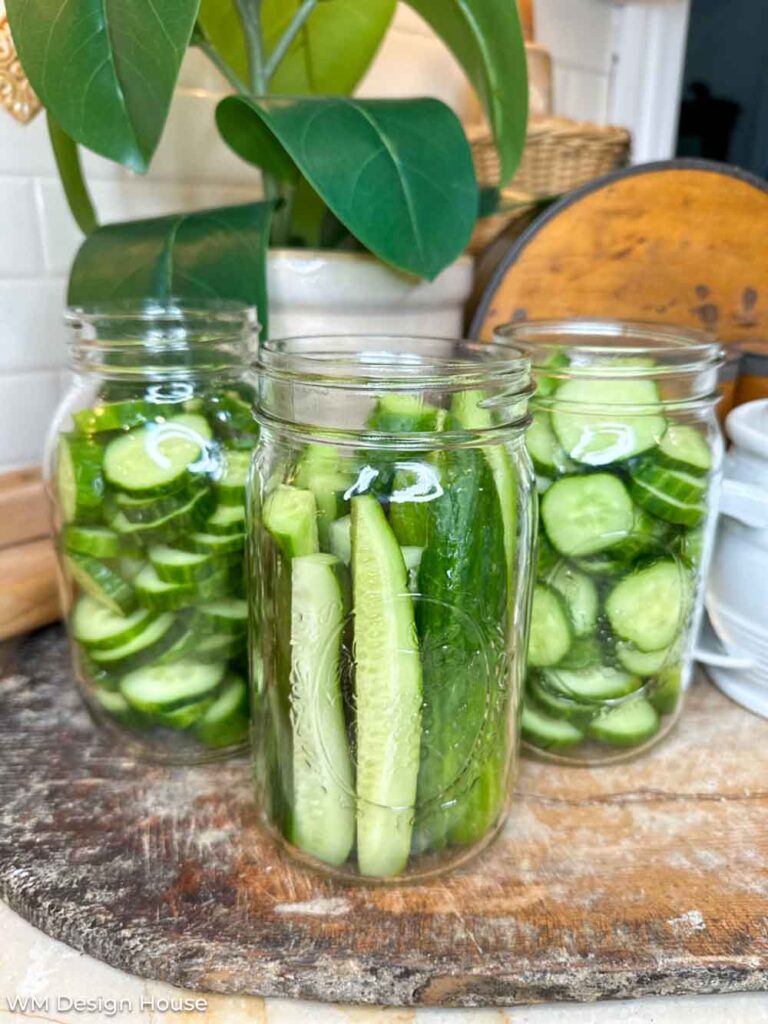
- Pack the cucumbers into the hot jars.
- Pour in the hot brine, leaving a half inch of headspace.
- Remove air bubbles with a clean utensil and adjust the headspace if needed.
- Wipe the rims of the jars with a damp paper towel, then place the sterilized seal and lid onto the jar and twist to fingertip tightness.
Processing the Jars
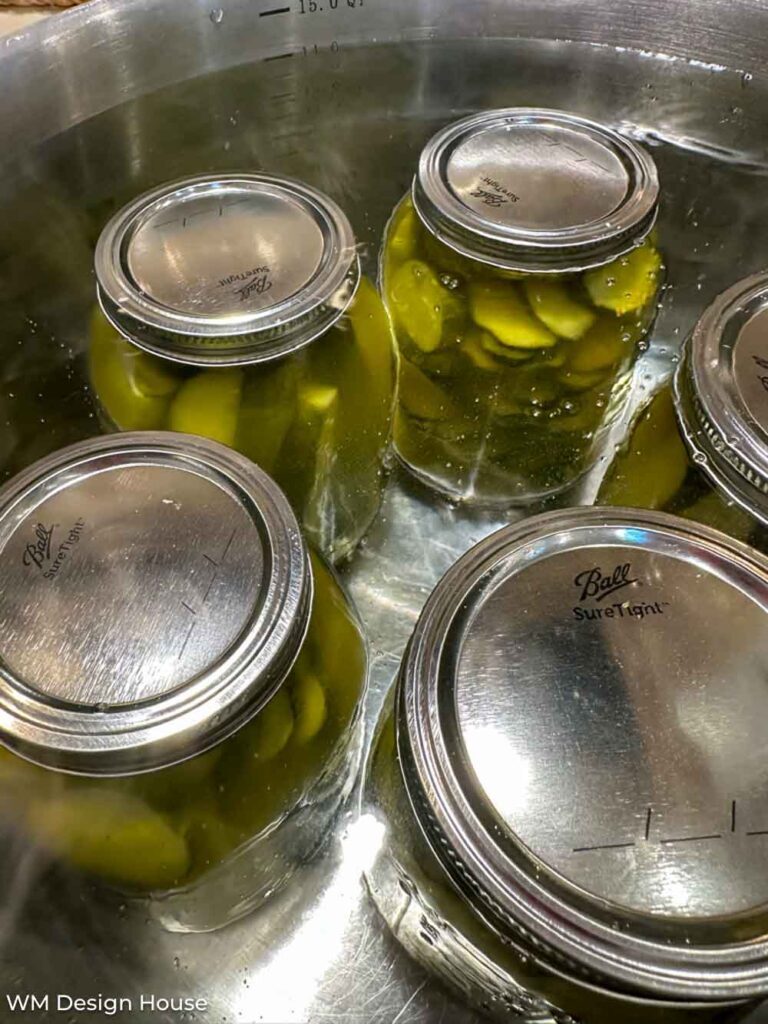
- Be sure the water has reached a rapid boil, then place the jars in the water bath. The water level needs to be 2 inches over the lids of the jars.
- Bring the water back to a rolling boil and process pints for 10 minutes or quarts for 15 minutes.
- Remove the jars by lifting the canning cage or using a jar remover while wearing heat-resistant gloves.
- Place on a cooling rack and let the jars sit undisturbed for 12 to 24 hours.
- Pickles will be ready to eat in 24 hours. However, the longer they sit, the better they get. The ideal amount of time is 4-6 days.
Mrs. Wages Dill Pickle Recipe (Kosher Dill)
Equipment
- 1 Large cooking pot to use as a water bath canning pot.
- 1 Canning basket or jar remover.
- 1 pr Heat resistant gloves
- 1 measuring cup
- 6-8 Ball quart jars with new lids and seals (these must be canning jars, as they go through a unique process so they can withstand the heat).
- 1 Large pot to make the pickling mixture
Ingredients
- 8 lbs. Persian Cucumbers
- 1 package Mrs. Wages Kosher Dill Pickle Mix
- 3 1/3 Cups 5%White Vinegar
- 7 1/3 Cups Water

Instructions
- Instructions:
Sterilizing the Jars
- Wash canning jars upside down in the dishwasher using hot, soapy water.
- Place the clean jars in a large pot of boiling water for 10 minutes.
- Place the lids and seals in a saucepan of boiling water for 10 minutes, and leave them in the water until you are ready to use them.
Preparing the Water Bath
- Fill your large canning pot 2/3 full with water.
- Add 1/4 cup of white vinegar to the water (this keeps mineral film off your jars).
- Bring the water to a rolling boil.
Making the Brine
- Read the directions on your Mrs. Wages pickle mix pouch before you start.
- Combine the pickle mix with the vinegar and water in a large non-reactive pot (skip aluminum).
- Stir over medium heat until the mix dissolves and the brine just reaches a boil, then turn off the heat.
Preparing the Cucumbers
- Wash the cucumbers and slice 1/16 inch off the blossom end (this is the secret to crisp pickles; the blossom contains an enzyme that softens them).
- Slice into your desired shape: spears, slices, or small whole cucumbers.
Filling the Jars
- Pack the cucumbers into the hot jars.
- Pour in the hot brine, leaving a half inch of headspace.
- Remove air bubbles with a clean utensil and adjust the headspace if needed.
- Wipe the rims with a damp paper towel, then place the sterilized seal and lid on the jar and twist to fingertip tightness.
Processing the Jars
- Make sure the water bath is at a rapid boil, then lower the jars in. The water needs to cover the lids by 2 inches.
- Bring the water back to a rolling boil and process pints for 10 minutes or quarts for 15 minutes.
- Remove the jars with the canning basket or a jar remover, wearing heat resistant gloves.
- Place on a cooling rack and let the jars sit undisturbed for 12 to 24 hours.
- Check that each lid has sealed: the center should not flex when pressed. Sealed jars can be stored in the pantry for up to 1 year; refrigerate any jar that did not seal.
Pickles are ready to eat in 24 hours, but the longer they sit, the better they get. Four to six days is the sweet spot. Once opened, a jar keeps in the refrigerator for up to six weeks.
Mrs. Wages Refrigerator Pickle Recipe (No Canning Needed)
If the water bath feels like more than you want to take on, I have good news: Mrs. Wages also makes a refrigerator pickle mix, and it is the fastest way I know to get crisp dill pickles into your fridge. No canner, no sterilizing marathon, no special equipment beyond a clean jar. We tried this version too, and it could not be simpler.


- Wash and slice about 2 pounds of pickling cucumbers into spears or coins and pack them into clean jars.
- Combine the Mrs. Wages Refrigerator Kosher Dill Pickle Mix with 3/4 cup of 5% white distilled vinegar and 2 cups of water, bring it just to a boil, and stir until dissolved.
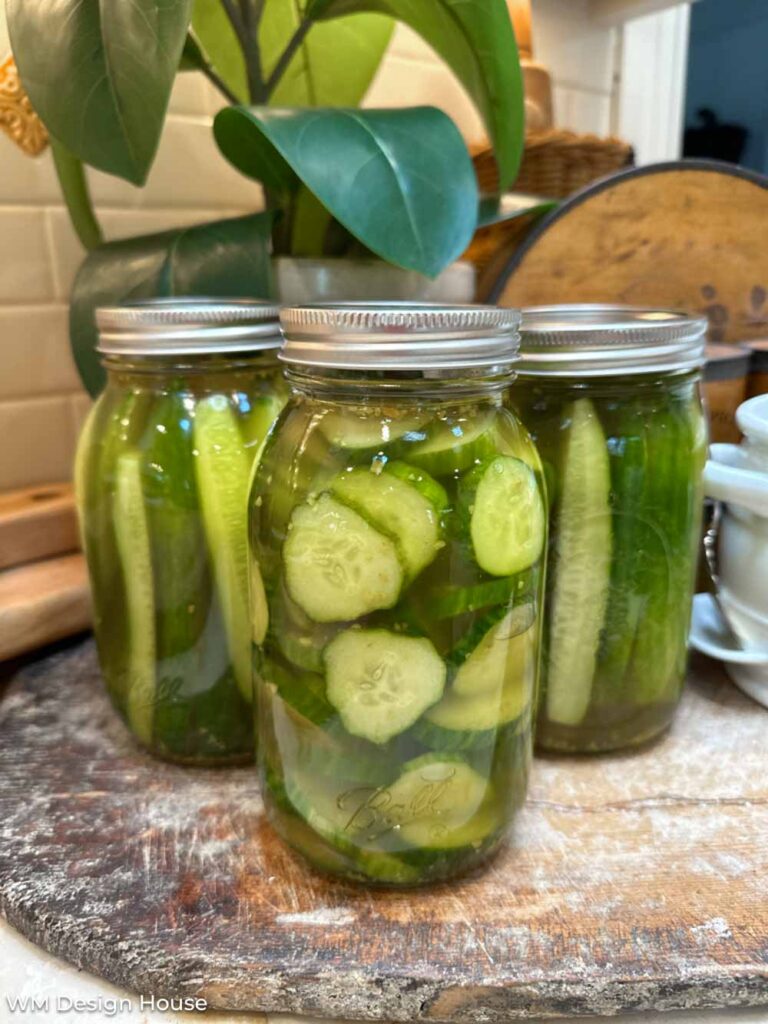
- Pour the hot brine over the cucumbers, let the jars cool, then pop them in the refrigerator. They are ready to eat in 24 hours. These are not shelf stable, so they live in the refrigerator, but for small batches (each pouch makes about 4 pints) they are perfect. Note, I added a slice of red pepper to this batch of pickles, so I could tell the difference from the pickles I processed in the water bath.
- The kids loved tasting the two versions of pickles, and honestly, they loved them both. It is hard not to love a Mrs. Wages pickle.
Homemade Pickles from Scratch
If you are looking for something a bit different from the Mrs. Wages pickle recipe, try these yummy pickles. Our second batch came from a recipe from my friend Lynn @livinglargeinasmallhouse. You can click the link to get the full recipe. This recipe includes lots of fresh dill, garlic, and spices.
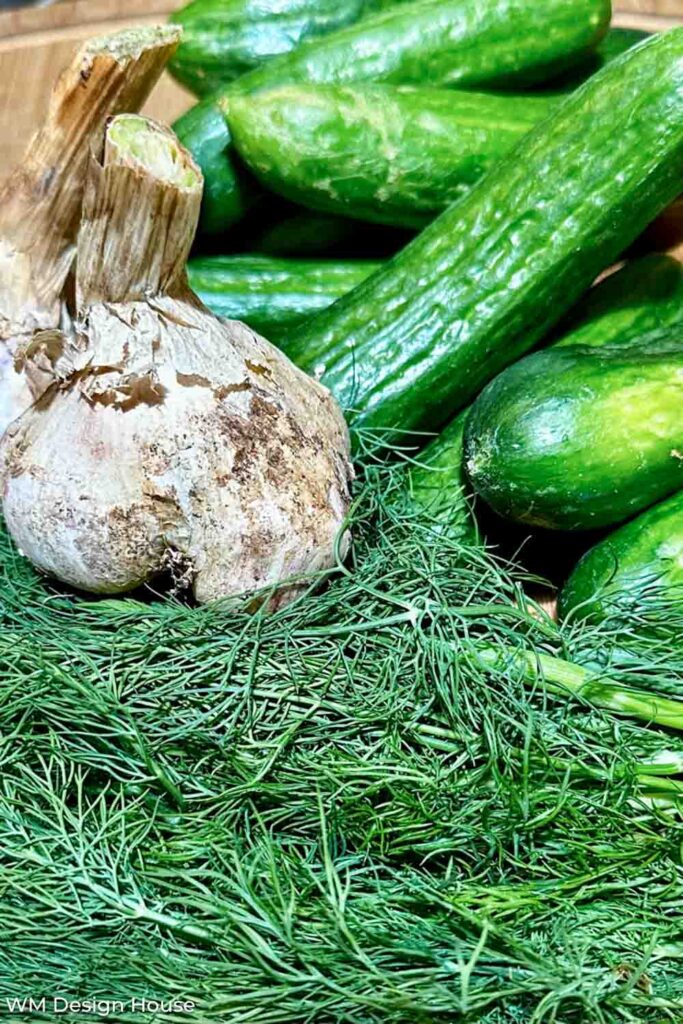
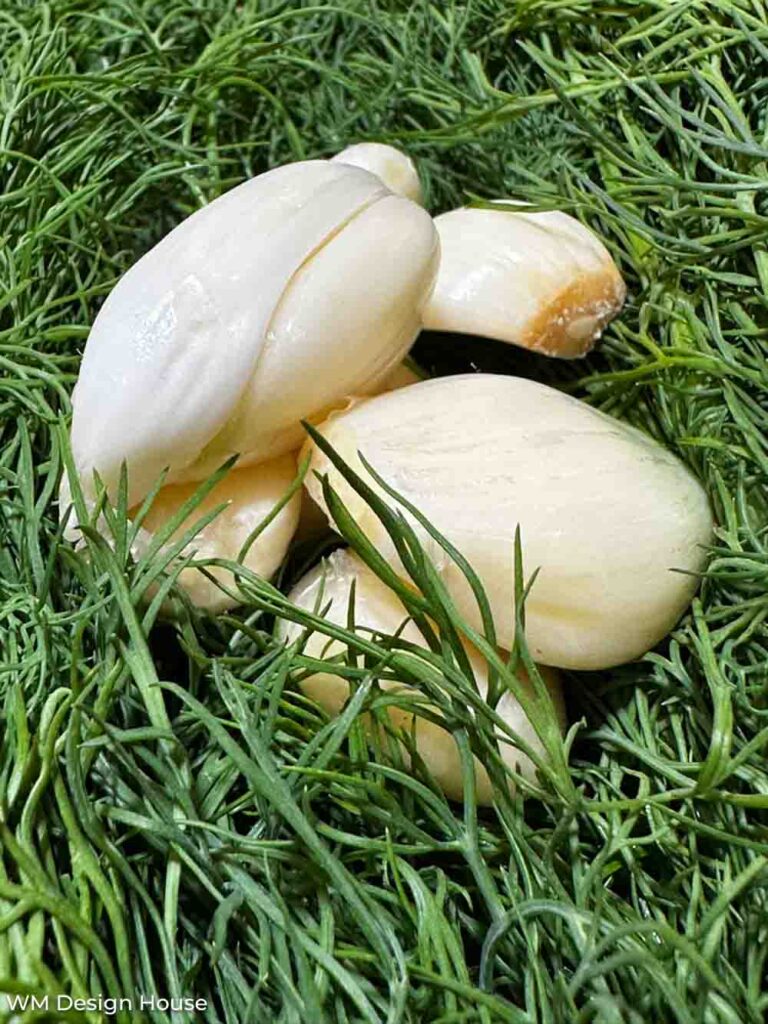
Supplies for Homemade Dill Pickles
- A large cooking pot to use as a boiling water bath
- A canning basket or jar remover
- Cucumbers – I purchased some Persian Cucumbers and had a few of my own cucumbers from the garden
- Heat resistant gloves
- Ball quart jars with new lids and seals (these must be canning jars, as they go through a special process so they can withstand the heat)
- Measuring cup
- Measuring spoons
- Large pot to make the pickling mixture
- 5% white vinegar
- Black peppercorns
- Mustard seeds
- Fresh dill
- Fresh garlic
- Sugar
- Sea salt
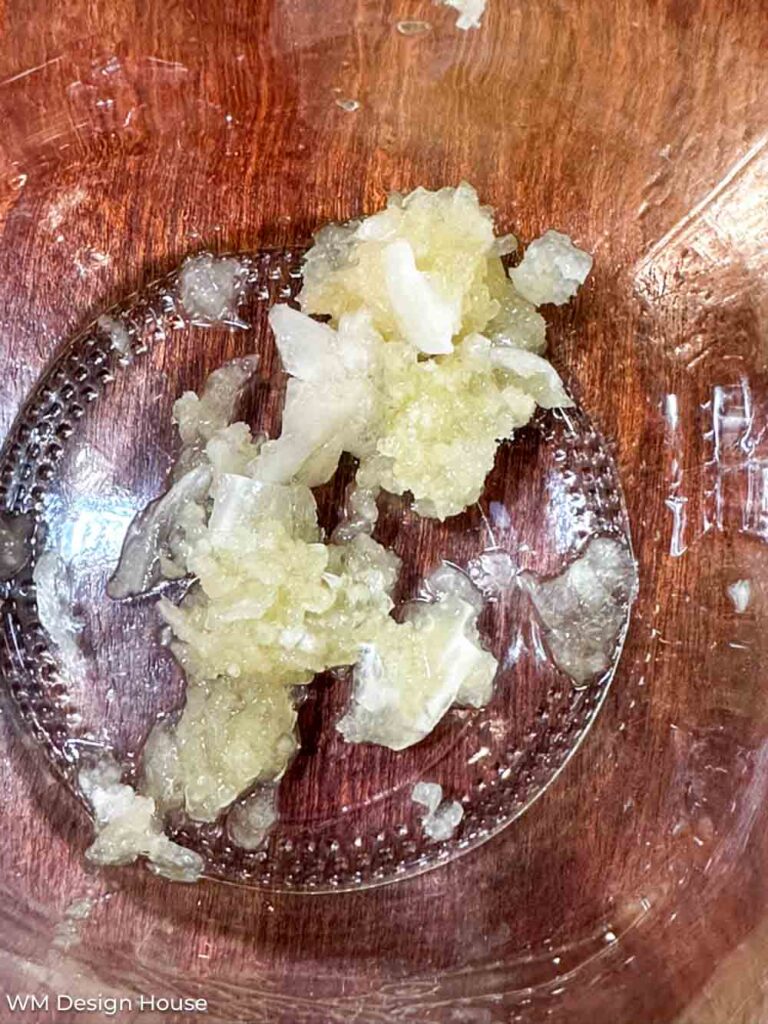
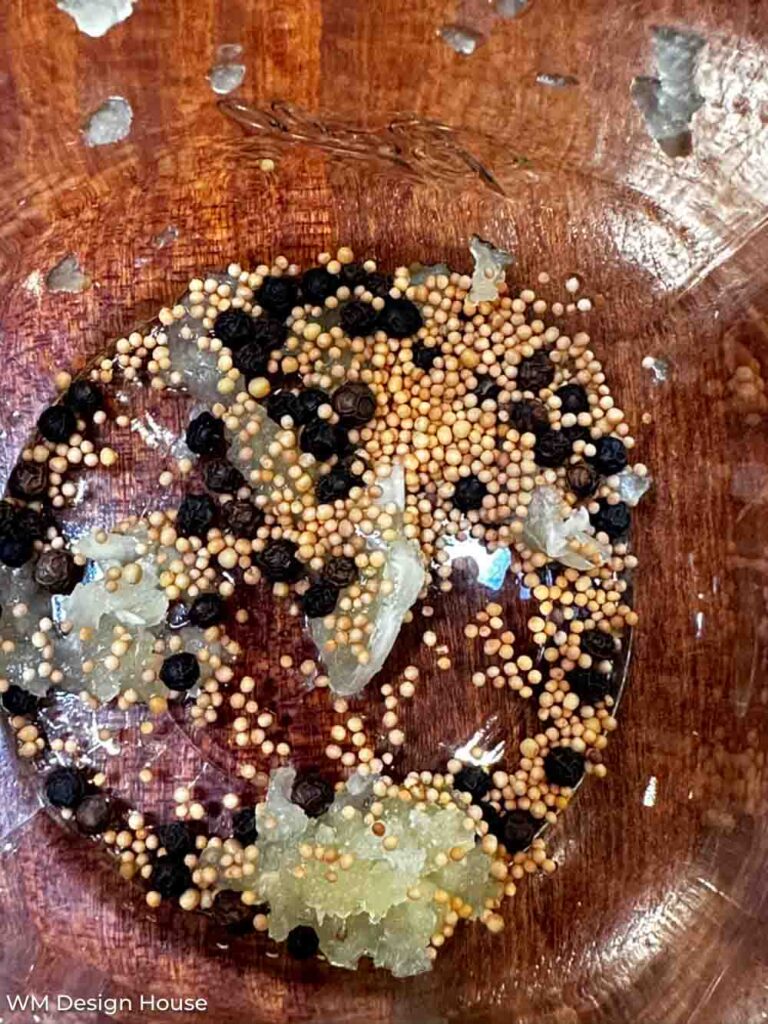
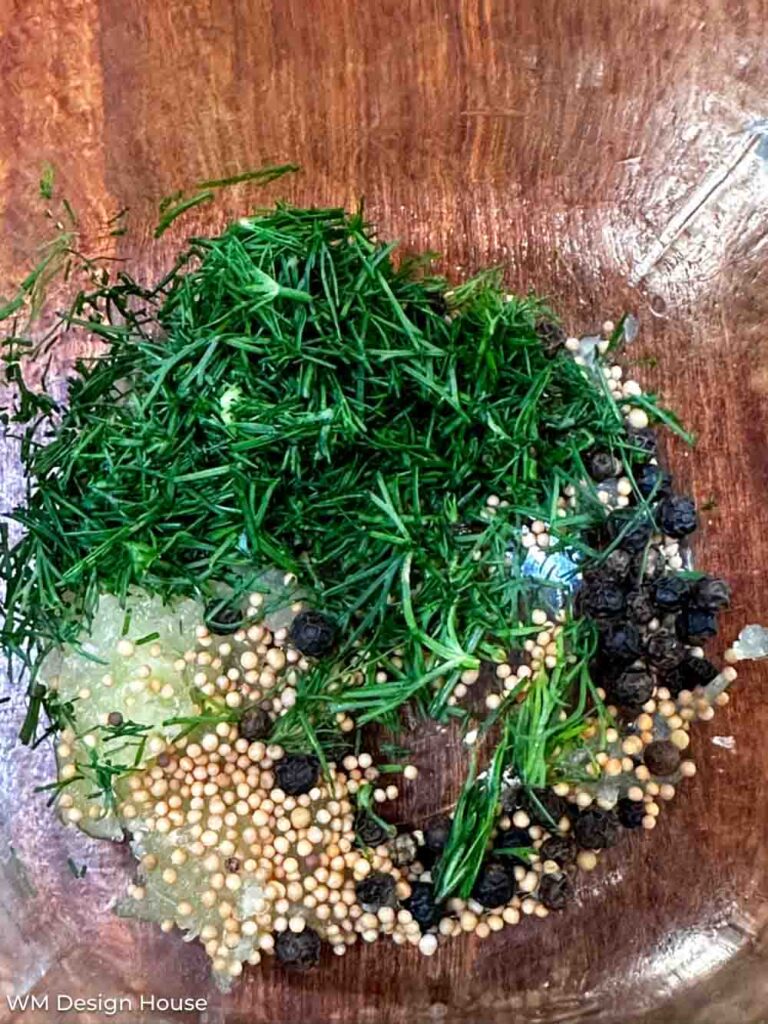
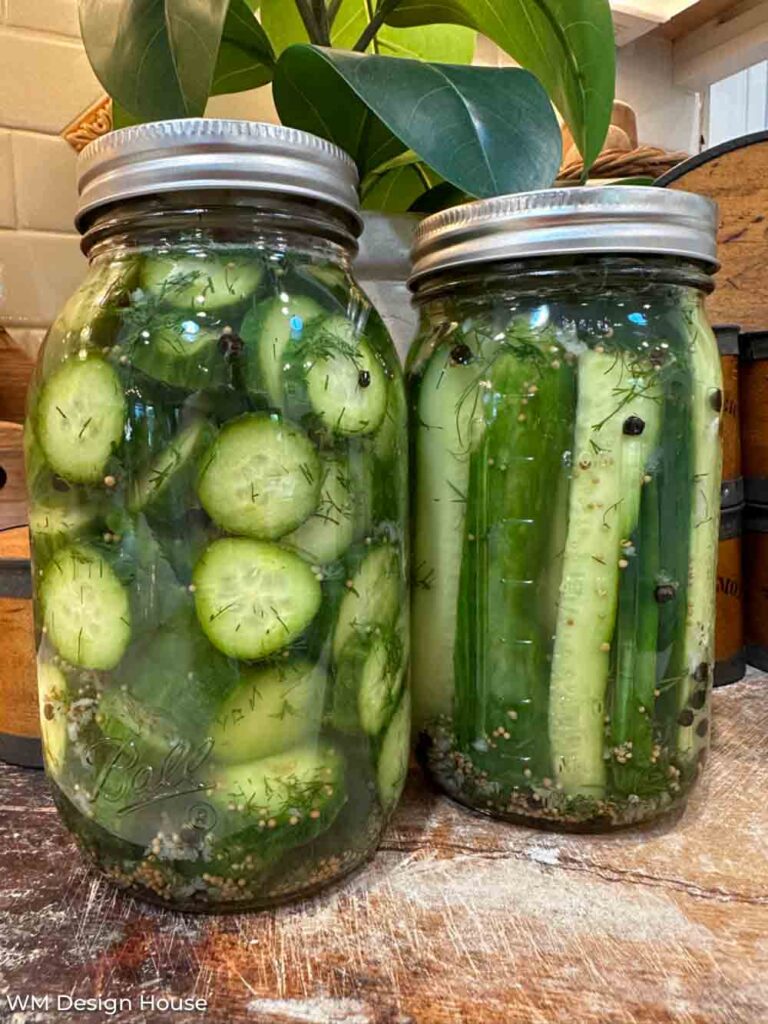
Please see the full recipe @livinglargeinasmallhouse for these delicious pickles.
My Best Tips for Crisp Pickles
Equipment
Purchase the essential canning equipment: Ball canning jars are the place to start.
The mason jar lids have two components: a screw band and a flat metal lid with an integrated sealing compound. To apply the lid, tighten it until it reaches fingertip tightness, ensuring the band fits snugly on the canning jar. The sole function of the band is to secure the flat lid during the canning process. It should be removed when storing the jars. The bands can be reused if well-maintained, whereas the flat lid is only designed for single use.
When the screw band is fastened onto the flat lid, it allows for some flexibility, allowing air to escape during the canning process and preventing the jar from cracking or exploding. Once the jar is removed from the water bath, the lid will seal itself. However, it is important not to tighten the screw band when removing the mason jar from the water bath, despite the temptation to do so. This action would break the partial seal that formed inside the water bath. Instead, leave the screw band loose, and the flat lid will create a vacuum and audibly “pop” into a proper seal.

Sterilization
Be sure to sterilize your jars properly. When canning, sterilize your jars right before you are ready to can. Think of this as the first step in the process of canning.
Essentials for Pickles
- Choose the correct vinegar for your pickles. If you want to enhance the sharpness of your pickling recipes, opt for white vinegar. However, cider vinegar is the way to go if you prefer a milder flavor. For exceptionally crunchy pickles, reach for vinegar with 10% strength. (I used 5% vinegar for my dill pickles.)
- Know your cucumbers. True pickling cucumbers stay the crunchiest. I used Persian cucumbers. Check out this great article about pickling cucumbers. [Keep existing link]
- Always slice off the blossom end of the cucumber. It contains an enzyme that softens pickles, and removing it is the single best thing you can do for crunch.
- Do not use table salt. Use good quality sea salt if you are using a scratch recipe.
How to Store Homemade Pickles
Once the jars have cooled for 12 to 24 hours, check that each lid has sealed: the center should not flex when you press it. Sealed, water bath processed jars can be stored in the pantry for up to a year, though they are at their crunchy best within 6 months. Remove the screw bands for storage. If a jar did not seal, put it straight in the refrigerator and enjoy those pickles first. Any opened jar keeps in the refrigerator for about six weeks.
Refrigerator pickles (in the middle) are different: they always live in the fridge, where unopened jars keep for up to 6 months. Once you open a jar of refrigerator pickles, Mrs. Wages recommends enjoying them within a week (not that they ever last that long in our house).

Mrs. Wages Dill Pickle Recipe FAQs
The Kosher Dill Pickle Mix I used contains salt, dehydrated garlic, spices including mustard seed, maltodextrin, spice extractives (including turmeric extract and mustard oil), and citric acid. You add your own white vinegar and water; everything else is in the pouch.
Start with firm, fresh cucumbers and always slice off the blossom end, which contains an enzyme that softens pickles. Use cold cucumbers, process for the correct time, and give the jars 4 to 6 days before opening. A higher acidity vinegar also helps with crunch.
The 3/2:1 rule is a quick pickle brine shortcut: 3 parts vinegar, 2 parts water, and 1 part sugar, heated until dissolved and poured over your vegetables (you will also see it written with the water and vinegar flipped for a milder brine). It is handy for refrigerator pickles from scratch, but one thing I love about the Mrs. Wages mix is that the ratios are already worked out and tested for safe canning.
Yes. Mrs. Wages makes a refrigerator pickle mix that skips the water bath entirely: you pour the hot brine over the cucumbers, cool, and refrigerate. Those pickles must stay in the fridge, but they are ready in 24 hours. You can see exactly how we made ours in the refrigerator pickle section above.
Water bath canned jars with a good seal keep in the pantry for up to a year, though they are best within 6 months. Refrigerator pickles are not shelf stable and keep for a few months in the fridge. Once any jar is opened, refrigerate it and enjoy within about six weeks.
Bread and Butter pickles
More of a sweet pickle person? My Mrs. Wages bread and butter pickles are just as easy, and they are sweet with a little kick.
If you love pickles like we do, then you must try these recipes. I love the Mrs. Wages pickle recipe as it is so quick and easy, and the recipe from Lynn is so fresh and delicious. In addition, this was such an easy and fun project for the grandchildren to join in on. I hope you give it a try!
Happy pickle making!




I’m so happy you are learning to can! I have lots of recipes on my blog if you want more! I have used Mrs. Wages, but I have a simpler recipe for dill pickles that my husband is addicted to! Love seeing those precious grands joining in on the fun! Nothing better!
If some cucumbers grow huge and turn yellow, your grandchildren might have fun doing what I did as a child growing up on a farm…turn them into canoes! Take a knife, cut the cucumber in half, dig out most of the innards, and, voila!, a dugout canoe! If you don’t have a handy livestock tank in which to float them, you might have to create a lake in the tub!
This is such an adorable idea, because we all know… some of those cucumbers get out of control in the garden. Thank you for sharing.
Sounds like a fun and delicious project!
Thank you, Kim, you are so kind to share my pickle post.
Going to try theses as soon as possible. Would like to know how long they keep after they seal. Ones I’ve made in the past say to only store for six months.
Hi there. You can keep them on the shelf for up to a year, but it is best to use them in 6 months for the pickles’ best quality (firmness).
I really need to try this! I love pickles. Homemade are so good. Pinning. 🙂 Visiting from Thinking Out Loud.
Hi Jennifer, they really are delicious. Try both kinds to see what you like best. Thanks for poping over for a visit.
Sounds like you had a wonderful weekend with your granddaughters making memories Wendy. These memories will stay with them over the years. I recall spending many summers at my grandparents home canning from their garden. It always brings a smile to my face when I think of them. I may give this a try, my husband loves pickles, and I am sure he would get a kick out of this surprise.
Hi Cara. Thank you for your sweet message. I just love creating with these girls, and like you said, the memories will stay with them for years. This was my first time canning and I loved it.
I can’t wait to do it again. Wishing you a wonderful 4th of July.
super delicious and what an awesome recipe. Pinned it.
I visited you via The Happy Now Blog Link- Up #379
My entries this week = #14+15+17 as I would love to invite you to come and share your posts and you will have an opportunity to get featured.
We’re open Monday through Saturday every week.
You will find the linkup information (1) In the Top bar under Blogging: Weekly Senior Salon Pit Stop OR 2nd image In the sidebar
We hope to meet you there virtually.
Yummy! These look so delicious, Wendy! Pickles are a favorite in our home too, but I’ve never attempted making them myself. Thanks so much for sharing!
I have always been afraid to make pickles – something about the whole procedure seemed out of my comfort zone but your instructions make it seem like I could actually do it. What wonderful memories you are making with your grandchildren!
Yum! Homemade pickles are a fave in our house. And I LOVE all of Mrs. Wages pickle products. You’ll have to try the quick pickle and refrigerate pickle mixes next!
Thanks, Jen. I will be sure to do that. I am obsessed with the pickles now and my granddaughters cannot stop eating them… a jar a day, LOL
I have been using Mrs Wages for several years…love this product!
People can’t stop eating them after the first taste…thank you for the canning tips
Hi Mary. Yes, my grandaughters have eaten about six jars, LOL! I am going to have to make more soon.
So glad I discovered her wonderful mix. Have a great day.
Great post, Wendy! I remember my mother canning pickles each year but have never tried it myself! Project for Brian too! lol
They were so delicious, Missy. It was really fun to make both types. Hard to choose a favorite. They are both delicious.
I love pickles but have never made any. Thanks for the info.
They are so easy Rachel, and once you make them, you will never buy them again. Mrs. Wages taste very much like a Vlasic pickle.
The other are just down right delicious.