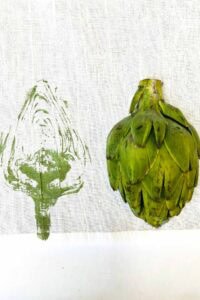
Yield: 1 Piece of Fabric
Vegetable Block Printing
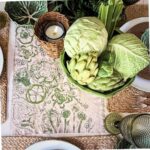
Learn how to create beautiful fabric prints using vegetables like cabbage, peppers, and artichokes to create table runners and tea towels.
- Linen or cotton fabric such as tea towels or a table runner
- Fabric paint
- Small paint roller or foam brush
- Cutting board and sharp knife
- Paper plate or paint tray
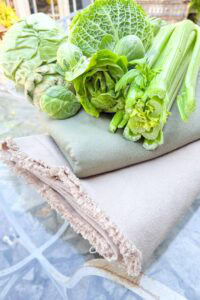
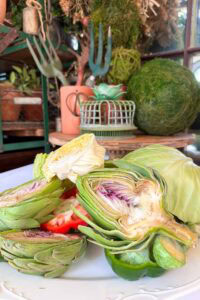
- Fresh vegetables including cabbage peppers, lettuce, artichokes, or okra
- Tip: Natural fabrics like linen and cotton absorb paint well and produce the clearest prints.
 Get Recipe Ingredients
Prepare the Fabric
Wash and dry the fabric before starting to remove any coatings that may prevent the paint from absorbing properly. Lay the fabric flat on a protected work surface and smooth out wrinkles. If printing tea towels or a runner, place cardboard inside or underneath the fabric to stop paint from bleeding through.
Slice the Vegetables
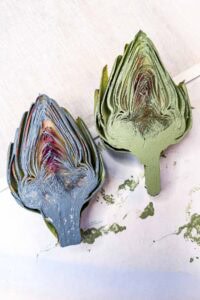
Cut the vegetables in half to reveal the natural patterns inside. Gently pat the cut surface dry with a paper towel before applying paint.
Apply the Paint
Pour a small amount of fabric paint onto a plate or tray. Use a small roller to apply an even layer of paint to the vegetable. If the paint looks heavy, lightly dab the vegetable on a paper towel to remove excess.
Stamp the Fabric
Press the vegetable firmly onto the fabric and lift straight up without twisting. Continue stamping across the fabric to create either a repeating pattern or a more relaxed, scattered design.
Helpful Tips
-
Pat vegetables dry: Removing excess moisture helps keep the prints crisp and prevents the paint from becoming diluted.
-
Use a roller for paint: Rolling paint onto the vegetable creates an even layer and produces cleaner prints.
-
Test first: Practice stamping on scrap fabric so you can adjust the paint amount and pressure before printing on your final piece.
-
Rotate the vegetable: Turning the stamp slightly between prints helps create a softer, more organic pattern.